Frank Lloyd Wright Palmer House
The Frank Lloyd Wright Palmer House at 227 Orchard Hills Drive is one of Ann Arbor's most architecturally significant private residences, designed by Wright in 1950 for Dr. William Palmer. A rare opportunity to engage with Usonian design principles in a residential setting, the property offers visitors a direct encounter with Wright's late-period thinking on organic architecture and domestic space.
Pearl is the En Primeur Club membership app — saves, bookings, and concierge access live there. Same editors, same standards.
- Address
- 227 Orchard Hills Dr, Ann Arbor, MI 48104
- Website
- flwpalmerhouse.com
- Directions
- Get directions
 Saves & bookings on Pearl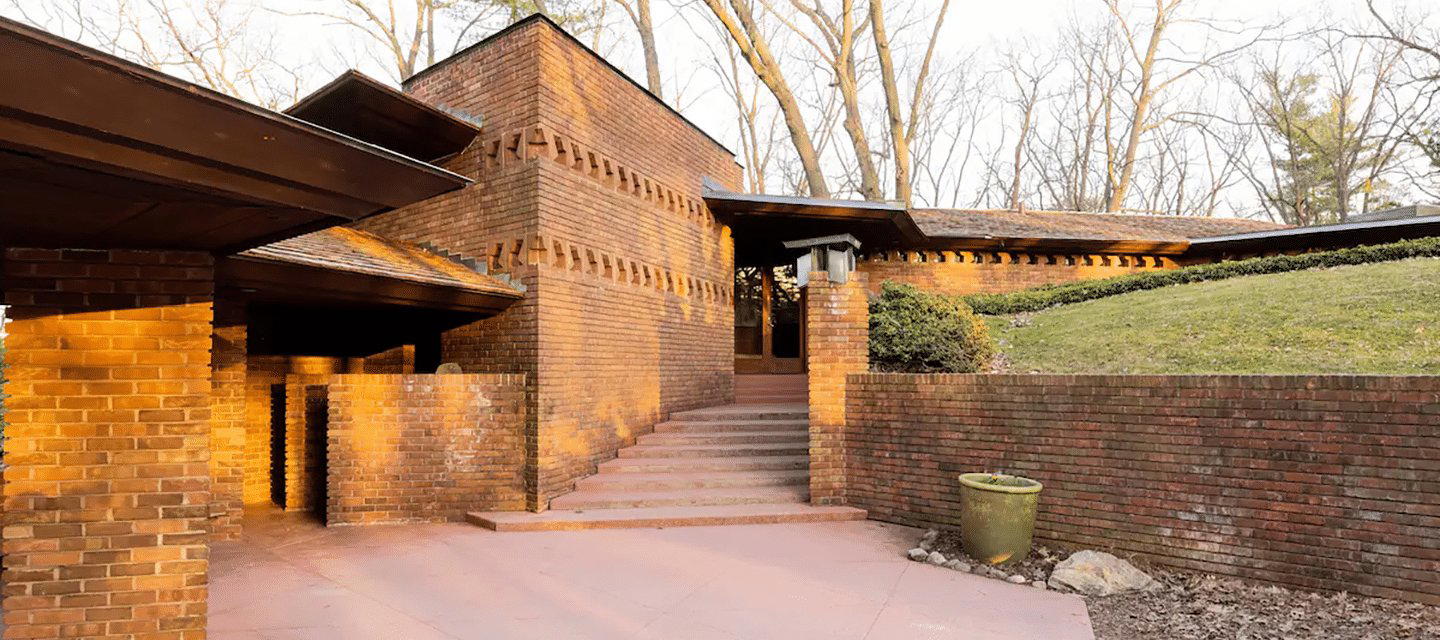
Usonian Architecture in a University City
Ann Arbor sits at an unusual intersection: a mid-sized Midwest city shaped by a major research university, with an architectural heritage that punches well above its size. The Frank Lloyd Wright Palmer House, located at 227 Orchard Hills Drive, belongs to a specific and relatively small category of Wright-designed residences that remain accessible for tours rather than having been absorbed entirely into private ownership or institutional preservation. Wright's Usonian houses, modest, single-story homes built for middle-class American families, represent among the more coherent expressions of American domestic architecture in the twentieth century, and the Palmer House, completed around 1950, sits in the mature phase of that program. For visitors with an interest in architectural history, Ann Arbor offers something that cities with larger cultural institutions often cannot: proximity to a working piece of design heritage, set within a residential neighborhood rather than a museum context.
What the Palmer House Represents in Wright's Output
The Usonian concept was Wright's response to what he saw as the failure of American housing to reflect democratic values or organic design principles. These were not grand estates, they were compact, carefully considered homes built with natural materials, integrated heating systems, and a deliberate relationship between interior space and the surrounding landscape. The Palmer House exemplifies this: the triangular geometric module Wright used for the floor plan creates rooms that feel neither boxy nor arbitrary, and the use of brick and wood connects the structure visually to the wooded lot it occupies. In the broader context of Wright's late career, the Palmer House fits between the more experimental forms of his public commissions and the earlier, more explicitly horizontal Prairie houses. It is a domestic building, but one in which every design decision carries theoretical weight.
Visitors who have moved through other architecturally ambitious properties, say, the site-specific design logic of Amangiri in Canyon Point, where buildings defer to desert geology, or the landscape-driven approach at Ambiente, A Landscape Hotel in Sedona, will recognize in the Palmer House a similar insistence that a building should grow from its site rather than impose upon it. The difference is scale: this is a private home, not a hospitality property, and that intimacy changes how the design reads.
The Experience of Visiting
Private residences designed by Wright occupy a different register than his public buildings. The Guggenheim or the Johnson Wax Building can be experienced as spectacle; a Usonian house requires a slower, closer reading. The Palmer House rewards visitors who arrive with some preparation, an understanding of Wright's geometric systems, his material palette, and the Usonian program's intent, because much of what makes the building significant is not immediately legible to the untrained eye. The triangular grid, the cantilevered carport, the integration of built-in furniture: these are ideas, not just forms, and understanding them changes what you see.
This is a different kind of engagement than what most hospitality properties offer. Properties like Troutbeck in Amenia or Blackberry Farm in Walland deliver their atmosphere through service, food, and landscape, with architecture as context. At the Palmer House, the architecture is the entire program. There is no dining component, no hospitality layer, no curated experience beyond the building itself. That constraint is also its integrity.
Ann Arbor's Broader Architectural and Cultural Position
Wright designed several houses in Michigan, and the Palmer House is one of the more accessible in terms of location, Ann Arbor is served by Detroit Metro Airport approximately 25 miles to the east, and the city is compact enough that most points of interest are reachable without a car once you're settled. For visitors building an itinerary around the Palmer House, the city's downtown offers a range of accommodation options, including the AC Marriott Hotel Ann Arbor Downtown, which provides a practical base within the urban core. The University of Michigan's campus, the Cranbrook educational community in nearby Bloomfield Hills (itself a significant site of mid-century American design), and the broader Detroit metropolitan area's architectural heritage make a multi-day itinerary around design history entirely viable.
For travelers who have built itineraries around architecturally significant properties elsewhere, Post Ranch Inn in Big Sur, Amangani in Jackson Hole, or the historic fabric of Chicago Athletic Association in Chicago, the Palmer House represents a different point on the same spectrum of American architectural ambition. It is smaller, quieter, and less mediated by hospitality infrastructure, which for the right traveler is precisely its appeal.
Planning a Visit
Because the Palmer House is a private residence rather than a public museum or hotel property, access arrangements are not standardized in the way that institutional sites are. Visitors should confirm touring arrangements well in advance and approach the property with the understanding that it operates on different terms than purpose-built visitor attractions. Direct verification through local architectural organizations or the Frank Lloyd Wright Foundation's network is one reliable route to current access information. The property is at 227 Orchard Hills Drive, Ann Arbor, MI 48104, and sits within a residential neighborhood, arriving by car is the practical option. Those pairing the visit with a broader Michigan or Midwest itinerary might also consider properties that share a commitment to place-specific design, including Sage Lodge in Pray or Alpine Falls Ranch in Superior for a sense of how that design philosophy translates into contemporary hospitality contexts.
For those building a wider American architectural tour, Wright-designed sites cluster in a handful of regions, and the Midwest, particularly Illinois, Wisconsin, and Michigan, holds a disproportionate share. The Palmer House is a logical stop on any itinerary through that territory, sitting alongside properties and institutions that trace the arc of American domestic design from the Prairie period through mid-century modernism and beyond. Other architecturally attentive properties worth considering as companion stops include SingleThread Farm Inn in Healdsburg and Bernardus Lodge & Spa in Carmel Valley on the West Coast, or Raffles Boston in Boston for a contrast in institutional historic preservation on the East Coast.
A Pricing-First Comparison
Comparable venues nearby, for context on price, style, and recognition.
| Venue | Price | Awards | Notes |
|---|---|---|---|
| Frank Lloyd Wright Palmer HouseThis venue — the venue you are viewing | $$$ | 5-Star | Not listed |
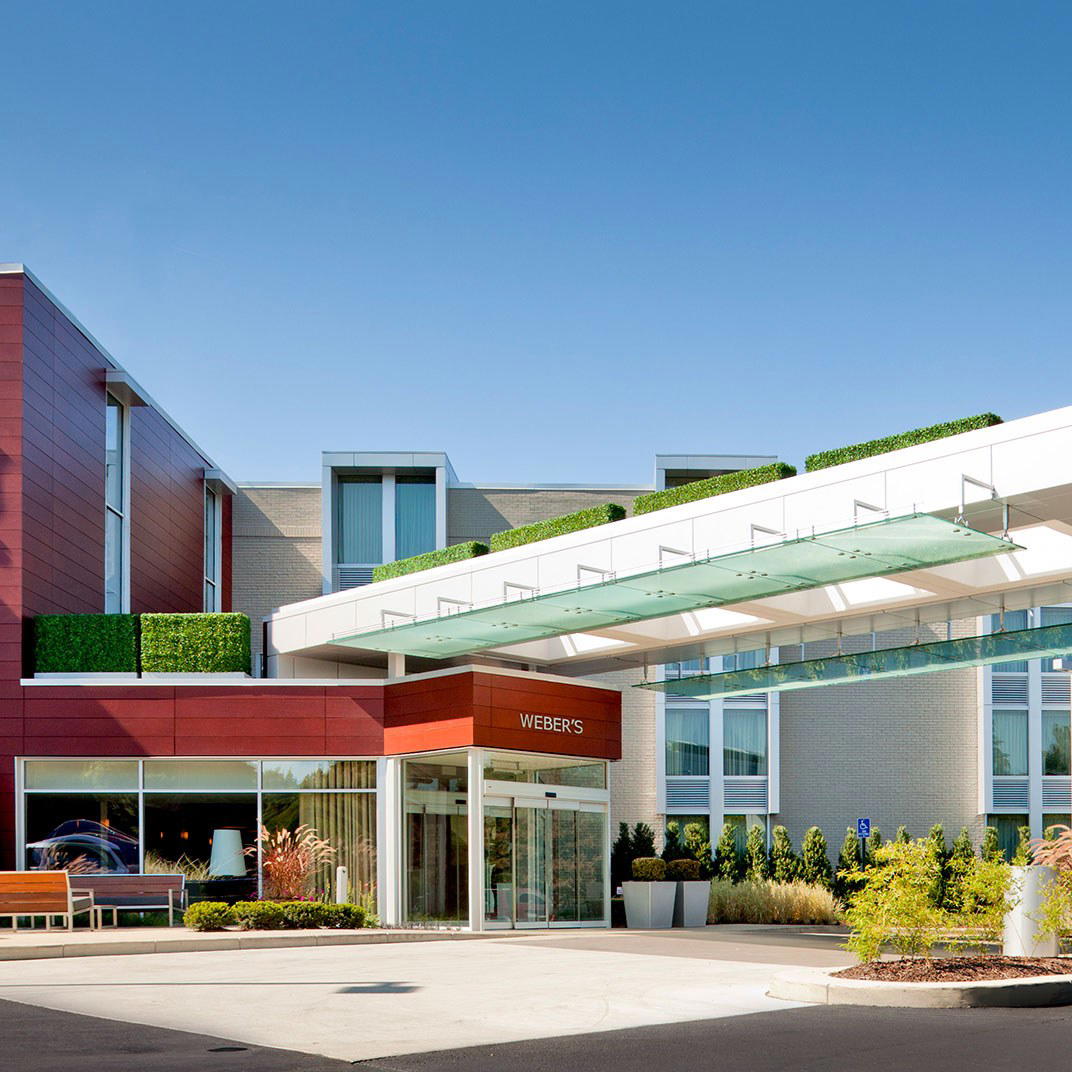
| Weber's Boutique Hotel | $$$ | 4-Star | Lakewood, full-service family-owned boutique hotel blending tradition with modern comfort |
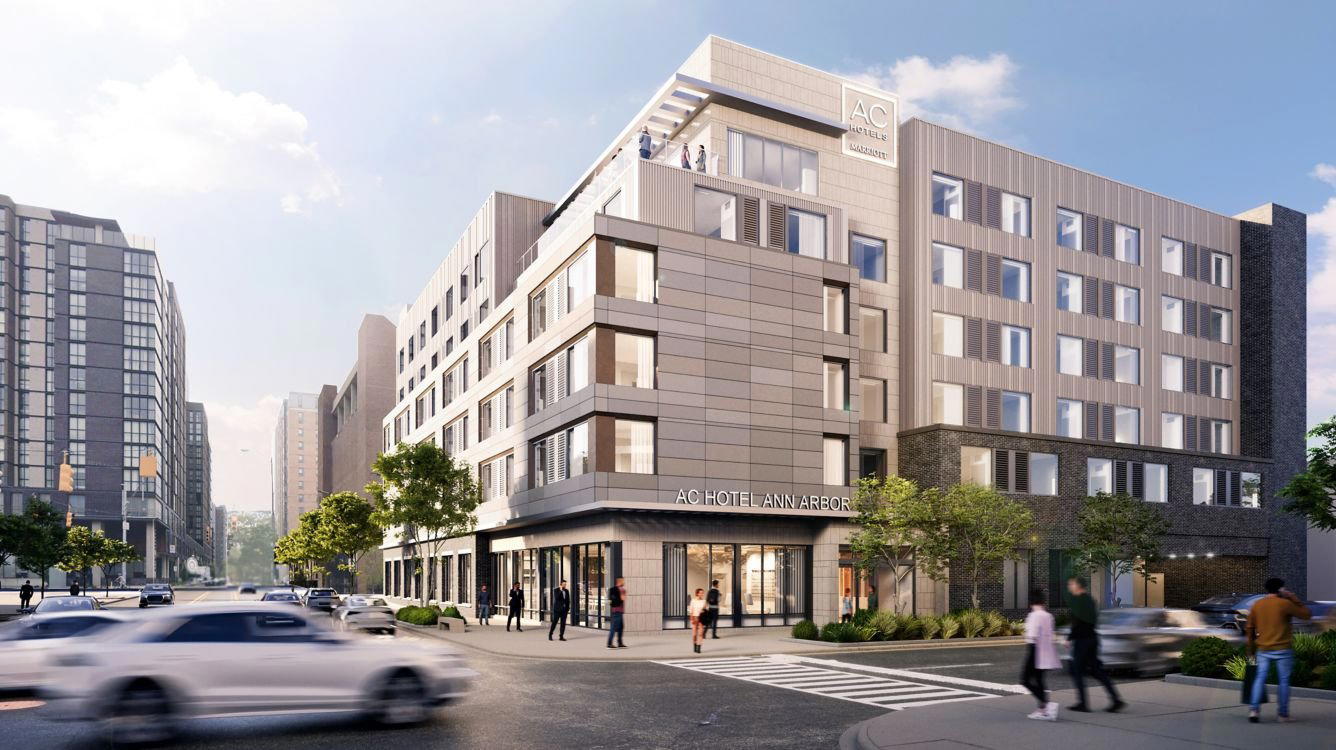
| AC Marriott Hotel Ann Arbor Downtown | $$$ | 3-Star | Downtown Ann Arbor Main Street District, Contemporary European-inspired design with Midwest sensibility, blending refined aesthetics with creative energy and local craftsmanship. |
| Graduate by Hilton Ann Arbor | $$$ | 4-Star | Old Fourth Ward, College-town boutique hotel celebrating local university heritage and traditions with contemporary comfort. |
| The Townsend Hotel | $$$$ | 4-Star | Birmingham, English manor house style luxury boutique |
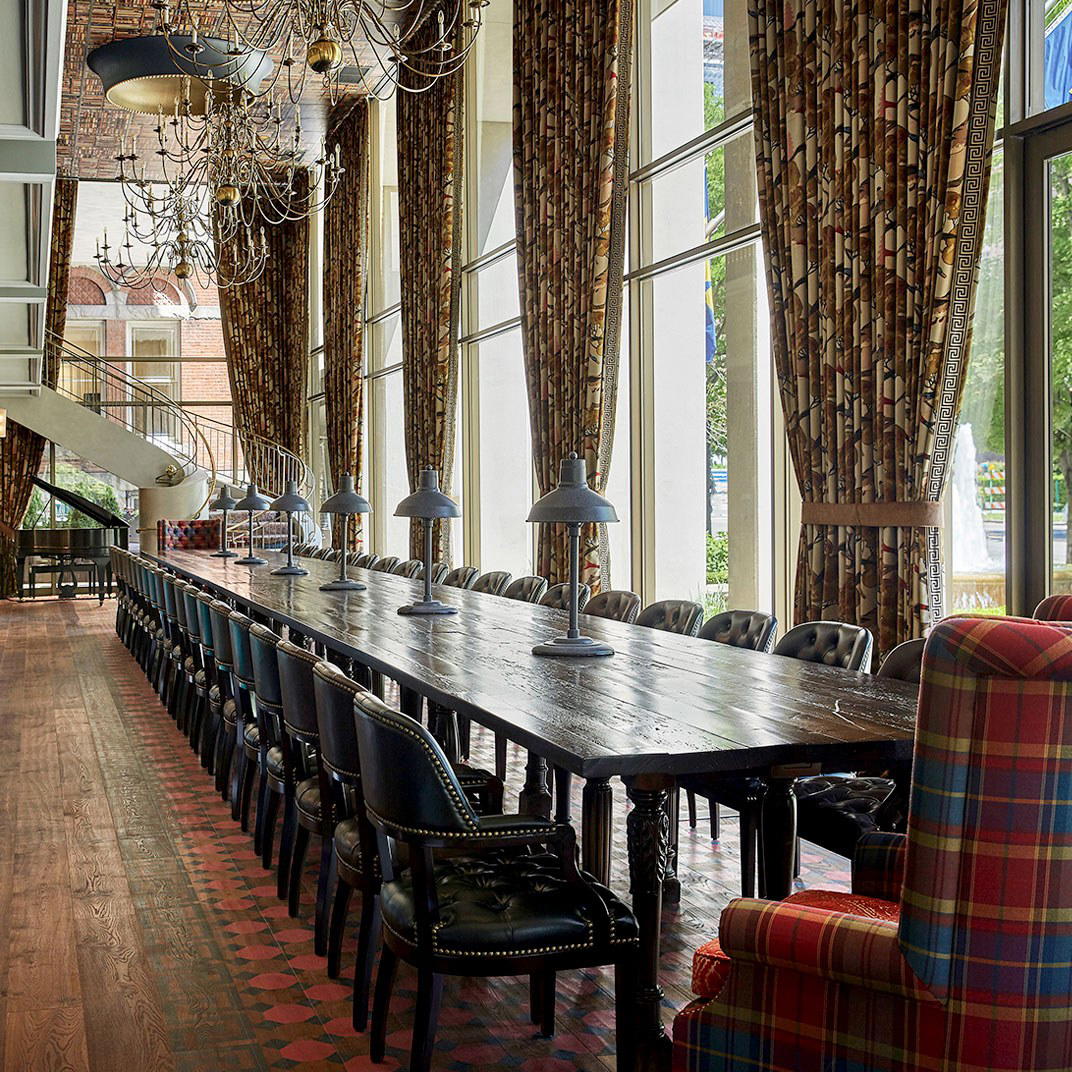
| The Westin Book Cadillac Detroit | $$$$ | 4-Star | Downtown, Historic luxury heritage hotel blending 1924 Italian Renaissance architecture with contemporary design elements and modern amenities. |



At a Glance
- Well Known
- Romantic
- Quiet
- Classic
- Scenic
- Intimate
- Romantic Getaway
- Weekend Escape
- Group Retreat
- Historic Building
- Design Destination
- Garden
- Terrace
- Panoramic View
- Garden
Serene and contemplative with abundant natural light from mitred-glass corner windows framing woodland views; intimate spaces with dramatic cantilevered overhangs and organic integration of interior and exterior environments.