The Barley Mow

A Cubitt House pub in the heart of Mayfair, The Barley Mow holds its ground-floor bar close to its Victorian roots — dark wood, etched glass, pints of proper beer — while the upstairs dining room delivers no-nonsense British cooking under chef director Ben Tish and head chef Chris Fordham-Smith. From brown crab rarebit to native-breed beef pie, the kitchen applies serious technique to serious ingredients without the theatre of fine dining.
Pearl is the En Primeur Club membership app — saves, bookings, and concierge access live there. Same editors, same standards.
- Address
- 82 Duke St, London W1K 6JG, United Kingdom
- Phone
- +44 20 4553 1414
- Website
- cubitthouse.co.uk
- Directions
- Get directions
 Saves & bookings on Pearl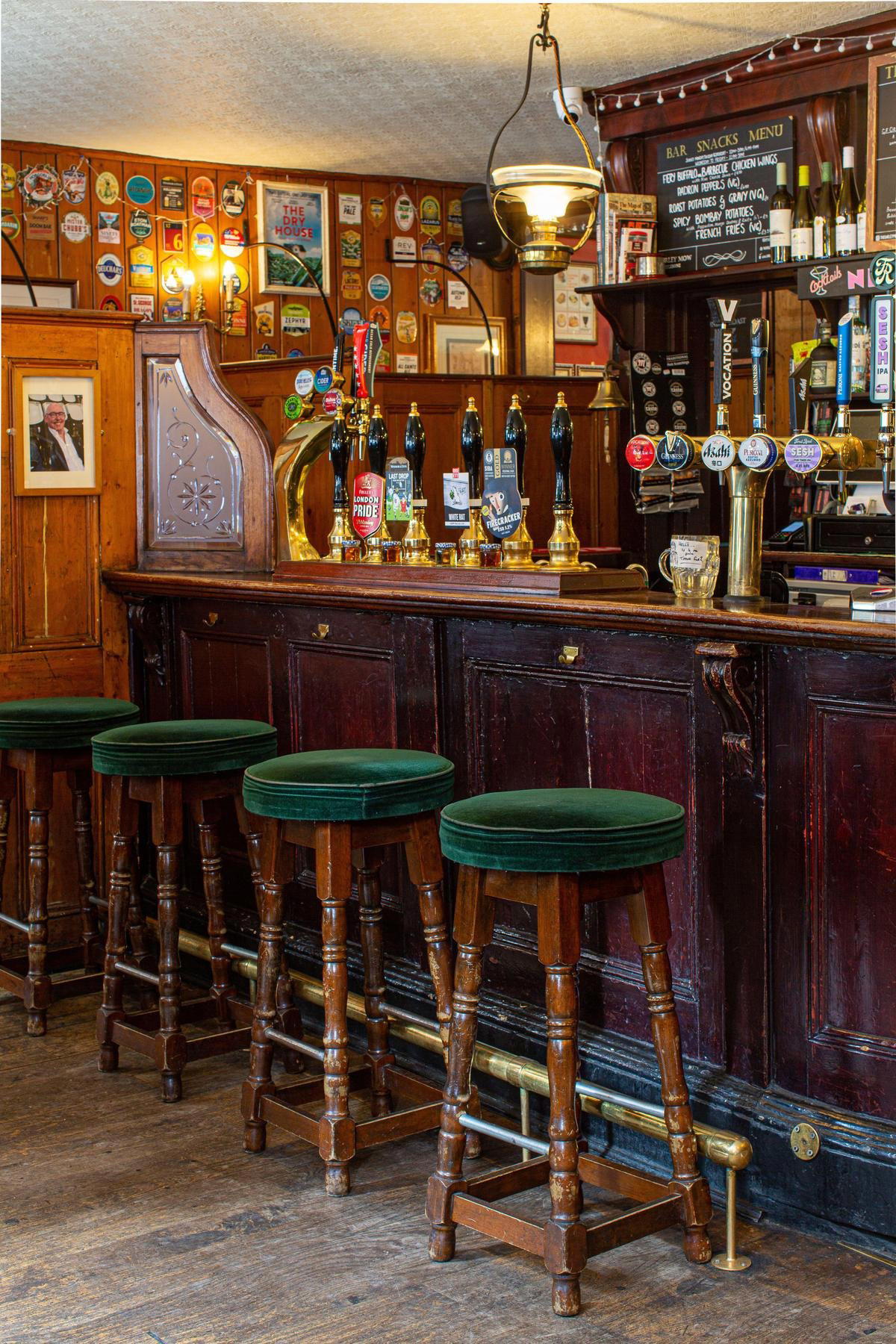
Mayfair Without the Performance
Duke Street in Mayfair carries a particular weight of expectation. The neighbourhood's reputation for formal dining rooms and polished service has a way of filtering out anything that doesn't perform to type. Which is precisely what makes The Barley Mow — a pub that reads, on entry, as though it has simply always been there — worth understanding on its own terms. The ground-floor bar holds its original darkly varnished wood and etched glass, and on any given evening it packs in drinkers standing close enough to need to speak up. Hot meat buns and sausage rolls with homemade brown sauce move fast from the bar menu. Nothing about the room signals ambition. That, in Mayfair, is itself a considered position.
The pub belongs to the Cubitt House group. The Barley Mow is particularly directly pub-faithful of those projects, and the ground floor makes that case without needing to explain itself.
Upstairs, Where the Cooking Happens
British pub dining has fractured into several distinct tiers over the past decade. At one end, gastropubs that have effectively become restaurants with a bar attached. At the other, pubs that treat food as an obligation. The Barley Mow's upstairs dining room sits in a more specific position: a richly decorated, intimate space where the cooking is clearly the point, but the register remains pub rather than restaurant. Chef director Ben Tish and head chef Chris Fordham-Smith are operating from a shared instinct for high-impact, no-nonsense British food, the kind of cooking that references classical technique without wearing it as a badge.
The menu reads like a document of what British cooking does well when it stops apologising for itself. Starters run to steamed cockles with parsley butter, a house terrine en croûte, and brown crab rarebit. These are dishes with clear lineage in the British kitchen, handled with enough precision to make the case that the tradition is worth the attention. Main courses centre on native-breed beef pie with mash and parsley sauce, a free-range roast chicken served with sage and truffle butter, and a daily roast of rare-breed meats. The cheese selection is described as inspired, and the wine list takes care across price points, a range that accommodates varying depths of pocket rather than defaulting to a single register. Desserts include a baked Alaska for two and a sticky toffee pudding with salted caramel sauce: not a menu trying to surprise you, but one confident enough in its own judgment to deliver what it promises.
Planning Your Visit: What to Know Before You Go
Mayfair dining can carry friction at the booking stage, long lead times, fixed menus, dress expectations that require advance thought. The bar operates with less of that overhead. The ground-floor bar is walk-in by default, which makes it useful for spontaneous visits, a drink before dinner elsewhere, or a quick pass through the bar menu. The upstairs dining room, given the intimacy of the space, warrants booking ahead; this is not a room that absorbs drop-ins easily on a busy evening. The address at 82 Duke Street W1K 6JG places it within walking distance of Bond Street station, making it accessible without requiring advance transport planning.
The bar occupies a position between those two poles: serious enough in the kitchen to merit the kind of planning you'd apply to a proper dinner out, but without the ceremony that can make Mayfair feel transactional. The dress code is smart-casual.
Peer Comparison: Booking and Format at a Glance
| Venue | Format | Walk-in Option | Area | Price Register |
|---|---|---|---|---|
| The bar | Pub + upstairs dining room | Yes (ground floor bar) | Mayfair, W1 | Mid-range pub dining |
| Quo Vadis | Club members + restaurant | Limited (restaurant booking advised) | Soho, W1 | Mid-to-upper |
| Bar Termini | Bar, aperitivo focus | Yes | Soho, W1 | Bar spend |
| Nightjar | Cocktail bar, ticketed | No (advance booking required) | Shoreditch, EC1 | Bar spend |
| Happiness Forgets | Basement cocktail bar | Limited capacity | Hoxton, N1 | Bar spend |
Booking and Cost Snapshot
Comparable venues nearby, for context on price, style, and recognition.
| Venue | Cuisine | Price | Notes |
|---|---|---|---|
| The Barley MowThis venue — the venue you are viewing | Mayfair, pub | $$$ | Not listed |
| Luna Wine Bar | Not listed | $$$ | Bermondsey, wine_bar |
| Amaya Grill and Bar | Belgravia, lounge | $$$ | Not listed |
| Comptoir Mayfair | Not listed | $$$ | Mayfair, wine_bar |
| Mr Fogg's Botanical Tavern & Treehouse | Not listed | $$$ | Fitzrovia, cocktail_bar |
| Whiteley’s Bar | Not listed | $$$ | Queensway, hotel_bar |
Recognition history
Dated appearances from independent guides and award organizations, with the underlying list record or original source where available.
The Good Food Guide GFG Good
The Good Food Guide
Continue exploring
More in London
Bars in London
Browse all →
Restaurants in London
Browse all →
Hotels in London
Browse all →


At a Glance
- Classic
- Cozy
- Lively
- Well Known
- After Work
- Group Outing
- Casual Hangout
- Date Night
- Special Occasion
- Historic Building
- Standalone
- Beer Garden
- Standing Room
- Seated Bar
- Booth Seating
- Private Rooms
- Outdoor Terrace
- Craft Beer
- Conventional Wine
- Gin
- Whiskey
- Street Scene
Current opening hours
- Monday
- 8 AM–11 PM
- Tuesday
- 8 AM–11 PM
- Wednesday
- 8 AM–11 PM
- Thursday
- 8 AM–11 PM
- Friday
- 8 AM–11 PM
- Saturday
- 11 AM–11 PM
- Sunday
- 12–10 PM
Hours can change for holidays and private events. Last verified .
Dim lighting with dark wood, etched glass windows, leather bar stools, and vintage beer signs; ground floor feels like a proper pub with marble-topped bar, while upstairs dining room is more refined and cozy.