Terpentijn
On Rokin, one of Amsterdam's central arteries, Terpentijn occupies a position that places it squarely in the city's conversation about where serious drinking happens. The address alone puts it within easy reach of the canal belt's bar circuit, alongside venues like Door 74 and Tales & Spirits. What draws attention here is the specificity of the offer and the deliberateness of the format.
 Discover on Pearl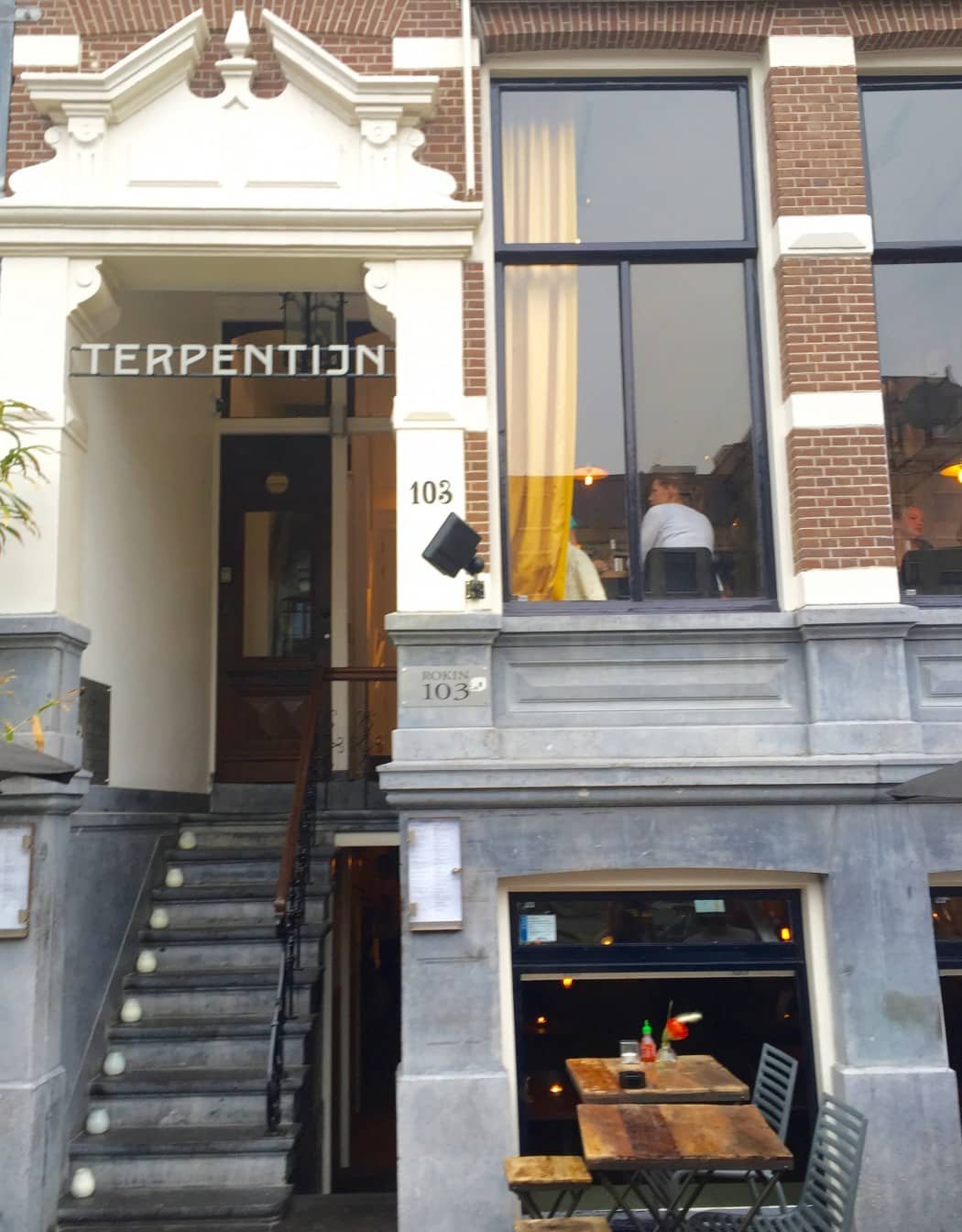
Rokin's Bar Circuit and Where Terpentijn Sits Within It
Amsterdam's central bar scene has undergone a quiet but persistent shift over the past decade. The city's most attentive drinking destinations have moved away from broad-appeal programming toward more focused formats: venues that commit to a particular style, a specific spirit category, or a rigorous approach to the glass. Rokin 103 sits in the middle of that shift. The address places Terpentijn on one of Amsterdam's most navigated central corridors, a street that connects Dam Square to the Muntplein and draws a mix of locals and visitors who know where they're going. That footfall hasn't pushed the venue toward generic hospitality. If anything, the central position seems to have sharpened the need to define what kind of bar this is.
Amsterdam's cocktail scene now operates across at least two distinct tiers. The first is built around craft and technical discipline, with venues like Door 74 and Tales & Spirits holding long-established reputations for program depth and bartender pedigree. The second tier is looser, more atmosphere-led, trading on location and interior over precision in the glass. Terpentijn's placement on Rokin, and the attention it receives from Amsterdam regulars, suggests it belongs closer to the first category than the second, though the exact positioning requires a visit to confirm with confidence.
The shortlist, unlocked.
Hard-to-book tables, cellar releases, and concierge-planned trips.
Get Exclusive Access →The Logistics of Getting Here and Getting a Seat
The booking question is, practically speaking, the first question. Amsterdam's better bars divide into two camps: walk-in venues that reward early arrival, and reservation-led operations where planning ahead determines whether you get a seat at all. Without confirmed reservation data for Terpentijn, the safest approach follows the same logic that applies across the canal belt's serious drinking circuit: contact ahead, particularly for weekends between May and September, when Amsterdam's tourist volume compresses availability across every category of venue from budget to premium.
The Rokin address is accessible by tram from Centraal Station, with several lines stopping along the route. Visitors staying in the Jordaan, De Pijp, or the canal ring have a short transfer. The practical note worth making is that Rokin itself is a through-route for foot traffic, which means the street context is busier than the narrower canal-side addresses that house some of Amsterdam's quieter destination bars. Whether Terpentijn trades on that energy or insulates from it is a meaningful distinction in how the evening reads.
For context on how Amsterdam bars approach the booking question more broadly: venues in the & moshik and Alex + Pinard tier operate with tight capacity and explicit reservation windows. Terpentijn's position on a high-footfall street might suggest a more walk-in-friendly format, but that assumption carries risk during peak season. The Dutch bar market has become sophisticated enough that capacity management is no longer only a concern at the upper end of the price range.
Seasonal Timing and the Amsterdam Bar Calendar
Amsterdam drinking culture has a seasonal cadence that matters for planning. The summer months, roughly late April through August, bring a significant increase in volume across the city's central venues. Terraces open, evenings lengthen, and demand for seats at established bars outpaces availability. If Terpentijn holds outdoor or pavement space, as many Rokin-adjacent venues do, that capacity can change the early-evening dynamic considerably. The shoulder months, September through November and March through April, tend to offer better conditions for the kind of unhurried visit that lets a bar's program reveal itself properly.
Winter in Amsterdam has its own logic. The city's bar scene contracts slightly in terms of casual foot traffic, but the venues that remain busy through the colder months tend to be those with a committed local following, which is a reasonable proxy for quality. A bar that holds its crowd in January is a bar that people are choosing deliberately rather than visiting by accident of proximity.
Terpentijn in the Broader Dutch Bar Context
Placing Terpentijn in a national frame is useful for visitors moving through the Netherlands rather than staying exclusively in Amsterdam. The Dutch bar scene outside the capital has developed considerably in recent years. Florin Utrecht in Utrecht represents the kind of serious wine-focused operation that has emerged in secondary cities, while Altijd in de buurt in Rotterdam reflects Rotterdam's increasingly independent bar culture. Marius Wijncafé in The Hague and Restobar Fiftyeight in Nijmegen demonstrate that the country's interest in considered drinking has spread well beyond the Grachtengordel.
Venues like Boode Foodbar in Bathmen and Het Witte Paard in Etten-Leur show that even smaller Dutch towns have developed hospitality operations worth tracking. For the international traveller comparing notes across bar cultures, the contrast between Amsterdam's central venues and the quieter specificity of provincial Dutch bars is instructive. Terpentijn operates at the Amsterdam end of that spectrum, with the visibility and competition that comes with a central city address.
For those mapping Amsterdam's bar options against international reference points, Bar Leather Apron in Honolulu offers an interesting comparison: a venue that has built a specific identity and booking reputation in a tourist-heavy city without surrendering program discipline to footfall pressure. Whether Terpentijn holds that same line is, again, something the address alone cannot confirm.
Planning Your Visit
The practical summary for Terpentijn: the Rokin address is central and easy to reach by public transport, placing it within a short walk or tram ride of most Amsterdam accommodation. Peak season visits, particularly Friday and Saturday evenings between May and September, carry the highest risk of capacity constraints. Contact the venue directly before arriving to confirm current hours, format, and whether reservations are taken. For a fuller picture of where Terpentijn fits within Amsterdam's drinking and dining options, see our full Amsterdam restaurants guide.
Frequently Asked Questions
- What's the signature drink at Terpentijn?
- The venue's confirmed drink focus is not detailed in available data, so a specific signature cannot be named with confidence. Amsterdam bars operating at the Rokin address level tend to develop a house style around either a specific spirit category or a seasonal cocktail program. The most reliable approach is to ask the bar team directly on arrival or when making contact ahead of your visit.
- What's the standout thing about Terpentijn?
- Location on Rokin places Terpentijn within Amsterdam's most accessible central bar corridor, putting it in proximity to the city's established cocktail venues. Without confirmed awards data or a published price range, the clearest differentiator is the address and the attention the venue draws from those familiar with Amsterdam's bar circuit.
- How far ahead should I plan for Terpentijn?
- Amsterdam's serious bar venues book faster than casual visitors typically expect. If you are visiting between May and September, contacting a week ahead is a reasonable baseline; for weekend evenings during summer, two weeks is safer. Terpentijn's website and phone details are not confirmed in current data, so reaching out via direct search or walk-in inquiry ahead of your intended date is the practical route.
- Who is Terpentijn leading for?
- The Rokin address and the bar's positioning within Amsterdam's central drinking circuit make it a reasonable choice for anyone already spending time in the canal district. It sits closer to the deliberate-visit end of the spectrum than the drop-in end, which suggests it suits guests who are building an evening around the bar rather than passing through.
- Does Terpentijn live up to the hype?
- Without confirmed awards, price data, or published critical assessments, the hype question is difficult to answer with precision. The most honest framing: Terpentijn holds attention in Amsterdam bar conversations, which in a city with a competitive and knowledgeable bar-going public is a meaningful signal. Specific expectations are leading calibrated against direct research before your visit.
- Is Terpentijn a wine bar, a cocktail bar, or something else?
- The venue's confirmed format is not specified in available data. Amsterdam's Rokin corridor hosts bars across multiple formats, from wine-focused operations to full cocktail programs, and some venues combine both. Given the name's Dutch-language resonance and the address's position in a neighbourhood with a range of serious drinking options, the format question is worth clarifying directly with the venue before planning an evening around a specific type of drink.
Peers Worth Knowing
A quick context table based on similar venues in our dataset.
| Venue | Cuisine | Price | Notes |
|---|---|---|---|
| Terpentijn | This venue | ||
| Door 74 | |||
| Tales & Spirits | |||
| Bar du Champagne | |||
| Binnenvisser | |||
| Bubbles & Wines |
Need a Table?
Our members enjoy priority alerts and concierge-led booking support for the world's most difficult bars and lounges.
Get Exclusive AccessThe shortlist, unlocked.
Hard-to-book tables, cellar releases, and concierge-planned trips.
Get Exclusive Access →