TAP Brazilian Café
A Brazilian café on Columbus Avenue in the Upper West Side, TAP Brazilian Café brings South American coffee culture and casual drinking to a neighbourhood better known for its proximity to Central Park than its bar scene. The format sits closer to a neighbourhood gathering point than a destination cocktail bar, making it a practical stop for the area's residents and visitors moving between the park and Lincoln Center.
Pearl is the En Primeur Club membership app — saves, bookings, and concierge access live there. Same editors, same standards.
- Address
- 267 Columbus Ave, New York, NY 10023
- Phone
- +1 929 930 3095
- Website
- eattap.co
- Directions
- Get directions
 Saves & bookings on Pearl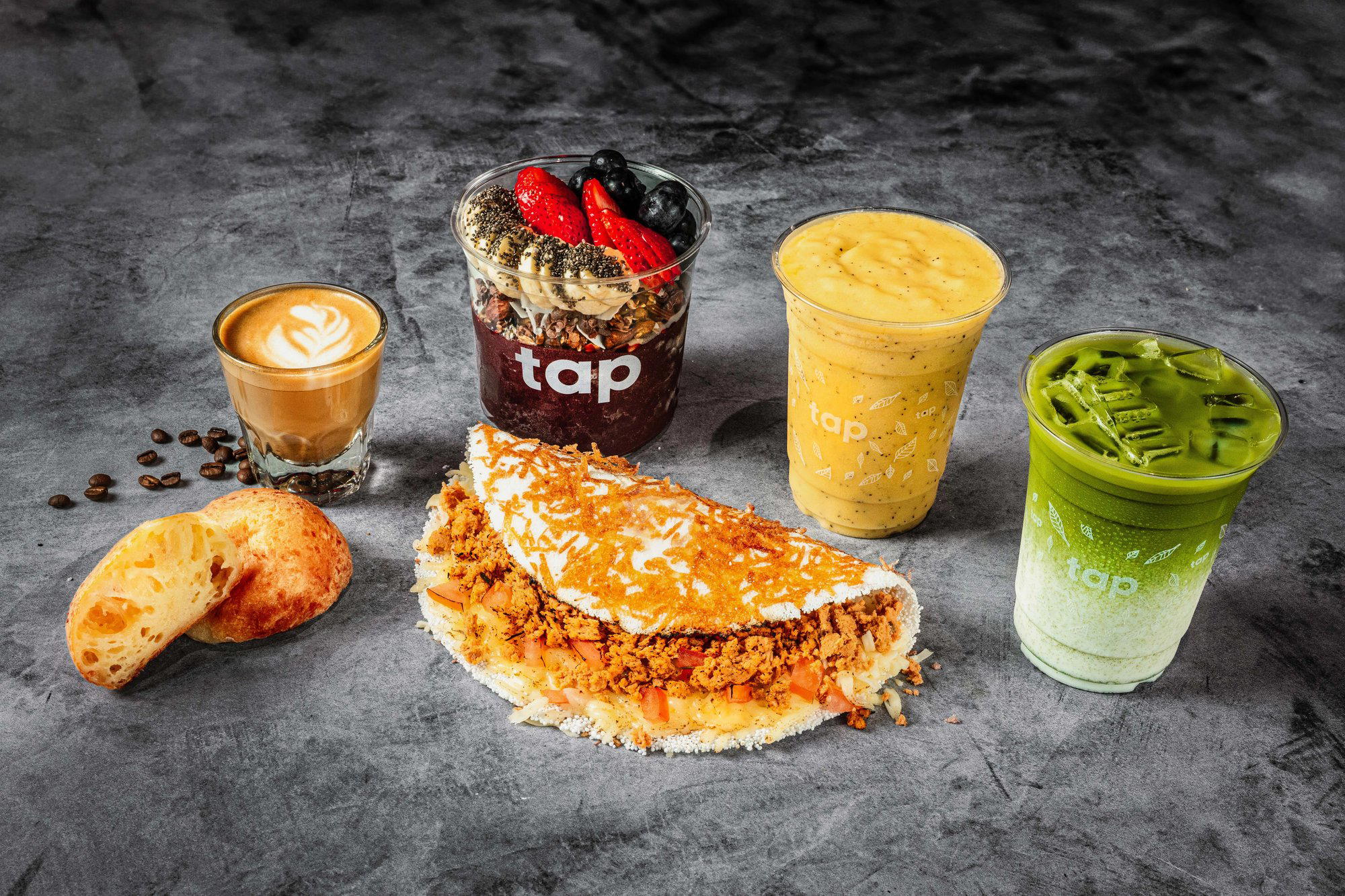
Brazilian Café Culture on the Upper West Side
Columbus Avenue in the Upper West Side has never been New York's primary address for serious drinking. The neighbourhood runs on park access, pre-concert logistics, and the kind of casual dining that works before a Lincoln Center curtain. That context matters when placing TAP Brazilian Café at 267 Columbus Ave: it occupies a format that the Upper West Side genuinely lacks, a space with Brazilian café DNA that sits between the neighbourhood's sit-down restaurant tier and its coffee-shop infrastructure. In a city where Brazilian drinking culture remains concentrated in Astoria and parts of Newark, a Columbus Avenue outpost represents a different kind of positioning — neighbourhood utility over destination status.
Brazilian café culture itself is worth understanding before arriving. In São Paulo and Rio, the café-bar hybrid is a civic institution: counter service by day, casual drinking by evening, with a menu that moves from espresso and pão de queijo to caipirinhas and chopp without any tonal shift. The format doesn't require a cocktail programme with a named bartender or a tasting menu built around provenance. What it requires is a certain fluency with the transitions — the moment when the space tips from coffee mode to drinking mode, and a baseline command of cachaça, the Brazilian sugarcane spirit that sits at the centre of the country's drinking culture. In New York, that fluency is rarer than the city's bar density would suggest.
Where the Bartender's Work Actually Begins
The craft conversation around cachaça-based drinks in New York has been a slow build. The city's cocktail scene over the last decade has leaned heavily toward Japanese whisky influence (see Angel's Share in the East Village), technically precise bitter programmes (as at Amor y Amargo), and the guest-first hospitality model that defines places like Attaboy NYC. Latin spirits have come into sharper focus more recently, with venues like Superbueno in Manhattan demonstrating what a disciplined approach to Latin American drinking traditions can look like at a higher technical register.
The bartender's work at a Brazilian café-format venue is different from any of those reference points. It doesn't ask for the mise en place precision of a twelve-seat cocktail bar. What it asks for is command of a narrower toolkit executed with consistency: a well-made caipirinha, built with the right lime-to-cachaça ratio and served at the correct dilution, tells you more about a bar programme than a menu of twelve original cocktails. Across the spectrum of craft programmes in cities like Chicago (where Kumiko built its reputation on restraint), Honolulu (where Bar Leather Apron focuses on Japanese hospitality standards), and New Orleans (where Jewel of the South applies classical technique to Southern ingredients), the common thread among respected programmes is depth within a defined focus rather than breadth across categories. The same principle applies here.
The Neighbourhood Frame
Upper West Side's bar scene has historically skewed toward wine bars and casual spots that serve the pre-theatre and post-park crowd rather than destination drinkers. That positioning isn't a weakness for a venue like TAP Brazilian Café, it's a functional advantage. The neighbourhood needs approachable gathering points more than it needs another ambitious cocktail programme competing for coverage in national publications. Bars that serve their immediate community reliably, the way ABV in San Francisco or Julep in Houston have built local loyalty through format clarity, tend to hold their position better over time than destination venues chasing a rotating audience.
Columbus Avenue specifically runs through a stretch of the Upper West Side that draws a residential crowd during the week and heavier foot traffic on weekends when Central Park fills up. The practical advantage of a Brazilian café format in this context is its range: coffee drinkers in the morning, lunch traffic through the afternoon, and a casual drinking crowd in the evening without requiring the kind of reservation infrastructure that defines more formal programmes. It's a format with lower friction at every entry point, which matters in a neighbourhood where spontaneity is part of how people move.
For a fuller map of where TAP Brazilian Café sits relative to the rest of the city's drinking options, the EP Club New York City guide covers the range from destination cocktail bars to neighbourhood institutions across all five boroughs. The Upper West Side doesn't anchor many of those recommendations, which is itself informative: the neighbourhood's drinking culture is more functional than destination-driven, and TAP operates squarely within that reality.
Planning Your Visit
TAP Brazilian Café is at 267 Columbus Ave, between West 72nd and West 73rd Streets, within easy walking distance of the 72nd Street subway stop on the B, C lines. The venue's proximity to Central Park's western edge and Lincoln Center makes it a practical stop before or after either. Walk-in access is consistent with the café-bar format, where counter seating and casual entry are part of the operating model rather than exceptions. For reference, the broader Brazilian café tradition runs without reservation requirements as a baseline, and that hospitality posture appears to hold here. Programmes like Allegory in Washington, D.C. or The Parlour in Frankfurt represent what a more formal cocktail programme with defined booking architecture looks like at the other end of the spectrum, TAP sits at the more accessible, lower-barrier end of that range.
Cuisine Context
A quick snapshot of similar venues for side-by-side context.
| Venue | Awards |
|---|---|
| TAP Brazilian CaféThis venue — the venue you are viewing | Not listed |
| The Long Island Bar | World's 50 Best |
| Superbueno | World's 50 Best |
| Amor y Amargo | World's 50 Best |
| Angel's Share | World's 50 Best |
Continue exploring
More in New York City
Bars in New York City
Browse all →
Restaurants in New York City
Browse all →
Hotels in New York City
Browse all →




At a Glance
- Cozy
- Casual Hangout
- Standalone
- Seated Bar
Current opening hours
- Monday
- 7 AM–8 PM
- Tuesday
- 7 AM–8 PM
- Wednesday
- 7 AM–8 PM
- Thursday
- 7 AM–8 PM
- Friday
- 7 AM–8 PM
- Saturday
- 7 AM–8 PM
- Sunday
- 7 AM–8 PM
Hours can change for holidays and private events. Last verified .
Cozy atmosphere with Brazilian music.
Know Before You Go
- Getting there
- 267 Columbus Ave, New York, NY 10023