Sushi Train
Sushi Train sits on Nicollet Mall in downtown Minneapolis, bringing a conveyor-belt format to a city more accustomed to sit-down Japanese dining rooms. The casual, counter-style setup invites diners to pick plates as they pass, making it a practical midday option in one of the Mall's busiest commercial corridors. For a quick, low-commitment Japanese meal in central Minneapolis, it occupies a specific and useful niche.

Pearl is the En Primeur Club membership app — saves, bookings, and concierge access live there. Same editors, same standards.
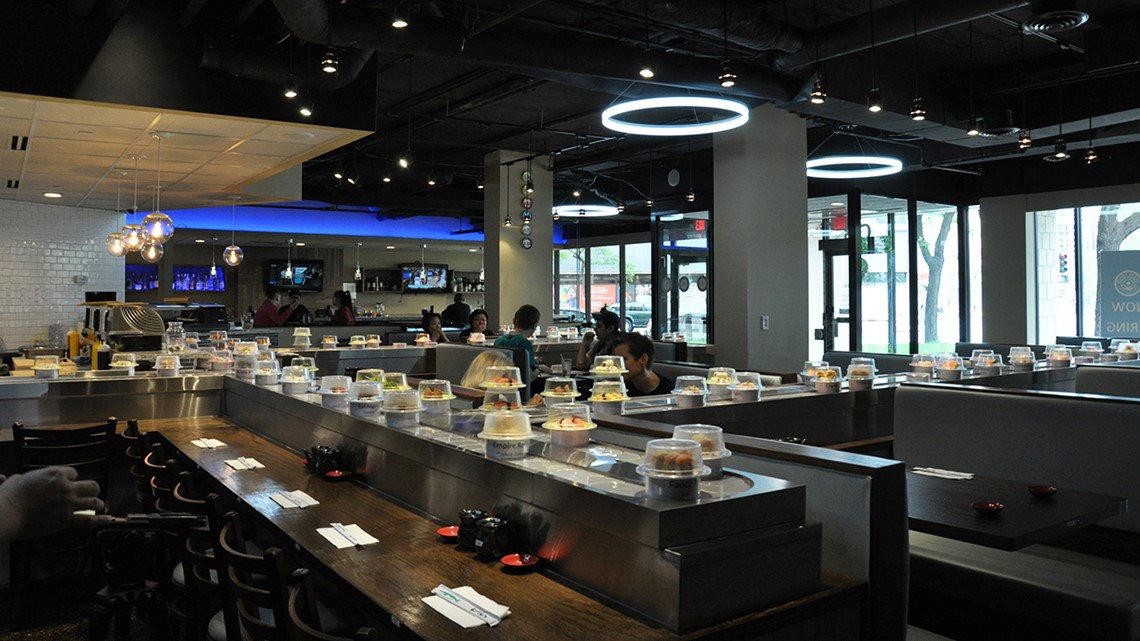
A Moving Target on Nicollet Mall
Conveyor-belt sushi, known in Japan as kaiten-zushi, built its reputation on exactly the opposite of fine dining ceremony. The format strips away the pacing rituals, the omakase negotiations, and the sommelier choreography, and replaces them with something fundamentally democratic: plates rotate past, you take what appeals, and the bill reflects only what you consumed. In Minneapolis, where the Japanese dining scene has historically leaned toward conventional sit-down formats or fast-casual hybrid models, Sushi Train at 1200 Nicollet Mall positions itself as a direct kaiten proposition in a downtown corridor that sees heavy foot traffic from office workers, hotel guests, and visitors moving between the Mall's retail anchors.
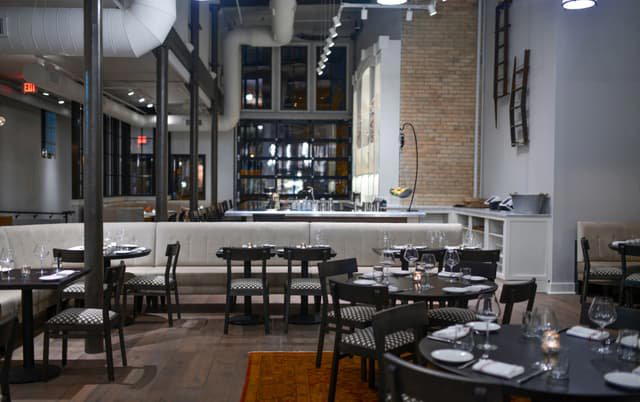
The setting inside the Nicollet Mall complex is functional rather than atmospheric. The format does most of the work, as it typically does in well-run conveyor operations: the visual rhythm of plates moving past a counter creates its own kind of engagement, one that suits a lunch crowd with limited time and a reasonable appetite for variety without deliberation. The experience here is less about the room and more about the system, which is broadly how kaiten-zushi performs in any city where it takes root.
What the Format Demands and Delivers
The conveyor format imposes its own logic on the food-and-drink relationship, and that logic is worth understanding before you arrive. In Japan's higher-end kaiten operations, the drink programme is deliberately restrained, often limited to beer, sake, and green tea, because the format assumes fast rotation and table turnover. The food drives the rhythm, not the drink order. At a Mall-adjacent property like Sushi Train, the dynamic is similar: the eating is the main event, and the drink selection, wherever it lands, is supportive rather than curatorial.
This contrasts with how cocktail-forward Japanese dining has evolved in other American cities. Venues like Kumiko in Chicago have built programmes that treat Japanese whisky and spirit-led cocktails as equal partners to the food, while Bar Leather Apron in Honolulu demonstrates how a Japanese-influenced bar culture can operate almost independently of the kitchen. The kaiten format, by design, doesn't aspire to that kind of pairing depth, and Sushi Train is positioned accordingly: it's a venue where the plates justify the visit, not the drinks list.
Nicollet Mall's Dining Ecosystem
Nicollet Mall has been Minneapolis's commercial spine for decades, though its dining mix has shifted considerably as downtown development patterns have changed. The corridor now holds a range of formats from quick-service to sit-down, serving a lunch-heavy weekday crowd and a more varied evening audience. Sushi Train occupies Suite C3, which places it within a multi-tenant commercial structure rather than a freestanding building, a configuration common to urban conveyor operations that rely on location density rather than destination dining to drive covers.
Within Minneapolis's broader dining scene, the conveyor format remains relatively uncommon. The city's Japanese dining options have typically clustered around either conventional sushi bars or ramen-focused concepts. For comparison, the neighbourhood around Nicollet Mall also holds more established name-brand spots: 112 Eatery operates in a different register entirely, with a late-night bistro format that has held critical attention for years. The 5-8 Club anchors a very different kind of Minneapolis dining tradition. Sushi Train occupies a distinct lane from both: lower commitment, faster turnover, and a format built for solo diners or small groups who want Japanese food without a reservation or a lengthy meal.
The Pairing Question at a Conveyor Counter
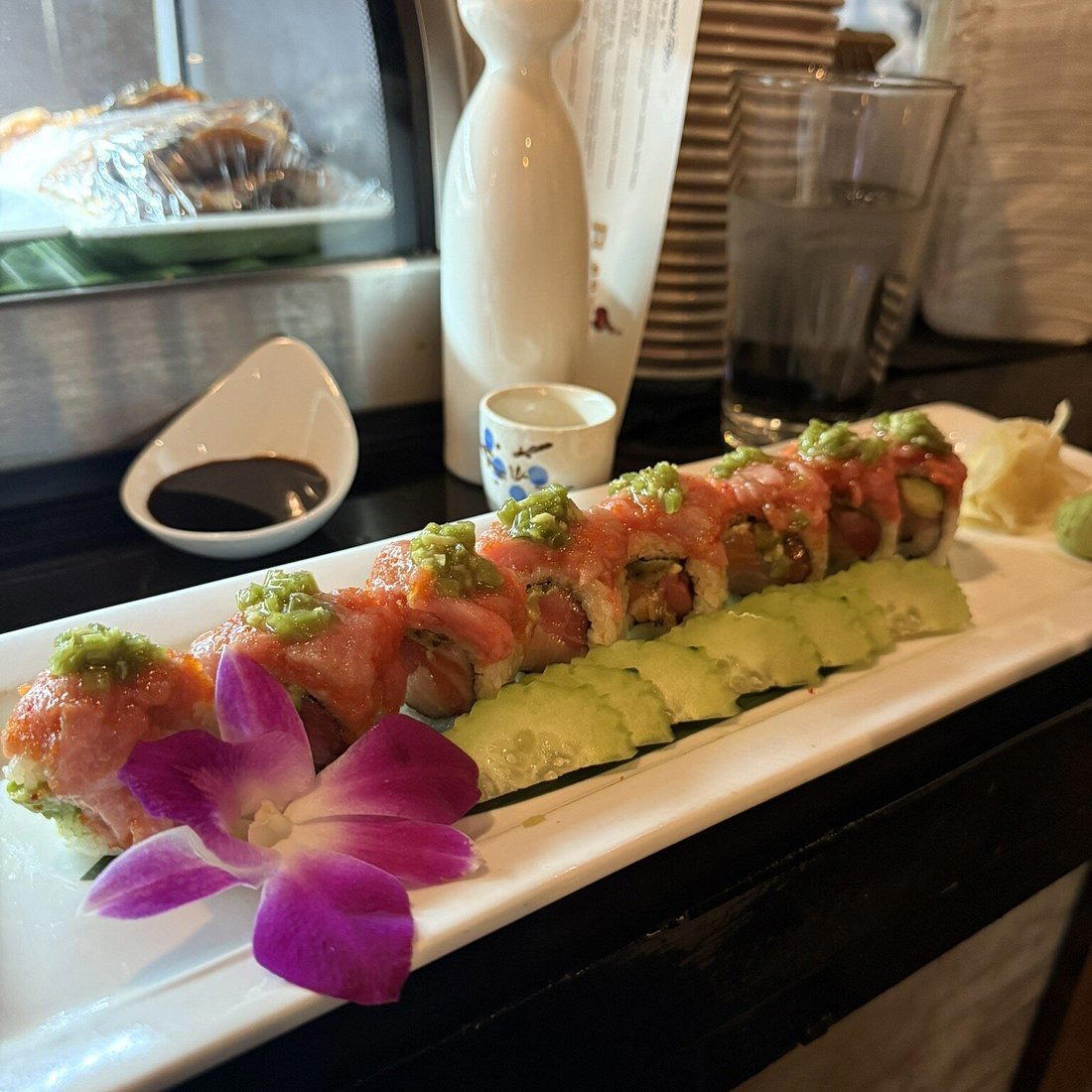
The editorial angle that most usefully frames a kaiten operation is the relationship between what moves past and what you drink alongside it. The conveyor format, by collapsing the ordering process into a visual selection exercise, also collapses the traditional pairing conversation. You are not ordering a dish and then consulting a drinks list for a complement. You are selecting plates in real time, which means your drink choice needs to be versatile enough to work across whatever combination of nigiri, rolls, and small plates you end up accumulating.
In that context, the conventional Japanese answer, cold lager or cold green tea, remains serviceable precisely because it doesn't compete with any single plate. It functions as a palate reset between selections rather than a deliberate pairing. For venues that have figured out how to make the food-drink relationship more interesting within a fast-casual format, it's worth looking at what Superbueno in New York City or ABV in San Francisco have done with bar food programmes that treat the snack and the drink as genuinely co-equal. The kaiten format doesn't naturally lend itself to that approach, but it's a useful reference point for understanding what Sushi Train is not trying to be.
For Minneapolis diners whose primary interest is in the drinks programme alongside food, venues with more developed bar food thinking, such as All Saints Restaurant or Able Seedhouse + Brewery, offer a more intentional pairing experience. Sushi Train's value is different: it's about accessibility, speed, and the specific pleasure of the moving plate.
For those interested in how cocktail-forward bar programmes handle food pairing at a higher register, the comparison set extends internationally. Jewel of the South in New Orleans, Julep in Houston, and The Parlour in Frankfurt on the Main each demonstrate how a bar's food programme can be constructed to extend the drink, rather than simply accompany it. That is a different ambition from what Sushi Train offers, and understanding the distinction is useful when setting expectations.
For a broader map of where Sushi Train fits within the city's dining options, the full Minneapolis restaurants guide covers the range from neighbourhood staples to destination formats.
Know Before You Go
What It’s Closest To
| Venue | Cuisine | Price | Awards |
|---|---|---|---|
| Sushi TrainThis venue — the venue you are viewing | This venue | $20–30 | Not listed |
| Meteor | Not listed | $20–30 | Pinnacle Guide 1 Pin |
| Francis Burger Joint | Not listed | $10–20 | Not listed |
| Broders' Pasta Bar | Not listed | $30–50 | Not listed |
| First Avenue | Not listed | $20–30 | Not listed |
Continue exploring
More in Minneapolis
Bars in Minneapolis
All bars in Minneapolis →
Restaurants in Minneapolis
All restaurants in Minneapolis →

Details
- Lively
- Modern
- Trendy
- Casual Hangout
- Group Outing
- Date Night
- Design Destination
- Standalone
- Seated Bar
- Booth Seating
- Sake
Current opening hours
- Monday
- 11:30 AM–10 PM
- Tuesday
- 11:30 AM–10 PM
- Wednesday
- 11:30 AM–10 PM
- Thursday
- 11:30 AM–10 PM
- Friday
- 11:30 AM–10:30 PM
- Saturday
- 11:30 AM–10:30 PM
- Sunday
- 12–10 PM
Hours can change for holidays and private events. Last verified .
Playful and casual with a fun, interactive dining experience as guests select dishes from the moving conveyor belt.