SUKI DESU
On East 85th Street in the Upper East Side, Suki Desu occupies a corner of Manhattan where neighborhood regulars return not for novelty but for consistency. The bar sits apart from the Lower Manhattan cocktail circuit, drawing a crowd that values a known quantity over a reservation algorithm. Its position on the UES places it in a quieter tier of New York drinking culture — deliberate, local, and resistant to trend cycles.
Pearl is the En Primeur Club membership app — saves, bookings, and concierge access live there. Same editors, same standards.
- Address
- 217 E 85th St, New York, NY 10028
- Phone
- +1 646 429 9229
- Website
- sukidesuny.com
- Directions
- Get directions
 Saves & bookings on Pearl
Upper East Side Drinking, Removed from the Hype Circuit
New York's cocktail culture has long been centered on the neighborhoods that generate the most press: the Lower East Side, the West Village, Williamsburg. The Upper East Side operates differently. At 217 E 85th Street, Suki Desu holds a position in a part of Manhattan where the regulars are not chasing the newest opening but are instead returning to something they already trust. That dynamic shapes everything about how a bar like this functions — the pacing, the crowd, the relationship between staff and guest.
The broader UES drinking scene is less documented than its downtown counterparts, but that lower profile is not a liability. Bars in this part of the city tend to build loyalty through repetition rather than spectacle, and the clientele reflects that. The person who comes in on a Tuesday is likely the same person who came in the Tuesday before. That's a different business model than the rotating-reservation bars that dominate the city's critical conversation, and it produces a different kind of atmosphere: less performative, more settled.
For context on how New York's cocktail scene breaks into tiers, see our full New York City restaurants and bars guide.
What Regulars Come Back For
In bars that cultivate a loyal clientele, the unwritten menu matters as much as the printed one. Regulars at a neighborhood bar like Suki Desu are not showing up to discover a clarified whey-washed spirit or a rotating seasonal shrub program. They are showing up because they know what they will get, because someone behind the bar knows what they drink, and because the room feels like theirs. That kind of earned familiarity is not something a new opening can manufacture — it accumulates over time.
The Upper East Side supports this pattern. It is a residential neighborhood, not a destination district, and the bars that survive here do so by becoming embedded in the daily and weekly rhythms of the people who live nearby. A bar that functions as a genuine local anchor in a neighborhood like this is operating in a tradition that predates the cocktail revival, the tradition of the neighborhood tap, where the product is partly the drink and partly the sense of belonging to a place.
Across New York, bars that have built similar regulars-first reputations include Amor y Amargo in the East Village, which has cultivated a devoted following around a narrow, amaro-focused program, and Attaboy NYC on the Lower East Side, where the absence of a printed menu puts the relationship between bartender and guest at the center of the experience. Suki Desu operates in a different register, less concept-driven, more neighborhood-integrated, but the underlying dynamic of repeat custom and earned loyalty runs through all of them.
The UES in New York's Cocktail Geography
New York's bar scene is routinely mapped by downtown precincts, but the geography of who actually drinks where is more distributed than the critical coverage suggests. The Upper East Side has a stable, high-density residential population, and the bars that serve them are not competing with the spots that appear on the North America's 50 Best Bars list. They are competing for a different kind of fidelity: the regular who stops in after work, the couple who meets there on weekends, the person who doesn't want to commute downtown for a drink.
That competitive set is less visible nationally but no less real. It includes the kind of venues that Angel's Share in the East Village once represented before it became a destination: quiet, skilled, not flashy. Superbueno, on the other end of the spectrum, has built a Latin-inflected cocktail program that draws from across the city. Suki Desu's position is neither of those, it is closer to the low-key, residential-anchored bar that a neighborhood produces when it has enough density and enough years.
Internationally, the regulars-first bar model appears in different forms. Bar Leather Apron in Honolulu has built a reputation for precisely this kind of deliberate, repeat-guest hospitality in a market that could have defaulted to tourist volume. Kumiko in Chicago cultivates a similarly intentional relationship with its regulars through a Japanese-influenced program. Even The Parlour in Frankfurt demonstrates how a neighborhood-anchored bar can hold its own against a city's more prominent drinking establishments by simply being consistent and known.
Other reference points across the United States include Jewel of the South in New Orleans, which has grounded a serious cocktail program in a neighborhood context, Julep in Houston, which has built a loyal following around Southern spirits, ABV in San Francisco, and Allegory in Washington, D.C. Each of these operates in a distinct city and tradition, but each demonstrates the same principle: bars that serve a defined community with consistency tend to outlast those that chase novelty.
Planning a Visit
Suki Desu is located at 217 E 85th Street on the Upper East Side, accessible from the 4, 5, and 6 trains at 86th Street. Given its neighborhood character, this is a bar suited to a walk-in visit rather than a reservation calculus. The surrounding blocks on the UES offer additional dining and bar options, making it a workable stop within a broader evening in the area rather than a standalone destination requiring downtown-style advance planning.
Because the venue database does not include current hours, pricing, or booking details for Suki Desu, confirming those specifics directly before visiting is advisable.
Quick reference: 217 E 85th St, New York, NY 10028, Upper East Side neighborhood bar; walk-in format; 4/5/6 train to 86th St.
Continue exploring
More in New York City
Bars in New York City
Browse all →

Restaurants in New York City
Browse all →
Hotels in New York City
Browse all →




At a Glance
- Modern
- Intimate
- Cozy
- Casual Hangout
- Seated Bar
Current opening hours
- Monday
- 11:30 AM–3 PM, 4–10 PM
- Tuesday
- 11:30 AM–3 PM, 4–10 PM
- Wednesday
- 11:30 AM–3 PM, 4–10 PM
- Thursday
- 11:30 AM–3 PM, 4–10 PM
- Friday
- 11:30 AM–3 PM, 4–10 PM
- Saturday
- 11:30 AM–3 PM, 4–10 PM
- Sunday
- 11:30 AM–3 PM, 4–10 PM
Hours can change for holidays and private events. Last verified .
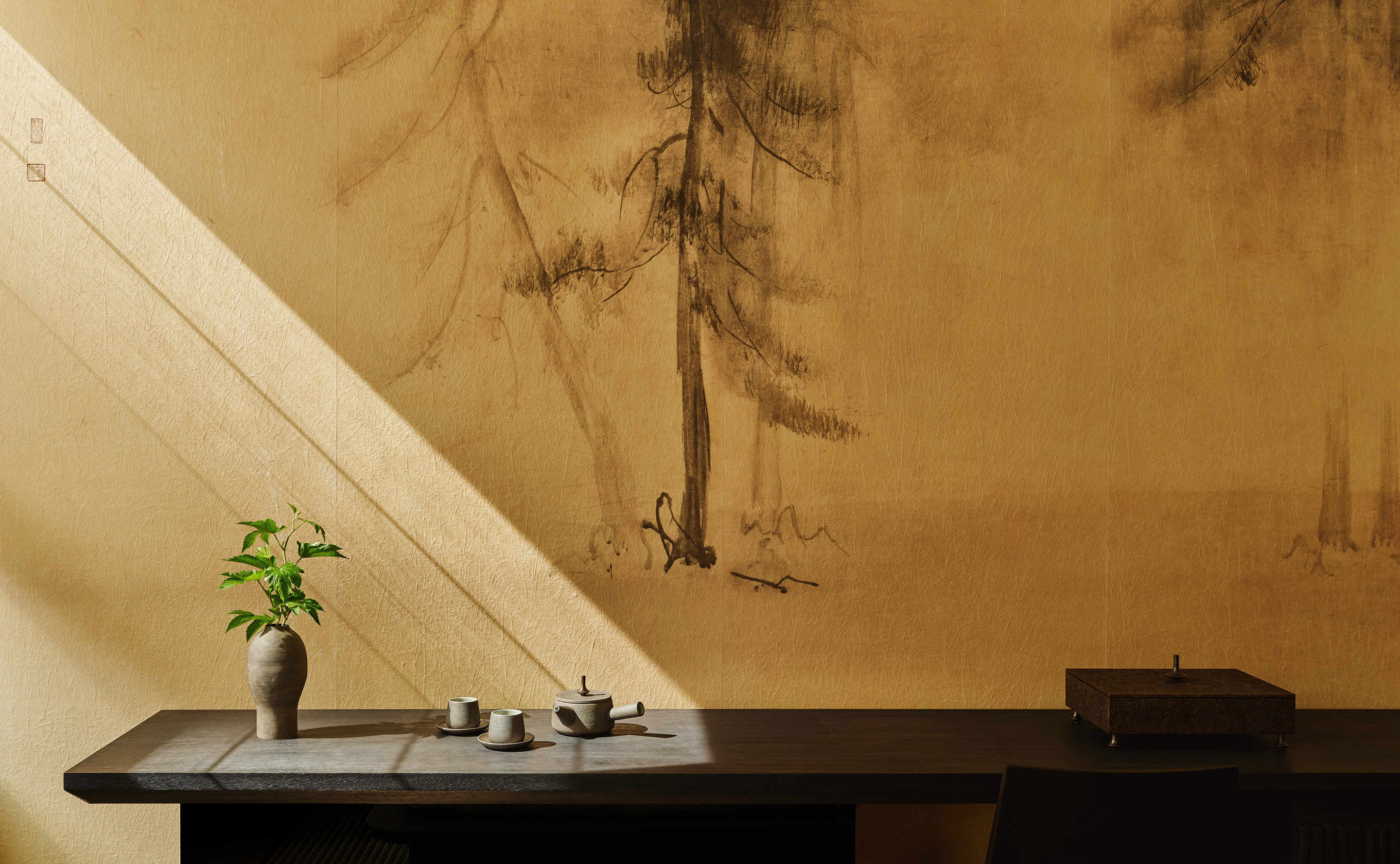
Small black box restaurant below ground with pebbled floors evoking a modern Japanese countryside haunt.
Know Before You Go
- Getting there
- 217 E 85th St, New York, NY 10028