St. Nicholas Brewing Co. MDH
St. Nicholas Brewing Co. MDH operates out of Murphysboro, Illinois, a small city in the southern part of the state where independent craft brewing has carved out a quiet but committed following. The brewery sits on North Airport Road, away from any concentrated bar district, which means the experience skews local and unhurried. For travelers moving through the region, it represents a grounded alternative to the larger brewpub formats dominating mid-sized Midwestern cities.
Pearl is the En Primeur Club membership app — saves, bookings, and concierge access live there. Same editors, same standards.
- Address
- 665 N Airport Rd, Murphysboro, IL 62966
- Phone
- +1 618 529 3142
- Website
- stnicholasbrewco.com
- Directions
- Get directions
 Saves & bookings on Pearl
Craft Beer in Southern Illinois: The Regional Context
Southern Illinois occupies an unusual position in the Midwest's drinking culture. Too far south to share Chicago's density of nationally recognized craft programs, and too far north to tap into the bourbon-and-beer corridor that defines Kentucky's border towns, the region has developed its own low-key independent scene. Murphysboro, a city of roughly 7,000 in Jackson County, sits within this stretch, and St. Nicholas Brewing Co. MDH is one of the establishments that has made a case for serious brewing attention in a geography that rarely draws it. MDH is playing a different game entirely, one defined by community rootedness rather than critical visibility.
The Address and What It Signals
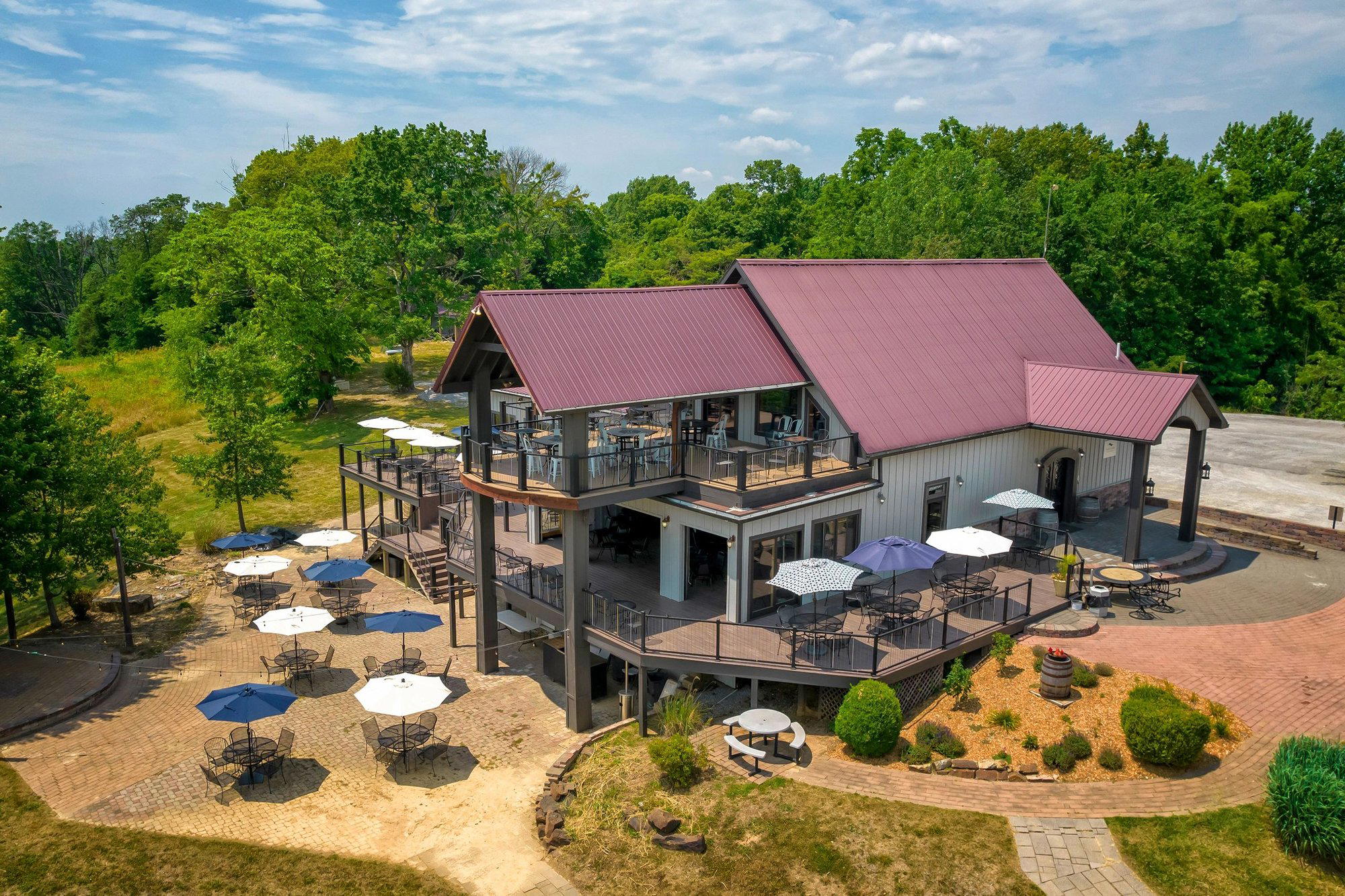
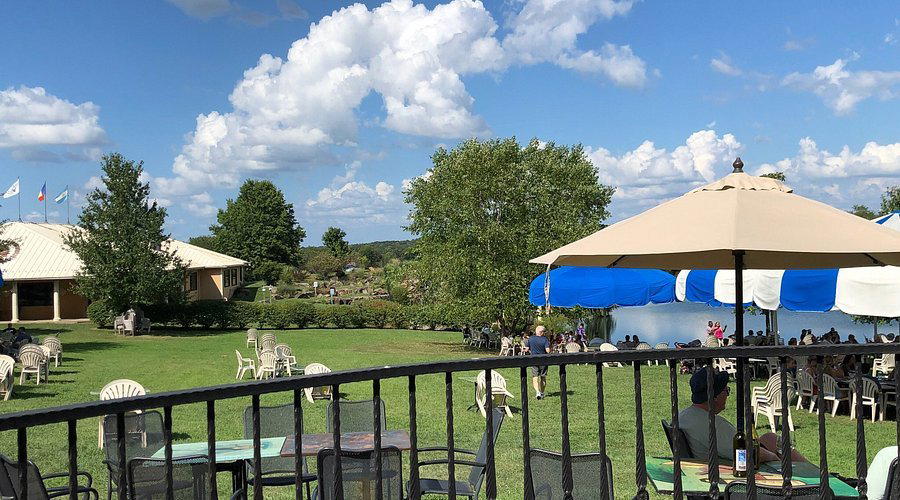
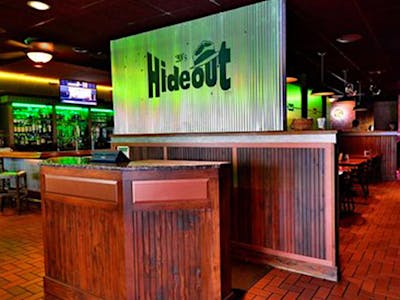
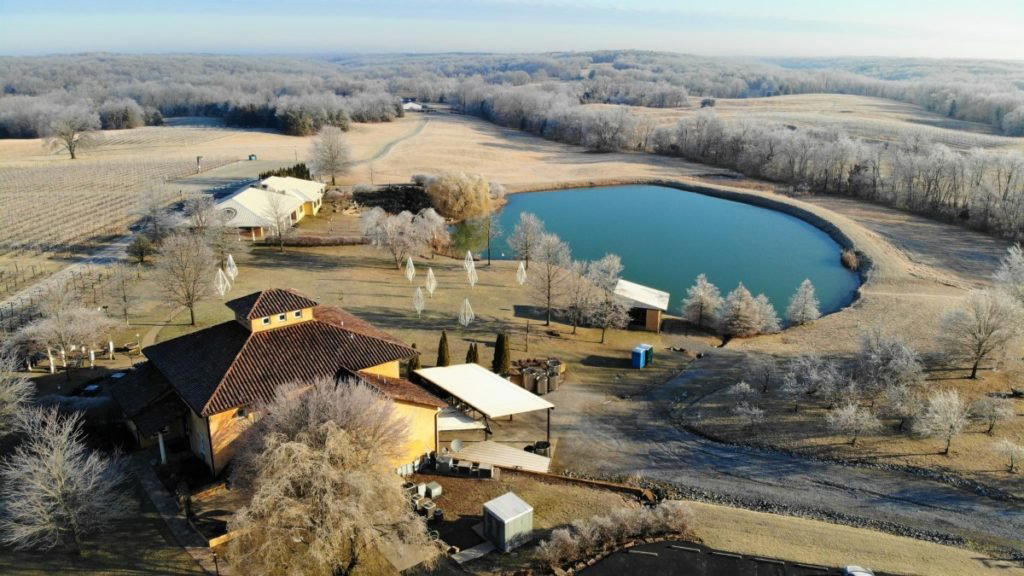
The brewery's location at 665 N Airport Road tells you something before you walk through the door. Airport Road corridors in mid-sized American cities tend to serve utilitarian purposes: light industrial units, storage facilities, regional contractors. A brewery choosing this kind of address is not positioning itself around foot traffic or a curated neighborhood identity. It is positioning itself around accessibility and space, the kind of footprint that allows for larger production vessels, a comfortable taproom layout, and parking that does not require strategic planning. Approaching from the road, the physical environment is flat and open, the surrounding land unmarked by the density that defines urban craft beer neighborhoods. What you see is functional and unfussy, which tends to be a reliable signal about what you will find inside: beer made to be consumed without ceremony, in surroundings built for comfort rather than theater.
This is a distinct format from the high-design taproom model that has dominated craft brewery openings in larger American cities over the past decade. Where bars like Allegory in Washington, D.C. or Bar Leather Apron in Honolulu invest heavily in concept-driven interiors and cocktail architecture, the regional Midwestern taproom more typically invests in the brewing equipment itself, prioritizing production quality over presentation infrastructure.
The Brewing Programme: What the Format Suggests
Craft breweries operating under names with geographic or seasonal suffixes, as the MDH designation implies a specific location or format distinction, often signal a branching of operations from a parent brewery. The MDH tag suggests this may be a secondary or specialist location, potentially focused on a different subset of the brewing range, a taproom-only format, or a production facility with limited public access hours.
Across the American Midwest, particularly compelling smaller brewery programmes have found their footing not by replicating coastal IPA saturation but by working with what the region knows: grain-forward lagers, session ales, and dark beers that connect to German and Eastern European immigrant brewing traditions embedded in the region's history. Whether St. Nicholas Brewing Co. Comparison programmes worth benchmarking against, for technical ambition in the drinks space, include Bitter and Twisted in Phoenix and Canon in Seattle, both of which demonstrate what depth of programming looks like when a drinks-led operation commits fully to range and specificity.
Placing It in the Southern Illinois Drinking Scene
The broader De Soto and Murphysboro area does not operate with the bar density of a regional hub like Carbondale, roughly twelve miles to the northeast, which benefits from Southern Illinois University's student population and the attendant appetite for hospitality variety. That distance from a university town tends to shape the character of independent operators: the audience is more consistently local, less transient, and more likely to be regulars than first-time visitors. This dynamic tends to produce drinking spaces that reward familiarity over spectacle, where the bartender knows what you drank last time and the tap list reflects accumulated local feedback rather than trend-chasing.
For travelers specifically seeking the southern Illinois craft scene, the region's most coherent hospitality pockets are within a short drive of the Shawnee National Forest, which draws outdoor recreation visitors from St. Louis and the broader Midwest, particularly in autumn when the forest's hardwood canopy turns. Timing a visit to the Murphysboro area for the fall season, roughly mid-October, aligns with peak visitor interest in the region and the likelihood that taprooms will have their broadest seasonal programming available.
Planning a Visit
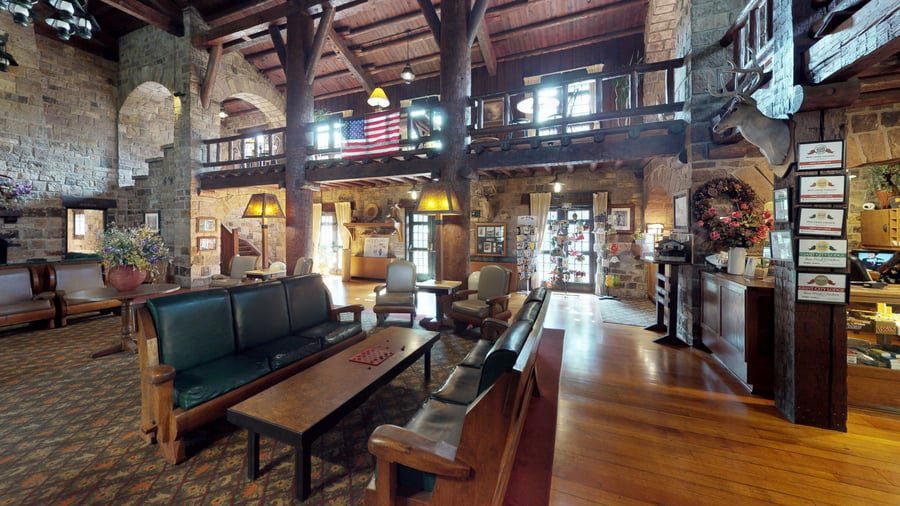
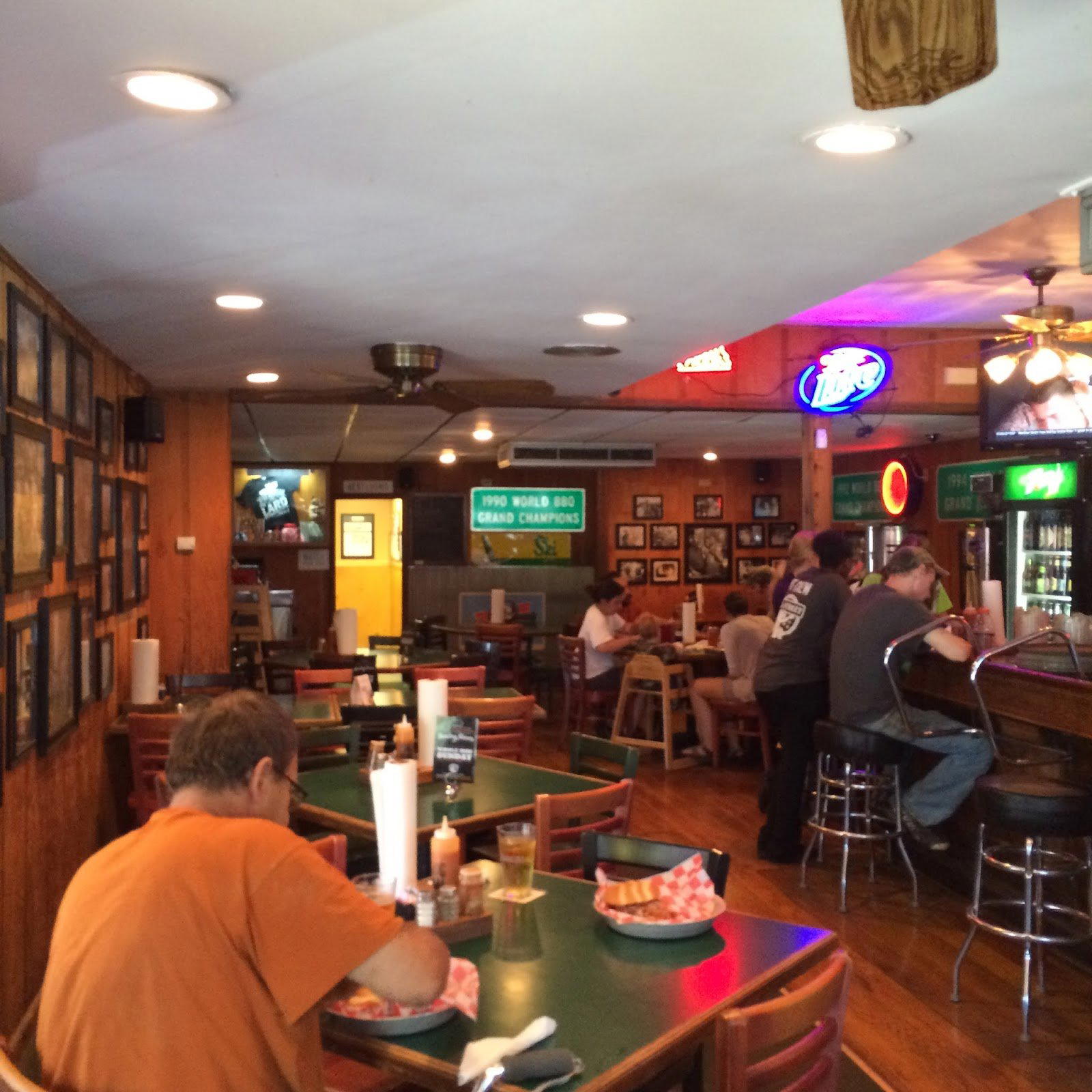
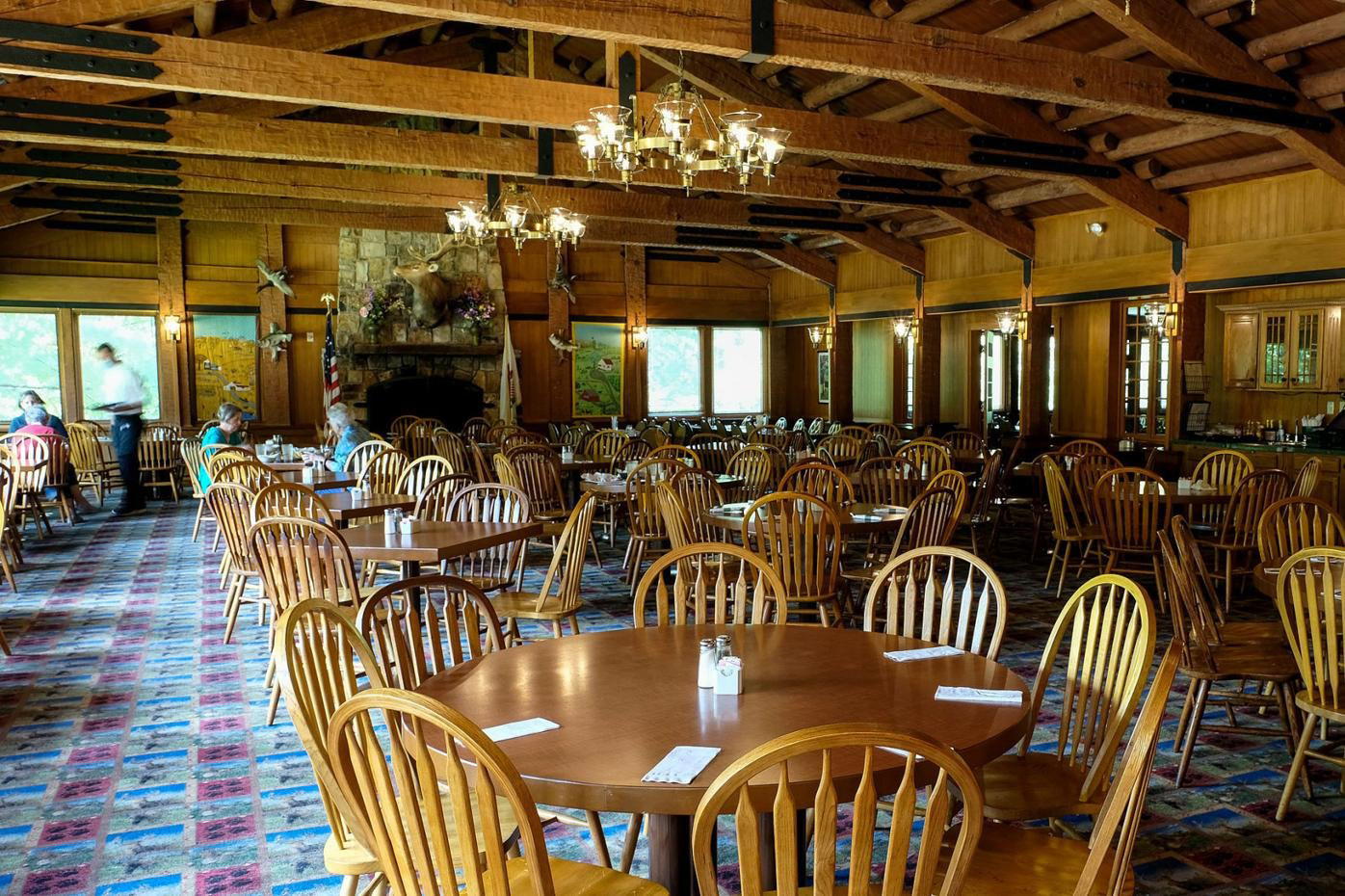
St. Nicholas Brewing Co. MDH is a casual bar where reservations are recommended and the price tier is about $25 per person. The North Airport Road address in Murphysboro is accessible by car; the location does not lend itself to walking from a hotel or town center. Visitors arriving from outside the region should treat Carbondale as the nearest town with consistent accommodation options, with Murphysboro a short drive west.
Comparable Venues
Comparable venues nearby, for context on price, style, and recognition.
| Venue | Cuisine | Price | Notes |
|---|---|---|---|
| St. Nicholas Brewing Co. MDHThis venue — the venue you are viewing | beer_bar | $$ | Not listed |
| Cody’s Public House | pub | $ | Lakeview |
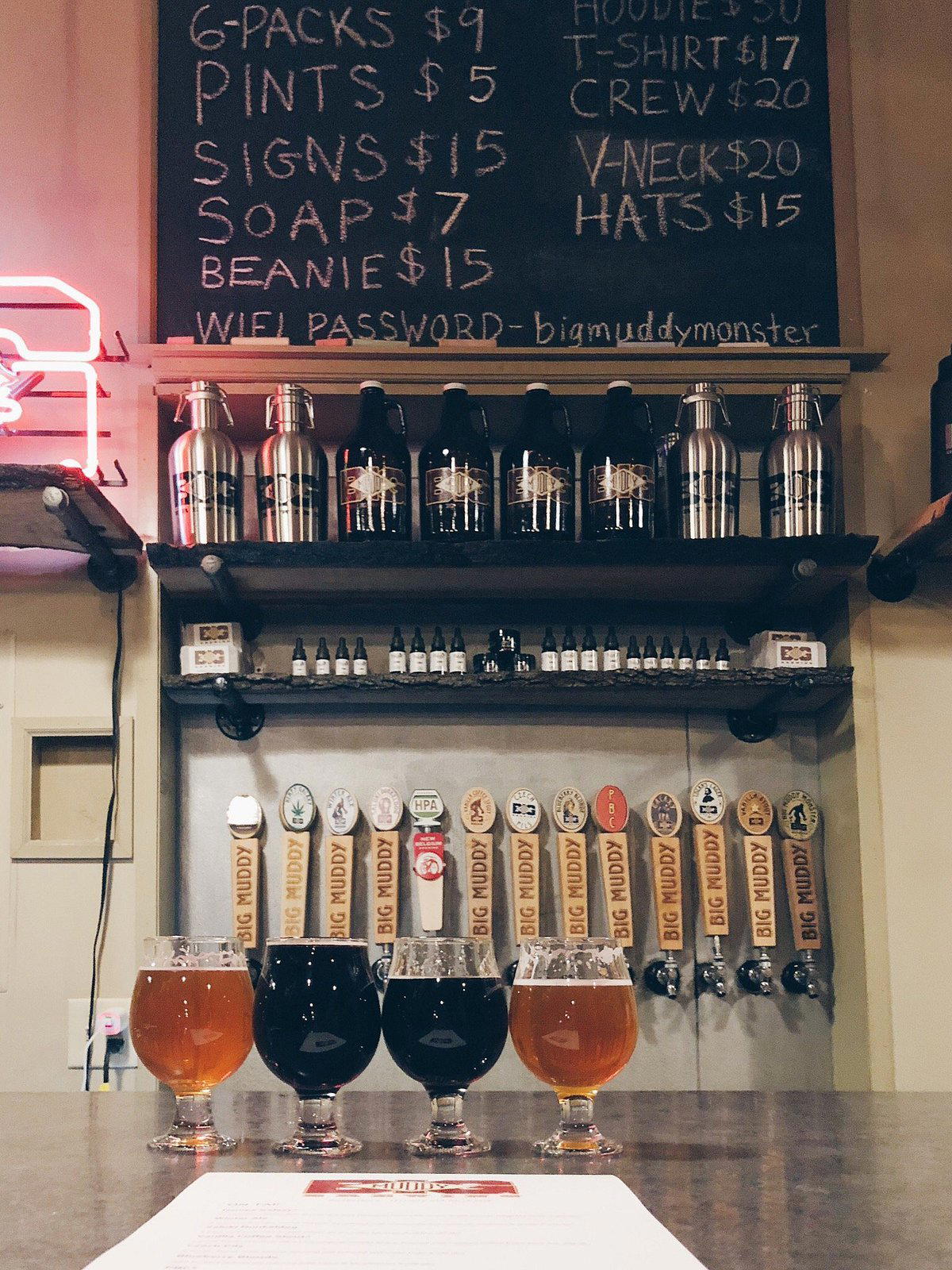
| Big Muddy Brewing | beer_bar | $$ | Murphysboro |
| Flame Bar And Grill | pub | $$ | Downtown |
| Ipsento 606 | cocktail_bar | $$ | Bucktown |
| Mild 2 Spicy – Modern Indian Restaurant | cocktail_bar | $$ | Lakeview |
At a Glance
- Lively
- Rustic
- Well Known
- Casual Hangout
- Group Outing
- Celebration
- Historic Building
- Standalone
- Live Music
- Seated Bar
- Lounge Seating
- Craft Beer
- Craft Cocktails
Current opening hours
- Monday
- Closed
- Tuesday
- 11 AM–9 PM
- Wednesday
- 11 AM–9 PM
- Thursday
- 11 AM–9 PM
- Friday
- 11 AM–9 PM
- Saturday
- 11 AM–9 PM
- Sunday
- 11 AM–4 PM
Hours can change for holidays and private events. Last verified .
Casual airport terminal brewery with a fun, welcoming atmosphere celebrating aviation and craft beer culture.