Mild 2 Spicy – Modern Indian Restaurant
The name signals the kitchen's core logic: spice as a calibrated variable rather than a fixed setting. It sits in a neighborhood that rewards restaurants willing to hold a clear point of view.

Pearl is the En Primeur Club membership app — saves, bookings, and concierge access live there. Same editors, same standards.
- Address
- 714 W Diversey Pkwy, Chicago, IL 60614
- Phone
- (773) 661-6778
- Hours
- Daily 12–10 PM
- Website
- mild2spicy.net
- Directions
- Get directions
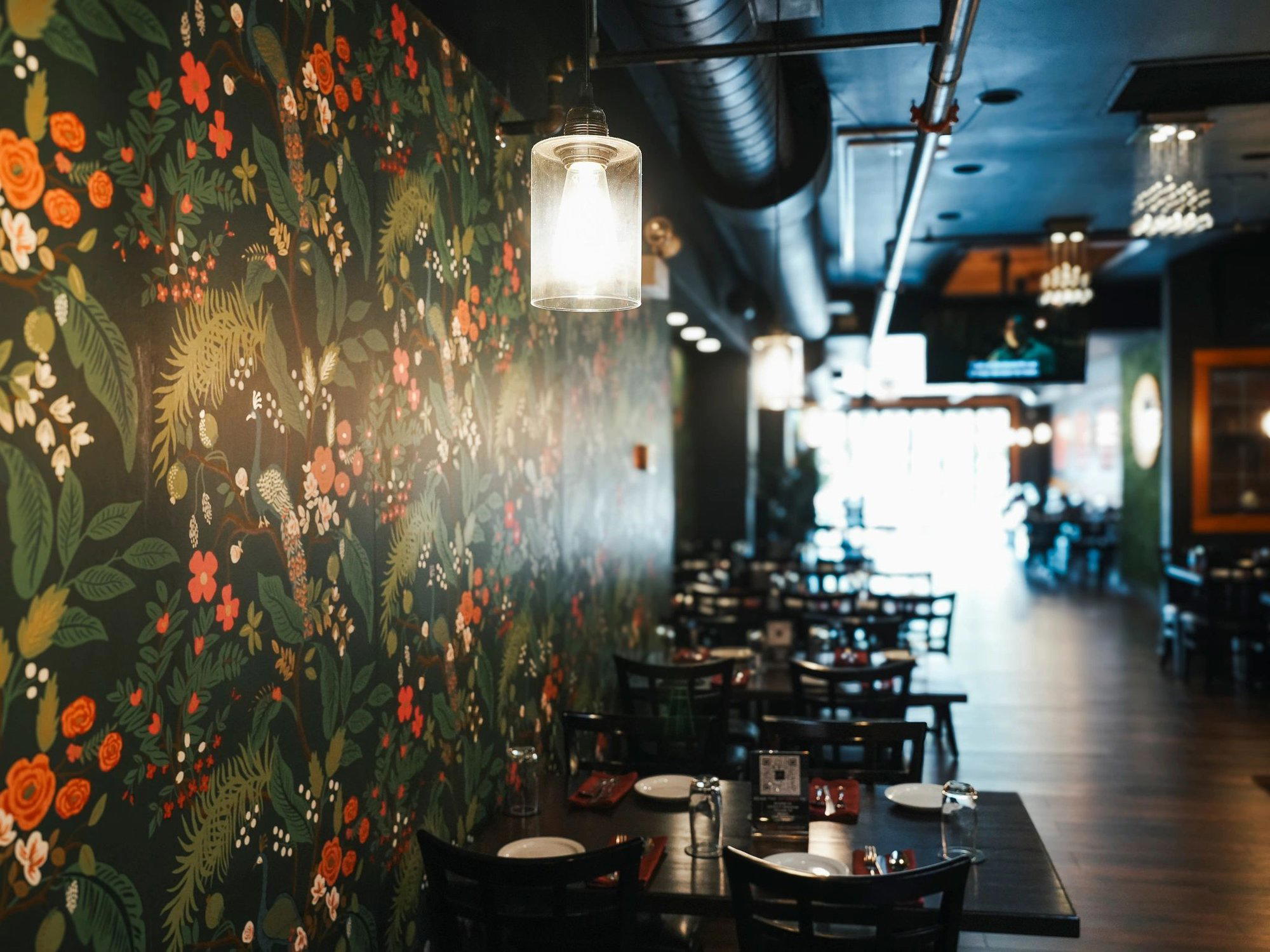
Lincoln Park's Indian Dining Scene, and Where Mild 2 Spicy Fits
Chicago's Indian restaurant market has long been bifurcated between the Devon Avenue corridor in the north, which functions as the city's subcontinental main street, and scattered contemporary operators who have moved the cuisine into neighborhoods where the dining expectation is closer to a chef-driven American bistro than a community canteen. The second category has been growing. Diners on the North Side increasingly encounter Indian kitchens framing their menus around specific regional identities, sourcing transparency, or spice calibration as a considered cooking variable rather than a blunt heat dial. The name itself is a position statement: the kitchen treats spice as a spectrum to be controlled, not a default setting inherited from the genre.
The Ingredient Logic Behind Modern Indian Cooking
The framing of modern Indian restaurants in American cities typically hinges on one of three arguments: regional specificity (Chettinad versus Punjabi versus Keralan), technique (tandoor sourcing, fermentation), or ingredient provenance. The third has become increasingly central to how serious subcontinental kitchens distinguish themselves from mid-market competitors whose supply chains are largely interchangeable.
Indian cooking is, by structural nature, an ingredient-intensive cuisine. The aromatic base of most preparations, whether a south Indian tempering of mustard seed and curry leaf or a north Indian masala built from cumin, coriander, and dried chili, depends on the quality and age of each component. Old, poorly stored whole spices produce flat, one-dimensional heat. Fresh, correctly sourced spices carry volatile oils that behave differently at each stage of cooking, blooming in fat, releasing in liquid, and finishing with a complexity that can't be replicated by substitution.
This is the ingredient argument that modern Indian operators in American cities have been making for the past decade, and it represents a genuine shift in how the cuisine is consumed outside India. The shift is visible in cities from New York to Houston to San Francisco, where a wave of operators has moved Indian cooking into the same sourcing conversation that already surrounds Japanese, Italian, and French food in America. Chicago has followed that pattern more slowly than coastal cities, which makes the presence of operators like Mild 2 Spicy on a Lincoln Park side street a marker of where the local scene is heading. That demographic tends to be more exacting over time, not less, which is a useful pressure on a kitchen trying to hold a consistent identity.
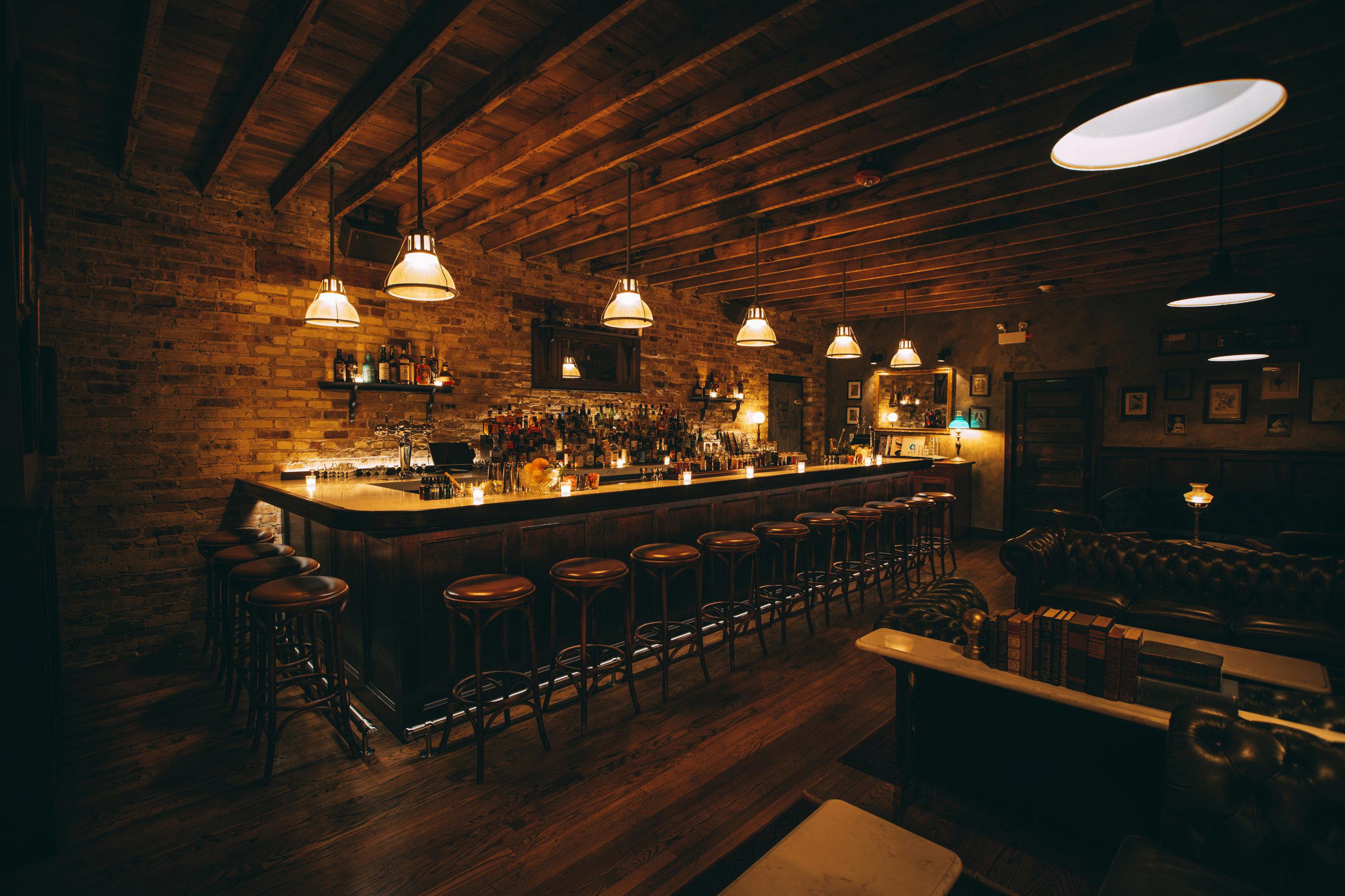
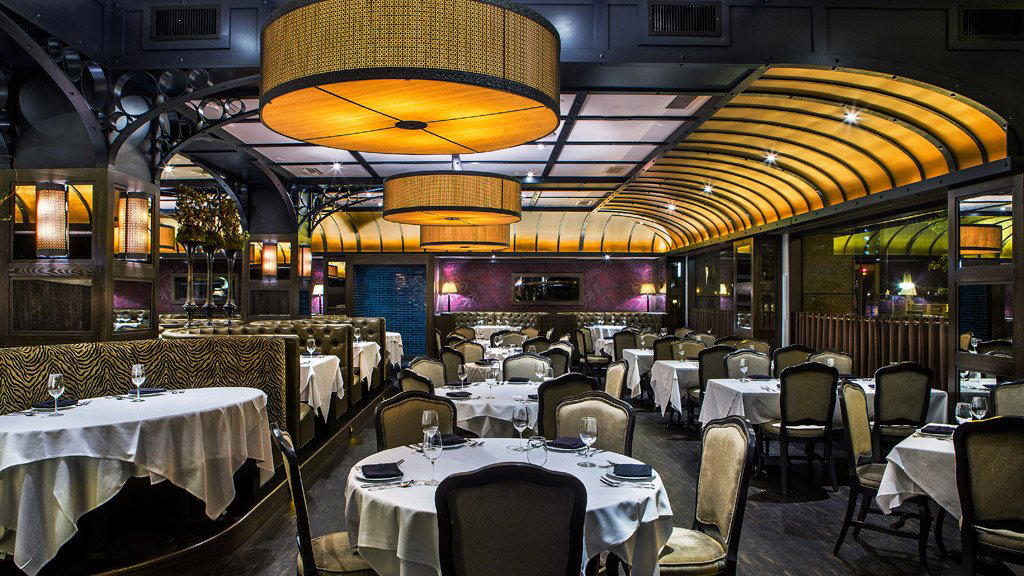
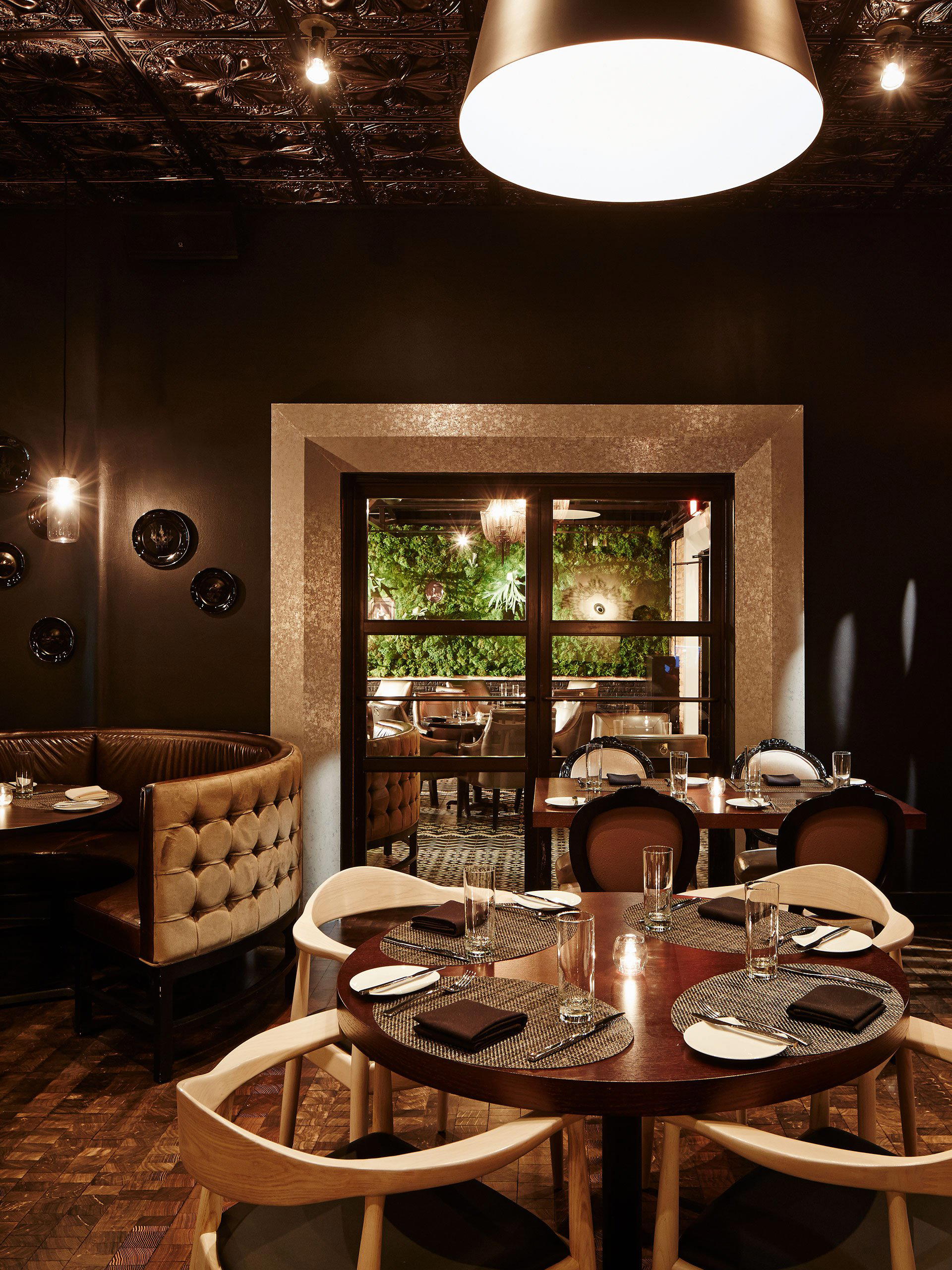
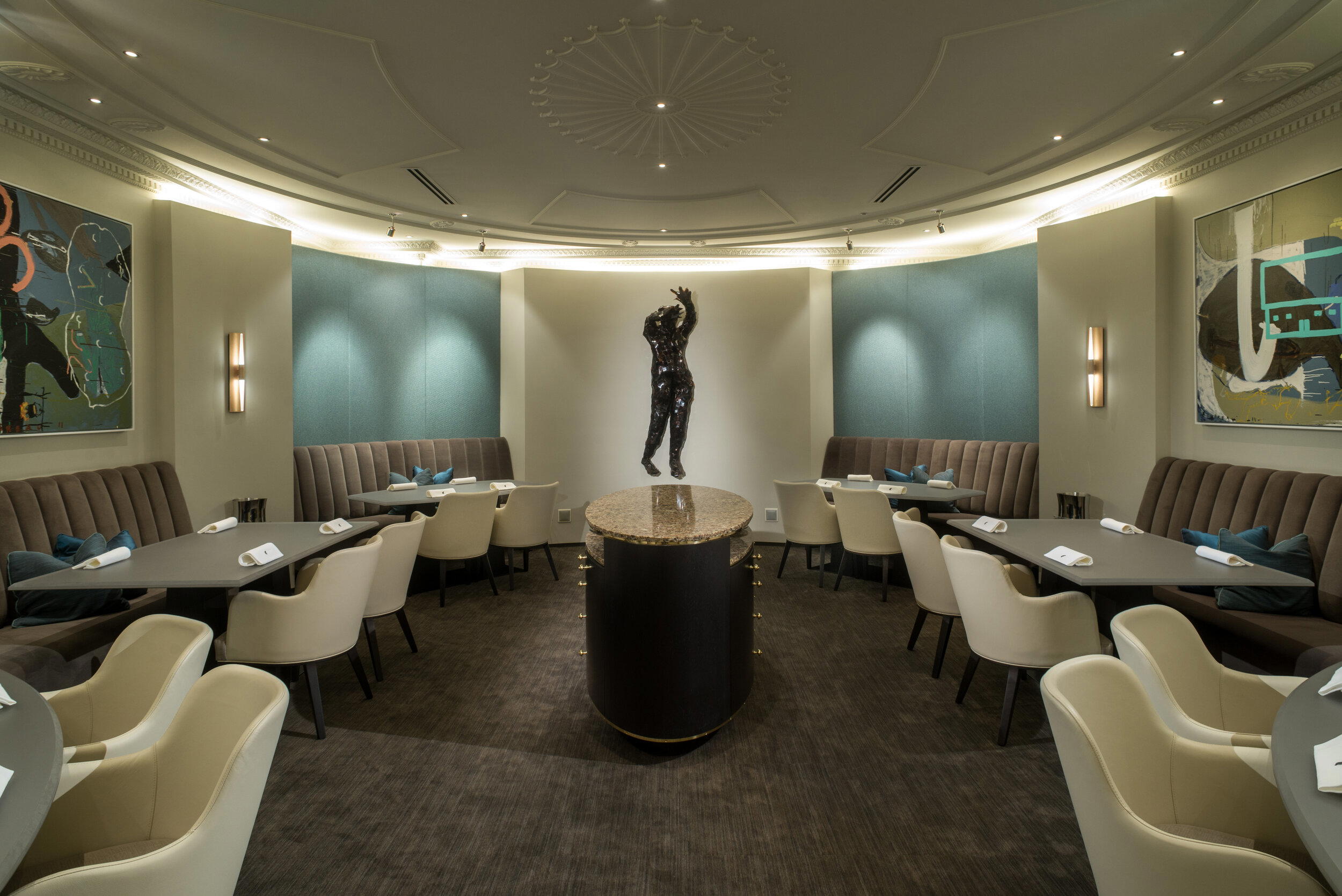
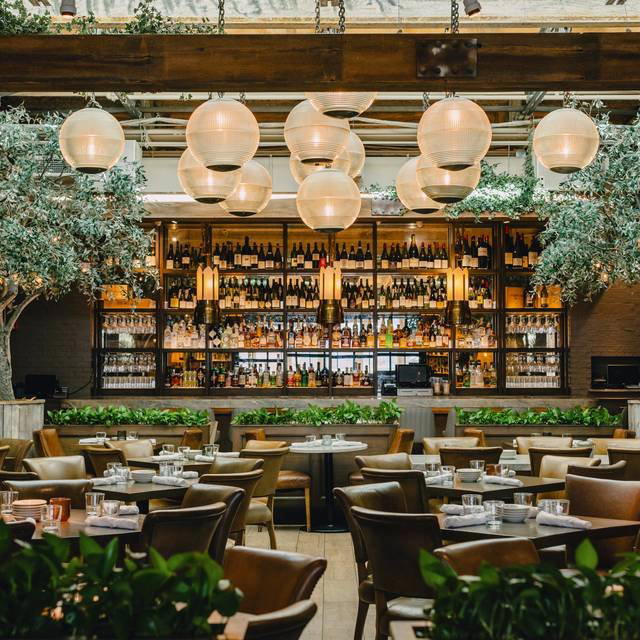
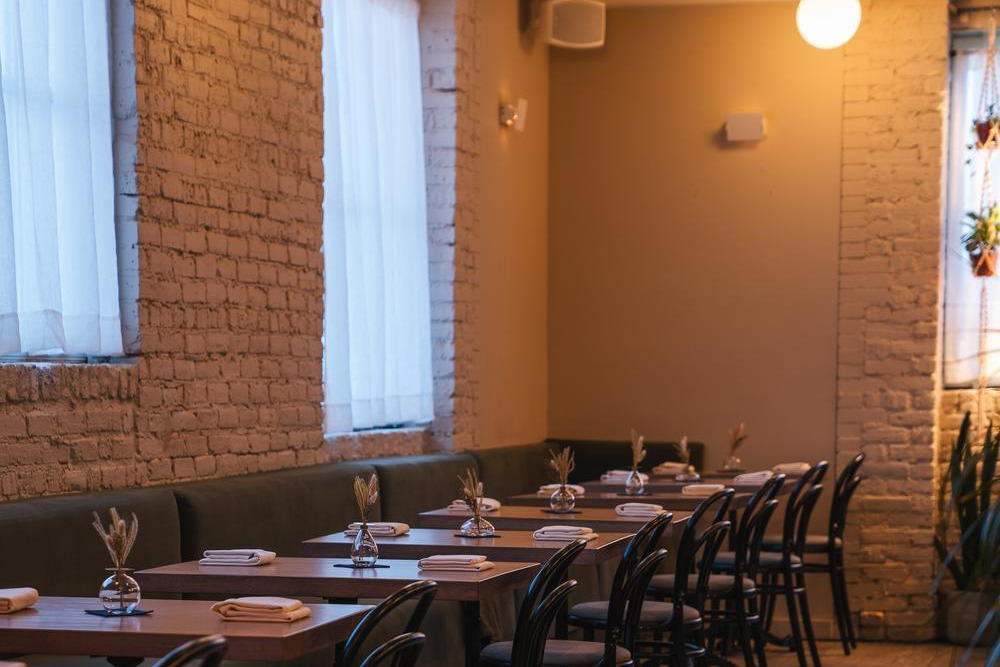
The "modern" qualifier in the restaurant's name signals an interior and service approach that departs from the traditional subcontinental format, which in many American cities still defaults to banquet-hall seating, buffet adjacency, and décor that prioritizes capacity over atmosphere. A modern Indian room, by contrast, tends to compress seat count, invest in lighting and material, and frame the dining experience around the plate rather than the quantity.
Chicago's Cocktail Context
Any contemporary restaurant operating in Lincoln Park sits within reach of Chicago's developed cocktail bar ecosystem, which sets a reasonably high bar for beverage programs across the board. Venues like Kumiko and Leading Intentions have established what a serious Chicago bar program looks like, and newer operators like Bisous and Lemon continue to move the category forward. For an Indian restaurant competing in that environment, the drinks list carries more weight than it would in a market where cocktail culture is less developed.
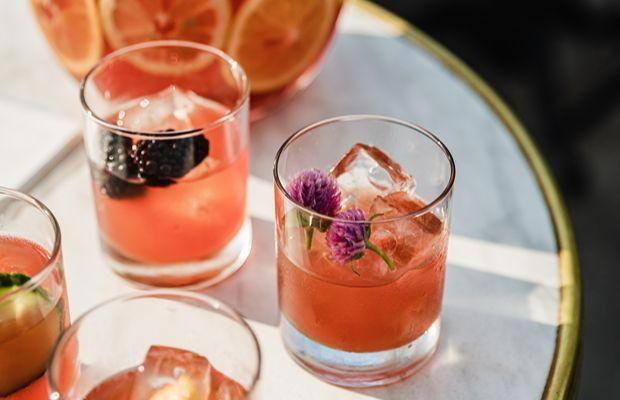
Spice-forward Indian cooking offers a legitimate platform for cocktail integration. Cardamom, tamarind, mango, and dried chili all behave well in spirit-based drinks, and the leading modern Indian beverage programs use those ingredients as primary flavors rather than novelty garnishes. How a kitchen sources its spices for cooking and whether that same sourcing logic extends to the bar is one useful measure of how seriously a restaurant takes its ingredient argument. The same conversation about provenance and freshness that applies to a masala applies to a cocktail built around toasted cumin or fresh curry leaf.
For readers interested in how cocktail culture translates across cities, it is worth noting that the sourcing-led approach visible in Chicago has parallels in programs at Bar Leather Apron in Honolulu, Jewel of the South in New Orleans, Julep in Houston, Superbueno in New York City, ABV in San Francisco, Allegory in Washington, D.C., and The Parlour in Frankfurt on the Main, each operating in markets where ingredient specificity has become a baseline expectation rather than a differentiator.
How It Compares Within the Chicago Indian Scene
Chicago's modern Indian tier is smaller than the equivalent in New York or the Bay Area but is developing in a recognizable direction. Devon Avenue remains the gravitational center for traditional subcontinental cooking, with operators spanning Gujarati vegetarian, Punjabi, and South Indian formats across a concentrated corridor. The newer wave of operators has dispersed into neighborhoods like Lincoln Park, Wicker Park, and the West Loop, bringing Indian cooking into competitive adjacency with the broader restaurant market rather than within an ethnic enclave.
For a full picture of where this restaurant sits within Chicago's broader dining options, see our full Chicago restaurants guide.
Budget Reality Check
Comparable venues nearby, for context on price, style, and recognition.
| Venue | Cuisine | Price | Notes |
|---|---|---|---|
| Mild 2 Spicy – Modern Indian RestaurantThis venue — the venue you are viewing | Not listed | $20–30 | Not listed |
| Estereo | Not listed | $20–30 | Logan Square, cocktail_bar |
| Common Decency | Not listed | $20–30 | Logan Square, cocktail_bar |
| Wild Goose Bar & Grill | Not listed | Not listed | Lincoln Square, sports_bar |
| Paulie Gee's Logan Square | Logan Square, pub | $20–30 | Not listed |
| The Walk In | Not listed | $20–30 | Logan Square, cocktail_bar |
Details
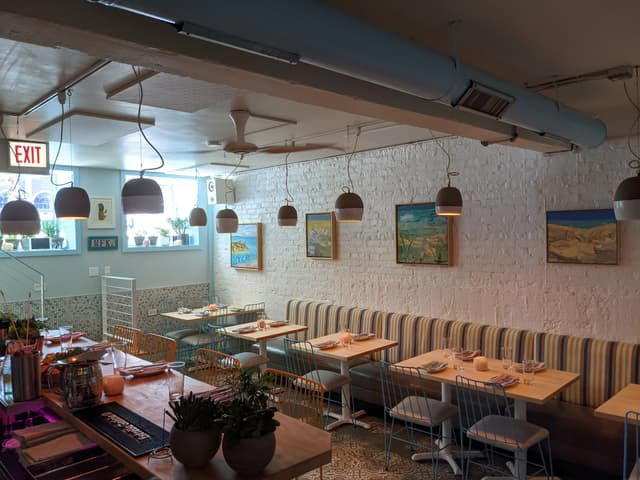
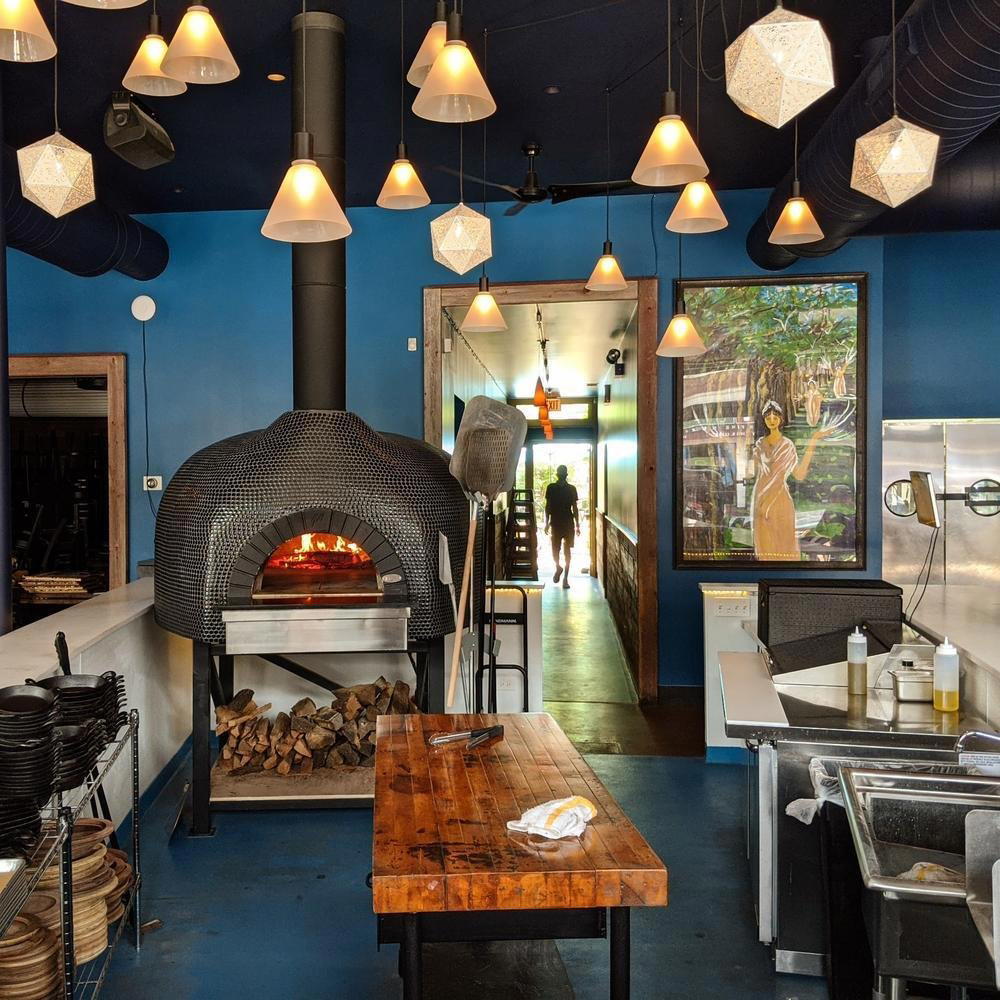
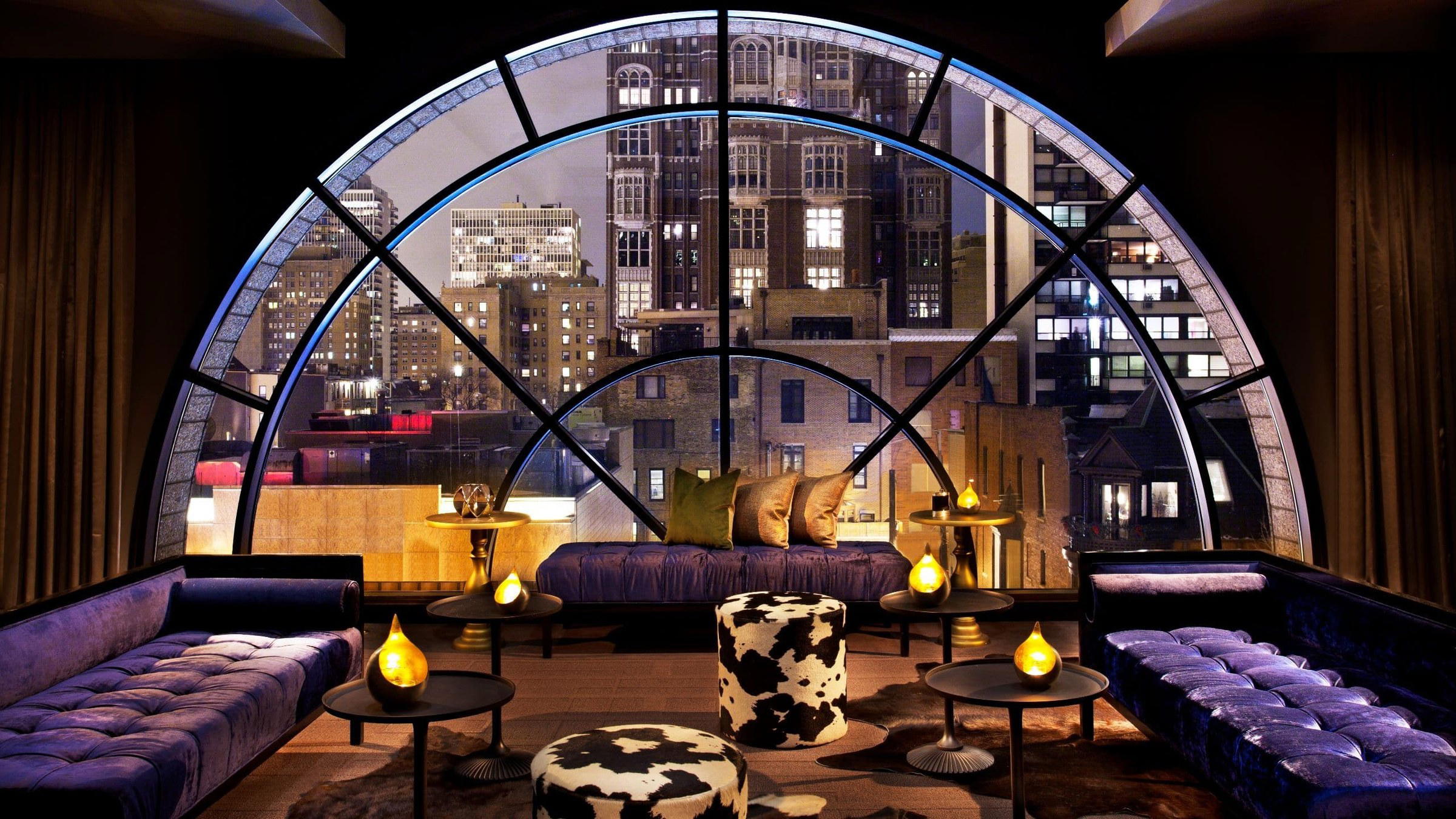
- Modern
- Trendy
- Casual Hangout
- Group Outing
- Standalone
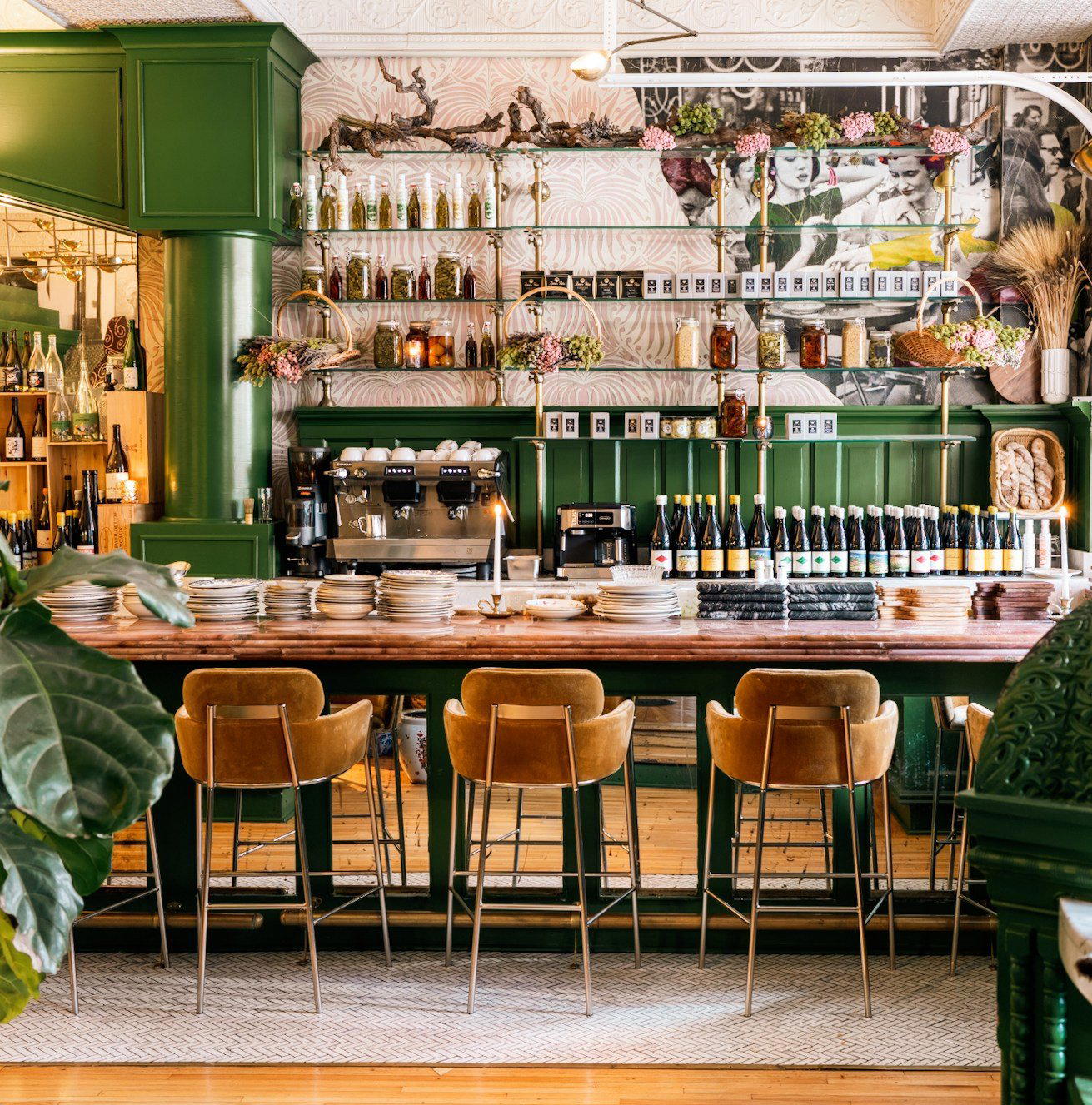
- Seated Bar
- Lounge Seating
- Craft Cocktails
Current opening hours
- Monday
- 12–10 PM
- Tuesday
- 12–10 PM
- Wednesday
- 12–10 PM
- Thursday
- 12–10 PM
- Friday
- 12–10 PM
- Saturday
- 12–10 PM
- Sunday
- 12–10 PM
Hours can change for holidays and private events. Last verified .
Modern setting with classic Indian dishes and cocktails.