Giant City State Park Lodge & Restaurant
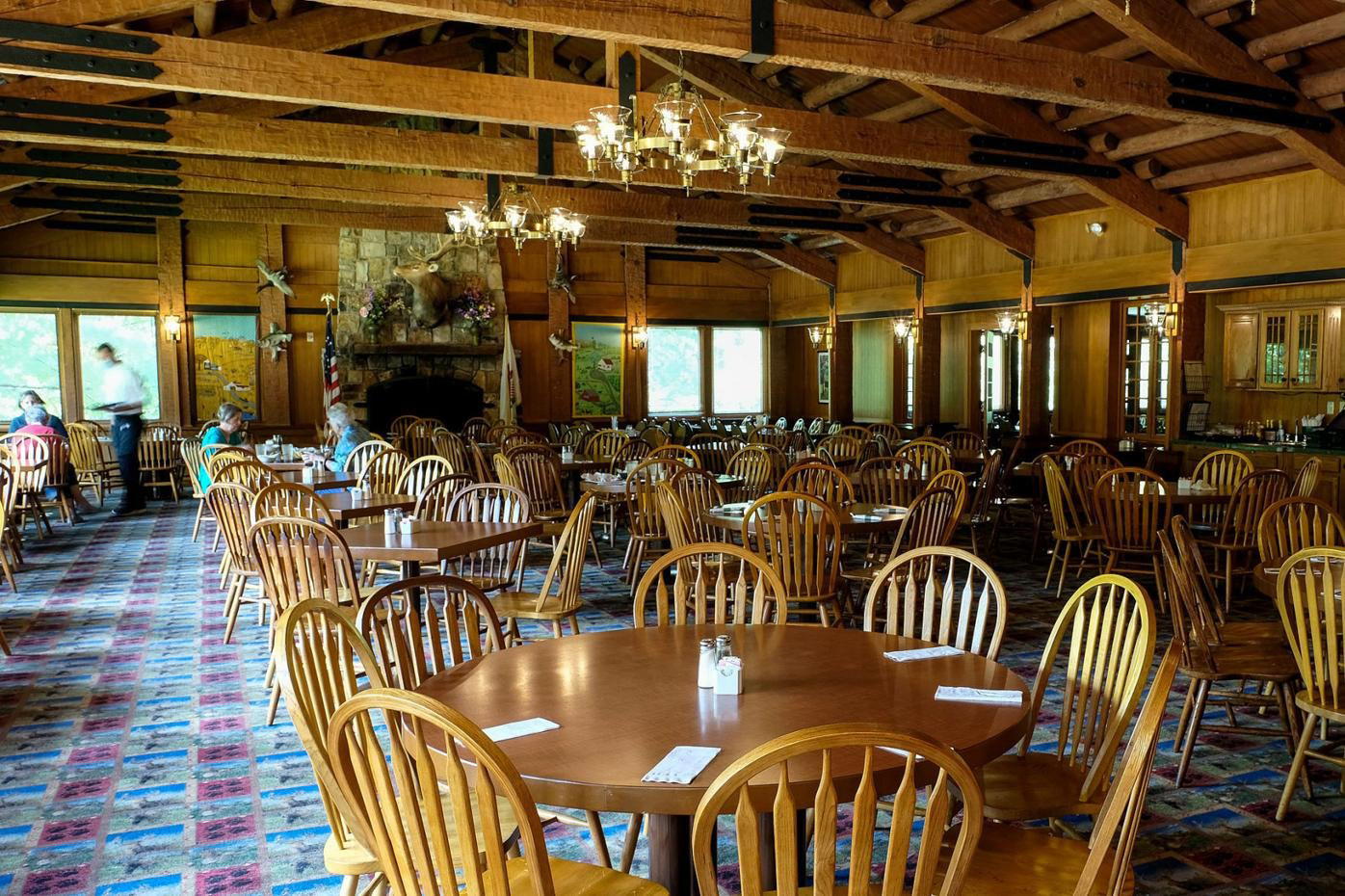
Giant City State Park Lodge & Restaurant sits inside a Southern Illinois state park defined by sandstone bluffs and second-growth hardwood forest, placing it in a small category of New Deal-era lodge properties where the architecture and the landscape are inseparable. The dining room extends that logic, drawing visitors who come as much for the setting as the table. It occupies a distinct niche in the region's lodging options.
Pearl is the En Primeur Club membership app — saves, bookings, and concierge access live there. Same editors, same standards.
- Address
- 460 Giant City Lodge Rd, Makanda, IL 62958
- Phone
- +1 618 457 4921
- Website
- giantcitylodge.com
- Directions
- Get directions
 Saves & bookings on Pearl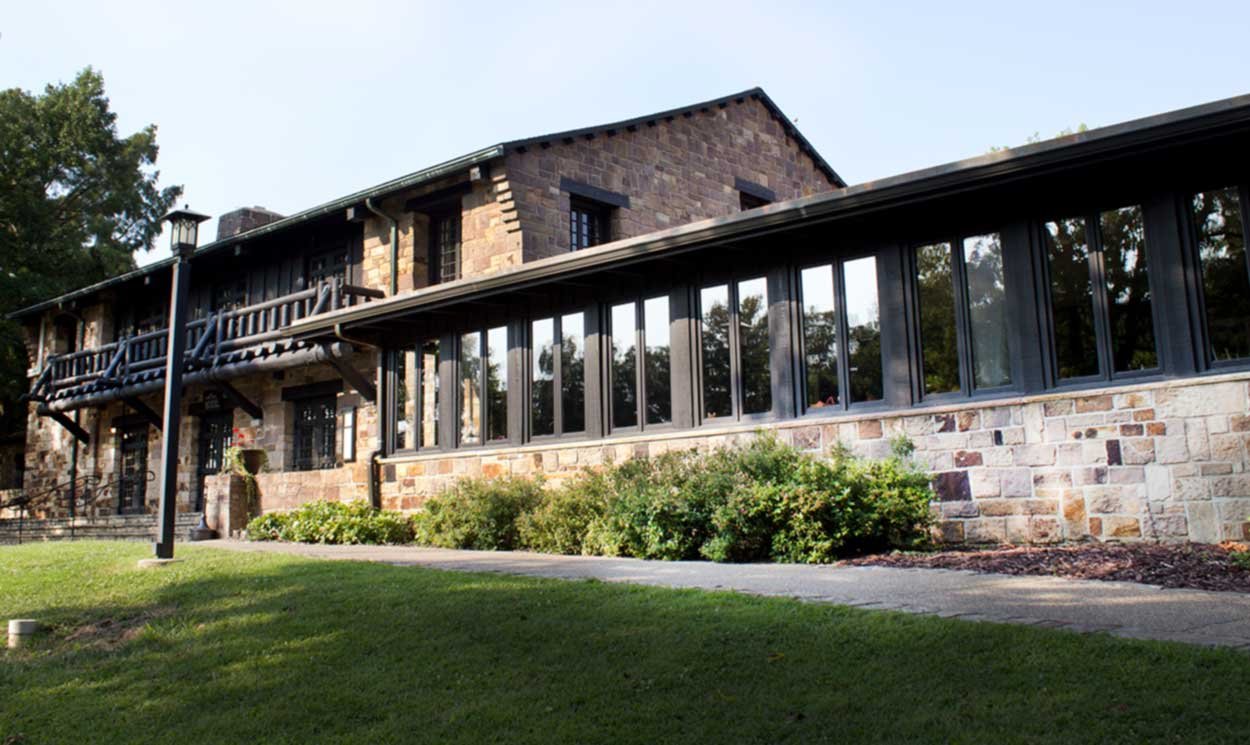
Stone, Timber, and the Logic of the New Deal Lodge
A particular strain of American public architecture reached its fullest expression in the 1930s, when the Civilian Conservation Corps built lodges, shelters, and recreational structures across the national and state park systems. The guiding principle was deliberate integration: the building should read as an extension of its site, not an imposition on it. Giant City State Park Lodge, at 460 Giant City Lodge Rd in Makanda, Illinois, belongs to that tradition in its most intact form. The sandstone used in its walls was quarried from the same geological formations that define the park itself, the same bluff-face rock that gives the park its name, where ancient stress fractures left city-block-scale columns of stone standing in the forest. Arriving at the lodge, the material continuity between building and landscape is immediate and legible.
That design logic is increasingly rare. Across the broader category of nature-integrated lodging, properties like Amangiri in Canyon Point or Ambiente, A Landscape Hotel in Sedona, contemporary operators spend considerable effort and capital achieving what the CCC achieved by necessity: sourcing local materials, respecting site topography, and subordinating building form to natural context. The Giant City lodge did this without a design brief or an architecture firm. It did it because the workers building it were also living inside the landscape, and the materials were what the land provided.
Where the Lodge Sits in Southern Illinois Hospitality
The Cobden District of Southern Illinois, sometimes called Little Egypt, the regional designation covering the southernmost counties of the state, operates at significant remove from the state's metropolitan hospitality markets. Chicago's premium lodging tier, represented by properties like the Chicago Athletic Association, runs on corporate travel, convention demand, and urban tourism. The lodging culture around Giant City State Park answers a different demand: visitors arriving for trail access, rock climbing on the park's sandstone formations, and the particular atmosphere of the Shawnee National Forest corridor.
Within that regional context, state park lodge properties occupy a specific position. They are not boutique hotels competing on design curation the way Troutbeck in Amenia does, nor are they full-service resort complexes like Canyon Ranch Tucson. They function as the primary accommodation infrastructure for state park systems, which means they carry a public-access mandate that shapes everything from pricing philosophy to facility scale. For visitors, that mandate translates to accessibility, the lodge and its restaurant serve both overnight guests and day visitors arriving from across Southern Illinois.
The property's cabin accommodations follow the same CCC-era construction logic as the main lodge, placing it in a category of American hospitality where historical continuity is itself a distinguishing feature. Compare this to the deliberate heritage framing of Blackberry Farm in Walland or the working-farm integration of SingleThread Farm Inn in Healdsburg, properties that have built premium positioning around rootedness in place. At Giant City, that rootedness predates the premium hospitality conversation by eight decades.
The Restaurant in Context
State park lodge restaurants occupy an underexamined position in American regional dining. They are not destination restaurants in the sense that Auberge du Soleil in Napa or Bernardus Lodge & Spa in Carmel Valley anchor dining reputations to their properties. Instead, they serve a mixed audience of park visitors and overnight guests, which shapes both format and menu approach. The Giant City lodge restaurant has maintained a regional comfort food orientation over its decades of operation, with fried chicken cited consistently as its signature draw, a dish that connects to the broader Southern Illinois food culture, which shares more with Kentucky and Tennessee than with Chicago.
That regional specificity matters. Properties like Sage Lodge in Pray or Post Ranch Inn in Big Sur build dining programs around landscape-driven sourcing and fine dining ambition. The Giant City restaurant sits at a different point on that spectrum, where the draw is familiarity and accessibility rather than tasting menus or wine programs. For visitors arriving after a morning on the park's Devil's Standtable trail, that distinction is the correct one.
For broader context on Southern Illinois dining options and regional food culture, our full Cobden District 1 restaurants guide maps the area's range from farm-to-table operations to long-standing regional staples.
Planning a Visit
Giant City State Park is located in Makanda, Illinois, in the Shawnee Hills wine trail corridor, roughly 10 miles south of Carbondale. The lodge property sits within the state park boundaries, which means access to the dining room and cabin accommodations is tied to the park's operating calendar. Illinois state parks are managed by the Illinois Department of Natural Resources, and lodge reservations run through the state's reservation system. For visits to the restaurant without an overnight stay, the dining room is recommended for lunch and dinner, making it accessible as a midpoint stop for visitors moving through the Shawnee National Forest. The surrounding region draws most of its visitors in fall, when the hardwood canopy across the Shawnee Hills turns, and in spring for wildflower season on the forest floor, timing a visit to either window places the lodge's stone architecture and forested setting in their strongest seasonal register.
Comparable Venues
Comparable venues nearby, for context on price, style, and recognition.
| Venue | Cuisine | Price | Awards | Notes |
|---|---|---|---|---|
| Giant City State Park Lodge & RestaurantThis venue — the venue you are viewing | Historic state park lodge built by CCC in 1930s | $$ | Not listed | Not listed |
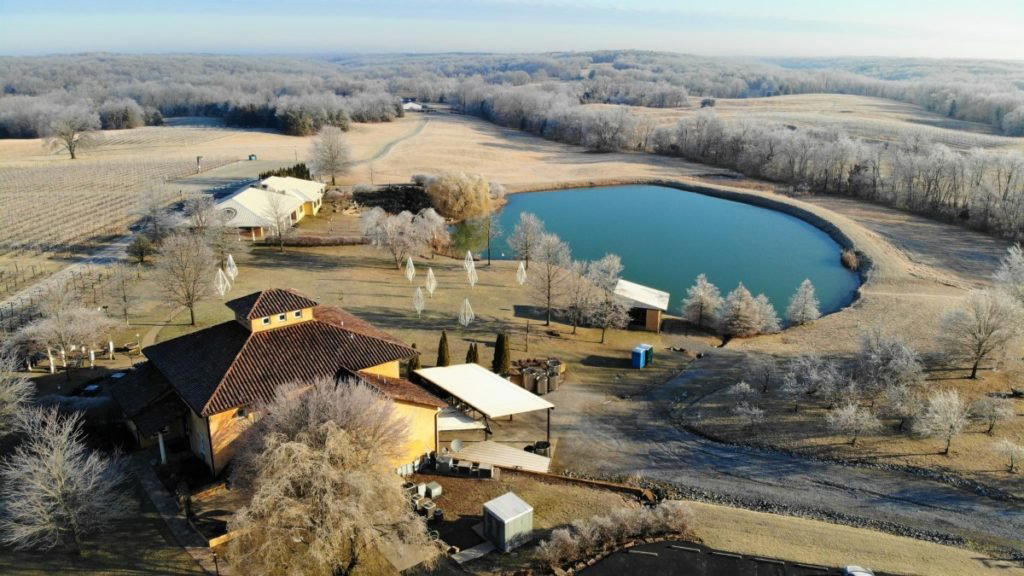
| Blue Sky Vineyard | vineyard retreat suites | $$$ | Not listed | Lick Creek Precinct |
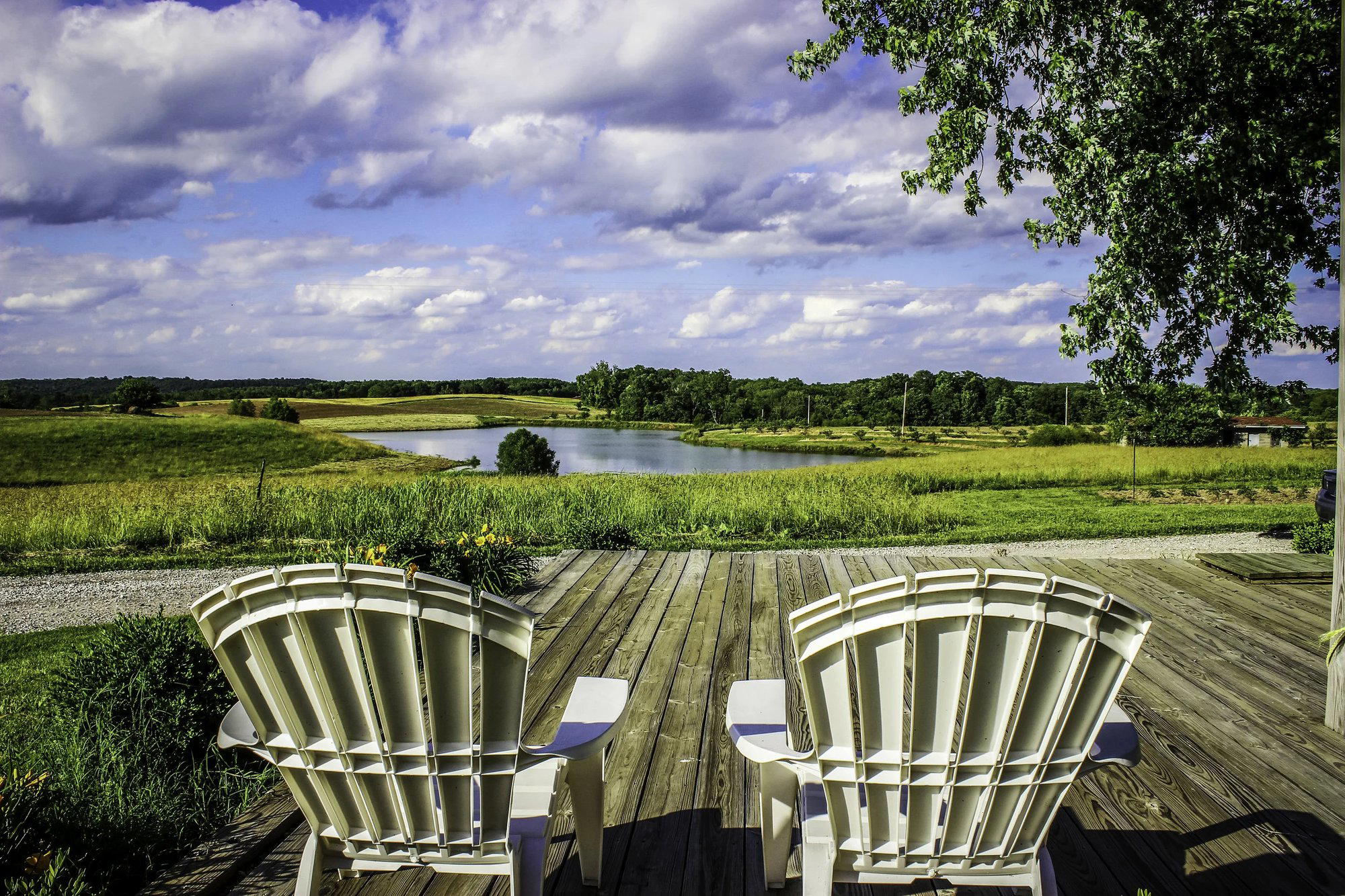
| Von Jakob Winery & Brewery | Family-owned winery and brewery with rustic charm and pastoral setting in Southern Illinois wine country. | $$ | 4-Star | Alto Pass |
| Longman & Eagle | Modern take on traditional Chicago inn with hipster vibe. | $$ | Not listed | Logan Square |
| Soho House Chicago | rustic-chic industrial members' club | $$$$ | 4-Star | Fulton Market District |
| The Hoxton, Chicago | Lifestyle hotel inspired by neighborhood streets with communal open-house model. | $$$ | 4-Star | West Loop |
Continue exploring
More in Makanda
Bars in Makanda
Browse all →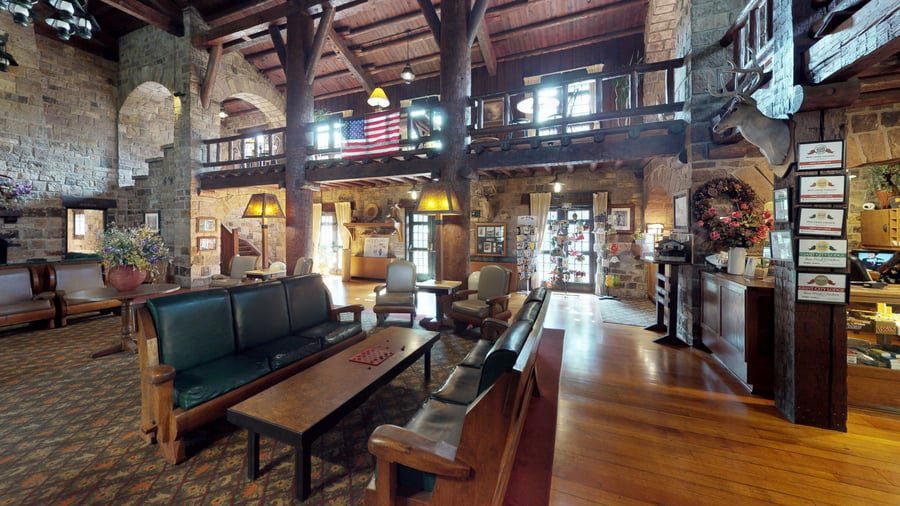
At a Glance
- Rustic
- Scenic
- Cozy
- Classic
- Family Vacation
- Weekend Escape
- Anniversary
- Historic Building
- Panoramic View
- Pool
- Wi Fi
- Restaurant
- Mountain
- Pool
- Wi Fi
- Restaurant
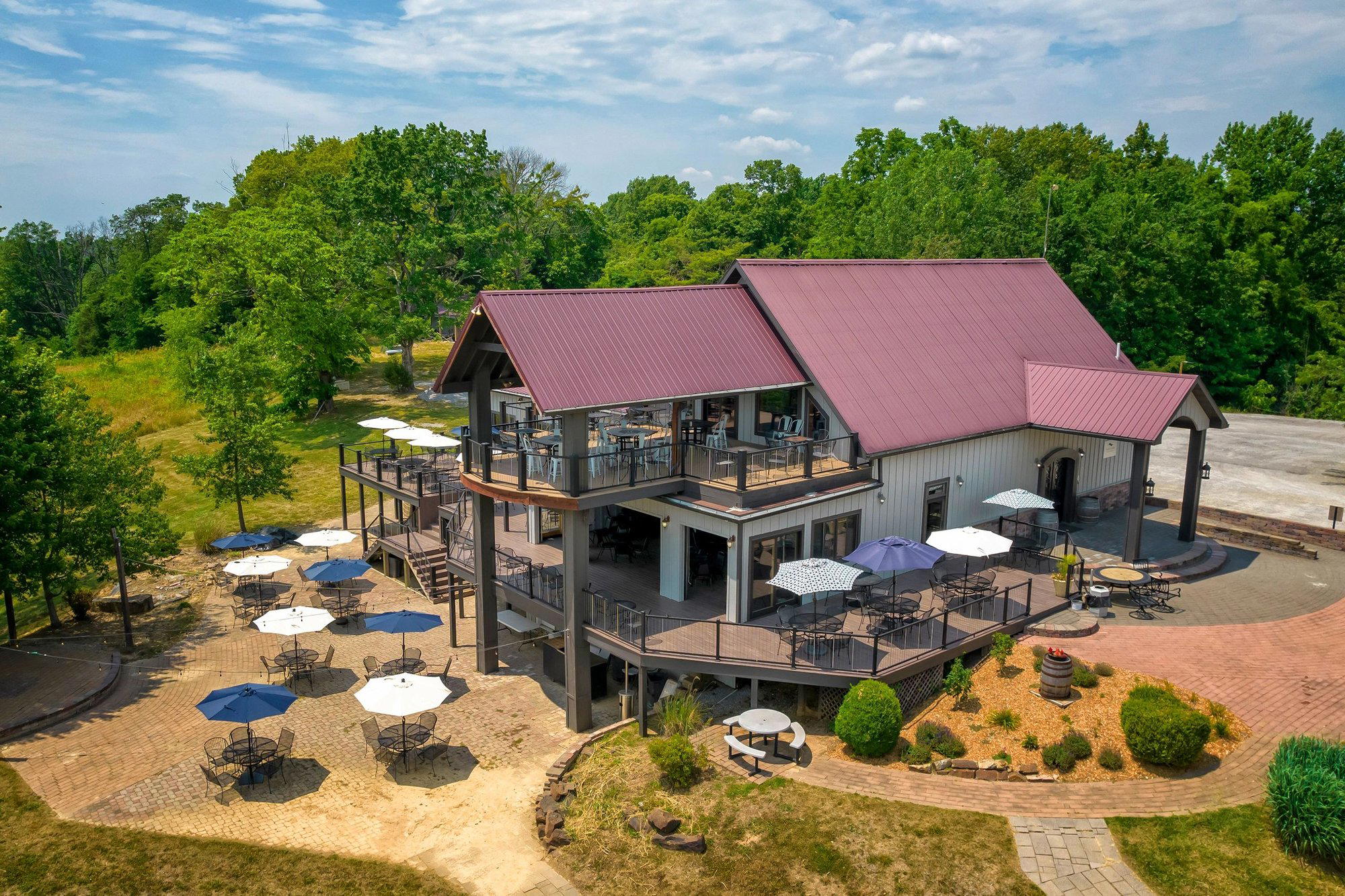
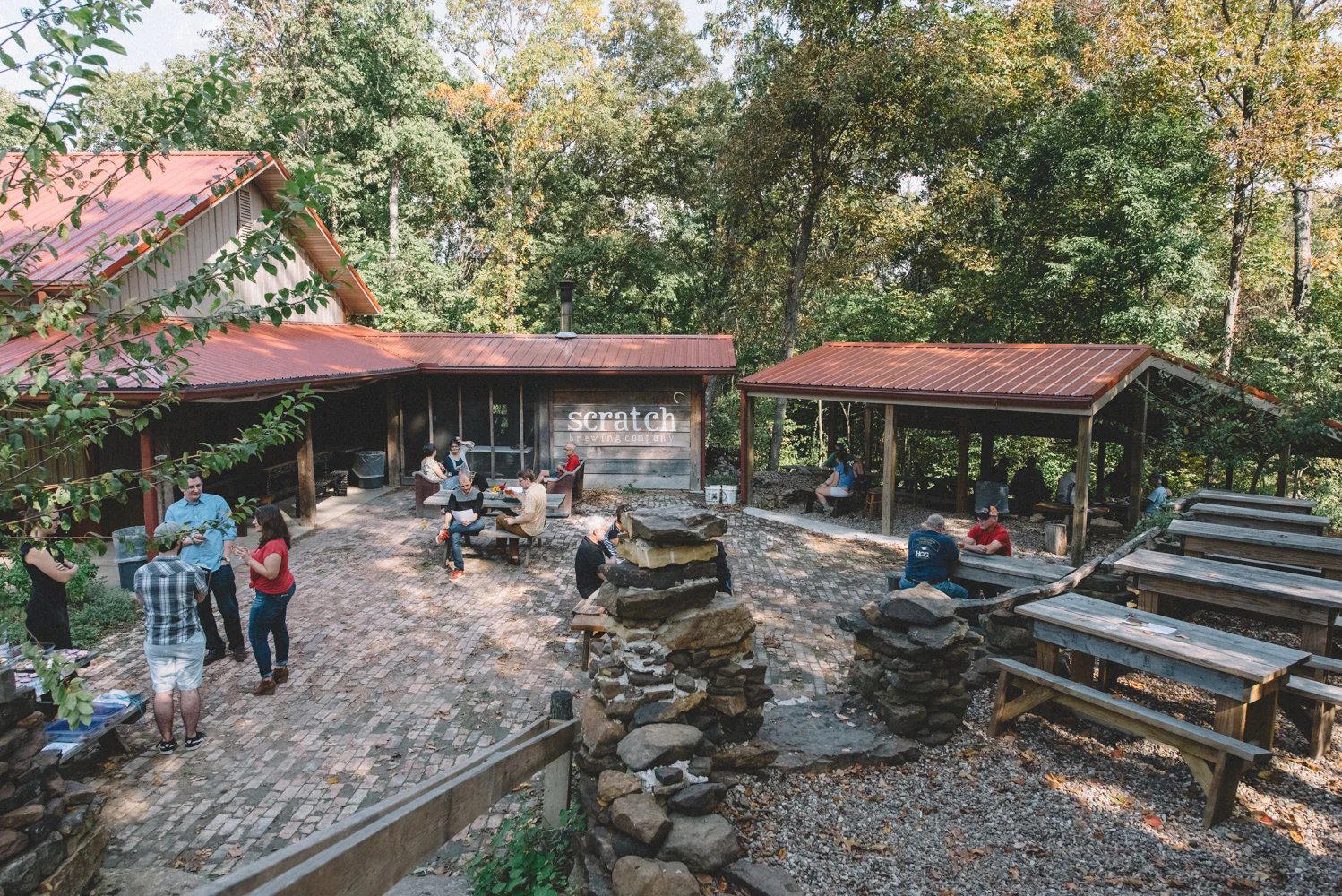
Rustic charm with multi-hued sandstone and white oak timber, creating a magnificent and unusual atmosphere amid natural splendor.