Spritzenhaus33
Spritzenhaus33 occupies a particular niche in Brooklyn's Greenpoint drinking culture: a sprawling beer hall on Nassau Avenue where the format is unapologetically German-American and the atmosphere does most of the editorial work. Positioned between the polished cocktail bars of Manhattan and the neighborhood dives of outer Brooklyn, it draws a crowd that wants volume, communal tables, and an honest pint rather than a twelve-step cocktail menu.

Pearl is the En Primeur Club membership app, where members save venues, book tables and use the concierge.
Greenpoint's Beer Hall Tradition and Where Spritzenhaus33 Fits
Brooklyn's Greenpoint neighborhood has carried a German-American drinking identity longer than most of its current residents realize. The name Spritzenhaus itself references the firehouses and social clubs spritzenhäuser, that German immigrant communities built across northeastern American cities in the nineteenth century, places where the architecture and the ritual of communal drinking were inseparable. That historical thread is relevant context for understanding what 33 Nassau Avenue is doing in 2024, and why the format feels deliberate rather than trend-chasing.
New York's premium bar scene has bifurcated sharply over the past decade. On one side sit the technically rigorous cocktail programs at places like Attaboy NYC and Angel's Share, where the emphasis is on restraint, precision, and a format built around small capacity and high craft. On the other side, a different tradition has reasserted itself: the beer hall, where the space is loud by design, seating is communal, and the social dynamic is the point. Spritzenhaus33 belongs firmly to the second category, and makes no apology for it.
The Physical Space as Editorial Argument
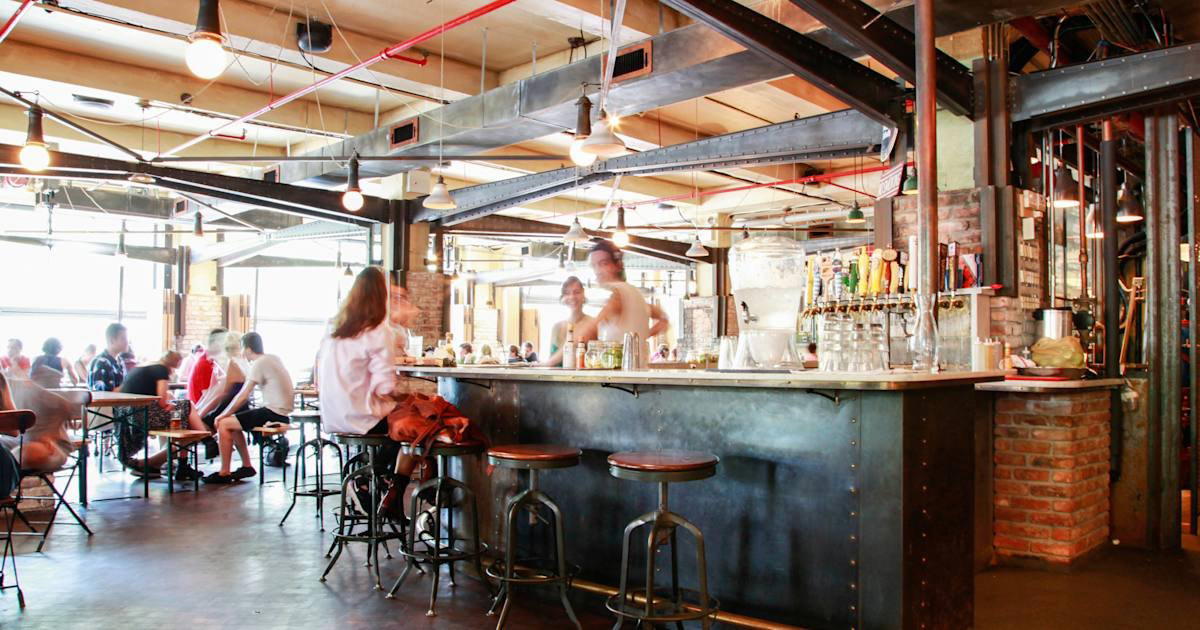
The beer hall format is an architectural position, not just a décor choice. When a venue commits to long communal tables, exposed brick, and a ceiling height that absorbs noise rather than reflecting it back at conversation-killing volume, it is making a claim about how people should drink together. Spritzenhaus33 operates on those terms. The Nassau Avenue address occupies a footprint large enough to accommodate the kind of capacity that would be impossible in the compressed real estate of Manhattan's cocktail corridor, and that scale is precisely the point.
Lighting in venues of this type tends toward the warm and ambient rather than the dim and theatrical. The difference matters: theatrical darkness, favored by speakeasy-format bars, creates intimacy between two people at a small table. Warm, diffuse light over a long communal table creates a different social contract, one that encourages groups to sprawl, to invite strangers into conversation, to stay longer. This is the German beer hall logic, and it travels well to Brooklyn.
The comparison with more technically oriented Manhattan programs is instructive. Amor y Amargo and Superbueno both operate in spaces calibrated for concentration, small, focused, built around the transaction between bartender and guest. Spritzenhaus33 operates in the opposite register: the bartender is not a central figure, the crowd is the figure, and the space is designed to amplify that dynamic.
Beer, Format, and What the Program Says About the Room
Beer hall programs in New York have historically sorted into two types: those that treat the German-American format as a costume, importing a vague Oktoberfest aesthetic without the substance, and those that actually commit to rotating taps, serious lager programs, and the kind of back-of-house decisions that support high-volume pouring. The distinction shows up in the glass. A well-kept lager served at the correct temperature in a clean vessel is not a simple achievement in a high-traffic environment; it requires discipline that is easy to skip when the crowd will show up regardless.
The format also shapes what you can expect from the broader drinking experience. Beer hall logic favors depth of selection over cocktail complexity. Where a technically ambitious program like Kumiko in Chicago or Bar Leather Apron in Honolulu builds its identity around the skill of individual preparation, the beer hall builds its identity around the rhythm of repeated rounds, the ease of ordering, and the social architecture that keeps people at the table. Neither is a lesser achievement; they are different disciplines.
Greenpoint's Broader Drinking Map
Nassau Avenue sits at the center of Greenpoint's most active commercial strip, with the L and G trains making the neighborhood accessible from most of Brooklyn and lower Manhattan in under thirty minutes. For visitors building a broader New York drinking itinerary, the venue functions well as an early-evening anchor before moving toward more technically demanding programs later in the night.
The beer hall format is also notably more forgiving of group sizes than the cocktail bar model. A party of eight faces no obvious friction at a communal table in a space of this scale; the same group would strain the seating logic at a bar designed around four-leading tables and bar stools. For group visits, that practical reality matters more than the drinks list. Venues elsewhere in the EP Club network that have solved the group-drinking problem differently include Jewel of the South in New Orleans, Julep in Houston, and ABV in San Francisco, each of which manages volume without surrendering program quality.
How Spritzenhaus33 Sits in the Wider Scene
The beer hall revival in American cities is not uniform. Some versions are purely nostalgic, trading on Bavarian imagery without the operational commitment. Others, particularly those in neighborhoods with actual German-American history, draw on something more grounded. Greenpoint's immigrant history gives the format a legitimacy that a pop-up beer hall in a repurposed warehouse elsewhere in the city would not automatically carry. That context does not make the drinks better on their own terms, but it does give the experience a coherence that purely aesthetic exercises tend to lack.
For readers mapping the broader American bar scene, the contrast between Spritzenhaus33's communal-table, high-volume model and the intimate technical programs at places like Allegory in Washington, D.C. or The Parlour in Frankfurt on the Main illustrates how different the ambitions of a drinking space can be while still being done seriously. Our full New York City restaurants and bars guide maps the broader competitive set for anyone building a longer itinerary across the five boroughs.
Planning Your Visit
Spritzenhaus33 is at 33 Nassau Avenue, Brooklyn, NY 11222, in the Greenpoint neighborhood. The G train (Nassau Avenue stop) is the most direct approach. Given the communal table format and the neighborhood's consistent draw on weekends, arriving early in the evening on Friday or Saturday is advisable for groups who want to settle in rather than wait. Walk-ins are the standard mode for a venue of this type, but weekend evenings at peak hours fill quickly enough that timing matters more than advance planning.
Quick reference: 33 Nassau Ave, Brooklyn, NY 11222, G train to Nassau Avenue, walk-in format, weekday evenings quieter than weekends.
Just the Basics
Comparable venues nearby, for context on price, style, and recognition.
| Venue | Cuisine | Price | Notes |
|---|---|---|---|
| Spritzenhaus33This venue (the venue you are viewing) | Not listed | $20–30 | Not listed |
| Bernie’s | Greenpoint, pub | $30–50 | Not listed |
| Bar Americano | Not listed | $30–50 | Greenpoint, cocktail_bar |
| Mekelburg's | Not listed | Not listed | Williamsburg, beer_bar |
| Win Son Bakery | Not listed | Not listed | East Williamsburg, cocktail_bar |
| Nargis Cafe | Not listed | $20–30 | Sheepshead Bay-Manhattan Beach-Gerritsen Beach, lounge |
Continue exploring
More in New York City
Bars in New York City
All bars in New York City →
Restaurants in New York City
All restaurants in New York City →
Details
- Lively
- Rustic
- Energetic
- Bohemian
- Group Outing
- Casual Hangout
- Celebration
- Beer Garden
- Live Music
- Standing Room
- Communal Tables
- Outdoor Terrace
- Lounge Seating
- Craft Beer
- Garden
Current opening hours
- Monday
- 3 PM–12 AM
- Tuesday
- 3 PM–12 AM
- Wednesday
- 3 PM–12 AM
- Thursday
- 3 PM–12 AM
- Friday
- 1 PM–2 AM
- Saturday
- 12 PM–2 AM
- Sunday
- 12 PM–12 AM
Hours can change for holidays and private events. Hours as of .
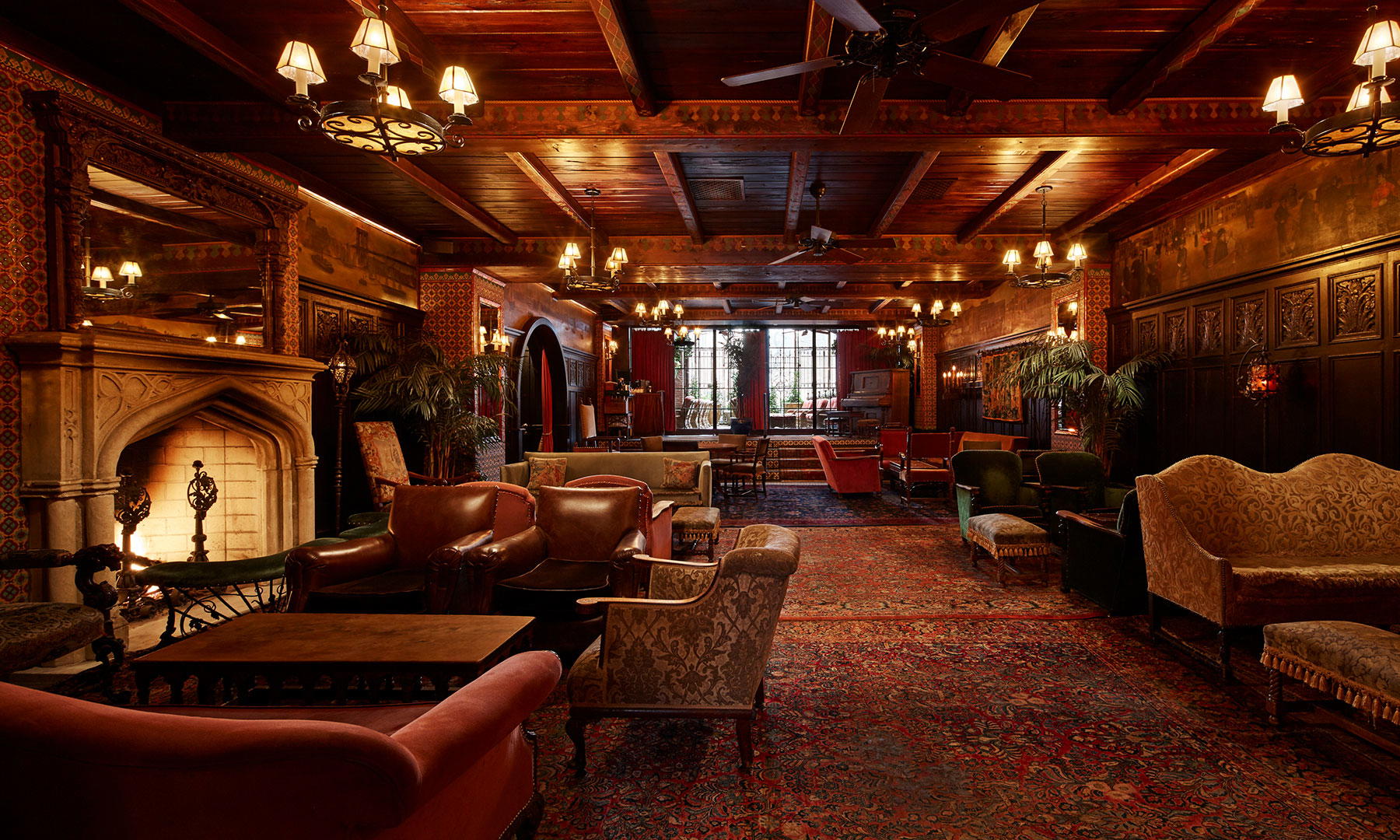
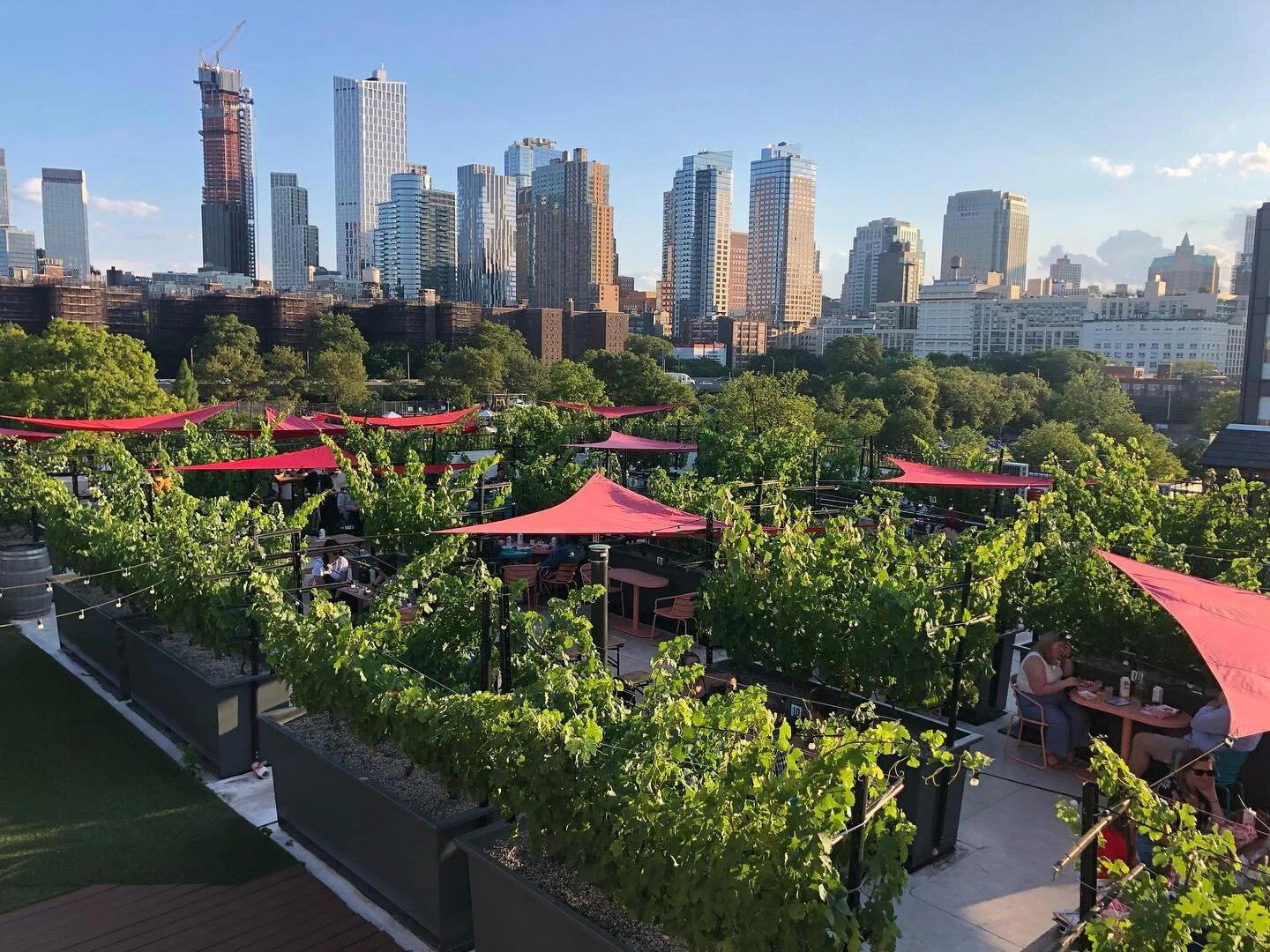
Casual, hip beer hall with an electric atmosphere fueled by fantastic beer and cider selections; features large communal tables, indoor fireplace seating in winter, and abundant outdoor patio space in summer.