Brassica


A Michelin Plate-recognised restaurant in a 16th-century Dorset townhouse, Brassica brings a Mediterranean-inflected seasonal menu to the small market square of Beaminster. The kitchen works with strong local produce and a concise, confident approach, anchovies with sourdough, precision-timed halibut, desserts that do a great deal with simple ingredients. At ££, it sits well above its price point in ambition and execution.
Pearl is the En Primeur Club membership app — saves, bookings, and concierge access live there. Same editors, same standards.
- Address
- 4 The Square, Beaminster DT8 3AS, United Kingdom
- Phone
- +44 1308 538100
- Website
- brassicarestaurant.co.uk
- Directions
- Get directions
 Saves & bookings on Pearl
A Square Address in Rural Dorset
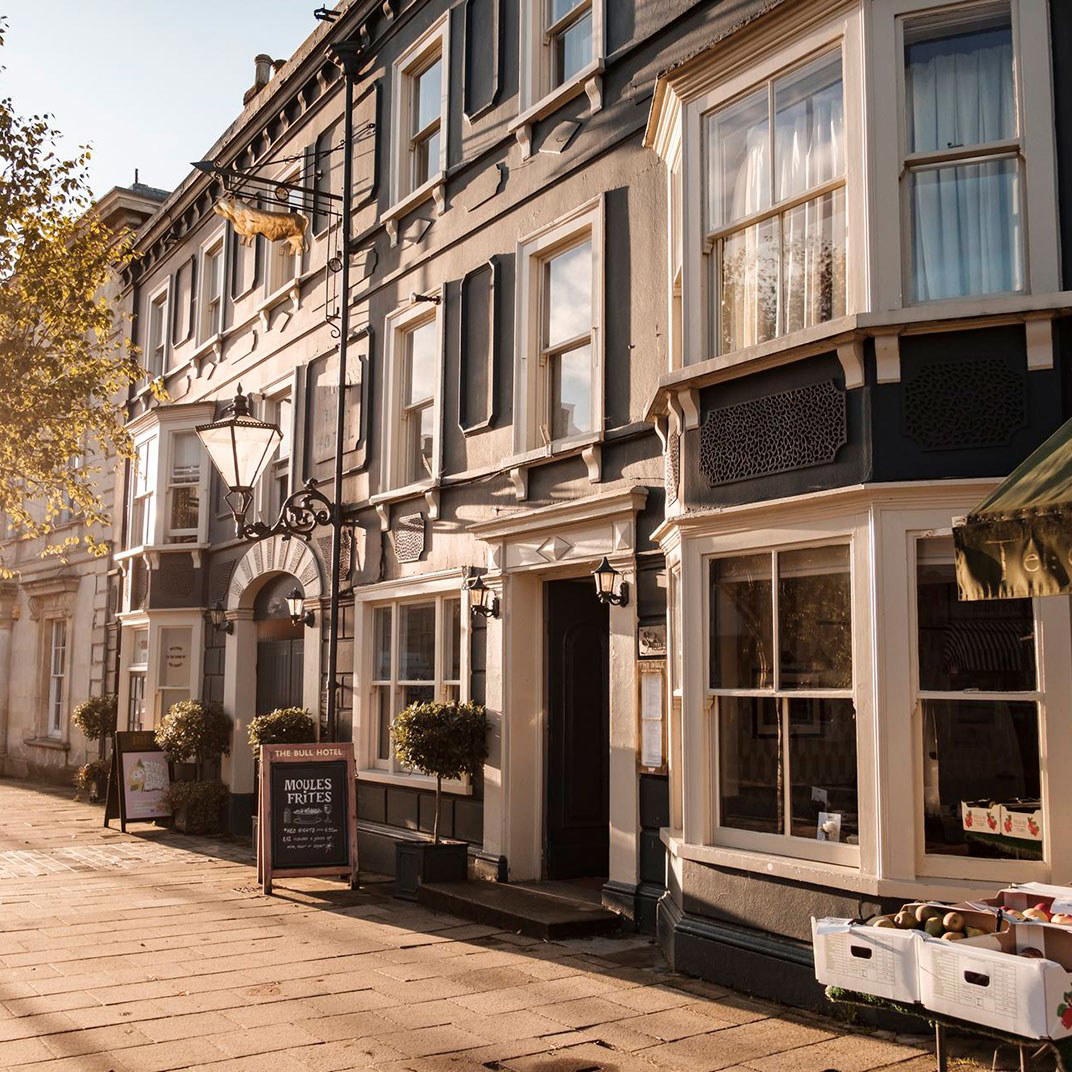
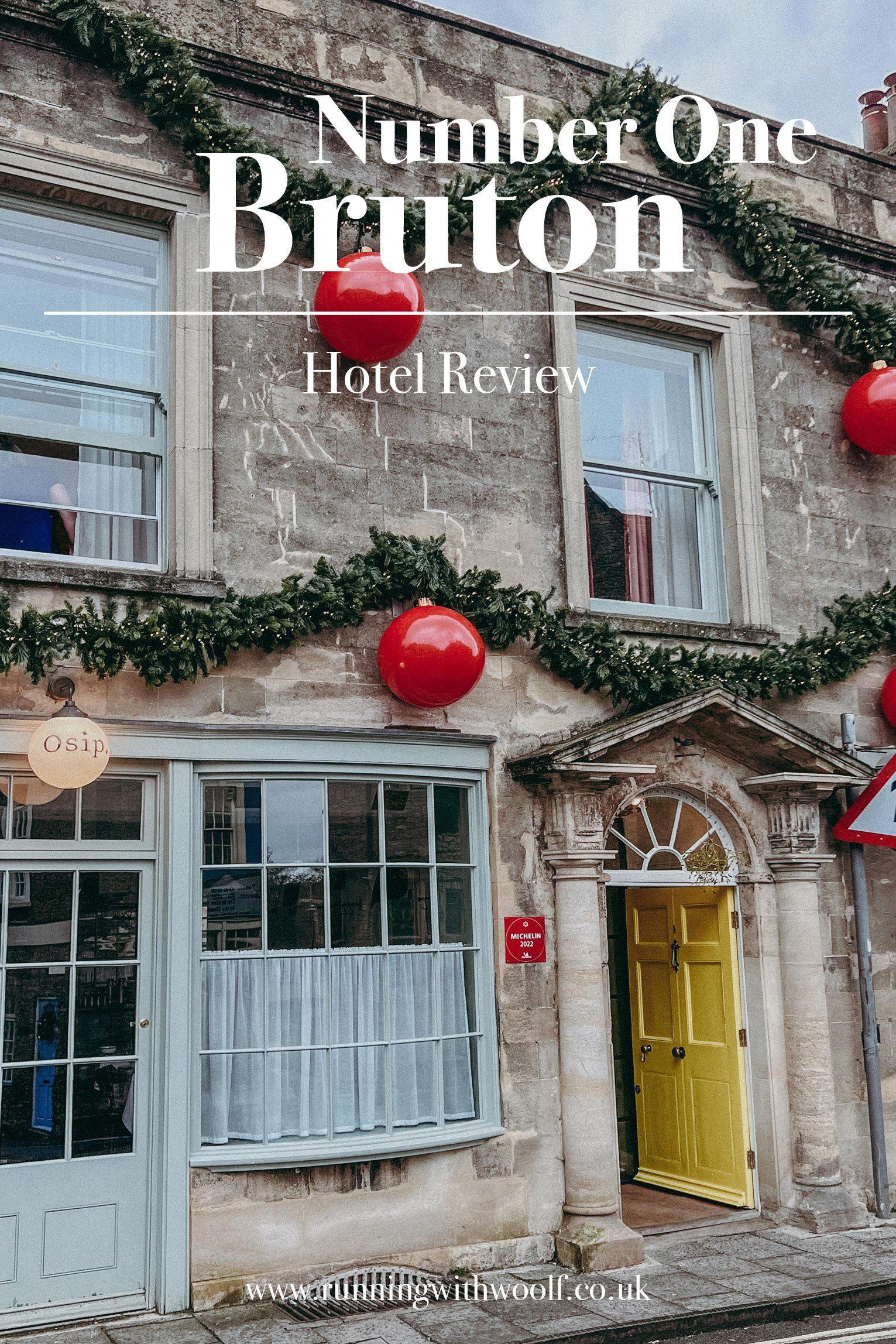
There is a particular kind of English market town restaurant that earns its reputation quietly, without a destination-dining fanfare or a celebrity patron in tow. Beaminster, a small Dorset town of Georgian stone and narrow lanes, has one in Brassica. The restaurant occupies a bay-windowed corner house on the main square, a 16th-century building whose warm, slightly chaotic interior reads immediately as the work of people who actually care about where you sit. Brightly coloured prints crowd the walls alongside decorative plates; vivid cushions accumulate with the confidence of a collector rather than a stylist. The overall tone is countryside-idiosyncratic rather than countryside-generic, and that distinction matters. For anyone arriving from Bristol or London via the A37, finding this level of considered dining in a town of this scale is a surprise worth the drive.
The Mediterranean Kitchen in a British County
Mediterranean cuisine in a Dorset market town raises an obvious question: how seriously does the kitchen commit to its southern European reference point? At Brassica, the answer is found not in theatrical flourishes but in foundational technique and ingredient selection. The Mediterranean kitchen, at its most disciplined, is built on restraint, on olive oil as a carrier of flavour rather than mere fat, on acid as a structural element, on the idea that produce close to its peak needs limited intervention. That philosophy travels well, and it shows in a menu structured around precisely this logic.
The smaller plates have the explicit Mediterranean DNA: Ortiz anchovies with sourdough, a quality benchmark ingredient used without apology, and raw courgette dressed in mint and lemon, where the dressing is the dish. Anchovies like Ortiz are salt-cured for a minimum of a year, developing the kind of fermented depth that underpins much of the southern European pantry. Serving them simply, on good bread, is a statement about confidence in the source material. Compare this to how Mediterranean cooking is handled at urban price points: at restaurants like Arnaud Donckele & Maxime Frédéric at Louis Vuitton in Saint-Tropez or La Brezza in Ascona, the same foundational ingredients appear inside far more elaborate constructions. Brassica takes the opposite approach: the simplicity is the technique.
The Menu in Practice
Main courses extend the produce-led logic into British waters, literally, in the case of a halibut fillet with borlotti beans, fennel, and spring onions, given creamy pungency with aïoli. The combination is coastal Mediterranean in spirit but draws on what the southwest of England can deliver: day-boat fish, legumes that cook low and slow, and a sauce that uses olive oil emulsified with egg as its structural backbone. Orecchiette with prawns, agretti, and tomato represents a different strand of the same instinct: pasta as a vehicle for sea and season, with agretti, the salty, succulent coastal grass common in Italian markets, placing the dish firmly in the Mediterranean register.
Vegetable courses are constructed with the same seriousness as the proteins: roast leeks with pickled mushrooms, lentils, and chard is not a concession to dietary preference but a dish built around earthiness and acid contrast. The kitchen treats vegetables as a primary element rather than a supporting category, which has become a wider marker of kitchens operating at this standard across the UK.
Desserts take the simplicity principle to its logical conclusion. A chocolate and ginger sundae, almond cake with raspberries and crème fraîche, apricot fool, affogato, these are constructions that trust good dairy, ripe fruit, and temperature contrast to carry the plate. There is no molecular intervention, no multi-component architecture. The kitchen is making a deliberate argument about what satisfaction looks like.
Seasonality and the Operating Week
The menu moves with the seasons, which at this price point and format is both an editorial commitment and a practical one. A concise seasonal menu keeps the kitchen focused and the produce costs manageable, and it tends to produce more coherent eating than a sprawling à la carte that hedges across too many directions. Brassica operates Thursday to Saturday for lunch and dinner, with Sunday lunch as a separate offering that has developed its own following. One visiting couple noted careful treatment of both hake and pork during a Sunday sitting, alongside what they described as inspired vegetable choices, which aligns with the kitchen's evident vegetable-forward instinct.
The limited weekly operation suits the format: a tightly run restaurant at around £45 per person in a market town works better as a focused programme than as an all-week operation. It also concentrates the kitchen's attention. For comparison, restaurants of similar format in rural England, Hide and Fox in Saltwood, for instance, tend to operate on similarly condensed schedules.
The Wine List
Wine selection is small and deliberately pointed. Grüner Veltliner and Blauer Zweigelt from Austria appear alongside more familiar European references, with small glasses available from £5. The Zweigelt, Austria's most widely planted red, with soft tannins and a tendency toward spice and red fruit, is a useful companion to the kitchen's lighter fish and vegetable dishes. A bottle of developing Gevrey-Chambertin at £105 sits at the summit of the range: not cheap, but not out of proportion for a Burgundy at this stage of development. The list reads as the work of someone who drinks wine rather than someone who programmes a wine list by committee. Growers and regions are chosen for character rather than name recognition, which fits the restaurant's general approach to quality and sourcing.
Michelin Recognition and Peer Context
Brassica holds a Michelin Plate in both 2024 and 2025, the Guide's signal for good cooking that merits attention without reaching star level. In rural England, the Plate operates as a meaningful regional marker: it places a restaurant in a tier above its immediate local competition while acknowledging that the format, small, seasonal, market-town, is not competing against the formal tasting-menu houses that tend to collect stars. For reference, the star-holding restaurants of rural England, L'Enclume in Cartmel, Moor Hall in Aughton, Gidleigh Park in Chagford, occupy a different price tier (££££) and a different format register entirely. Brassica at ££ is not attempting to be those restaurants, which is precisely what makes its Michelin recognition meaningful: it is being evaluated against what it is, not against what a different type of operation might be.
For a town-square restaurant operating a shortened week, that consistency is the core operational achievement.
Brassica Mercantile and the Broader Project
Across the road from the restaurant, Brassica Mercantile sells homewares, an extension that reflects the restaurant's domestic, non-corporate identity. The two operations share an aesthetic logic: ingredient-led, considered, comfortable with colour. If the restaurant represents a dining philosophy, the shop makes it clear that the philosophy extends beyond the kitchen. For visitors spending time in the area, it adds a reason to linger on the square.
Brassica is located at 4 The Square, Beaminster DT8 3AS. The restaurant operates later in the week, with Thursday to Saturday service for both lunch and dinner, and a Sunday lunch programme. Booking ahead is advisable, particularly for weekend sittings and Sunday lunch.
In Context: Similar Options
Comparable venues nearby, for context on price, style, and recognition.
| Venue | Cuisine | Price | Awards | Notes |
|---|---|---|---|---|
| BrassicaThis venue — the venue you are viewing | Modern Mediterranean | $$$ | Michelin Plate | Not listed |
| The Ollerod | Modern European with Seasonal British Accents | $$$ | Not listed | Beaminster |
| Parnham Restaurant | Modern British | $$$$ | Michelin Plate | Beaminster |
| Art Sushi | Modern Sushi Omakase | $$$ | Michelin Plate | Westbourne |
| Adelina Yard | Modern European Fine Dining | $$$ | Michelin Plate | Central |
| COR | Modern Mediterranean Small Plates | $$$ | Bib Gourmand | Bedminster |
Recognition history
Dated appearances from independent guides and award organizations, with the underlying list record or original source where available.
Michelin Plate
Michelin
The Good Food Guide Good Food Guide Best Local Restaurant
The Good Food Guide
Michelin Plate
Michelin
The Good Food Guide GFG Very Good
The Good Food Guide
Michelin Plate
Michelin
Continue exploring
More in Beaminster
Restaurants in Beaminster
Browse all →
Bars in Beaminster
Browse all →

At a Glance
- Cozy
- Rustic
- Elegant
- Intimate
- Whimsical
- Date Night
- Group Dining
- Family
- Brunch
- Special Occasion
- Standalone
- Historic Building
- Terrace
- Natural Wine
- Local Sourcing
- Street Scene
Current opening hours
- Monday
- Closed
- Tuesday
- 9 AM–4 PM
- Wednesday
- 9 AM–4 PM
- Thursday
- 9 AM–4 PM
- Friday
- 9 AM–4 PM, 6–8:30 PM
- Saturday
- 9 AM–4 PM, 6–8:30 PM
- Sunday
- Closed
Hours can change for holidays and private events. Last verified .
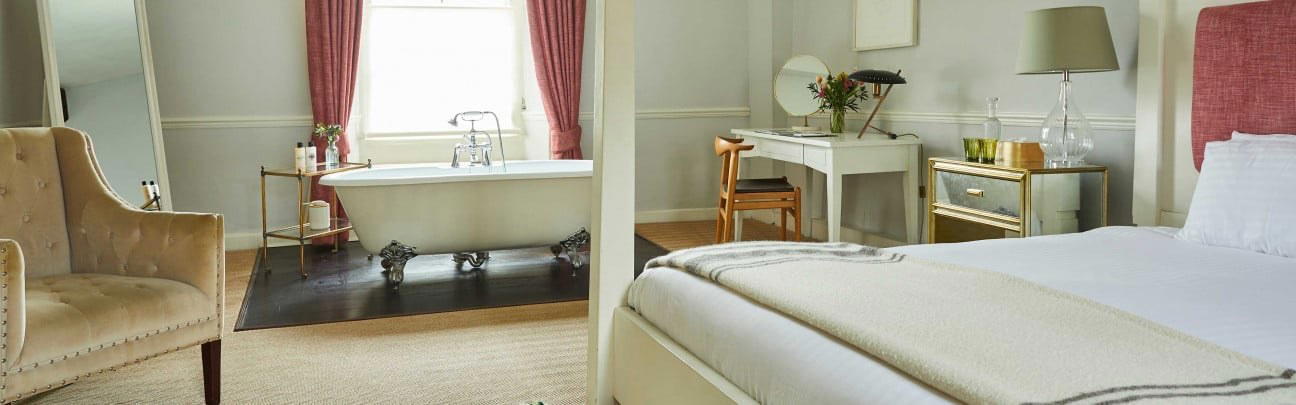
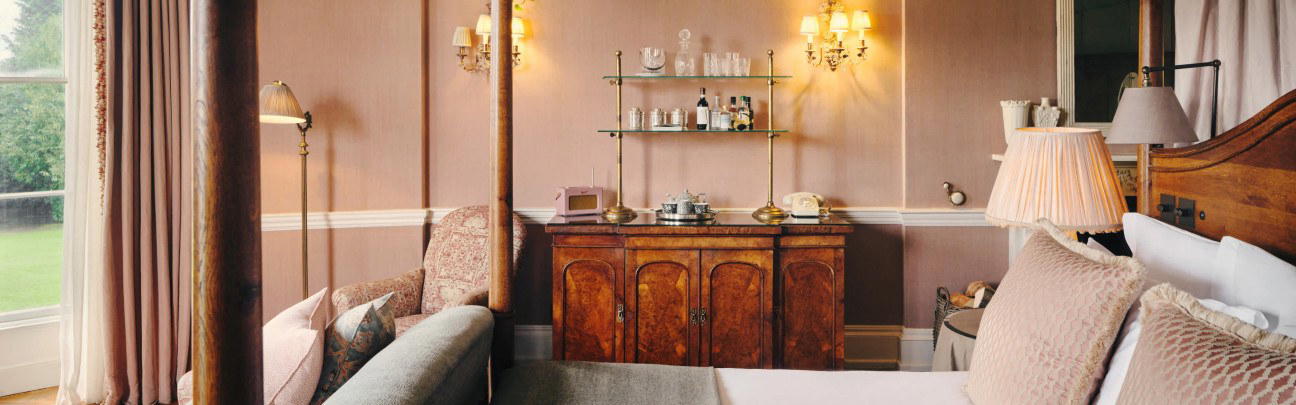
Bright, colourful countryside shabby-chic interior with bay windows overlooking the market square, decorated with idiosyncratic prints, plates, and vivid cushions creating a warm, relaxed atmosphere.