Smokin Yard's BBQ
Smokin Yard's BBQ sits at 900 W 1st Ave in Denver's Baker neighbourhood, where American barbecue tradition meets a city increasingly serious about smoked meat. The address places it within reach of Denver's broader dining corridor, offering a counterpoint to the cocktail bars and European small-plates spots that dominate the surrounding blocks.
Pearl is the En Primeur Club membership app — saves, bookings, and concierge access live there. Same editors, same standards.
- Address
- 900 W 1st Ave, Denver, CO 80223
- Phone
- +1 303 284 3349
- Website
- smokinyards.com
- Directions
- Get directions
 Saves & bookings on Pearl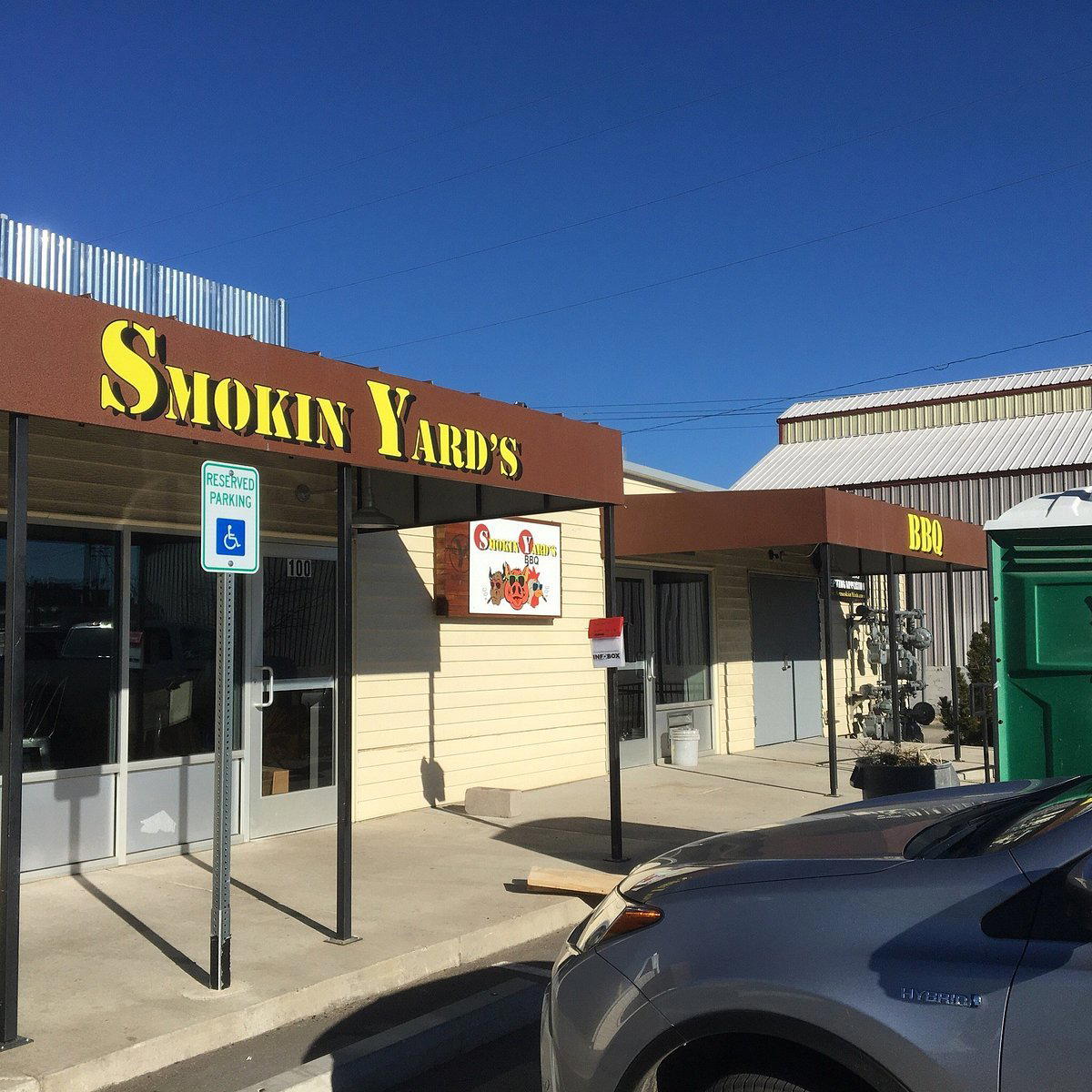
Where Smoke Meets the Mile High City
Walk the stretch of West 1st Avenue in Denver's Baker district and the air changes before the signage does. Barbecue, at its most honest, announces itself through smell rather than marketing, and the tradition behind it runs deeper than most American dining formats. What emerged from Southern and Midwestern smoke pits over two centuries, a cooking method born of necessity, communal eating, and slow fire, has found genuine purchase in Colorado's front-range cities. Smokin Yard's BBQ, at 900 W 1st Ave, sits within that broader national conversation about what regional American barbecue means when transplanted, adapted, and served in a city without a single dominant smoke tradition of its own.
Denver is an interesting case study in how barbecue travels. Unlike Kansas City, Memphis, or the Texas Hill Country, Denver has no inherited regional style. That absence of orthodoxy creates both freedom and pressure: freedom to draw from multiple traditions, pressure to find a point of view that feels grounded rather than eclectic for its own sake. The barbecue operations that earn loyalty in this city tend to be the ones that pick a lane, whether that means Texas-style brisket with a salt-and-pepper bark, Carolina-influenced pulled pork with vinegar-forward sauce, or a hybrid format that reflects the cook's actual background.
The Cultural Weight of Smoke
American barbecue is one of the few cooking traditions where the process is the cuisine. Unlike a kitchen where technique supports ingredients, here the fire, the wood species, the ambient humidity, and elapsed time are the recipe. Pitmaster cultures from the Carolinas to central Texas developed distinct regional grammars over generations, and those differences, hickory versus oak versus mesquite, wet rub versus dry, whole hog versus brisket, carry genuine cultural meaning. When a barbecue operation sets up outside its source region, the question is always whether it honours a specific tradition or builds something coherent from available parts.
Denver's dining scene has grown considerably more considered over the past decade. The cocktail program at Williams & Graham helped establish a national reputation for the city's bar culture, and venues like Death & Co (Denver) extended that conversation. Even more casual formats, from the ping-pong-and-drinks format at Ace Eat Serve to the neighbourhood energy at Yacht Club, reflect a city that takes its food and drink seriously without being precious about it. Barbecue fits that character well: it rewards attention and patience but resists the kind of formalism that alienates casual diners.
Baker and the Broader Dining Corridor
The Baker neighbourhood has developed into one of Denver's more interesting dining corridors over the past several years. South Broadway anchors much of the activity, and the blocks immediately off it, including the West 1st Ave address where Smokin Yard's BBQ operates, carry the energy of a district that is simultaneously residential and commercially active. The clientele skews local rather than tourist-driven, which in practice means the room tends to reward regulars and word-of-mouth rather than aggregator rankings.
This neighbourhood positioning matters for barbecue in particular. The format, typically counter-service or casual table-service, built around communal eating and hearty portions, suits an area that is not trying to compete with the white-tablecloth downtown corridor. Baker's character is closer to a working neighbourhood with good taste than a destination dining district, and that shapes the expectations a diner should bring to any address on this stretch.
Barbecue and the American Craft Dining Movement
Across American cities in the past decade, barbecue has undergone a quiet reconsideration. In the same period that fine dining moved toward casualisation, the leading smoke-focused operations began receiving the kind of serious critical attention previously reserved for tasting-menu restaurants. Franklin Barbecue in Austin, established in 2009, changed the reference point for what a barbecue queue meant. Goldee's, which opened later in Fort Worth, pushed craft-focused pit work further. These national reference points matter because they created a framework in which regional barbecue operations, even in cities without inherited traditions, could be evaluated against a standard rather than dismissed as approximations.
Denver hasn't produced a barbecue name with that level of national coverage, but the appetite is there. The city's altitude and climate create specific smoking conditions: lower ambient humidity and the effect of elevation on combustion and temperature regulation require genuine adjustment from pitmasters trained in more forgiving Southern climates. That technical challenge is part of what makes a credible Denver barbecue operation interesting, it represents applied problem-solving rather than reproduction.
For readers building a wider picture of American barbecue culture in the context of craft drinking and eating, the conversation extends well beyond Denver. Cities like New Orleans, with its deeply rooted hospitality culture visible in venues such as Jewel of the South, and Houston, where Southern food traditions intersect with cosmopolitan drinking at spots like Julep, offer contrasting reference points. Chicago's approach to serious craft culture, reflected in the program at Kumiko, and New York's energy at Superbueno show how American cities are building distinct identities in parallel. Even internationally, craft-led venues like Bar Leather Apron in Honolulu, ABV in San Francisco, and The Parlour in Frankfurt on the Main illustrate how the values driving serious casual dining travel across formats and geographies.
Smokin Yard's BBQ at 900 W 1st Ave represents Denver's participation in this broader American craft-food movement, a city finding its smoke identity without the safety net of inherited tradition. For visitors and locals building a Denver itinerary, it belongs on the list alongside the neighbourhood's drinking and dining options as part of a complete picture of what Baker and the wider city are doing. Our full Denver restaurants guide provides the broader map.
Know Before You Go
- Address: 900 W 1st Ave, Denver, CO 80223
- Neighbourhood: Baker, Denver
- Format: Barbecue; specific service format not confirmed
- Hours: Not confirmed; verify before visiting
- Contact: Website and phone details not currently listed; search directly for current information
The Short List
A quick peer list to put this venue’s basics in context.
| Venue | Cuisine |
|---|---|
| Smokin Yard's BBQThis venue — the venue you are viewing | Not listed |
| Vaultaire | French-inspired small plates |
| Keepers Cocktail Lounge | Cocktail lounge, small plates |
Continue exploring
More in Denver
Bars in Denver
Browse all →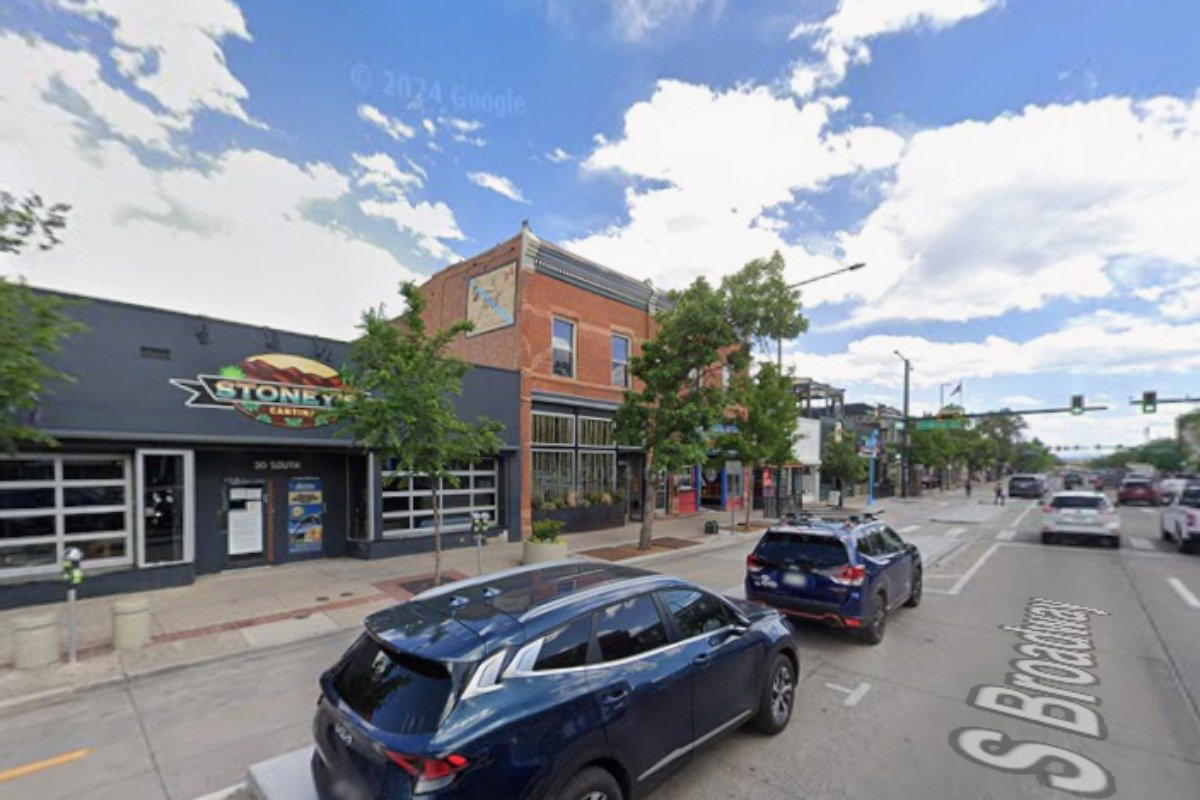
Restaurants in Denver
Browse all →
Hotels in Denver
Browse all →

At a Glance
- Rustic
- Casual
- Group Outing
- Casual Hangout
- Standalone
- Communal Tables
- Craft Beer
Current opening hours
- Monday
- 11 AM–8 PM
- Tuesday
- 11 AM–8 PM
- Wednesday
- 11 AM–8 PM
- Thursday
- 11 AM–8 PM
- Friday
- 11 AM–9 PM
- Saturday
- 11 AM–9 PM
- Sunday
- 11 AM–8 PM
Hours can change for holidays and private events. Last verified .
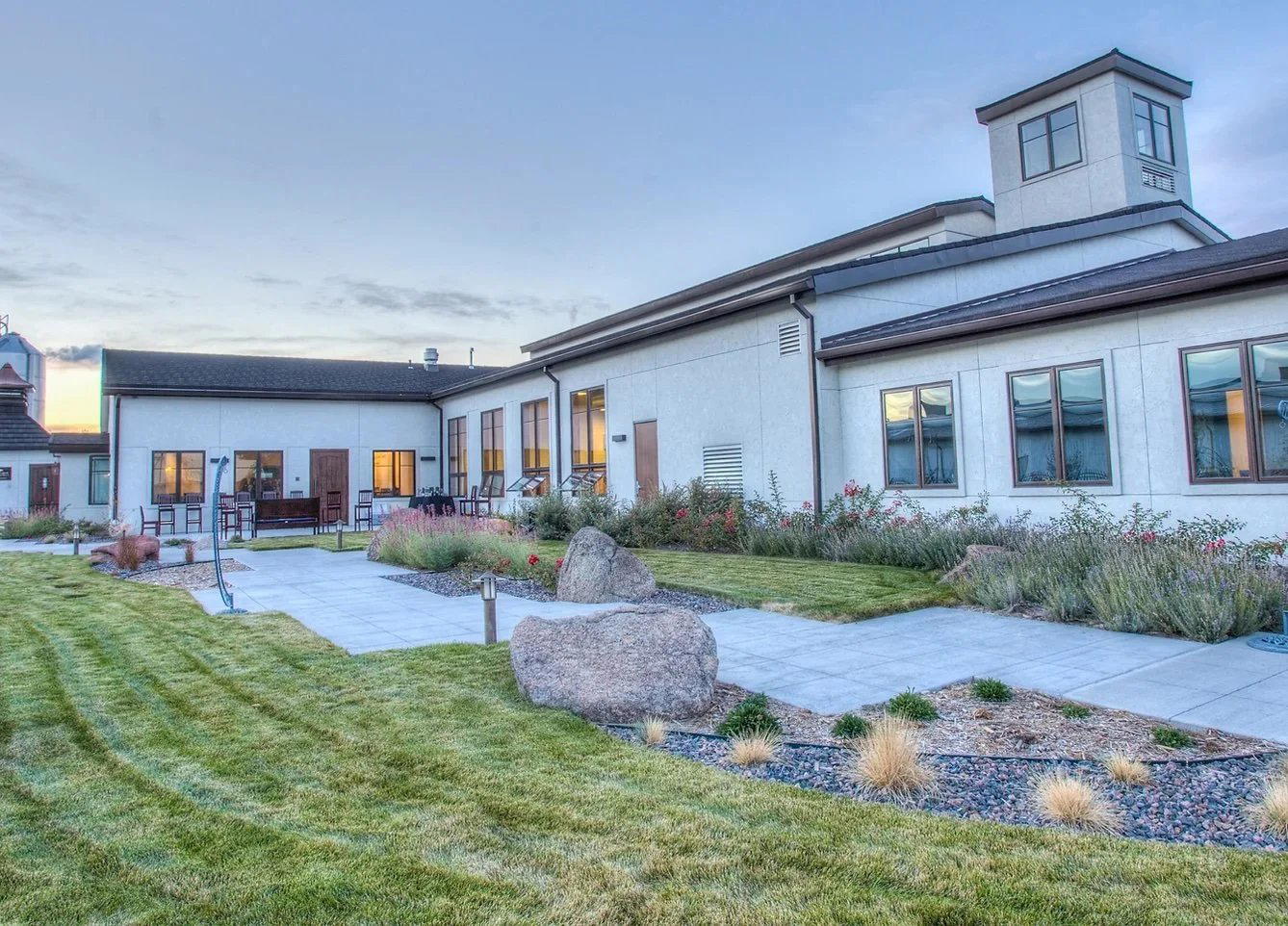
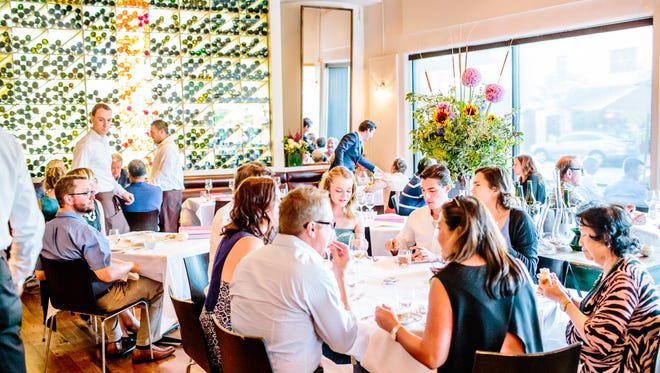
Casual and welcoming with friendly staff, picnic-style seating, and a laid-back family-friendly atmosphere.
Know Before You Go
- Getting there
- 900 W 1st Ave, Denver, CO 80223