Sardine
On Williamson Street, Madison's Willy Street corridor has long supported neighborhood dining that leans local and unpretentious. Sardine fits that tradition while operating at a higher register, where the interplay between kitchen, floor, and wine program defines the experience as much as any single dish. For a city better known for brat stands and beer bars, it reads as a calibration point.

Pearl is the En Primeur Club membership app, where members save venues, book tables and use the concierge.

Williamson Street and the Case for Neighborhood Ambition
Williamson Street, locally shortened to Willy Street, runs east from the Capitol isthmus through one of Madison's most residential and politically engaged corridors. The strip has historically sustained the kind of dining that prioritizes community access over destination credentials: co-ops, taverns, cheap Vietnamese, pizza by the slice. Against that backdrop, a restaurant operating at Sardine's register occupies an interesting position. It is neither the white-tablecloth formalism of the Capitol Square zone nor the purely utilitarian eating that defines much of the neighborhood's food culture. It sits between those poles, and that in-between space is where the more interesting conversations about Madison dining tend to happen.
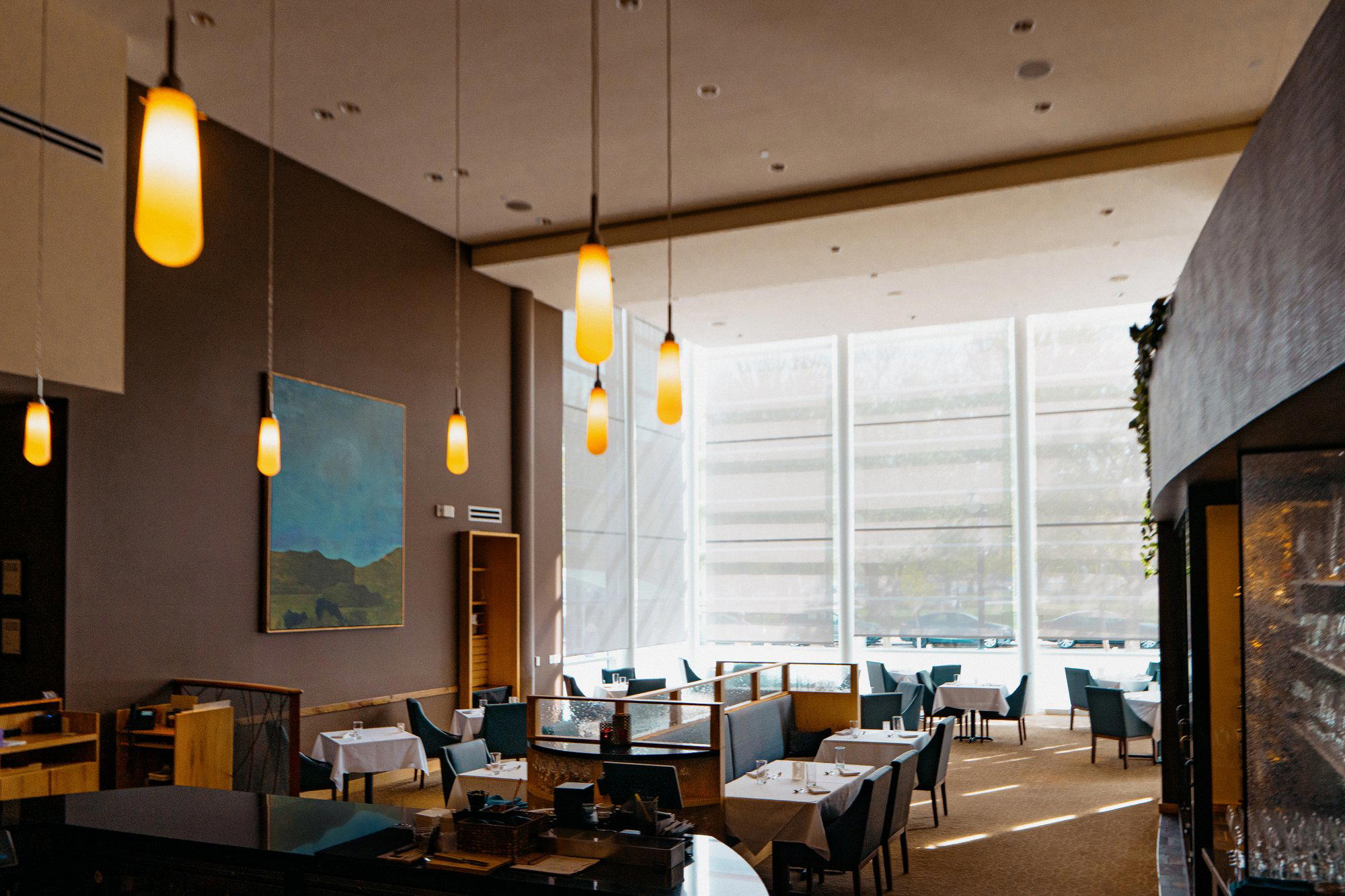
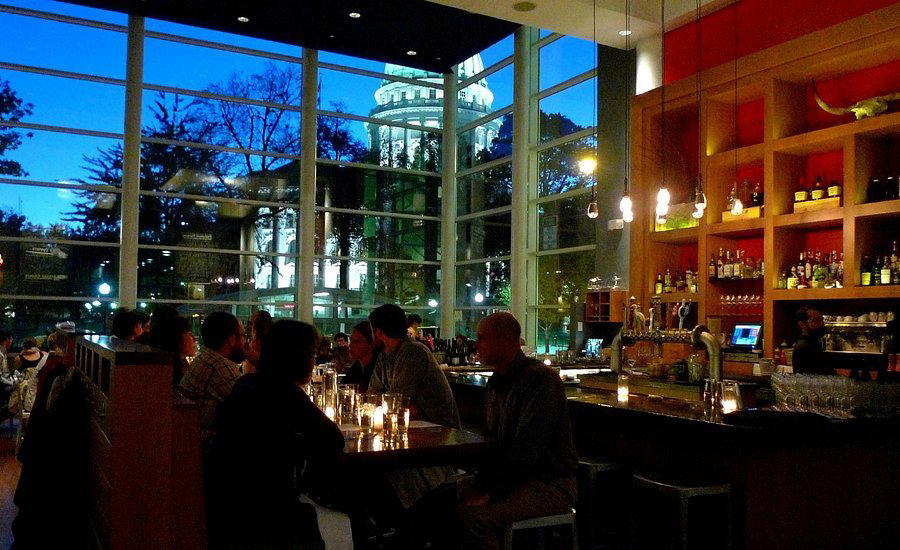
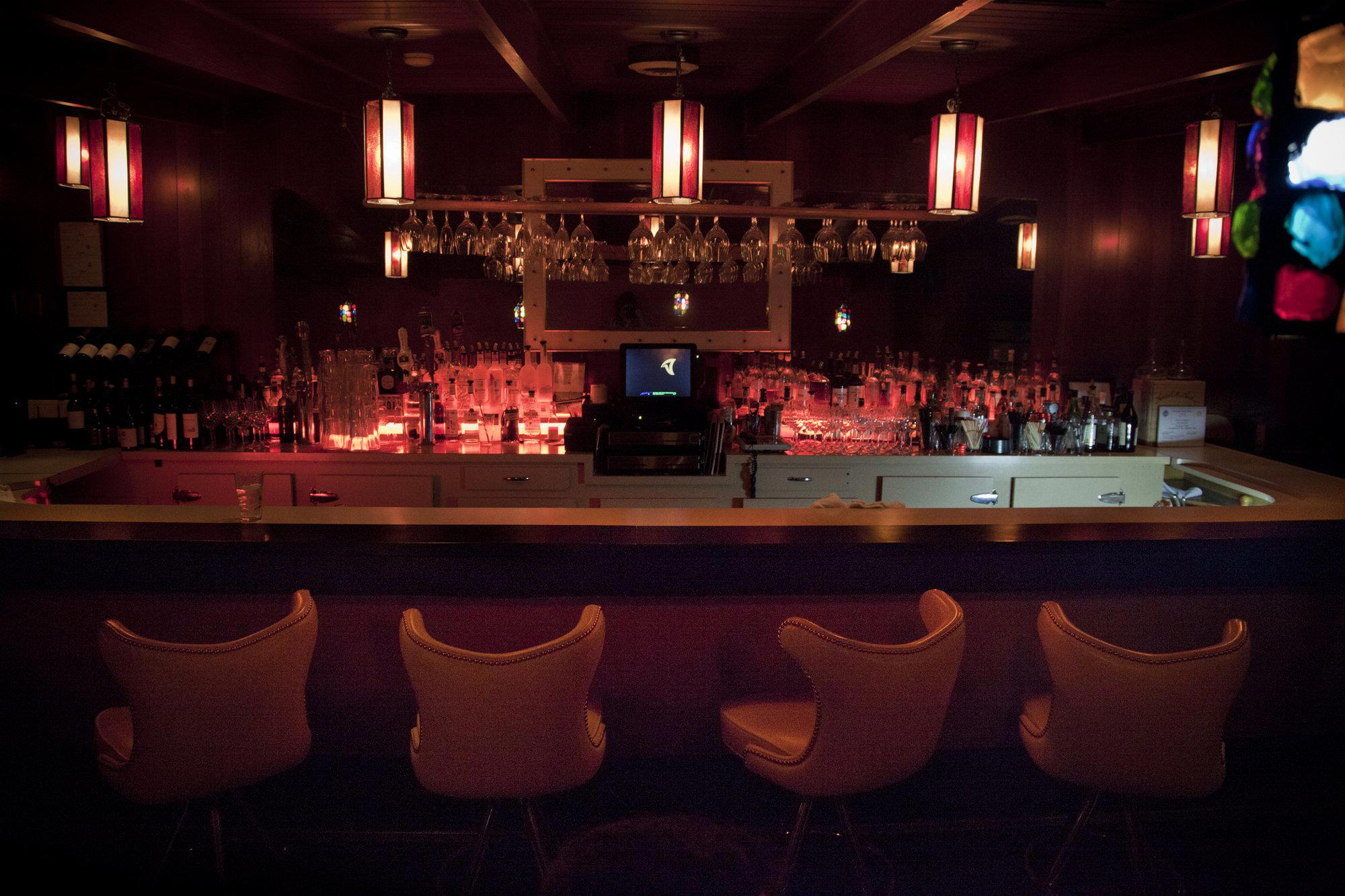
The physical approach along 617 Williamson St gives little away. The building reads as part of the streetscape rather than apart from it, which is consistent with how the better neighborhood restaurants in mid-sized American cities tend to announce themselves. The signal is interior. Once inside, the room communicates a considered informality: the kind of space where the lighting has clearly been thought about, where the noise level is animated without becoming punishing, and where the bar is a functional anchor rather than a decorative gesture. For Madison, that combination is less common than it should be.
The Team Dynamic as Organizing Principle
Across the more consequential independent restaurants in American mid-sized cities, the ones that hold their position over years rather than trending briefly, the differentiator is rarely a single element. It is the coherence between kitchen output, floor service, and beverage program. Where those three operate as separate departments loosely coordinated, the experience fragments. Where they operate as a genuinely integrated team, the restaurant becomes legible as a point of view rather than a collection of components.
Sardine operates along those lines. The front-of-house approach here is not incidental to the experience. In a market where service culture often leans toward either studied casualness or wooden formality, a room that reads as genuinely calibrated, where the staff understand the food well enough to frame it and understand the wine well enough to pair it without condescension, is the real differentiator. That kind of service coherence does not happen by accident. It reflects deliberate training investment and a culture in which the floor is treated as a knowledge function rather than a logistics function.
The wine program at restaurants of this type in the American Midwest has historically been the weakest link, defaulting to safe by-the-glass pours and predictable by-the-bottle lists that mirror what the wholesalers push. Sardine's program, situated in a city that sits some distance from the major wine-market centers, reads as more considered than the regional average. That is less a function of budget than of editorial judgment in selection and the willingness of the floor team to advocate for less obvious bottles.
Madison's Dining Scene: Where Sardine Fits
Madison's restaurant conversation tends to cluster at two ends. At one end, there is L'Etoile and the Capitol Square fine-dining cohort, which have carried the city's culinary credibility externally for decades. At the other, there is the tavern and fast-casual culture that reflects the city's student population and its pragmatic, price-sensitive daily rhythms. The middle tier, the serious-but-accessible independent restaurant that a resident might visit fortnightly rather than for a special occasion, is thinner than a city of Madison's size and education level would suggest.
Sardine occupies a position in that middle tier alongside a small number of peers. Bars like Bar Corallini and Ahan are doing comparable work on the beverage side, building programs with genuine intention in a market that does not always reward the investment. Black Rose Blending Co. represents another angle on the same impulse. Collectively, they suggest a city that is developing a more serious hospitality layer, even if that layer remains thinner than comparable university cities in other regions.
Beyond Madison, the comparison set for what Sardine is attempting sits in cities like Chicago, where Kumiko has demonstrated that mid-format independent operations can sustain serious programs over time. Farther afield, bars and restaurants such as Jewel of the South in New Orleans, Bar Leather Apron in Honolulu, Julep in Houston, ABV in San Francisco, Superbueno in New York City, and The Parlour in Frankfurt on the Main set a standard for what coherent independent hospitality looks like when kitchen, bar, and floor are genuinely aligned. That is the relevant peer conversation for Sardine, regardless of market size.
Planning a Visit
Sardine sits at 617 Williamson St, reachable on foot from much of the near east side and accessible by bus from the Capitol area. Willy Street parking is street-based and variable by time of day; weekday evenings are more forgiving than weekend prime hours. Given that the venue profile here is incomplete in terms of published hours and booking method, confirming current reservation policy directly is the practical first step before planning around a specific evening. The Willy Street neighborhood is worth arriving into early, with time to walk the corridor before sitting down. Blue Moon Bar & Grill nearby offers context for the neighborhood's more foundational tavern culture, which makes the contrast with Sardine's register more legible. For a fuller orientation to where Sardine sits within the city's broader dining options, the EP Club Madison restaurants guide covers the scene across neighborhoods and price points.
Fast Comparison
| Venue | Price |
|---|---|
| SardineThis venue (the venue you are viewing) | $50–100 |
| Bar Corallini | $30–50 |
| Dexter's Pub | $20–30 |
| Lucille | $30–50 |
Continue exploring
More in Madison
Bars in Madison
All bars in Madison →

Restaurants in Madison
All restaurants in Madison →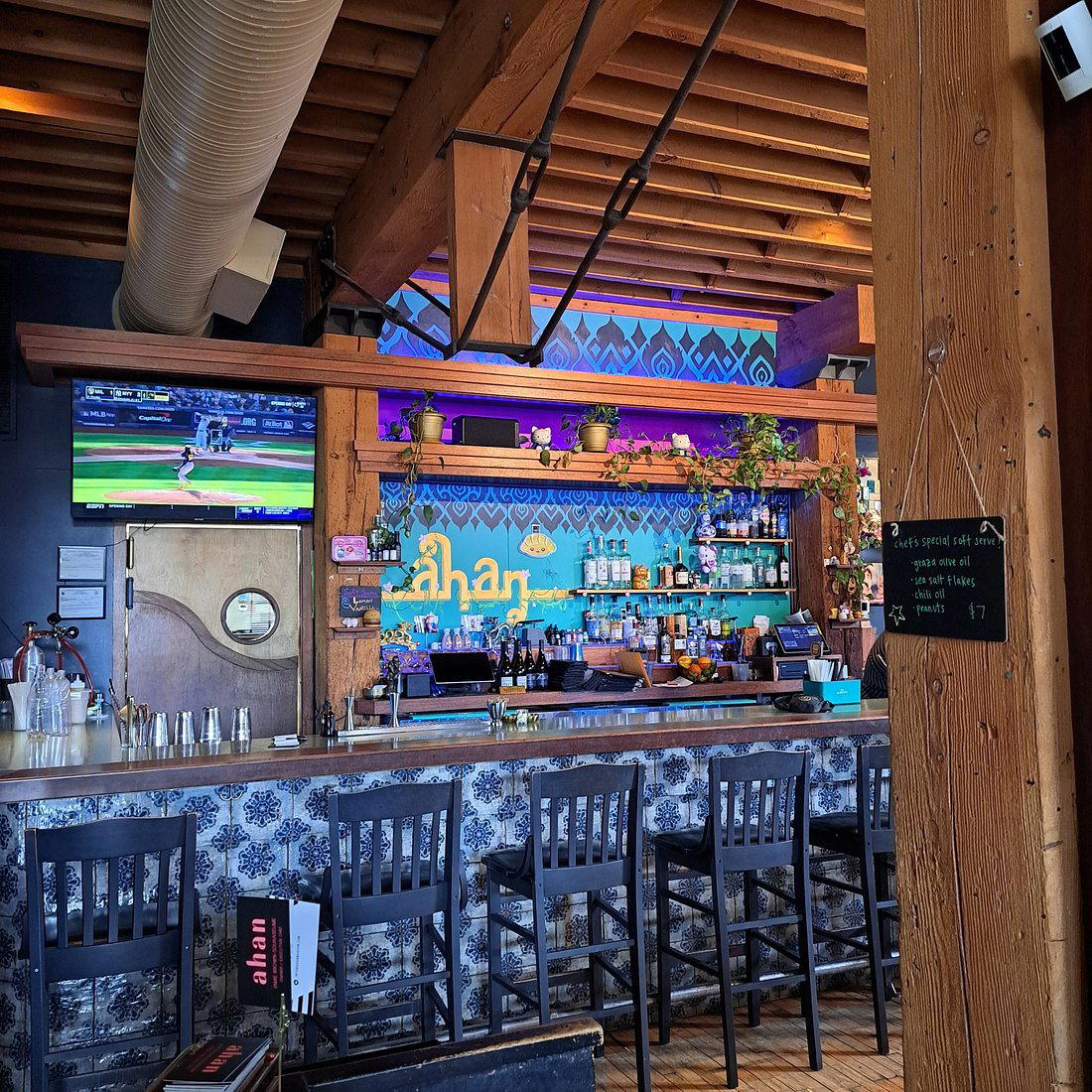
Sardine
The drinks
- Craft cocktails
- Classic cocktails
Signature drinks: Bloody Mary, Brunch Punch, Breakfast Martini.
Details
- Elegant
- Sophisticated
- Cozy
- Date Night
- Special Occasion
- Brunch
- Waterfront
- Seated Bar
- Lounge Seating
- Classic Cocktails
- Craft Cocktails
- Waterfront
Current opening hours
- Monday
- 4–9 PM
- Tuesday
- 4–9 PM
- Wednesday
- 4–9 PM
- Thursday
- 4–9 PM
- Friday
- 4–10 PM
- Saturday
- 9 AM–2 PM, 4:30–10 PM
- Sunday
- 9 AM–2 PM, 4:30–9 PM
Hours can change for holidays and private events. Hours as of .
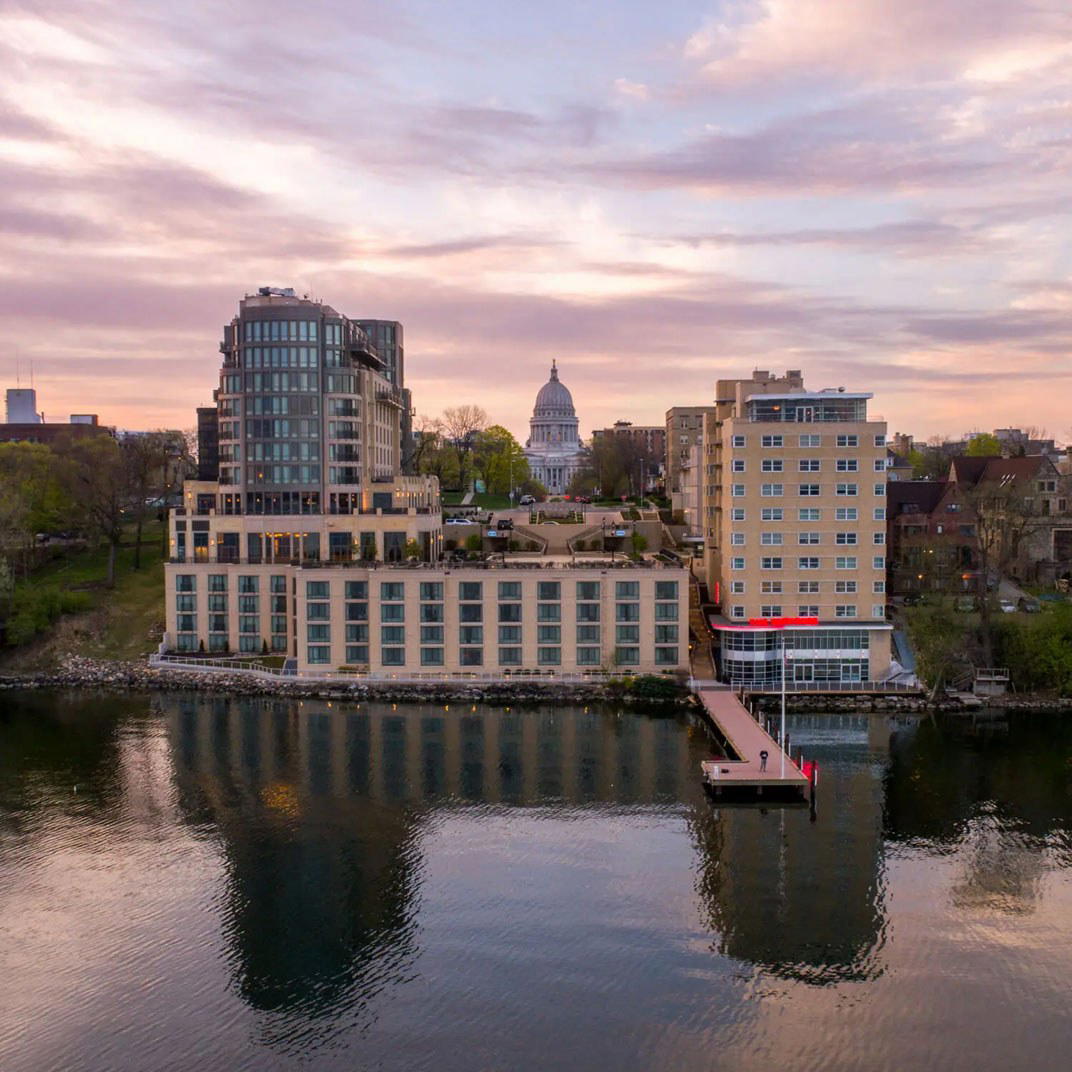
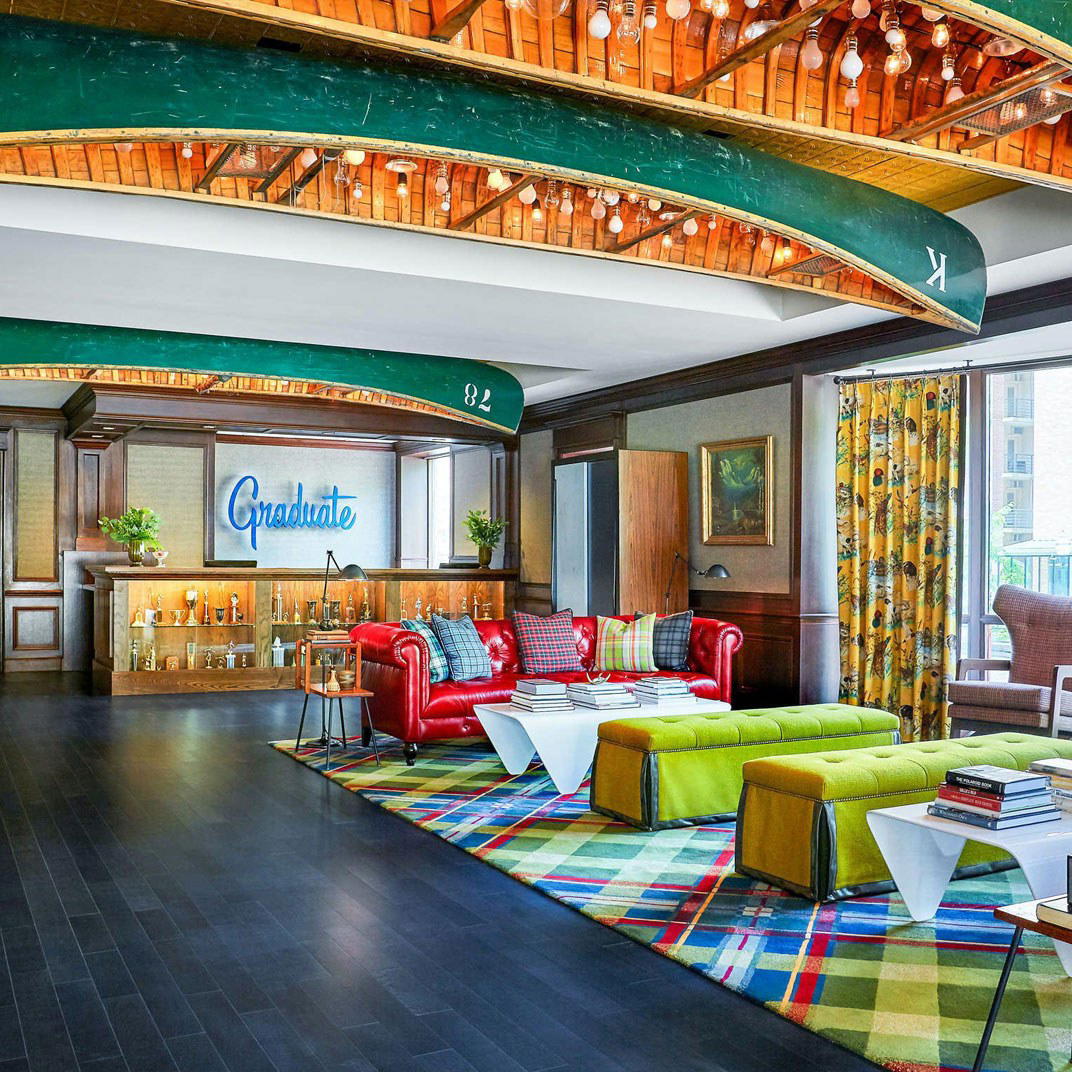
Cozy bistro atmosphere with waterfront views, warm lighting, and elegant French-American dining vibe.