Black Rose Blending Co.
Black Rose Blending Co. occupies a distinct corner of Madison's drinking scene at 1602 Gilson St, where the format centers on blending as both craft and experience. In a city still sharpening its cocktail identity, it represents the specialist tier of the market: low on fanfare, high on process. What to expect and how to plan your visit requires a little groundwork.
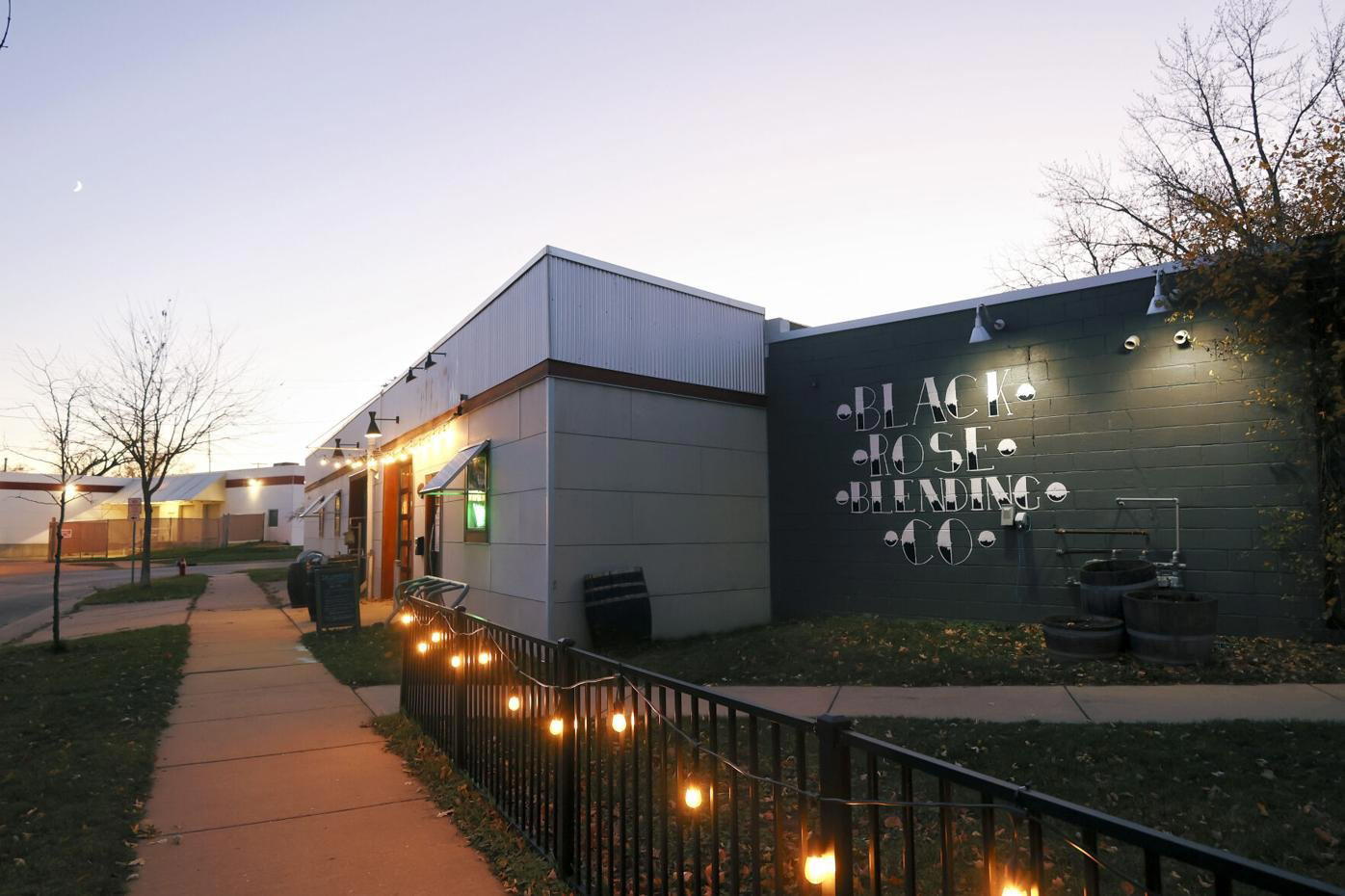
Where Blending Becomes the Program
Madison's drinking scene has been sorting itself into clearer tiers over the past several years. The neighborhood tavern tradition remains deeply embedded in the city's culture, with places like Caribou Tavern and Blue Moon Bar & Grill anchoring the unpretentious end. At the other end, a smaller cohort of technically oriented operations has emerged, where the format itself carries editorial weight. Black Rose Blending Co. at 1602 Gilson St belongs to that second category. The address sits in a residential-adjacent pocket of Madison, away from the State Street corridor, which sets the tone before you step inside: this is not a venue designed around foot traffic.
Blending-focused formats occupy an unusual position in American drinking culture. They sit somewhere between spirits retail, educational experience, and bar proper, and the category has grown steadily as consumers moved from brand loyalty toward process literacy. Operations in this space ask something of their guests that a conventional cocktail bar does not: participation in the product. Whether the format runs toward whiskey blending sessions, custom spirit creation, or structured tasting flights, the model positions knowledge transfer as part of the offering rather than background atmosphere.
Planning Your Visit: What the Logistics Actually Look Like
The editorial angle on Black Rose Blending Co. is, frankly, one of planning uncertainty. That absence of public-facing information is itself a data point. Operations in this format often run by appointment or through private session bookings rather than walk-in trade, a structure common to blending studios and specialist spirit experiences in mid-sized American cities.
That means the first move for any prospective visitor is verification before commitment. Searching current local listings, checking Madison-focused hospitality channels, or reaching out through any active social media presence the venue maintains will give you a clearer picture of current operating status and how sessions are structured. Venues of this type frequently update their availability and format outside of traditional listing platforms, so real-time confirmation matters more than it would at a standard bar.
For comparison: blending-format experiences at operations like Bar Leather Apron in Honolulu or technically precise programs such as Kumiko in Chicago tend to require advance planning even when booking infrastructure is clearly published. At a smaller, less publicly documented venue like Black Rose Blending Co. assume the lead time requirement is at least as demanding, and build your planning timeline accordingly.
How Black Rose Blending Co. Fits Madison's Specialist Tier
Madison supports a more diverse drinking scene than its size might suggest. The university-city base creates sustained demand across price points, while a professional class concentrated around state government and the healthcare sector provides the audience for higher-commitment, higher-curiosity experiences. Specialist formats in that environment tend to find a niche audience reliably, even without significant marketing infrastructure.
Within that context, a blending-focused operation competes less with neighborhood bars and more with the structured experience category: private dinners, winemaker sessions, and curated tastings. The comparison set shifts from Bar Corallini or Ahan on the cocktail bar end to something closer to a working studio with a hospitality component. That positioning is neither better nor worse than the conventional bar model, it serves a different use case, specifically for guests who want a structured, active engagement with the product rather than a curated drink delivered across a counter.
Nationally, the blending studio format has found traction in cities with strong spirits culture: programs at Jewel of the South in New Orleans and the spirit-forward approach at Julep in Houston reflect how seriously mid-tier American cities are taking the craft spirits conversation. Operations like Superbueno in New York City, ABV in San Francisco, and The Parlour in Frankfurt on the Main demonstrate how technically grounded formats build loyal audiences across very different city sizes and demographics. Black Rose Blending Co. operates at a smaller scale than most of those references, but the underlying logic of the format is consistent: depth of engagement over volume of throughput.
What to Expect from the Experience
serves are not something EP Club can responsibly publish. What the format category reliably involves is some version of guided spirit selection, blending ratios, sensory evaluation, and a finished product the participant has shaped. In more elaborate versions of this model, guests leave with a labeled bottle of their own blend. In lighter formats, the session produces a cocktail or flight built around the blend created in the experience.
The Gilson Street location, outside Madison's central entertainment districts, reinforces the probability that this is a session-oriented rather than drop-in venue. That physical distance from the bar-crawl circuit is a feature for the right guest: sessions at blending operations work leading when participants arrive with time and attention rather than as a stop on a broader evening. If you are building an evening around multiple venues, Black Rose Blending Co. is more logically a starting point or a standalone occasion than a mid-evening add-on.
For the broader picture of what Madison offers across bar formats and price tiers, see our full Madison restaurants guide, which maps the city's hospitality scene across neighborhoods and categories.
Practical Planning Notes
Gilson Street is accessible from central Madison by car or rideshare with no logistical complications. If the operation runs on a session or appointment model, availability may be limited on short notice, particularly on weekends. Arriving with a group rather than as a solo visitor is generally better suited to blending formats, where the social dimension of building and comparing blends adds to the experience. Price point is also unconfirmed, but blending session formats in comparable American markets typically carry a higher per-person cost than a standard cocktail bar, reflecting the instructional and materials component of the experience.
| Venue | Cuisine | Price |
|---|---|---|
| Black Rose Blending Co.This venue (the venue you are viewing) | This venue | Not listed |
| Bar Corallini | Not listed | $30–50 |
| Dexter's Pub | Not listed | $20–30 |
| Lucille | Not listed | $30–50 |
Continue exploring
More in Madison
Bars in Madison
All bars in Madison →
Restaurants in Madison
All restaurants in Madison →
Details
- Rustic
- Cozy
- Intimate
- Casual Hangout
- Standalone
- Seated Bar
- Craft Beer