Caribou Tavern
Caribou Tavern on Madison's East Johnson Street occupies the neighborhood-bar tier that serious drinkers in the city return to without much deliberation. The draw is consistency rather than spectacle: a room that feels earned rather than designed, and a crowd that skews local over tourist. For those mapping Madison's bar scene beyond the Capitol Square circuit, it belongs in the conversation.

Pearl is the En Primeur Club membership app, where members save venues, book tables and use the concierge.
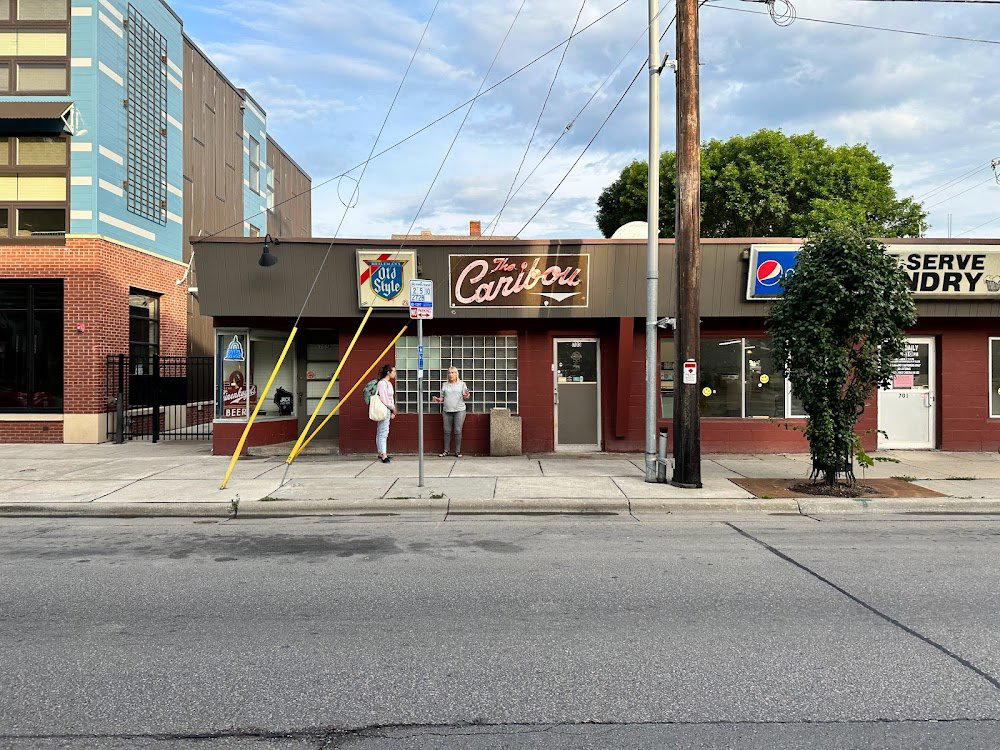
East Side Gravity
Madison's East Johnson Street corridor has developed a distinct drinking culture separate from the State Street and Capitol Square circuit that captures most visitors. The bars here tend to run deeper on regulars and lighter on tourism, and the neighborhood's character shows in how the rooms feel: worn in rather than styled, functional rather than curated. Caribou Tavern, at 703 E Johnson St, sits squarely in that tradition. This is a bar whose appeal accumulates through repeat visits rather than first impressions, the kind of place where the room reads immediately as somewhere people already know how to be.
That quality is harder to manufacture than it looks. Across American cities, neighborhood taverns have split into two directions: either absorbed into craft-cocktail programming that distances them from their original social function, or left to slide into pure utility with no editorial point of view. The bars that hold both things together, a genuine local loyalty and enough quality to merit attention from outside the immediate zip code, occupy a narrower band. Caribou Tavern operates in that space on Madison's East Side.
What Keeps Regulars Returning
The regulars' bar, as a format, runs on a different logic than the destination bar. The destination bar asks you to arrive with expectations; the regulars' bar asks you to arrive with less. What you get in return is a room that already knows its own rhythm. Conversations are easier when the people around you aren't performing novelty. The pace is set by those who have been coming for years rather than by a front-of-house strategy.
At Caribou Tavern, the returning clientele shapes the experience in ways that don't show up in any formal description. The unwritten menu at a bar like this is the accumulated knowledge of what works: which seats carry the leading vantage, when the room shifts from after-work to late-night, which drinks the staff execute with the most confidence. These are things you learn over time or absorb from people who already know. First-time visitors who treat the place as a neighborhood bar rather than a venue to be reviewed tend to land closer to what the regulars already have.
Madison's East Side has developed enough of a dining and drinking identity that it supports venues at different tiers and formats. The corridor around East Johnson feeds into a broader neighborhood where bars like Blue Moon Bar & Grill have established their own long-running local followings. Caribou Tavern fits within that pattern: bars that have earned their place through duration and consistency rather than concept.
Madison's Bar Scene in Context
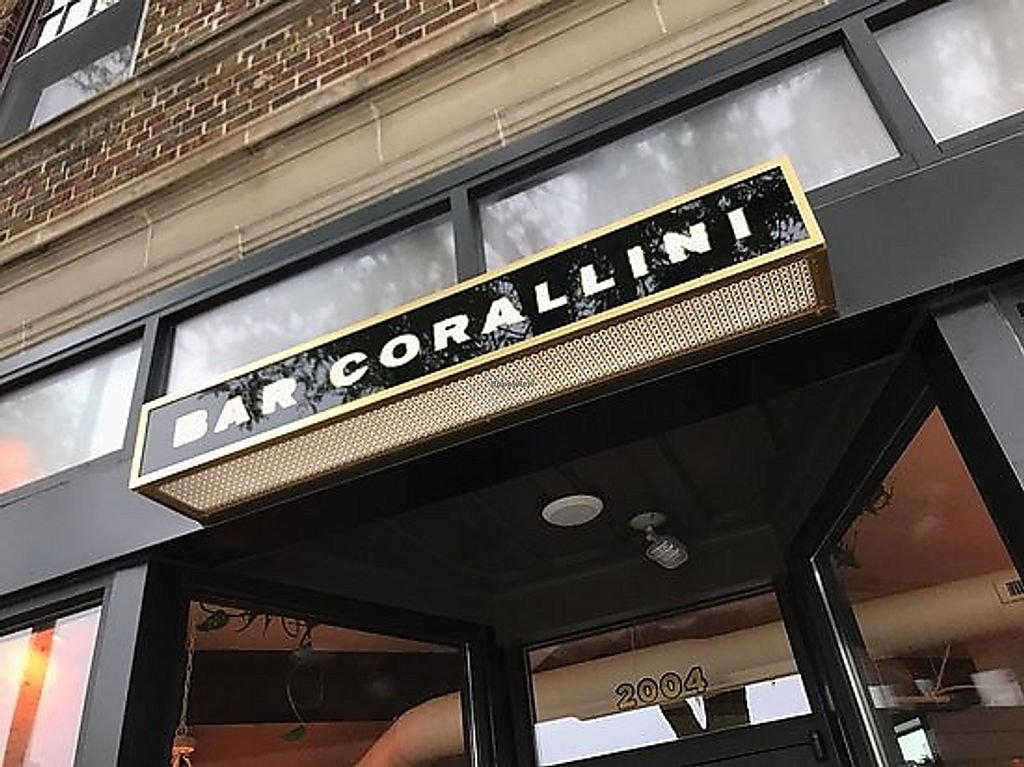
To understand where Caribou Tavern sits, it helps to map the broader field. Madison's bar scene is more layered than its college-town reputation suggests. The city has produced bars that compete credibly against the kind of technically serious programs you find at places like Kumiko in Chicago or ABV in San Francisco. Venues such as Ahan and Bar Corallini have pushed Madison's cocktail identity toward the kind of precision-led programming more commonly associated with larger markets. Black Rose Blending Co. has developed a specialized identity around spirits education and blending formats that places it in a different tier entirely.
Caribou Tavern doesn't compete in that register, and it doesn't need to. The neighborhood tavern occupies a different function in a city's drinking ecosystem. Where bars like Jewel of the South in New Orleans, Julep in Houston, or Bar Leather Apron in Honolulu are built around formal craft identity and destination-bar credentials, the neighborhood tavern's credentials are social. That's a different kind of quality signal, and in Madison's case, a meaningful one given how much local competition exists.
For a fuller map of where Caribou Tavern fits within Madison's eating and drinking options, the EP Club Madison restaurants guide covers the city's notable venues across formats and price tiers. Bars like The Parlour in Frankfurt and Superbueno in New York City demonstrate how bars with clear local identity can develop reputations that extend well beyond their immediate neighborhoods; Caribou Tavern operates at a more contained scale, but the underlying logic, loyalty built through consistency, is the same.
Getting There and Planning Your Visit
Caribou Tavern is located at 703 E Johnson St in Madison's East Side, a walkable stretch that connects to the Williamson Street neighborhood and is accessible from Capitol Square in under fifteen minutes by bike or car. The address puts it outside the immediate university district, which affects both the crowd composition and the feel of the room at different hours. Those coming from further out of the city should note that East Johnson has limited parking on weekend evenings, and the area is better served by arriving on foot or by rideshare if you're coming from the Isthmus.
Category Peers
Comparable venues nearby, for context on price, style, and recognition.
| Venue | Cuisine | Price | Notes |
|---|---|---|---|
| Caribou TavernThis venue (the venue you are viewing) | dive_bar | $20–30 | Not listed |
| Casetta Kitchen and Counter | Bar | Not listed | Downtown |
| Lucille | cocktail_bar | $30–50 | First Settlement District |
| Lombardino's Restaurant | lounge | $30–50 | University Avenue |
| The Bur Oak | lounge | $20–30 | Atwood |
| Forward Craft & Coffee | beer_bar | $10–20 | Schenk-Atwood |
Continue exploring
More in Madison
Bars in Madison
All bars in Madison →
Restaurants in Madison
All restaurants in Madison →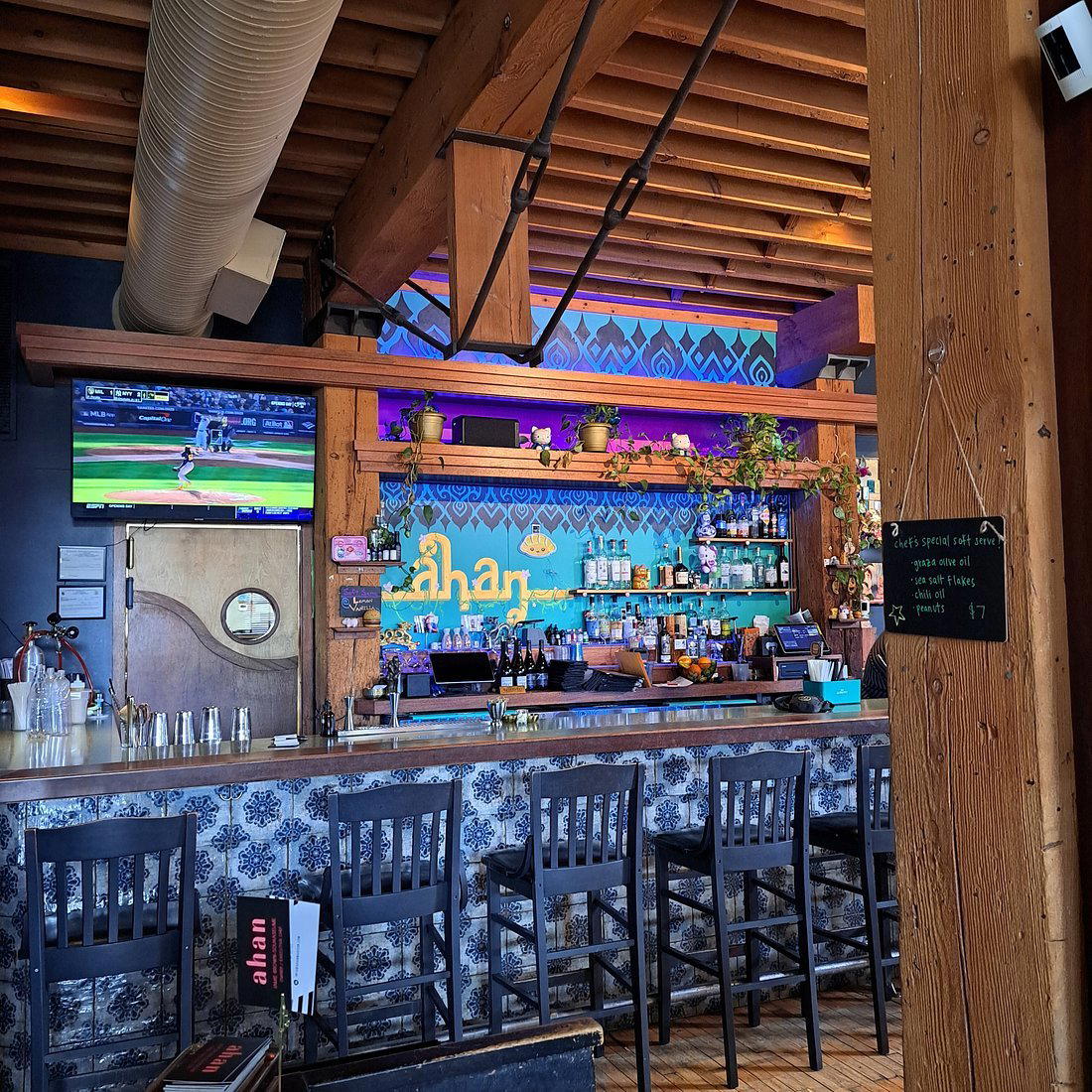
Caribou Tavern
The drinks
- Classic cocktails
Signature drinks: Caribou Oatmeal Shot.
Details
- Cozy
- Classic
- Rustic
- Casual Hangout
- Late Night
- Standalone
- Seated Bar
- Classic Cocktails
Current opening hours
- Monday
- 11 AM–1:45 AM
- Tuesday
- 11 AM–1:45 AM
- Wednesday
- 11 AM–1:45 AM
- Thursday
- 11 AM–1:45 AM
- Friday
- 11 AM–2:30 AM
- Saturday
- 11 AM–2:30 AM
- Sunday
- 11 AM–1:45 AM
Hours can change for holidays and private events. Hours as of .
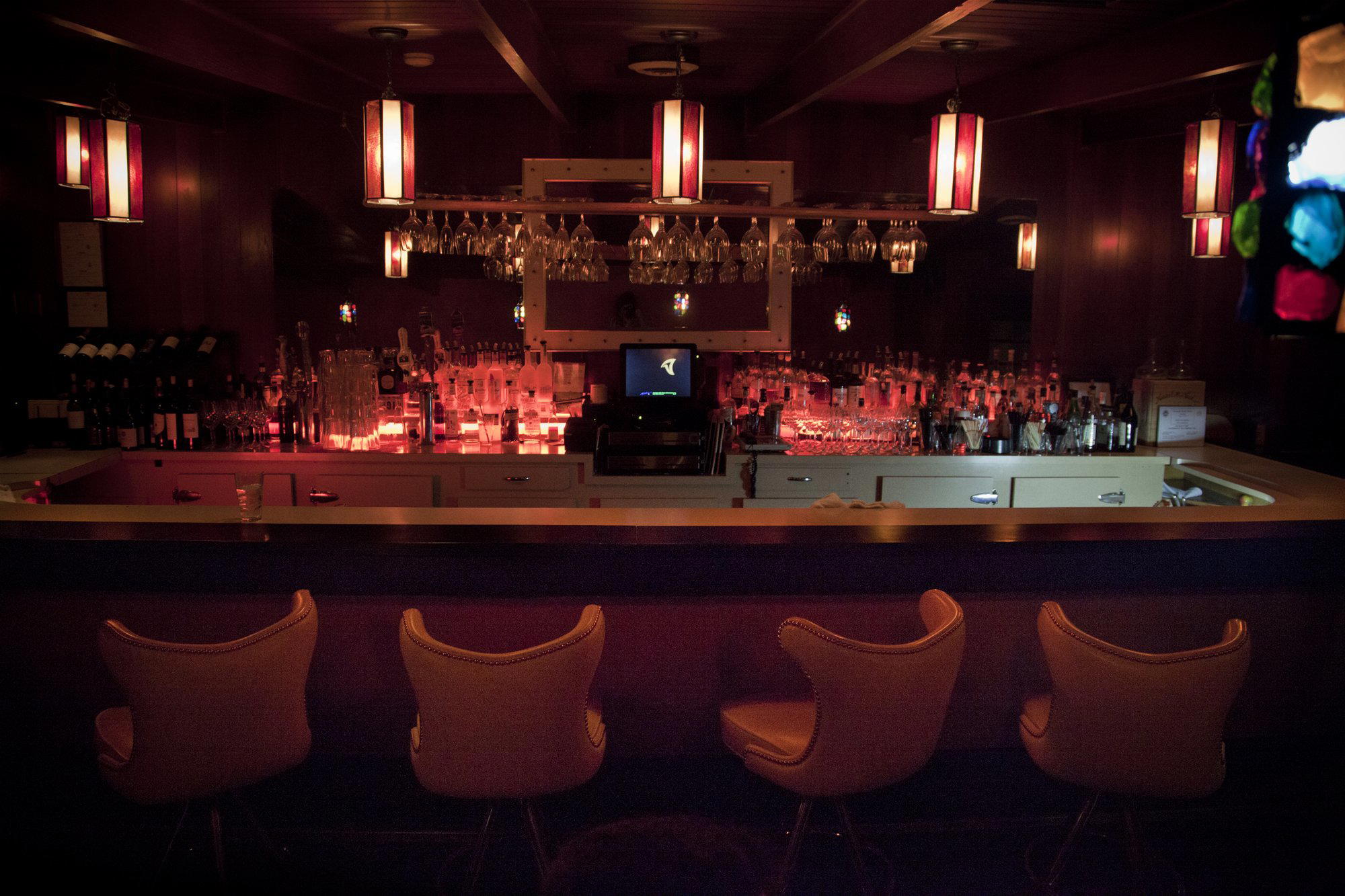
Cozy old-school dive bar atmosphere with a welcoming, intimate neighborhood feel.