Google: 4.4 · 2,037 reviews
Graze Restaurant
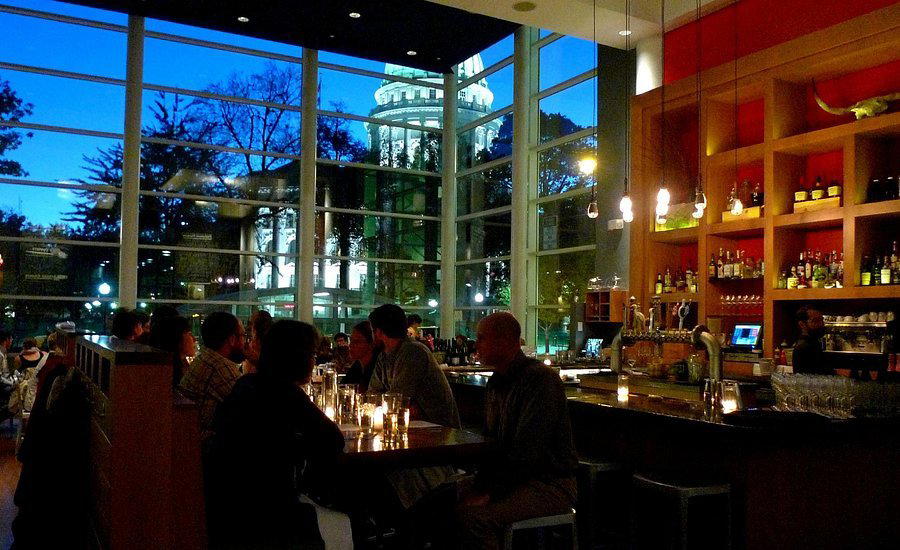
On Capitol Square in downtown Madison, Graze occupies the kind of address that sets expectations before you reach the door. The restaurant positions itself within Wisconsin's farm-to-table tradition, drawing on regional sourcing and a commitment to ethical supply chains that places it in a different tier from the square's more convention-driven dining options.
 Discover on Pearl
Pearl is the En Primeur Club membership app — saves, bookings, and concierge access live there. Same editors, same standards.
Where the Square Meets the Source
Capitol Square in downtown Madison carries a particular kind of civic weight. The farmers' market that rings the square every Saturday morning from spring through fall is one of the largest producer-only markets in the United States, and the restaurants that take that market seriously operate in a different register from those that treat it as a backdrop. Graze, at 1 South Pinckney Street, is positioned to take it seriously. The address places the dining room within direct proximity to that supply chain, and the restaurant's identity is built around what that proximity implies: shorter transit times from farm to plate, direct relationships with regional growers, and a menu logic that follows seasonal availability rather than imposing a fixed format on it.
That approach is less a novelty in 2024 than it once was. Farm-to-table language has been so broadly applied across American dining that it has lost much of its signal value. What separates the restaurants that actually execute on it from those that use it as positioning is the specificity of their sourcing relationships and the degree to which those relationships visibly shape what arrives at the table. At Graze, the Capitol Square address makes those relationships more legible than at restaurants operating further from the supply source.
The Ethics Behind the Menu
The sustainability conversation in American dining has moved well past organic certification and local sourcing labels. The more substantive questions now concern waste reduction, whole-animal and whole-vegetable utilization, ethical labor practices across the supply chain, and the carbon cost of distribution networks. Madison's dining scene has been shaped in part by its proximity to the University of Wisconsin and a civic culture that has historically treated these questions as practical rather than ideological.
Graze occupies a position in that context that distinguishes it from the broader Capitol Square dining cluster. Restaurants in the same geographic tier, including L'Etoile, which has operated on the square with a sustained commitment to Wisconsin producers for decades, have established a precedent for taking sourcing ethics seriously at the fine-dining price point. Graze operates in conversation with that precedent, though in a register that is somewhat more accessible and less ceremonial than the white-tablecloth format that defined the square's earlier farm-table generation.
The practical implications of ethical sourcing show up in menu construction. When a kitchen commits to using what is actually available from specific farms rather than what a stable menu requires, the result is more frequent rotation, smaller batch sizes, and a different kind of waste profile. Proteins that might otherwise go unused, vegetable trim that becomes stock or ferment rather than compost, and dairy sourced close enough to arrive at peak condition rather than requiring preservation treatment: these are the operational signatures of a sourcing program that goes beyond the label.
Madison's Farm-Table Tier: Where Graze Fits
Madison supports a dining scene that punches above its population weight, in part because the university creates sustained demand for international cuisines and in part because the surrounding agricultural region provides genuine material to work with. The farm-table tier here is not aspirational in the way it might be in a city with less agricultural infrastructure. There are actual farms, actual producers, and actual relationships to draw on.
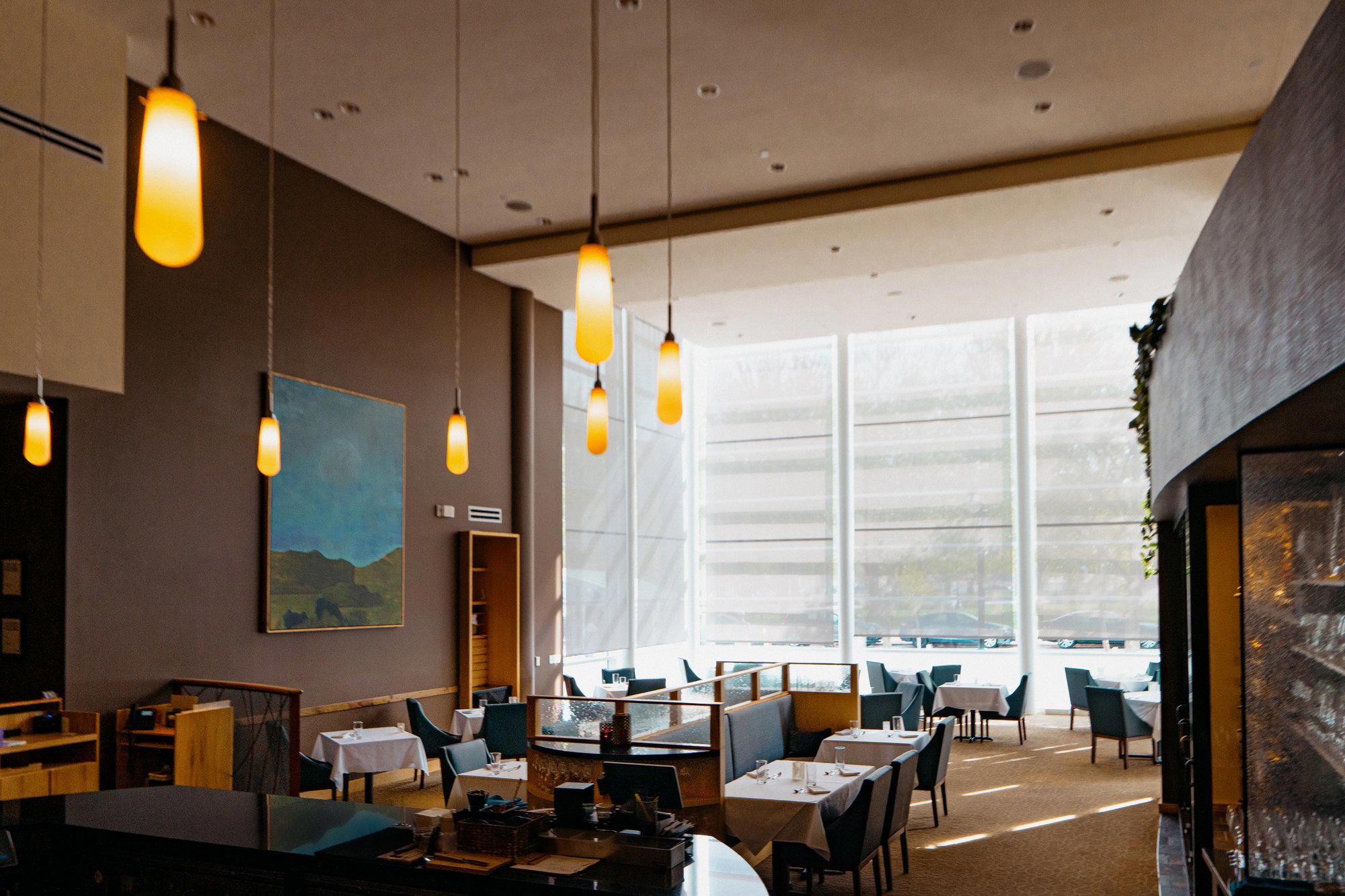
Within that tier, venues segment by price point, formality, and the degree to which sustainability is foregrounded as an explicit editorial position versus embedded quietly in sourcing decisions. Graze sits in the mid-to-upper range of that spectrum, where the sourcing story is part of the dining proposition but the room is not built around ceremony. For visitors arriving from cities where ethical sourcing operates as a premium signal attached to a premium price, Madison's version of this can feel both more earnest and more matter-of-fact.
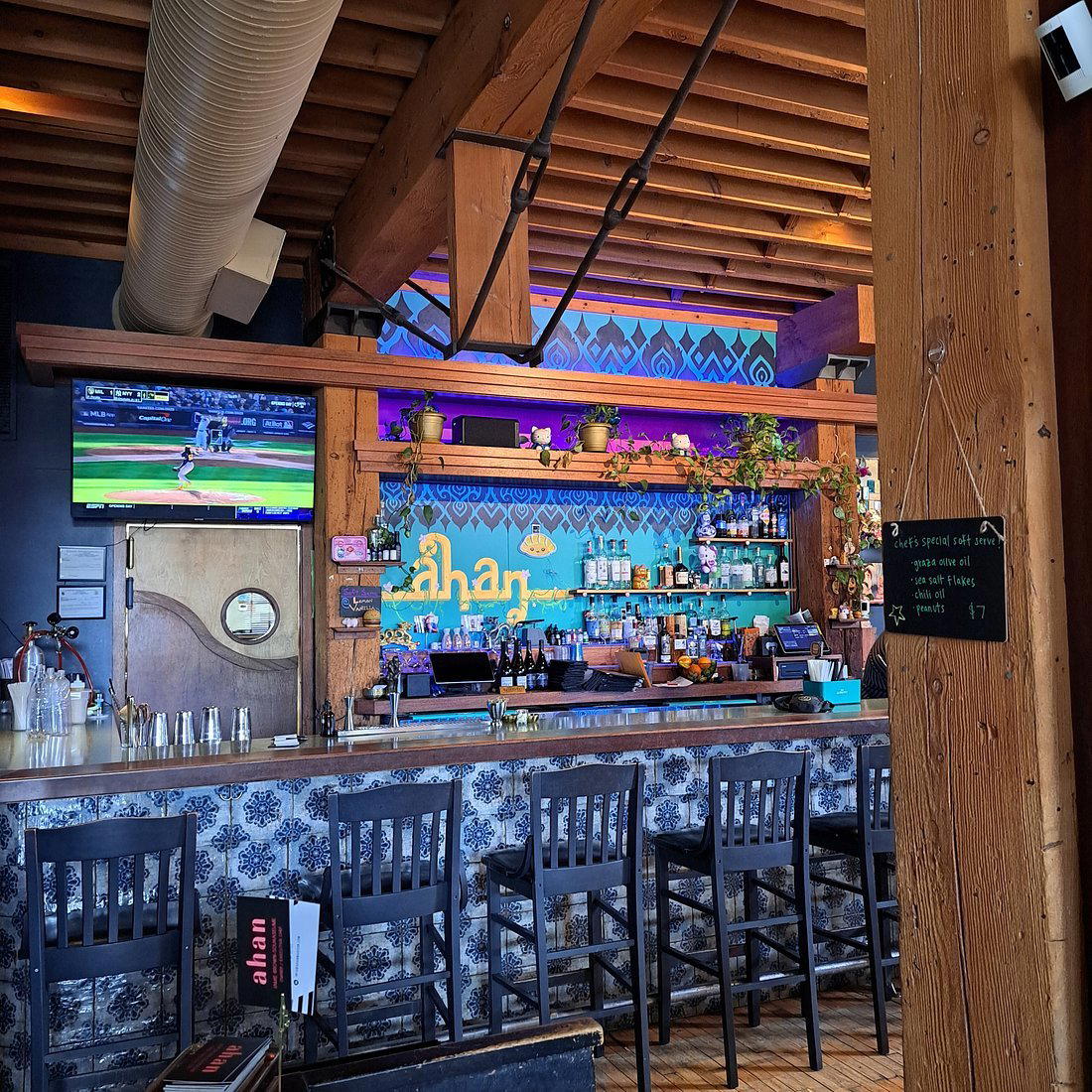
For a broader orientation to the city's drinking and dining options, our full Madison restaurants guide maps the scene across neighborhoods and price tiers. Madison's bar program has also developed considerably, with venues like Ahan, Bar Corallini, Black Rose Blending Co., and Blue Moon Bar and Grill each staking out distinct positions in what has become a more considered cocktail culture. That shift mirrors a national pattern visible in cities like Chicago, where Kumiko has built a program around Japanese-influenced technique, and New York, where Superbueno brings a different regional logic to its drinks list. In Honolulu, Bar Leather Apron and in New Orleans, Jewel of the South represent the kind of place-specific program that Madison's better bars are working toward. Further afield, Julep in Houston, ABV in San Francisco, and The Parlour in Frankfurt each demonstrate how bar programs can carry a distinct editorial identity beyond the drink list itself.
Planning a Visit
Graze sits at 1 South Pinckney Street, on Capitol Square, which makes it direct to combine with the Saturday farmers' market if timing allows. The square is walkable from most downtown hotels, and street parking on Pinckney runs metered during the day. For specific hours, current menu format, and reservation availability, checking directly with the restaurant is advisable given how frequently sourcing-driven menus rotate. The seasonal nature of the program means that what arrives in a February sitting will differ substantially from a visit in late August, when Wisconsin's growing season is at its most productive.
Compact Comparison
A compact peer set to orient you in the local landscape.
| Venue | Notes | Price |
|---|---|---|
| Graze Restaurant | This venue | |
| Gates & Brovi | ||
| Bar Corallini | ||
| Dexter's Pub | ||
| Lucille | ||
| L'Etoile Restaurant |
Continue exploring
More in Madison
Bars in Madison
Browse all →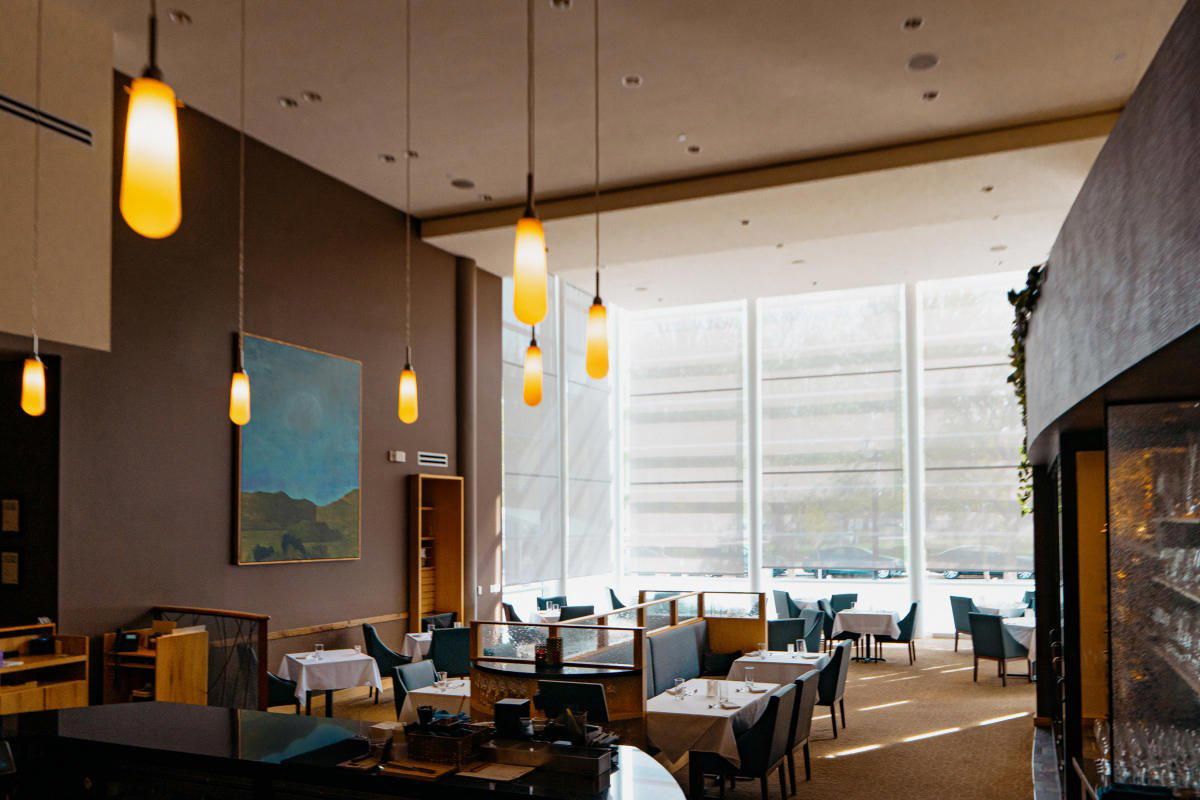

Restaurants in Madison
Browse all →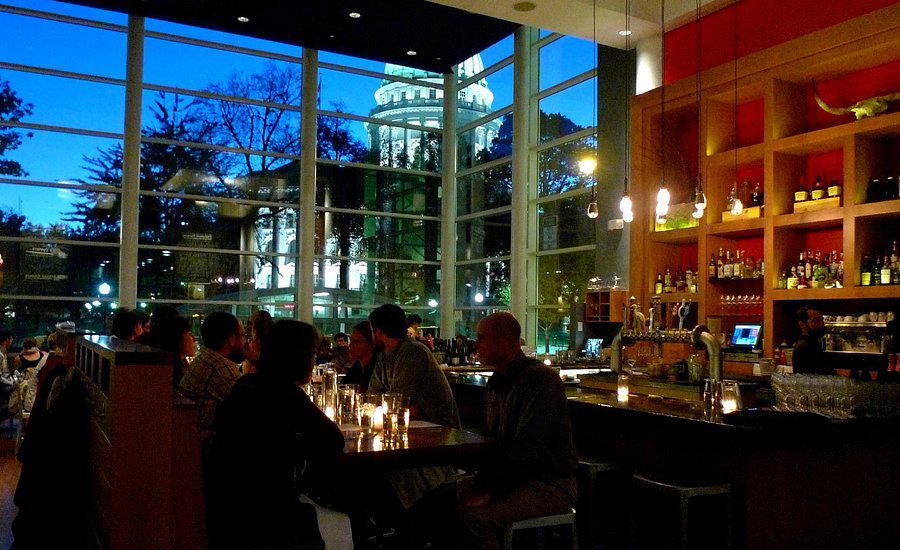
Hotels in Madison
Browse all →
At a Glance
- Lively
- Modern
- Elegant
- Date Night
- Brunch
- Panoramic View
- Lounge Seating
- Craft Cocktails
- Skyline
Lively and airy modern glass venue with a moody scene.