Sanyuu West
Sanyuu West occupies a quiet stretch of West 18th Street in Chelsea, sitting within a Manhattan bar scene that has shifted decisively toward considered, low-intervention programs over the past decade. The address places it at the intersection of Chelsea's gallery-adjacent evening trade and the broader craft cocktail corridor that runs through Flatiron and the West Village.
Pearl is the En Primeur Club membership app — saves, bookings, and concierge access live there. Same editors, same standards.
- Address
- 228 W 18th St, New York, NY 10011
- Phone
- +1 646 418 2235
- Website
- sanyuuwest.com
- Directions
- Get directions
 Saves & bookings on Pearl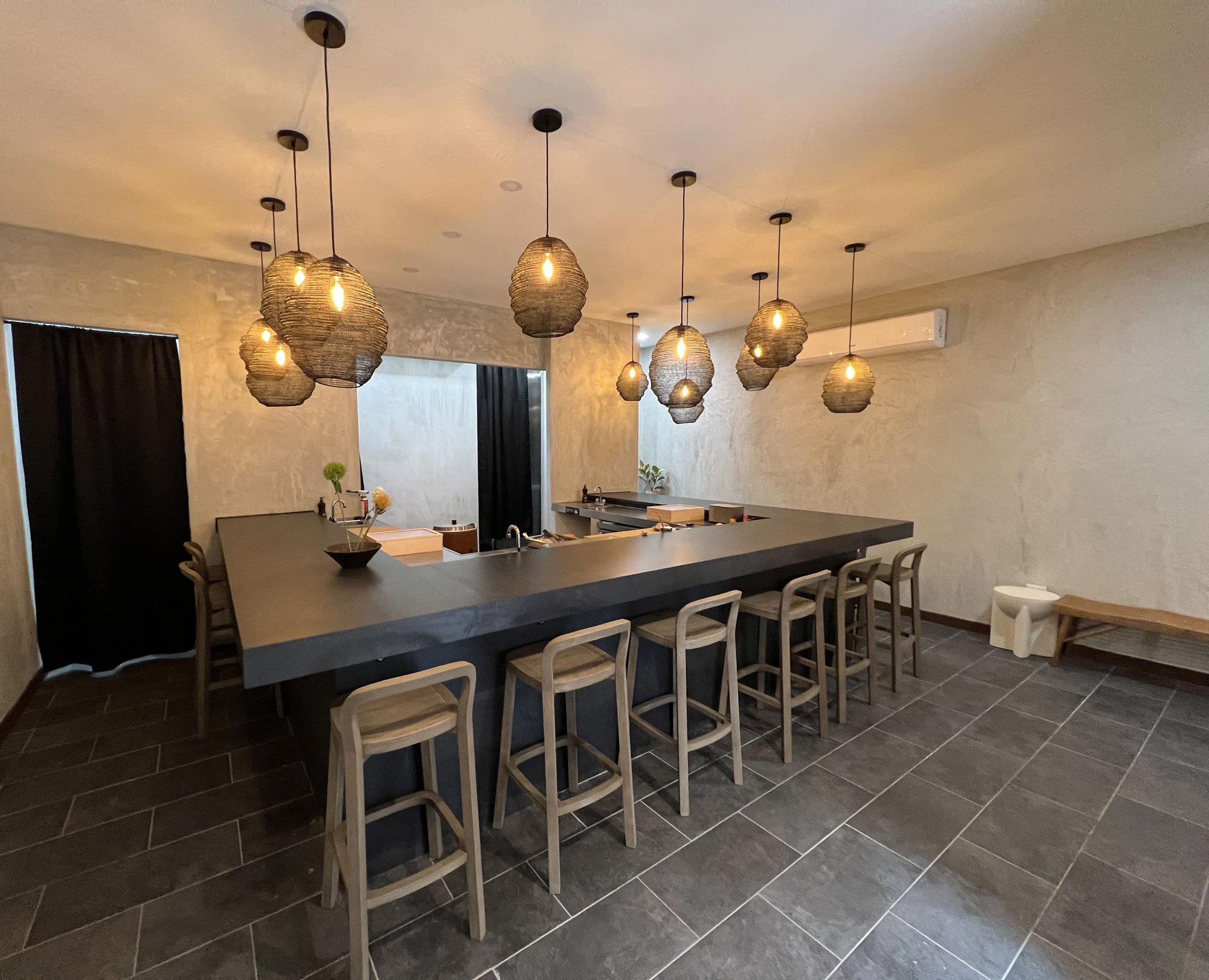
Chelsea's Shifting Bar Scene and Where Sanyuu West Sits Within It
West 18th Street in Chelsea is not a bar corridor in the conventional sense. The blocks between Seventh and Eighth Avenues have historically served gallery overflow, pre-dinner drinks for the neighborhood's mid-rise residential population, and the kind of low-key evening that doesn't announce itself on social media. That context matters when placing Sanyuu West at 228 W 18th St. Bars in this stretch tend to survive not on foot traffic but on repeat custom, and repeat custom in Chelsea is earned through consistency of atmosphere rather than novelty programming.
Manhattan's cocktail culture has undergone a recognizable arc over the past fifteen years. The speakeasy format, with its unmarked doors and password theater, gave way to a more transparent technical era: clarified stocks, fat-washed spirits, precise dilution, and menus organized around method rather than narrative. That shift is well documented in venues like Attaboy NYC on the Lower East Side, where the absence of a fixed menu is itself a design statement, and in Amor y Amargo, which built its entire identity around bitters and amaro at a time when most bars still treated them as accent ingredients. Sanyuu West enters this environment as a Chelsea address in a city where address still functions as a reliable signal of intended audience.
Atmosphere as Architecture: What the Space Communicates
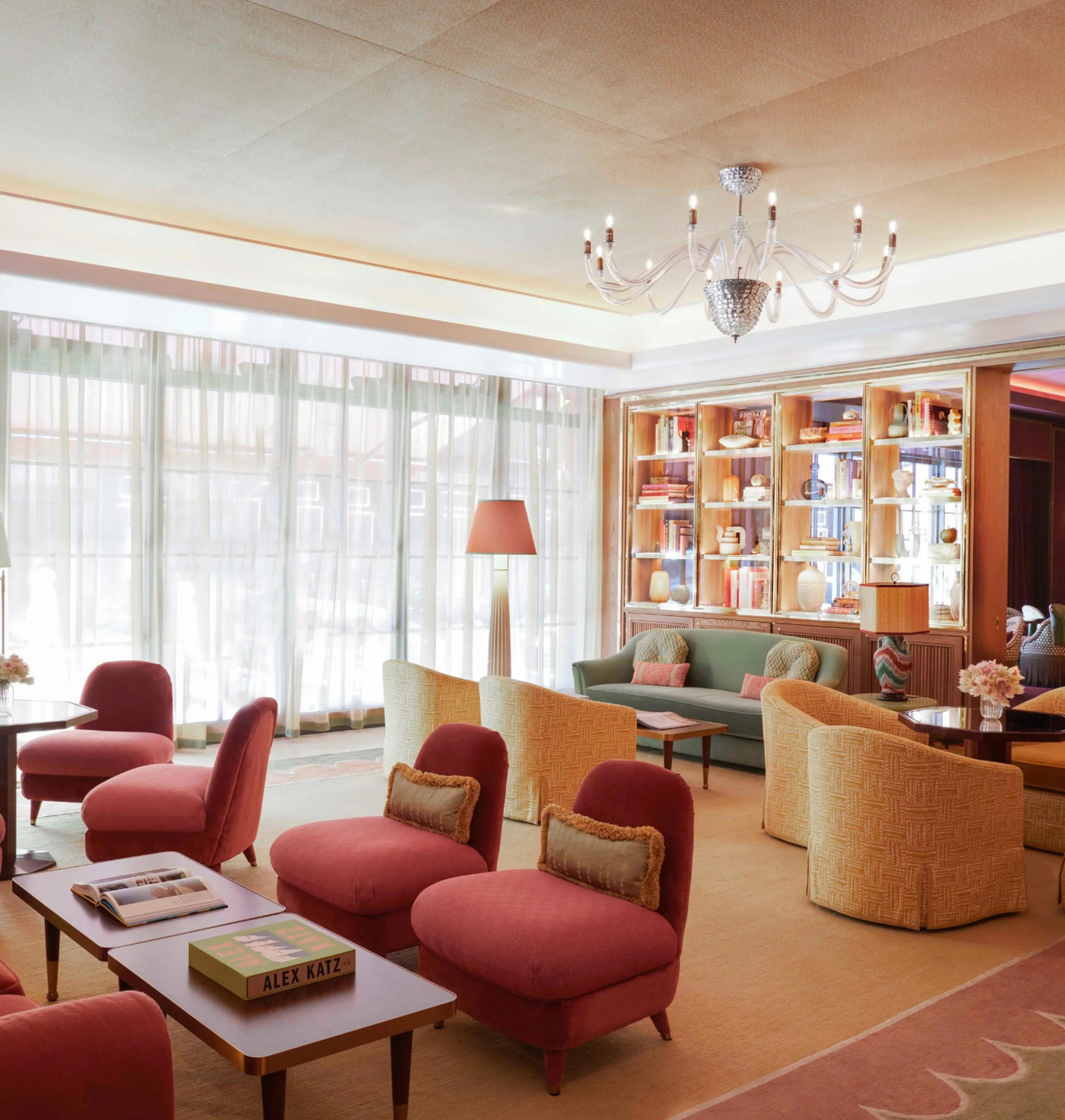
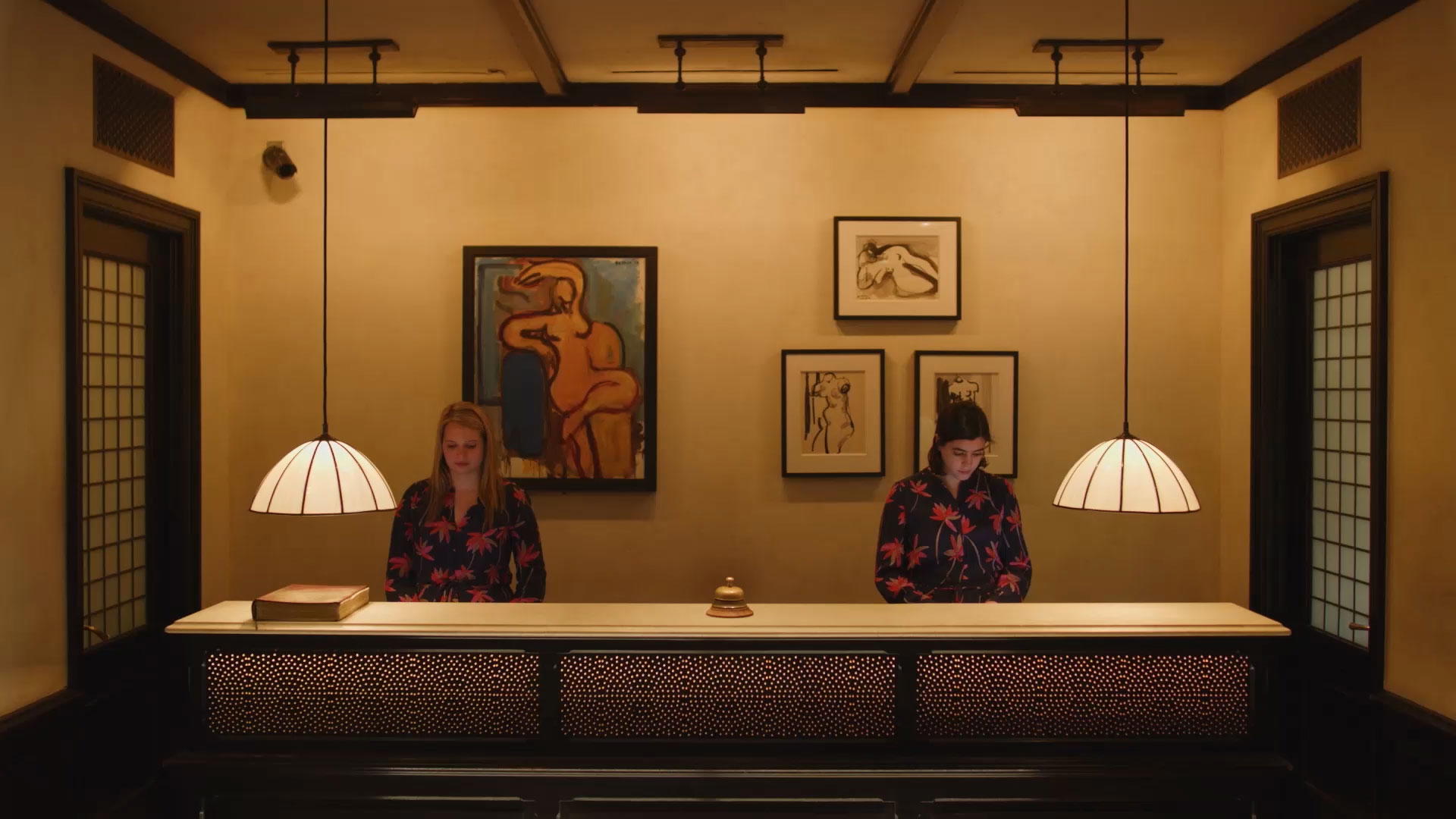
The editorial angle that frames Sanyuu West most honestly is the physical one. In a city where bar design has become a competitive category in its own right, the West 18th Street location tells a particular story before a drink is ordered. Chelsea's built environment runs toward raw-edged industrial conversion and gallery-white minimalism, and bars that hold their own in that context tend to make deliberate choices about lighting temperature, seating density, and acoustic management.
The question of how a bar earns its atmosphere, rather than simply purchasing it through a design budget, is one that separates the bars with longevity from those with opening-week coverage. Nationally, the bars that have demonstrated sustained critical interest, places like Kumiko in Chicago or Allegory in Washington, D.C., have in common a design coherence that reads as intentional rather than assembled. The room itself signals what kind of drinking the program intends to support. A bar with closely set tables and warm tungsten light is making a different argument than one with a long counter and overhead task lighting. Both can be correct; the wrongness comes from incoherence between the space and the drink.
For Sanyuu West, the Chelsea address implies a particular expectation from its local population: people who have spent evenings in gallery openings two blocks away, who are familiar with considered design as a baseline rather than a premium. That's a demanding audience, and it shapes what the room needs to do.
Manhattan's bar geography clusters recognizable peer sets by neighborhood. The East Village and Lower East Side carry the city's highest density of technically ambitious programs. The West Village runs toward wine-forward and approachable. Midtown holds the hotel bar tier. Chelsea, by contrast, operates in a register that doesn't map cleanly onto any of those, which creates both an opening and a constraint for any bar at this address.
Nationally, the equivalent registers appear in bars that have built reputations outside the primary cocktail corridors of their cities: Bar Leather Apron in Honolulu, which holds sustained recognition despite operating outside the continental cocktail circuit, or Jewel of the South in New Orleans, where the surrounding city's distinct drinking culture shapes what the room needs to offer. In each case, the bar's identity is partly a function of where it is, not just what it serves.
New York's more theatrical end of the spectrum, represented by Superbueno in the East Village with its high-energy Latin-inflected program, or the quieter, more scholarly tone of Angel's Share, which has occupied its East Village second-floor position for decades, show how differently a single city can accommodate bar formats. Sanyuu West's Chelsea location places it outside both of those poles. For broader national context across the craft cocktail tier, the full New York City guide maps the city's bar and restaurant scene by neighborhood and format.
Bars operating in comparable off-corridor positions in other cities have found that the physical space's relationship to its surroundings becomes the primary trust signal when other credentials, such as named awards or a nationally recognized program, are not yet established. ABV in San Francisco and Julep in Houston both built sustained reputations in part through neighborhood alignment, positioning the bar as an extension of its immediate environment rather than an import from a different scene. The Parlour in Frankfurt on the Main demonstrates that the same dynamic operates across different cities and countries: a bar that reads coherently within its immediate context earns a kind of authority that is difficult to manufacture.
What to Expect When You Visit
Chelsea operates on a different schedule than the neighborhoods to its south and east. Gallery openings cluster on Thursday evenings; the neighborhood's restaurant trade runs early; the late-night energy that sustains bars in the East Village or along the lower Eighth Avenue corridor is softer here. A bar at 228 W 18th St is drawing from a crowd that is finishing dinner nearby, walking from the High Line, or making a deliberate trip rather than falling in on a bar crawl. That self-selecting audience tends to reward bars that take the drink seriously and the atmosphere more seriously still.
The most durable bars in Manhattan's mid-range neighborhoods share a common feature: they create an environment that earns a second visit on its own terms, separate from the novelty of the first. The physical room, its light levels, its acoustic register, its density of seating, does more work in that equation than the menu does on opening night.
Planning Your Visit
Sanyuu West is located at 228 W 18th St, New York, NY 10011, in Chelsea. The area is well served by the 1, C, and E subway lines, with the 18th Street station on the 1 line directly adjacent. Thursday evenings in Chelsea tend to be the most active due to gallery programming in the surrounding blocks. No booking data is currently available through EP Club.
Address: 228 W 18th St, New York, NY 10011.
Continue exploring
More in New York City
Bars in New York City
Browse all →
Restaurants in New York City
Browse all →
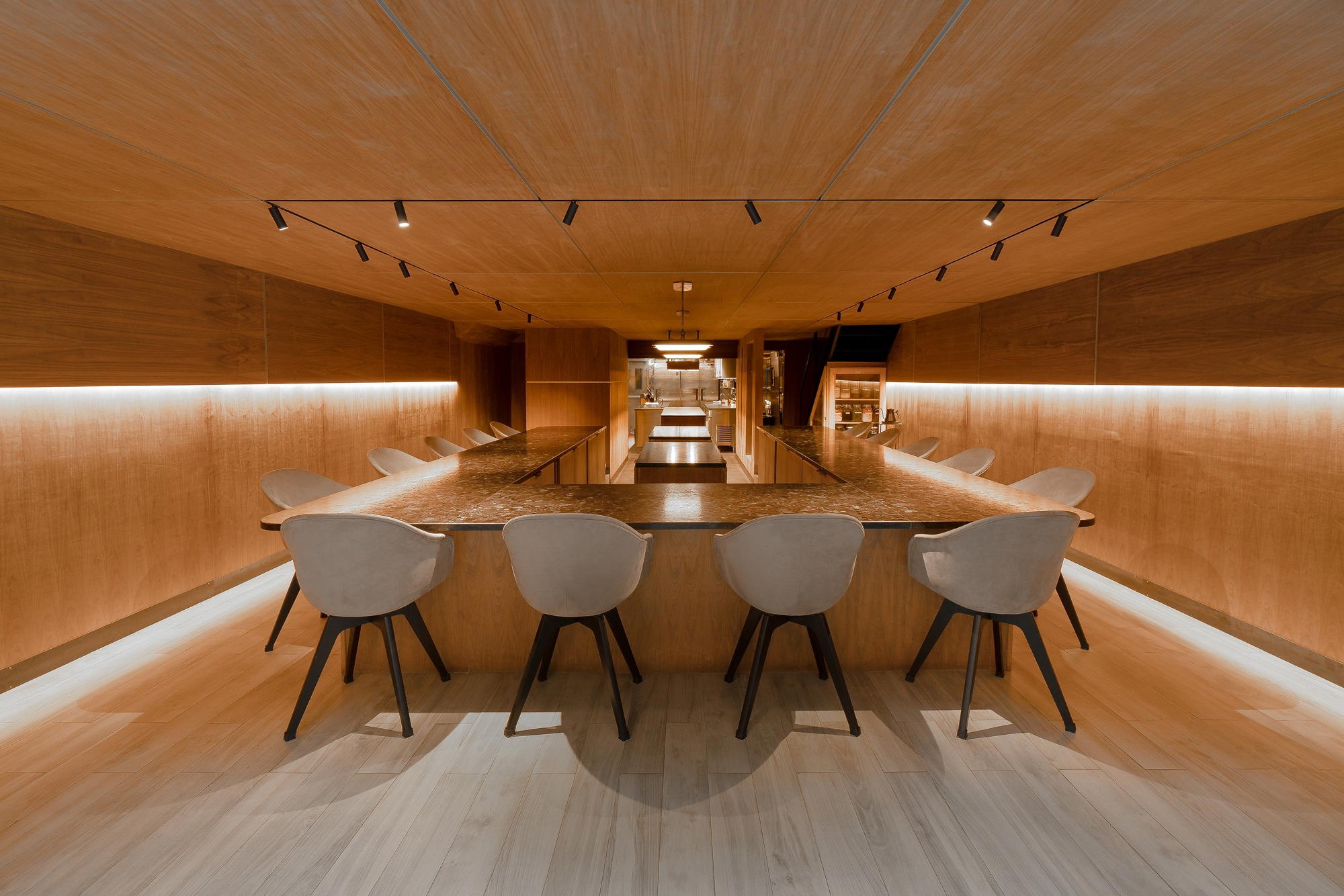
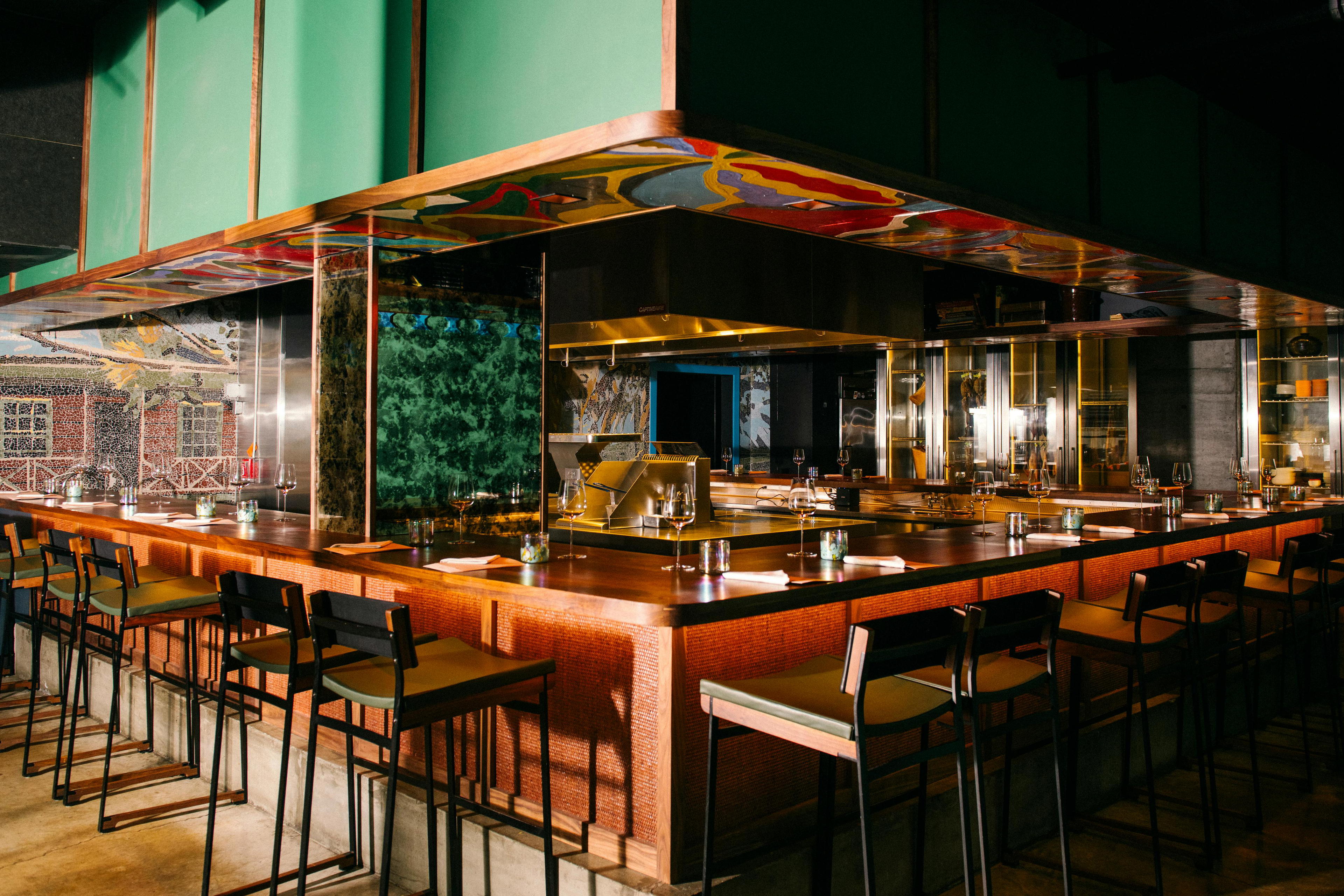
Hotels in New York City
Browse all →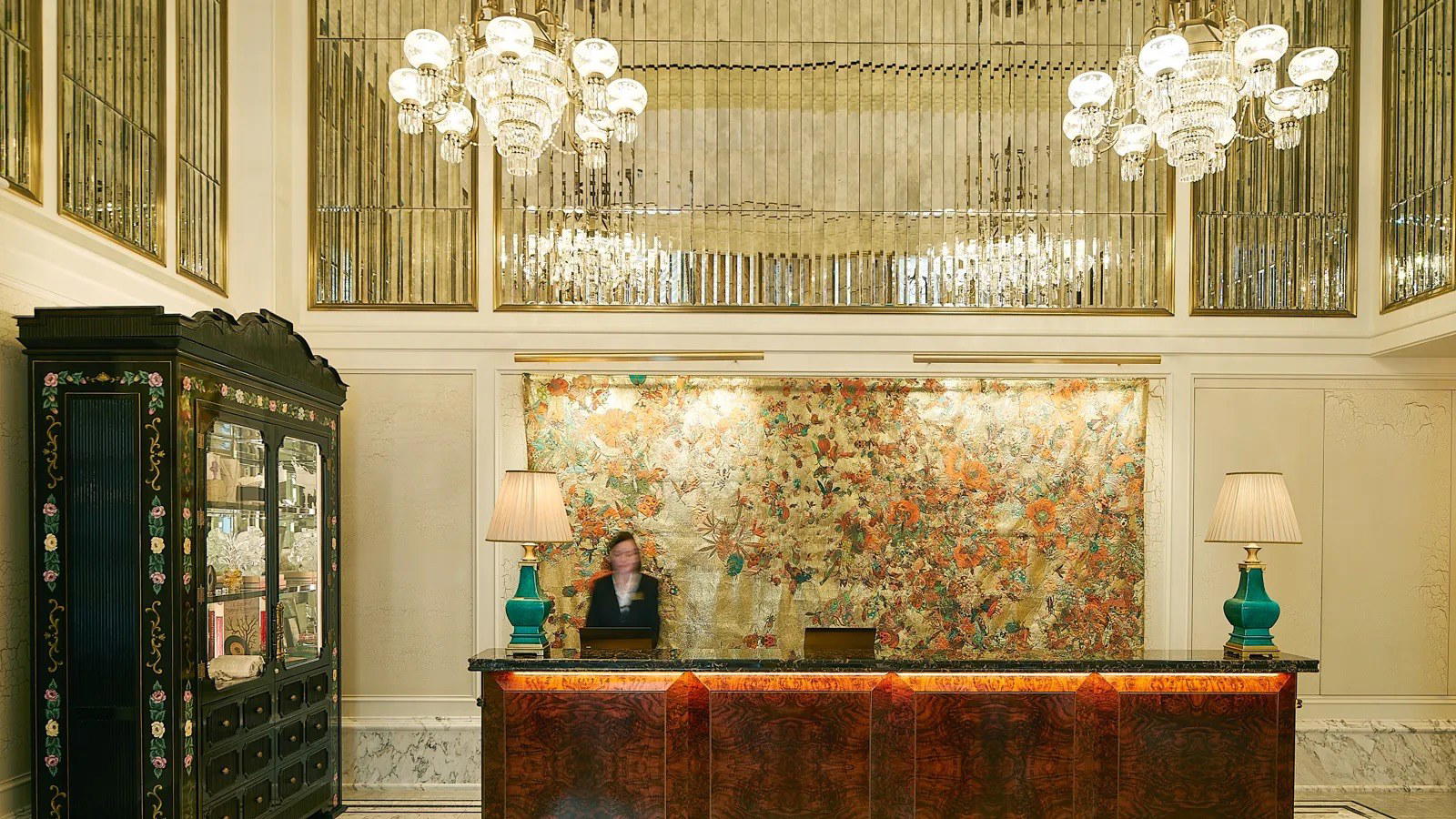
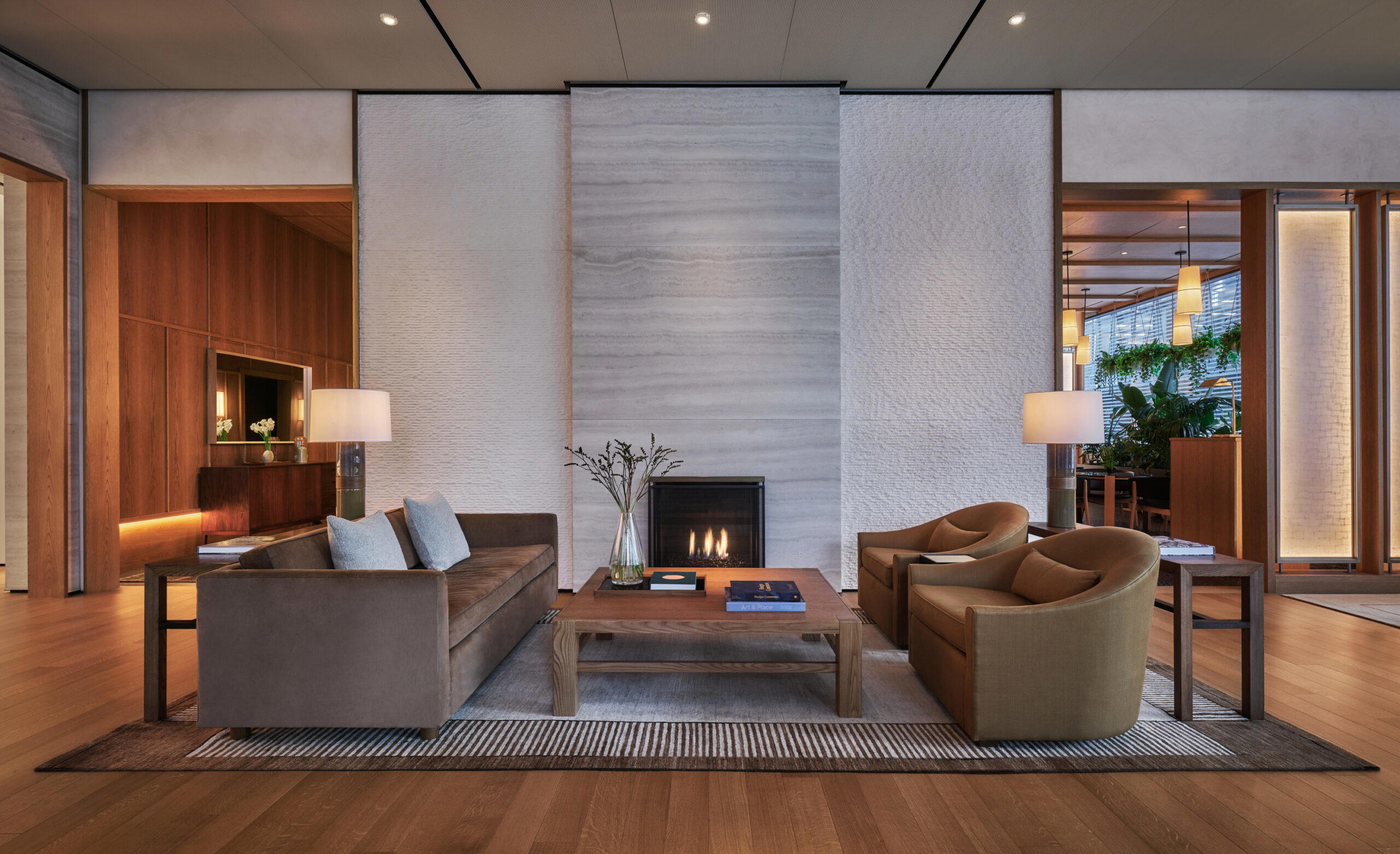





At a Glance
- Intimate
- Minimalist
- Cozy
- Date Night
- Special Occasion
- Standalone
- Seated Bar
- Counter Only
Current opening hours
- Monday
- Closed
- Tuesday
- 5–10 PM
- Wednesday
- 5–10 PM
- Thursday
- 5–10 PM
- Friday
- 5–10 PM
- Saturday
- 5–10 PM
- Sunday
- 5–10 PM
Hours can change for holidays and private events. Last verified .
Minimalistic, dimly lit, calming, and intimate atmosphere with viral TikTok music.
Know Before You Go
- Getting there
- 228 W 18th St, New York, NY 10011