Samurai Japanese Restaurant
On North Main Street in Salinas, Samurai Japanese Restaurant occupies a stretch of the city that has quietly developed its own concentration of Asian dining. Japanese cuisine in the Central Valley corridor tends to run between workaday lunch formats and more committed dinner programs, and Samurai sits within that range, drawing a regular local crowd and occasional visitors passing through the agricultural heartland of California.

Pearl is the En Primeur Club membership app, where members save venues, book tables and use the concierge.
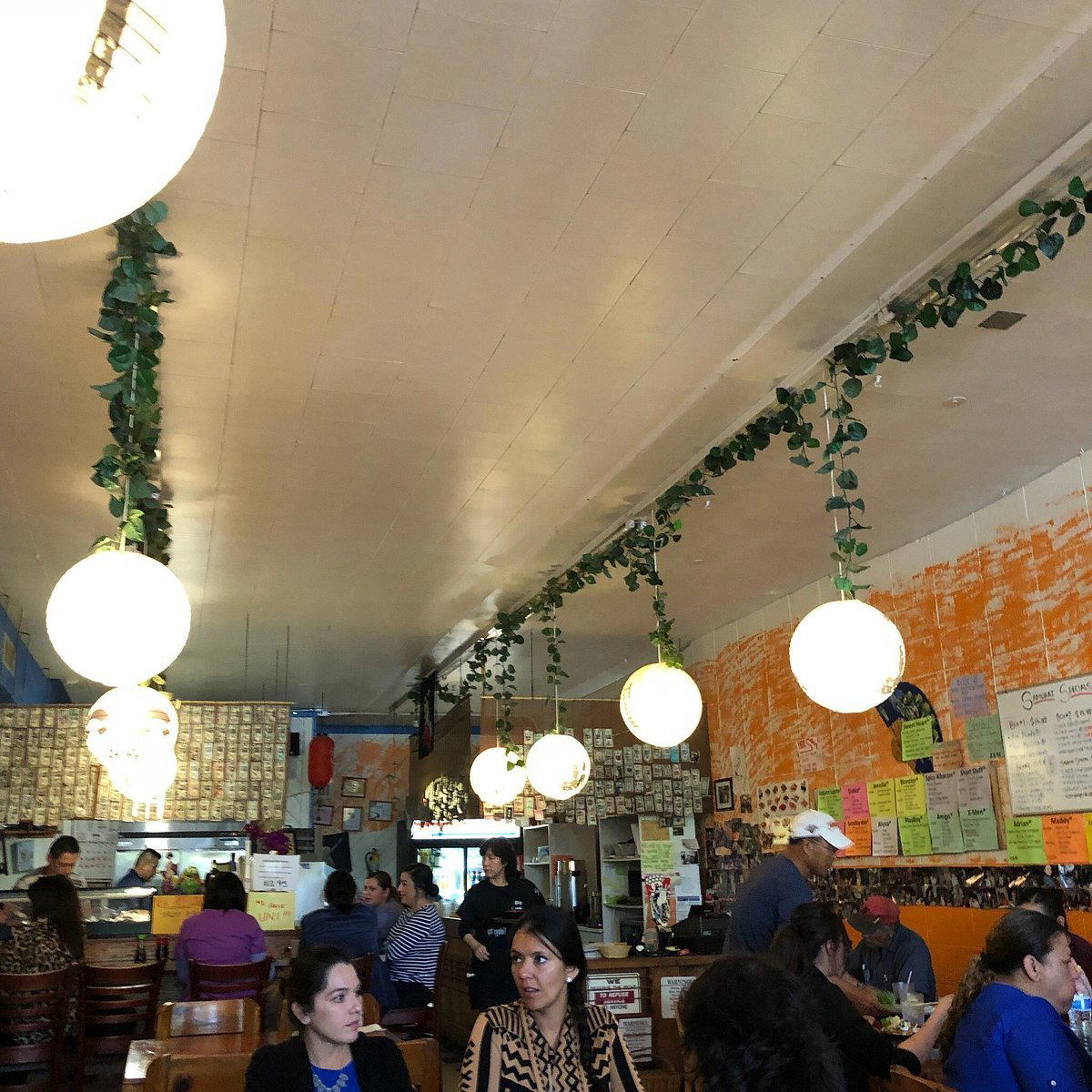
Japanese Dining on Salinas's North Main Corridor
North Main Street in Salinas does not announce itself. The corridor running north from downtown through the 93906 zip code is largely a functional strip, auto shops, small grocers, family restaurants, with little of the design ambition you find in Monterey's Cannery Row or Carmel's village center. What it does have is a concentration of working restaurants serving a population that has neither the appetite nor the budget for performance dining. Japanese cuisine fits that context in an instructive way: it can operate at almost every price register, from a counter bowl of ramen to a multi-course kaiseki sequence, and the version that takes hold in agricultural mid-California tends to be the practical, generous, everyday kind. Samurai Japanese Restaurant at 983 N Main St operates within that tradition.
The approach that defines this tier of Japanese dining in smaller California cities is not minimalism in the Tokyo omakase sense. It is a broader menu that covers sushi, cooked dishes, and a drinks program designed to work alongside food rather than independent of it, a format that actually predates the specialist cocktail bar movement by decades. That food-and-drink integration, where the question is always what goes with the plate in front of you rather than what spirit the bartender wants to showcase, reflects an older hospitality logic that the current wave of dedicated cocktail programs has largely moved away from. Venues like Kumiko in Chicago or Bar Leather Apron in Honolulu have built reputations precisely on the drinks-first model; a neighborhood Japanese restaurant in Salinas is doing something different and, for its context, more useful.
The Food-and-Drink Pairing Logic of Neighborhood Japanese
The pairing question at a restaurant in this category is governed by the menu's range rather than any single signature. Japanese cuisine has a long tradition of sake accompanying raw fish, cold beer cutting through fried karaage, and whisky highballs serving as a neutral companion to grilled skewers. Those pairings did not emerge from cocktail theory; they emerged from the practical observation that lower-alcohol, lighter-bodied drinks tend to extend a meal without overwhelming it. In the United States, that logic has been partially absorbed into bar programs at places like ABV in San Francisco, where the menu is explicitly built around food compatibility, but it runs more quietly in everyday Japanese restaurants across California without much editorial attention.
At Samurai, the drinks available to complement the food program reflect what this corridor of Salinas supports. What the category broadly offers is instructive: sake in both warm and cold formats pairs differently with fatty fish versus leaner preparations; Japanese lager serves the fried side of the menu better than a heavier craft beer would; and, where whisky highballs are on offer, they work as a reset between courses rather than a centerpiece. The discipline of pairing here is less about curation and more about restraint, ordering to match rather than to showcase.
The Salinas Context: What This City's Dining Scene Reveals
Salinas is the county seat of Monterey County and the agricultural center of one of the most productive farming regions in the world. The city's population skews toward a working demographic, and its restaurant scene reflects that: the highest-volume dining is practical, value-oriented, and culturally diverse in a way that mirrors the workforce that sustains its farms and packing operations. This is not a fine-dining city in the way that Carmel-by-the-Sea, twenty miles southwest, positions itself. The comparison matters because it sets the peer group for any restaurant on North Main Street. The relevant comparison is not to Jewel of the South in New Orleans or The Parlour in Frankfurt, venues operating in deep craft-cocktail traditions with international recognition. The relevant comparison is to Salinas's other Japanese options.
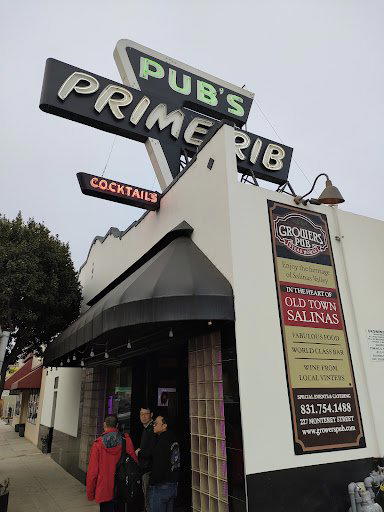
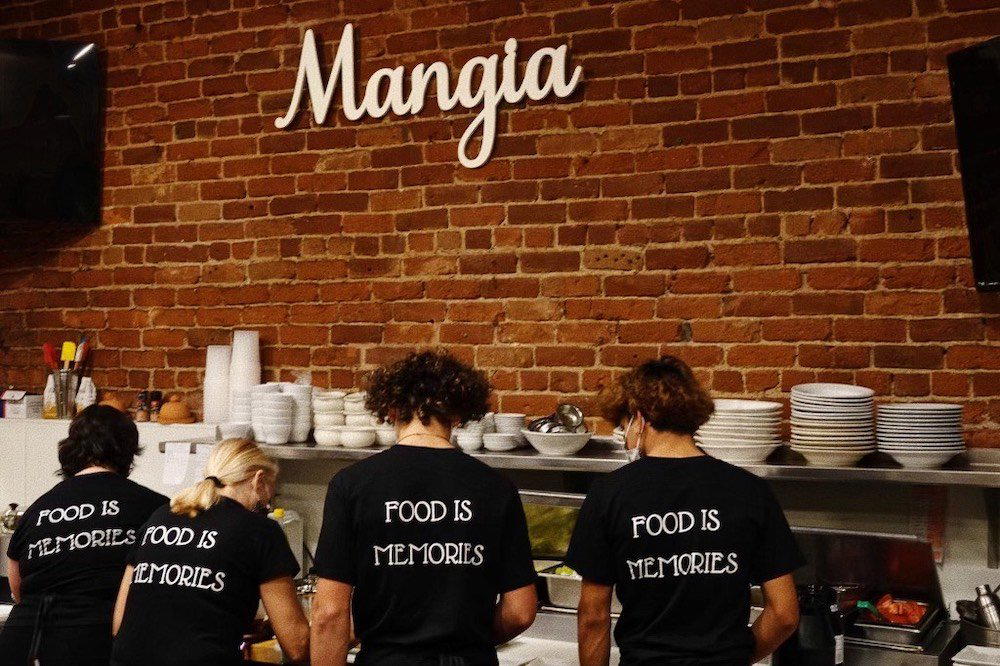
Within Salinas, Japanese dining is served by a small number of establishments. For a broader picture of where Japanese cuisine sits within the city's overall dining options, including competition from other cuisine types on and around Main Street such as Mangia - Eat on Main and Growers Pub, the full Salinas restaurants guide provides category-level context. The competitive set for Samurai is local and practical: the question for a Salinas diner is not whether this restaurant competes with the polished Japanese programs in San Francisco's Japantown, but whether it delivers reliable, appropriately priced food in a setting that works for a weeknight dinner or a family occasion.
Seasonal Timing and the Agricultural Calendar
Salinas's agricultural identity is not incidental to how its restaurants operate. The city sits in the Salinas Valley, whose growing season shapes local food supply and, in many restaurants, what appears on the menu at different times of year. Spring and early summer bring peak vegetable production from the surrounding fields; late summer and fall extend into heavier harvests. A Japanese kitchen that sources locally, even partially, may reflect those rhythms in its cooked dishes and specials more than in its sushi program, where sourcing tends to be regional wholesale rather than directly local. The winter months, when agricultural activity slows, coincide with quieter dining across much of the city. This seasonal cadence is worth noting for visitors planning around the Salinas Valley's harvest festivals and agricultural tourism events, which can affect both availability and crowd levels at North Main Street restaurants.
Planning Your Visit
Samurai Japanese Restaurant is located at 983 N Main St, Salinas, CA 93906. Walk-in traffic is common at restaurants in this format and price range in Salinas, though peak dinner service on Friday and Saturday evenings may involve a short wait. Visitors driving from Monterey or Carmel should expect a 20-to-30 minute drive north on Highway 68 or Highway 1 into the city. Parking along North Main Street is generally available at street level or in adjacent lots without charge, which is a functional advantage over the metered situations in downtown Salinas and Monterey's waterfront. For those comparing Japanese options before committing, Arigato Sushi and Kokoro Sushi are the closest direct alternatives within the city, while Julep in Houston and Superbueno in New York City offer a reference point for how food-drink pairing programs operate at a higher editorial tier in American cities with more developed bar scenes.
Peers in This Market
Comparable venues nearby, for context on price, style, and recognition.
| Venue | Cuisine | Price | Notes |
|---|---|---|---|
| Samurai Japanese RestaurantThis venue (the venue you are viewing) | Bar | Not listed | Not listed |
| Arigato Sushi | Bar | $20–30 | North Main |
| Growers Pub | pub | Not listed | Downtown |
| Kokoro Sushi | sake_bar | $20–30 | Oldtown Salinas |
| Mangia - Eat on Main | Bar | $20–30 | Oldtown Salinas |
Continue exploring
More in Salinas
Bars in Salinas
All bars in Salinas →
Restaurants in Salinas
All restaurants in Salinas →
Hotels in Salinas
Browse all →
Wineries in Salinas
Browse all →
Samurai Japanese Restaurant
The drinks
Signature drinks: unagi sauce rolls.
Details
- Cozy
- Casual Hangout
- Standalone
- Seated Bar
- Sake
Current opening hours
- Monday
- 11:30 AM–8 PM
- Tuesday
- 11:30 AM–8 PM
- Wednesday
- 11:30 AM–8 PM
- Thursday
- 11:30 AM–8 PM
- Friday
- 11:30 AM–8 PM
- Saturday
- 11:30 AM–8 PM
- Sunday
- Closed
Hours can change for holidays and private events. Hours as of .
Casual hole-in-the-wall atmosphere with table service.