Salt Traders Coastal Cooking
Salt Traders Coastal Cooking brings a Gulf Coast sourcing ethos to Round Rock's suburban dining strip along I-35, where seafood-forward menus are a relative rarity. The kitchen's orientation toward coastal ingredients gives it a distinct position in a local scene dominated by Tex-Mex and regional American. It reads as the kind of place that earns repeat visits from residents who want something other than the usual.
Pearl is the En Primeur Club membership app — saves, bookings, and concierge access live there. Same editors, same standards.
- Address
- 2850 N Interstate Hwy 35, Round Rock, TX 78681
- Phone
- +1 512 351 9724
- Website
- salttraderscc.com
- Directions
- Get directions
 Saves & bookings on Pearl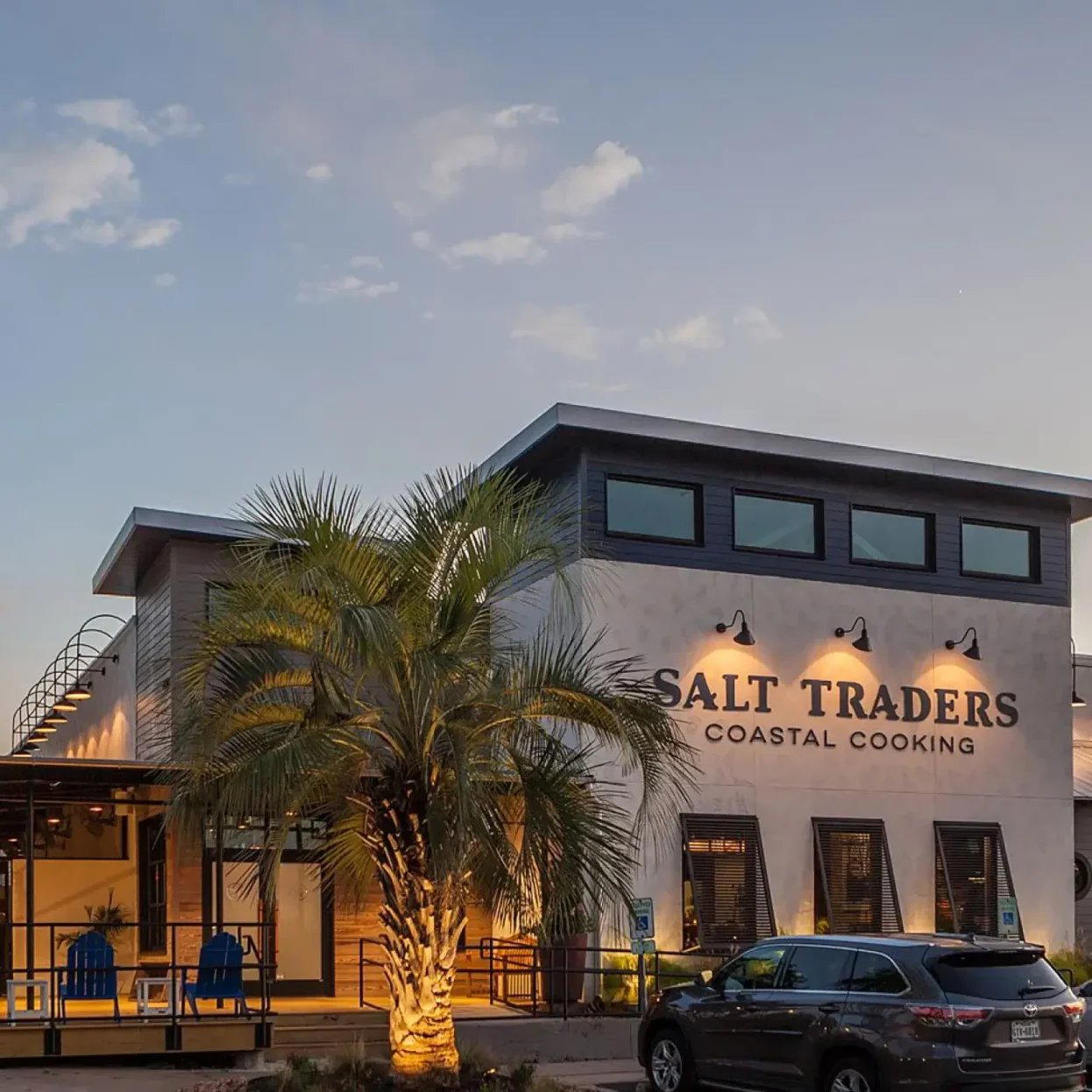
Coastal Cooking in Central Texas: The Context
Round Rock sits roughly 20 miles north of Austin on the I-35 corridor, a stretch of Texas where the dominant dining vocabulary runs toward Tex-Mex, barbecue, and suburban American chains. Against that backdrop, a restaurant oriented around coastal cooking and Gulf-sourced seafood occupies genuinely different ground. Salt Traders Coastal Cooking, at 2850 N Interstate Hwy 35, plants itself in that gap: a bar whose identity is built around where the fish comes from rather than what the fryer can do with it.
This matters because the Central Texas interior is not a natural seafood market. The cultural reflex here is toward smoked brisket and queso, and restaurants that step outside that reflex take on the burden of proof. The question a coastal-concept kitchen has to answer in a landlocked suburb is whether the sourcing is genuine or decorative. The name alone, Salt Traders, positions the kitchen in the supply chain rather than the finished dish, which is an editorial choice that either proves itself at the table or reads as branding.
What Coastal Sourcing Actually Means in a Texas Context
Texas has a longer Gulf coastline than most states, running from the Louisiana border down past Corpus Christi and into the Lower Rio Grande Valley. That coastline produces shrimp, redfish, flounder, oysters from bays like Galveston and Copano, and seasonal catches that move through Houston and San Antonio before reaching inland markets. A kitchen serious about coastal sourcing in Central Texas is working within that supply chain, which is shorter and more traceable than, say, a seafood concept in Chicago or Denver.
The distinction between fresh Gulf product and generic frozen protein matters more than restaurants typically acknowledge in their marketing. Gulf brown shrimp, when bought in season and handled correctly, tastes nothing like the imported warm-water shrimp that fills most suburban American menus. The same applies to oysters: Texas bays produce smaller, brinier shellfish than Pacific or Atlantic counterparts, and their seasonal windows are narrow. A coastal kitchen that takes ingredient sourcing seriously would be building its menu calendar around those windows rather than offering the same thing year-round.
What the concept signals, by name and positioning, is an intention to frame the food through origin rather than technique alone. In a market like Round Rock, that framing is enough to place it in a different competitive conversation than neighbors like La Margarita Restaurante or La Tapatia Mexican Restaurant & Bar, which draw from an entirely different culinary tradition.
The Room and What It Signals
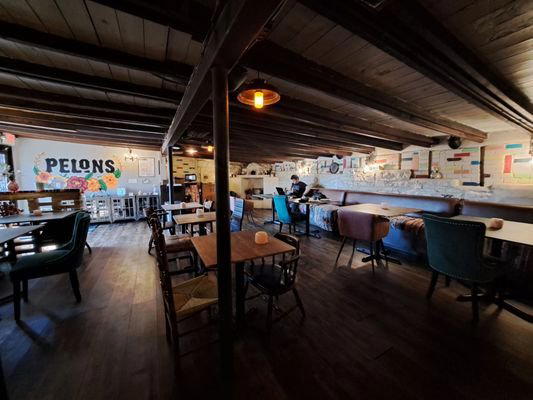
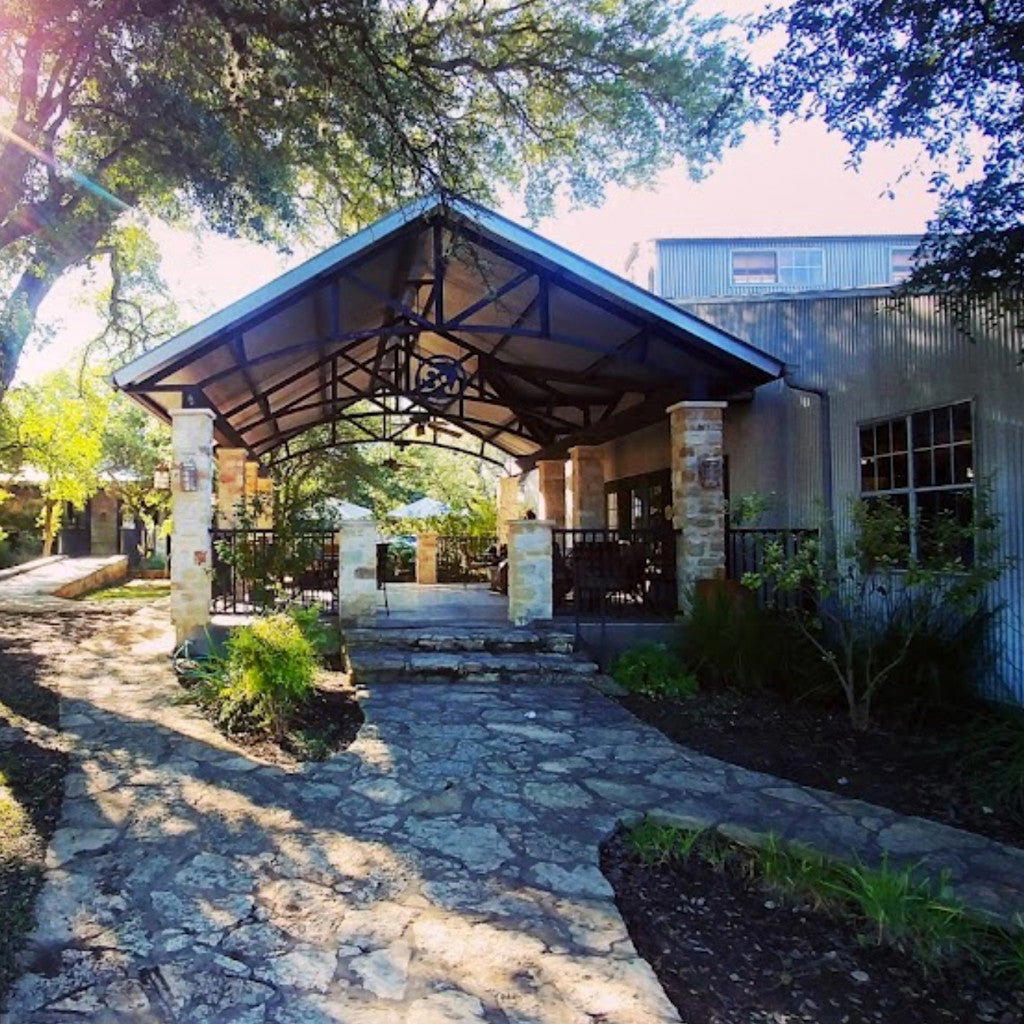
The address on the northbound I-35 service road places Salt Traders in the category of destination-by-car rather than walk-in. Round Rock's dining density runs along that corridor and along University Boulevard, and the built environment is strip-mall and surface parking rather than street life. Approaching from the highway, the restaurant reads as part of a working suburban strip rather than a curated dining district.
That setting shapes expectations usefully. This is not a downtown chef's counter with eight seats and a reservation list booked two months out. The coastal cooking concept deployed here is more accessible in format, aimed at a local population that wants something other than a chain experience without the friction of a special-occasion restaurant. The physical context positions it between Bluebonnet Beer Company's neighborhood-bar register and the more event-driven dining that requires advance planning.
For comparison, coastal-concept bars and dining rooms in other American cities have moved toward a more technical register: places like Bar Leather Apron in Honolulu or Kumiko in Chicago represent the high-discipline end of ingredient-focused hospitality. Salt Traders occupies a more everyday register, which is more useful in a suburb of 130,000 people where the dining infrastructure is still filling out.
Round Rock's Dining Scene and Where This Fits
Round Rock's restaurant landscape has expanded significantly in the past decade, tracking population growth driven by the tech corridor north of Austin. The city added over 30,000 residents between 2010 and 2020, and the dining supply has followed, though unevenly. Tex-Mex remains dominant, with Brasas Peruanas representing one of the more interesting departures into South American territory. Seafood concepts remain thin on the ground.
That relative scarcity gives Salt Traders a category advantage that most restaurants in denser cities would not enjoy. In Houston, a coastal cooking restaurant competes with dozens of Gulf seafood specialists, some with James Beard recognition, and the bar for sourcing credibility is set by decades of serious fish cookery. In Round Rock, the bar is lower and the opportunity is larger. The kitchen does not need to outperform the Gulf Coast's leading seafood restaurants; it needs to outperform the local alternative, which is mostly chain seafood or shrimp as a Tex-Mex afterthought.
How It Compares Across the Cocktail and Bar Circuit
For those whose primary interest is in the drinks program alongside the food, it is worth noting that the bar component of coastal cooking restaurants in Texas tends to mirror the food philosophy when done well: Gulf citrus, local spirits, beer-and-oyster pairings. The Texas craft spirits scene has matured enough that a bar serious about local sourcing has real material to work with.
For reference points at the more program-driven end of American bar culture, Jewel of the South in New Orleans and Julep in Houston represent what a regionally rooted cocktail identity looks like when it is pursued with full technical commitment. Superbueno in New York City, ABV in San Francisco, and The Parlour in Frankfurt on the Main each represent different expressions of ingredient-conscious hospitality in their respective cities. Salt Traders is not operating in that specialist-bar tier, but the coastal sourcing frame it applies to food could extend to drinks with the right intentionality.
Planning a Visit
Salt Traders Coastal Cooking is on the northbound I-35 service road in Round Rock, which means driving is the practical approach for most visitors. Parking is surface-lot and abundant, typical of the corridor. The restaurant's positioning as an accessible coastal concept rather than a high-formality tasting experience suggests that walk-in availability is more realistic here than at reservation-heavy downtown Austin spots, though weekend evenings on a popular suburban dining strip can fill quickly enough to warrant a call ahead.
At-a-Glance Comparison
Comparable venues nearby, for context on price, style, and recognition.
| Venue | Cuisine | Price | Notes |
|---|---|---|---|
| Salt Traders Coastal CookingThis venue — the venue you are viewing | lounge | $$ | Not listed |
| La Tapatia Mexican Restaurant & Bar | Bar | $$ | Round Rock |
| URBAN Eat. Drink | speakeasy | $$ | Downtown Round Rock |
| La Margarita Restaurante | lounge | $$ | Round Rock |
| Sangam Chettinad Indian Cuisine | Bar | $$ | Round Rock |
| Brasas Peruanas | lounge | $$ | Downtown Round Rock |
Continue exploring
More in Round Rock
Bars in Round Rock
Browse all →
Restaurants in Round Rock
Browse all →
Hotels in Round Rock
Browse all →


At a Glance
- Cozy
- Rustic
- Group Outing
- Casual Hangout
- Celebration
- Standalone
- Booth Seating
- Private Rooms
- Outdoor Terrace
- Classic Cocktails
- Craft Cocktails
Current opening hours
- Monday
- 11 AM–9 PM
- Tuesday
- 11 AM–9 PM
- Wednesday
- 11 AM–9 PM
- Thursday
- 11 AM–9 PM
- Friday
- 11 AM–10 PM
- Saturday
- 11 AM–10 PM
- Sunday
- 11 AM–9 PM
Hours can change for holidays and private events. Last verified .
Nautical theme in blues and browns evoking sky, sea, sand, and shells without kitsch.