Salon Familiar La Mascota Cantina
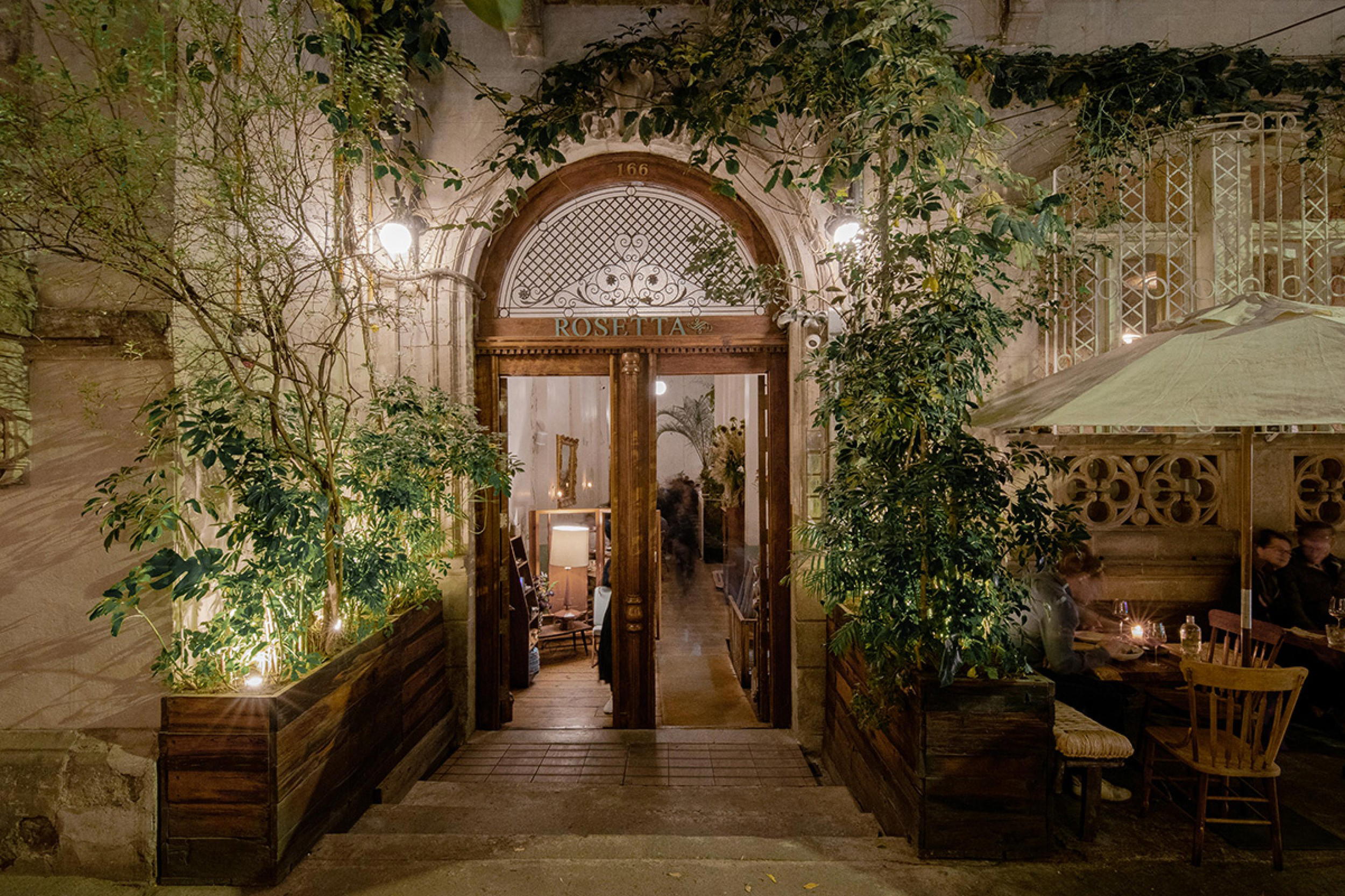
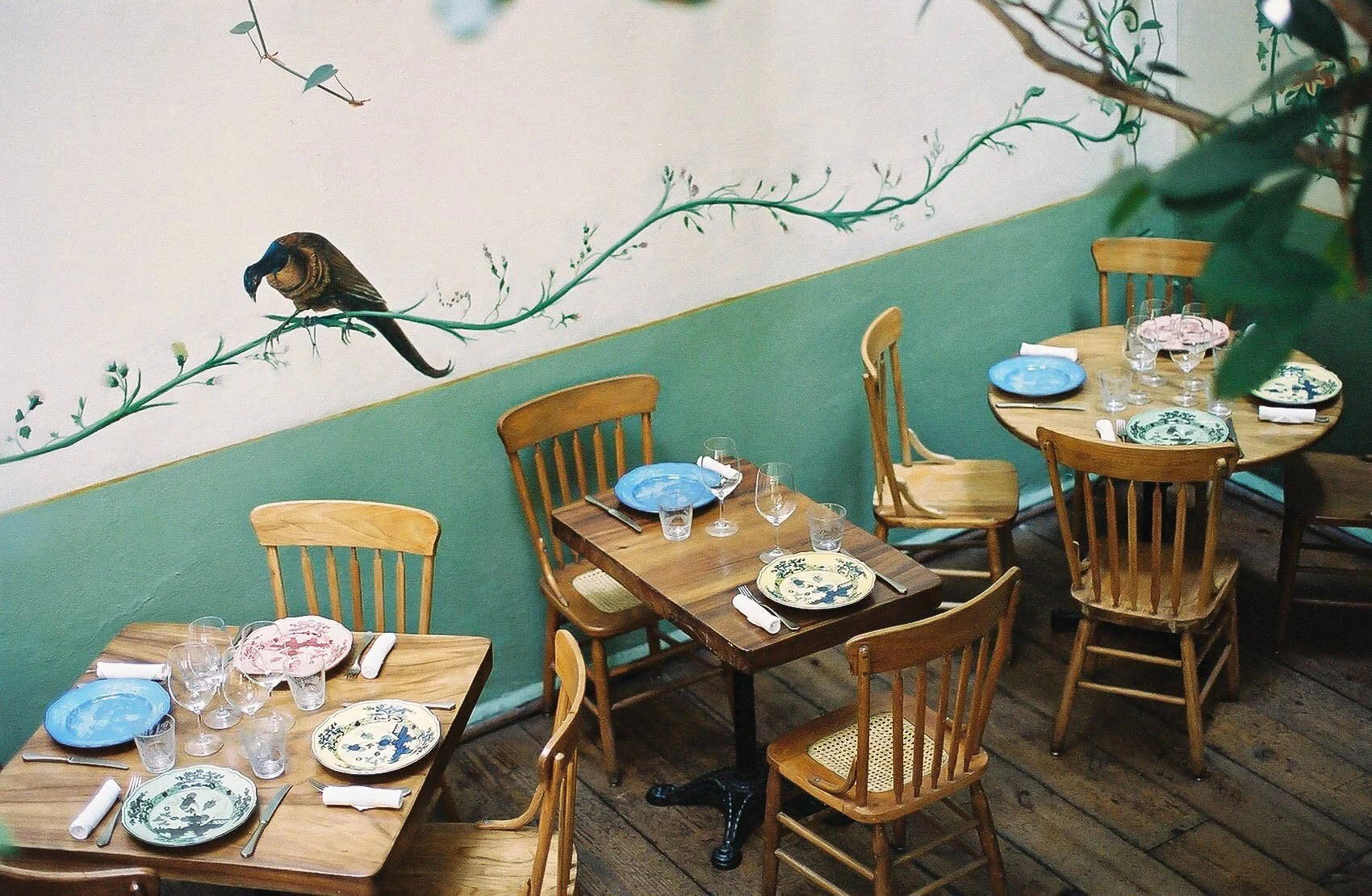
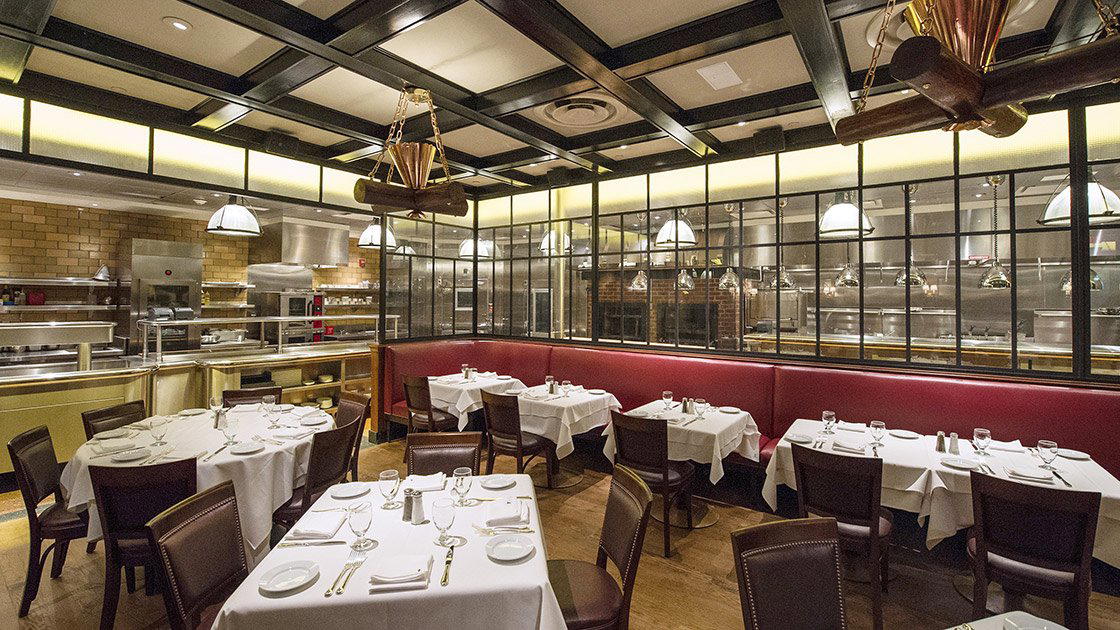
La Mascota is one of Centro Histórico's enduring cantinas, a place where the ritual of the copa and the botana has barely shifted in decades. It draws a cross-section of the neighbourhood — office workers, retirees, and the occasional visitor who finds their way past the plain facade on Calle de Mesones. The drinking comes first; the food follows as a matter of course.
Pearl is the En Primeur Club membership app — saves, bookings, and concierge access live there. Same editors, same standards.
- Address
- Calle de Mesones 20, Centro Histórico de la Cdad. de México, Centro, Cuauhtémoc, 06080 Ciudad de México, CDMX, Mexico
- Phone
- +52 55 5709 3414
- Directions
- Get directions
 Saves & bookings on Pearl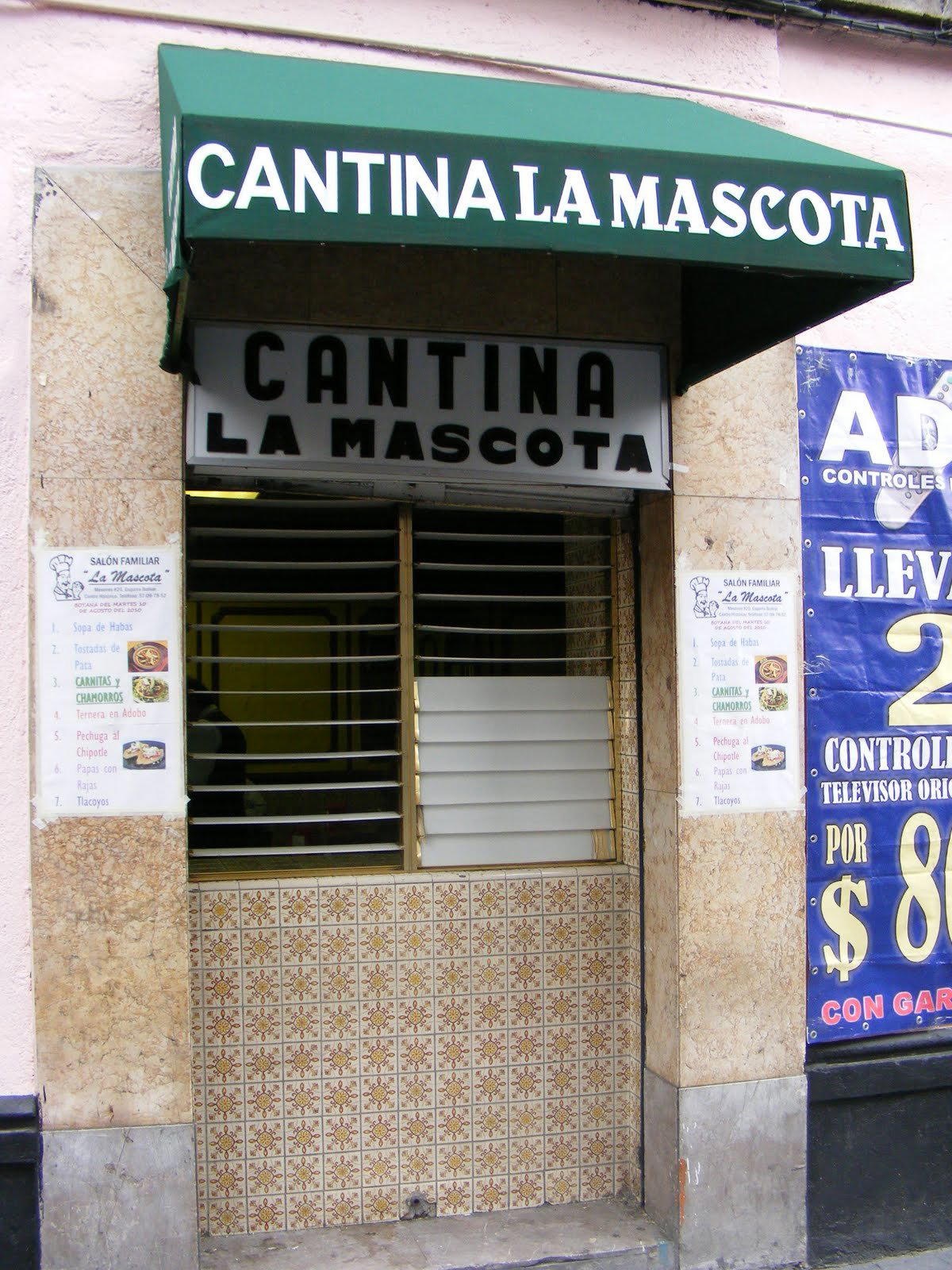
The Cantina as Civic Institution
On Calle de Mesones, a short walk from the Zócalo, the cantina format has persisted through earthquakes, administrations, and the slow gentrification of Centro Histórico. Salon Familiar La Mascota sits within that tradition, occupying the kind of address where the street noise and the smell of frying lard arrive before you reach the door. The physical environment makes no concessions to contemporary hospitality design: tiled floors, long wooden bars, men arguing about football, and trays of complimentary botanas moving through the room. This is the cantina as it functioned before the word "bar" carried its current cultural freight in Mexico City.
That continuity matters more than it might seem. Centro Histórico has produced two distinct bar categories in the past decade. The first is the technically sophisticated cocktail room, represented by operations like Baltra Bar and Bijou Drinkery Room, where fermentation programs and house-made bitters index the menu against international craft bar culture. The second is the older tier — cantinas, pulquerías, and mezcalerías — where the format precedes the current wave and carries social meaning that a cocktail list alone cannot replicate. La Mascota belongs to this second category without apology.
What the Cantina Format Actually Means
The salon familiar designation is meaningful in the Mexican context. Historically, cantinas were male-only spaces; the addition of "salon familiar" signaled that women and families were permitted entry, a distinction that mattered in the mid-twentieth century and that still shapes the demographic character of these rooms today. La Mascota reflects that openness, the crowd at any given hour skews toward neighbourhood regulars rather than single-demographic drinking culture.
The drinking format follows cantina convention: order a copa, receive a botana. The botanas, small plates of whatever the kitchen is running, are tied to consumption rather than to a separate food order. This system is not a novelty feature or a reinterpretation of Mexican hospitality; it is the original model, and the fact that it operates here without modification is precisely what makes the room legible to those who know the tradition. Venues like Bar Mauro and Brujas sit in a different register entirely, their menus and programming engage with bartending as a craft discipline. La Mascota's register is social rather than technical, which is not a lesser ambition, only a different one.
Local Ingredients, Received Tradition
Editorial angle that matters most here is not the intersection of imported technique and indigenous product, that framework applies more accurately to the new-wave mezcalerías and the cocktail rooms drawing on pre-Hispanic fermentation knowledge. What La Mascota represents is something more conservative: the transmission of a drinking culture shaped by Spanish cantina structure and populated by local staples. Pulque, mezcal from Oaxacan producers, and domestic beer sit alongside the copa format in a way that reflects how Centro Histórico has absorbed and domesticated foreign forms over centuries.
That process of absorption is visible across the broader city. Arca in Tulum operates in a contemporary register that self-consciously frames indigenous botanical ingredients against international technique. La Capilla in Tequila sits at the other pole, a room where a single drink, the Batanga, has become a reference point for Mexican bar history. La Mascota falls somewhere between those poles: not a temple to a signature drink, not a showcase for technique, but a working cantina where the local ingredient tradition arrives without conceptual framing. The mezcal you drink here is not presented as a heritage object. It is simply the drink on offer.
Across Mexico, the cantina format surfaces in different regional registers. El Gallo Altanero in Guadalajara occupies a similarly positioned space in that city's drinking culture, where tequila rather than mezcal anchors the offering. Aruba Day Drink in Tijuana operates in a border-culture register that absorbs both American and Mexican formats. The variation points to how differently the same nominal tradition plays out across geography, and why La Mascota reads as distinctly chilango, its frame of reference is the capital, not the national archetype.
Planning a Visit
La Mascota sits on Calle de Mesones 20 in Centro Histórico, within walking distance of the Zócalo and the main metro lines serving the historic centre. The address is accessible but not tourist-signposted; first-time visitors sometimes pass it without registering it as a destination, which is consistent with how the cantina tradition operates generally. No booking infrastructure is required or expected, this is a walk-in room operating on neighbourhood rhythms rather than reservation calendars. Visitors coming from the cocktail bars of Roma Norte or Condesa, such as Baltra Bar, will find the cantina format a sharp contrast in both atmosphere and pricing register. For a broader orientation to the city's drinking and dining range, the full Mexico City guide maps the neighbourhood divisions and category differences in more detail.
Midday and early afternoon tend to produce the most representative experience of a cantina like this: the botana rotation is active, the room is occupied by a working cross-section of the neighbourhood, and the pace is unhurried. Late-night arrivals encounter a different atmosphere, fewer regulars, a different social composition. For those building a broader Mexico bar itinerary, Bekeb in San Miguel de Allende offers a related but distinct take on traditional Mexican drinking culture, while Coco Bongo in Cancun represents the polar opposite end of the spectrum, high-production entertainment rather than neighbourhood ritual. The contrast between those formats clarifies what La Mascota is and, equally, what it is not.
Continue exploring
More in Mexico City
Bars in Mexico City
Browse all →
Restaurants in Mexico City
Browse all →
At a Glance
- Classic
- Lively
- Well Known
- Rustic
- Group Outing
- Casual Hangout
- After Work
- Live Music
- Historic Building
- Standalone
- Seated Bar
- Communal Tables
- Tequila
- Mezcal
Current opening hours
- Monday
- 1–11:30 PM
- Tuesday
- 1–11:30 PM
- Wednesday
- 1–11:30 PM
- Thursday
- 1 PM–12 AM
- Friday
- 1 PM–2 AM
- Saturday
- 1 PM–2 AM
- Sunday
- 1–11 PM
Hours can change for holidays and private events. Last verified .
Fun and old-school atmosphere with a festive, convivial energy typical of historic downtown Mexico City cantinas.
Know Before You Go
- Getting there
- Calle de Mesones 20, Centro Histórico de la Cdad. de México, Centro, Cuauhtémoc, 06080 Ciudad de México, CDMX, Mexico