La Botica Centro
La Botica Centro occupies a historic address on Isabel La Católica 30 in Mexico City's Centro Histórico, positioning it at the intersection of colonial architecture and serious spirits curation. The back bar reads as a working archive of Mexican distillates, from highland agave producers to obscure regional mezcals. For anyone tracing the country's spirits culture through a glass, Centro Histórico is a logical starting point.
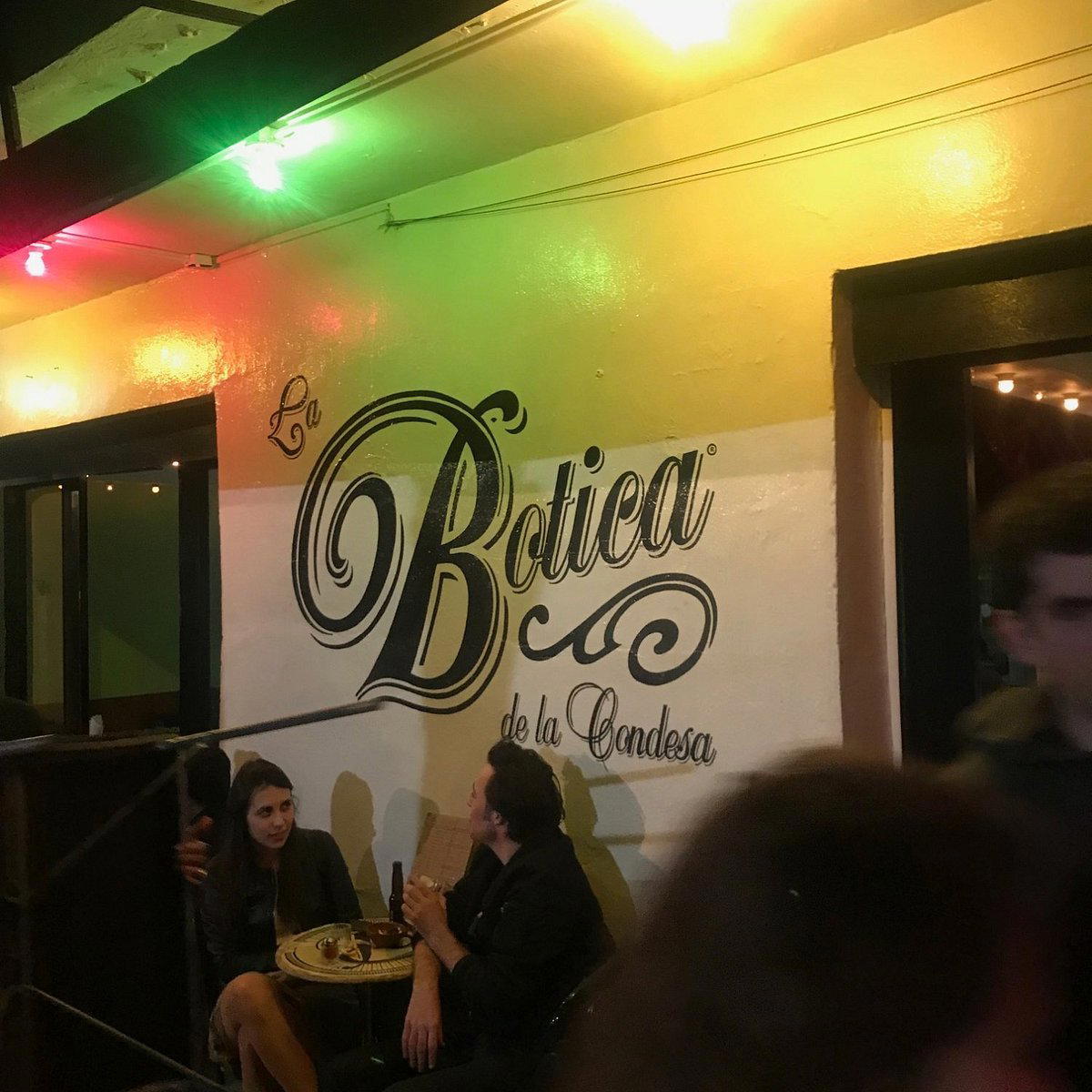
A Back Bar That Reads Like a Reference Library
Centro Histórico has never been Mexico City's most obvious destination for serious drinking. The neighbourhood's colonial plazas and 16th-century churches draw visitors on heritage itineraries, while the capital's cocktail conversation tends to cluster in Condesa, Roma, and Juárez. In a district where most drinking happens in hotel lobbies or cantinas working from a short list of commercial spirits, La Botica Centro operates on different logic: the back bar is the argument.
The botica format, borrowed from the Spanish word for apothecary, has become a recognizable framework in Mexican bar culture. The premise is curation over volume, a deliberate assembly of bottles that functions less like a standard bar shelf and more like a categorized collection. At its most developed, this means agave distillates organized by region and producer, sotol alongside mezcal alongside raicilla, each representing a distinct geographical and botanical lineage. The Centro Histórico address adds a layer of historical resonance: this part of the city was, for centuries, the commercial and institutional heart of New Spain, and the apothecary metaphor maps onto a neighbourhood that once housed the pharmacies, archives, and trading houses of a colonial capital.
Mexico City's Spirits Culture and Where Centro Fits
Mexico City's most-discussed cocktail programs tend to share a few characteristics: technical ambition, international reference points, and a willingness to treat agave spirits as a base for complex builds rather than just neat pours. Baltra Bar in Roma represents the technical end of that spectrum, with a program that draws serious attention from the international bar community. Bar Mauro and Bijou Drinkery Room operate in related territory, each with a distinct formal register. Brujas approaches the category from a different cultural angle altogether.
La Botica Centro sits apart from that cluster geographically and, by extension, conceptually. A bar drawing from the botica tradition in Centro Histórico is less interested in cocktail innovation as a performance of technique and more focused on the spirits themselves as the primary text. That is not a criticism of ambition, it is a description of emphasis. In a city where mezcal education has become a genre of its own, a thoughtfully assembled collection of regional Mexican distillates carries real informational weight for anyone who wants to trace what the country actually produces beyond the commercial mainstream.
The broader Mexican bar scene outside the capital offers useful comparison. El Gallo Altanero in Guadalajara has built a reputation around tequila and its regional variants in a city that sits closer to the production source. La Capilla in Tequila operates in a different register entirely, as a cantina with decades of documented history in the town that gave the spirit its name. Bekeb in San Miguel de Allende approaches Mexican spirits from a design-forward boutique angle. Each of these addresses something specific about regional identity and spirits heritage. La Botica Centro's contribution is to bring that kind of curatorial seriousness into a neighbourhood that rarely gets credit for it.
Reading the Room: What the Format Signals
The botica model in Mexico City has spread because it solves a real problem: how do you present the depth and diversity of Mexican distillate production to a drinking public that is still learning the vocabulary? A standard bar menu organized by spirit category flattens meaningful distinctions between a San Luis del Río tobaziche mezcal and an industrial joven. A collection organized around producer, region, and agave variety invites a different kind of engagement. It asks the person behind the bar to function as a guide through material that has genuine complexity.
This format also sets expectations for the kind of conversation worth having at the bar. At addresses like these, the question of what to order opens into a dialogue about production method, agave maturation cycles, and the ways that soil and altitude affect flavor. That is the intellectual infrastructure the botica model is designed to support. Whether any individual visit delivers on that infrastructure depends on the staff on shift and the depth of the collection on a given night, which is why the physical address and the curatorial reputation of the space matter as a starting point.
For visitors who have already worked through the more internationally publicized Mexico City programs, or for those arriving specifically to understand Mexican spirits rather than Mexican cocktails, Centro Histórico and an address like Isabel La Católica 30 represent a less trafficked and arguably more contextually coherent place to drink. The neighbourhood's age and layered history provide a backdrop that the glossier Roma and Condesa bar rooms, however accomplished, cannot replicate.
Planning a Visit
La Botica Centro is located at Isabel La Católica 30 in Centro, Cuauhtémoc, within walking distance of the Zócalo and the Palacio de Bellas Artes. The address is accessible from several Metro stations serving the historic centre. As with most Centro Histórico destinations, visiting during daytime or early evening hours tends to be more direct from a logistics standpoint, since the neighbourhood's street activity shifts considerably after dark. Current hours and reservation availability are best confirmed directly with the venue ahead of your visit, as specific operational details were not available at time of publication. For a fuller picture of where La Botica Centro sits within the city's drinking options, see our full Mexico City restaurants guide.
Visitors exploring Mexico's wider bar culture beyond the capital will find useful reference points in Arca in Tulum, which approaches the country's spirits and ingredients from a coastal and ecological angle, and Aruba Day Drink in Tijuana, which reflects a very different border-inflected drinking culture. For a high-volume international reference point in how cocktail bars operate at scale, Coco Bongo in Cancun represents the opposite end of the format spectrum. Further afield, Bar Leather Apron in Honolulu demonstrates how serious spirits programs operate in Pacific destinations with their own distinct relationship to craft and curation.
Price and Recognition
A quick peer check to anchor this venue’s price and recognition.
| Venue | Price | Awards |
|---|---|---|
| La Botica CentroThis venue (the venue you are viewing) | Not listed | Not listed |
| Fifty Mils | $50–100 | World's 50 Best #45 · Top 500 Bars Best Bars #114 |
| Hanky Panky | Not listed | World's 50 Best #35 · Pinnacle Guide 1 Pin |
| Baltra Bar | $20–30 | World's 50 Best #48 · Top 500 Bars Best Bars #150 |
| Bar Mauro | Not listed | World's 50 Best #2 · Top 500 Bars Best Bars #412 |
| Bijou Drinkery Room | $20–30 | World's 50 Best #34 · Top 500 Bars Best Bars #380 |
Continue exploring
More in Mexico City
Bars in Mexico City
All bars in Mexico City →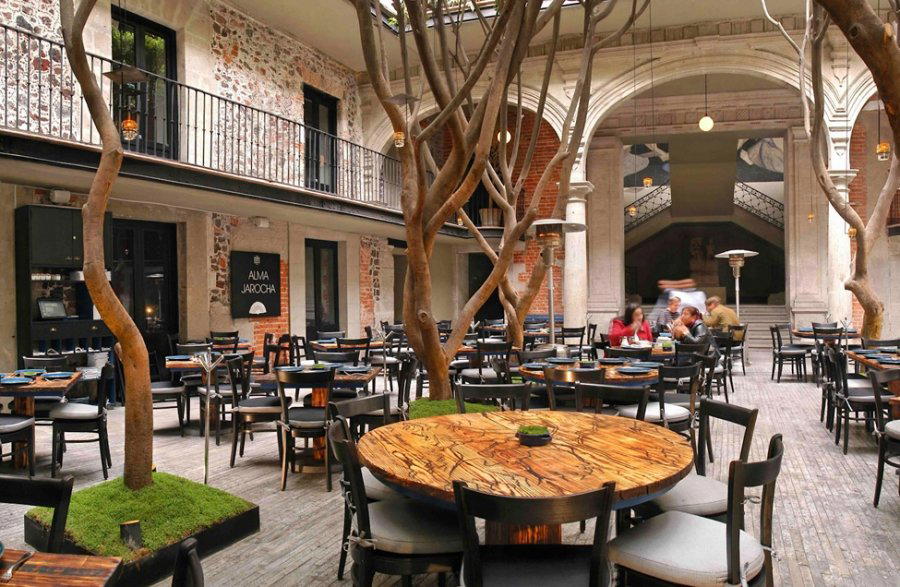
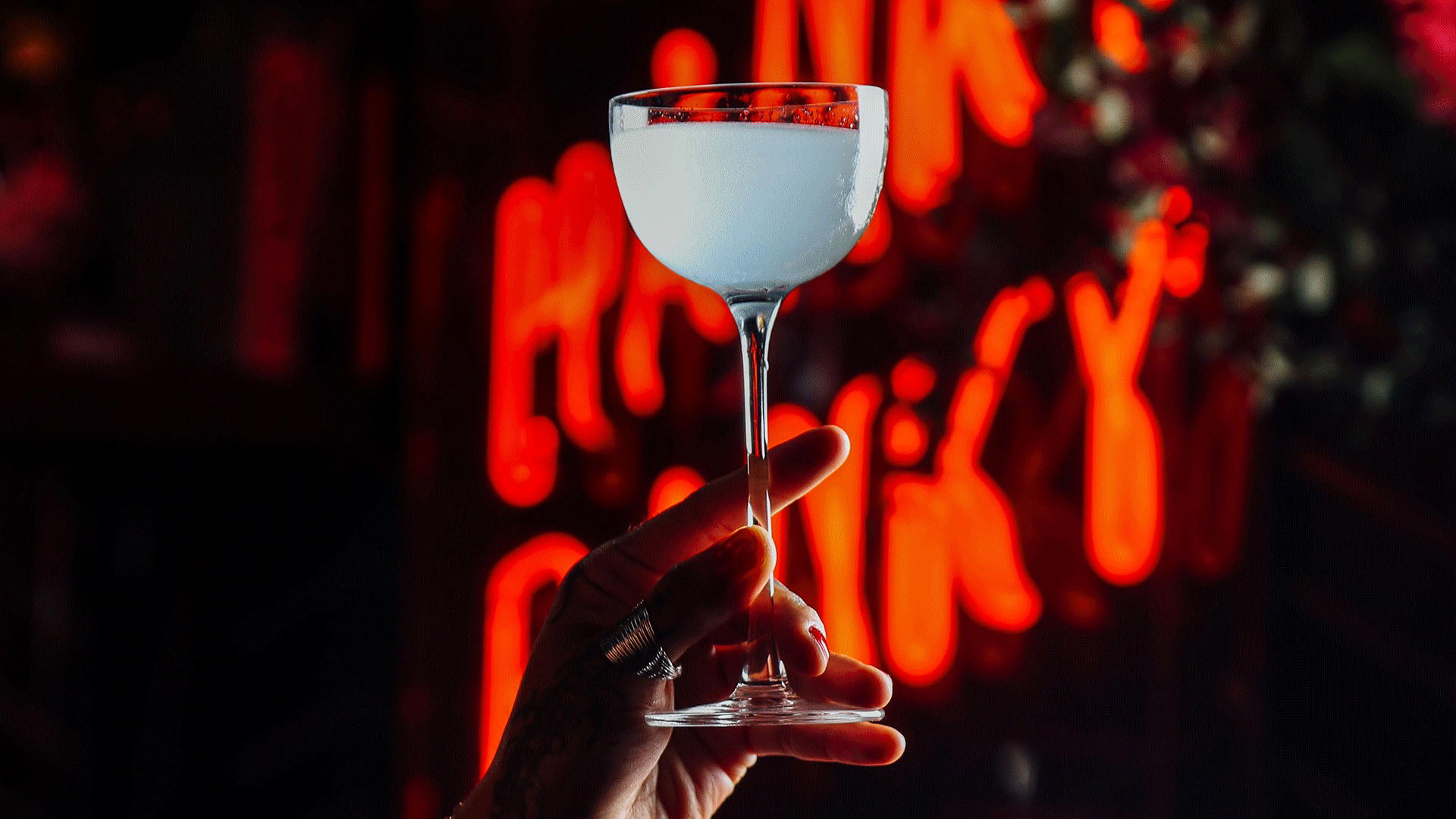
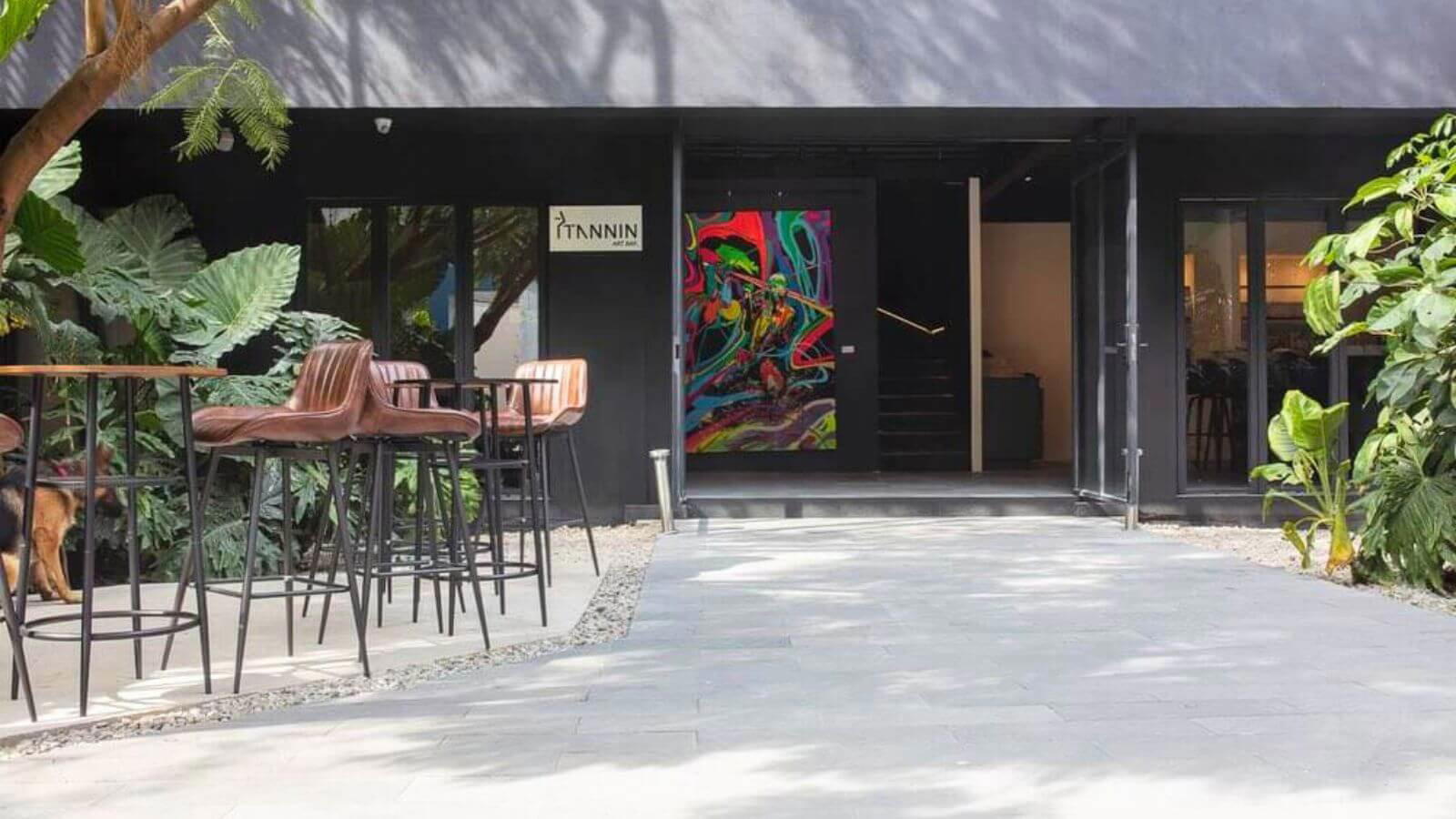
La Botica Centro
The drinks
- Craft cocktails
- Mezcal
- Tequila
Signature drinks: Mezcal Margarita.
Details
- Lively
- Rustic
- Bohemian
- Intimate
- Casual Hangout
- After Work
- Group Outing
- Historic Building
- Standalone
- Terrace
- Seated Bar
- Outdoor Terrace
- Lounge Seating
- Mezcal
- Craft Cocktails
- Tequila
- Street Scene
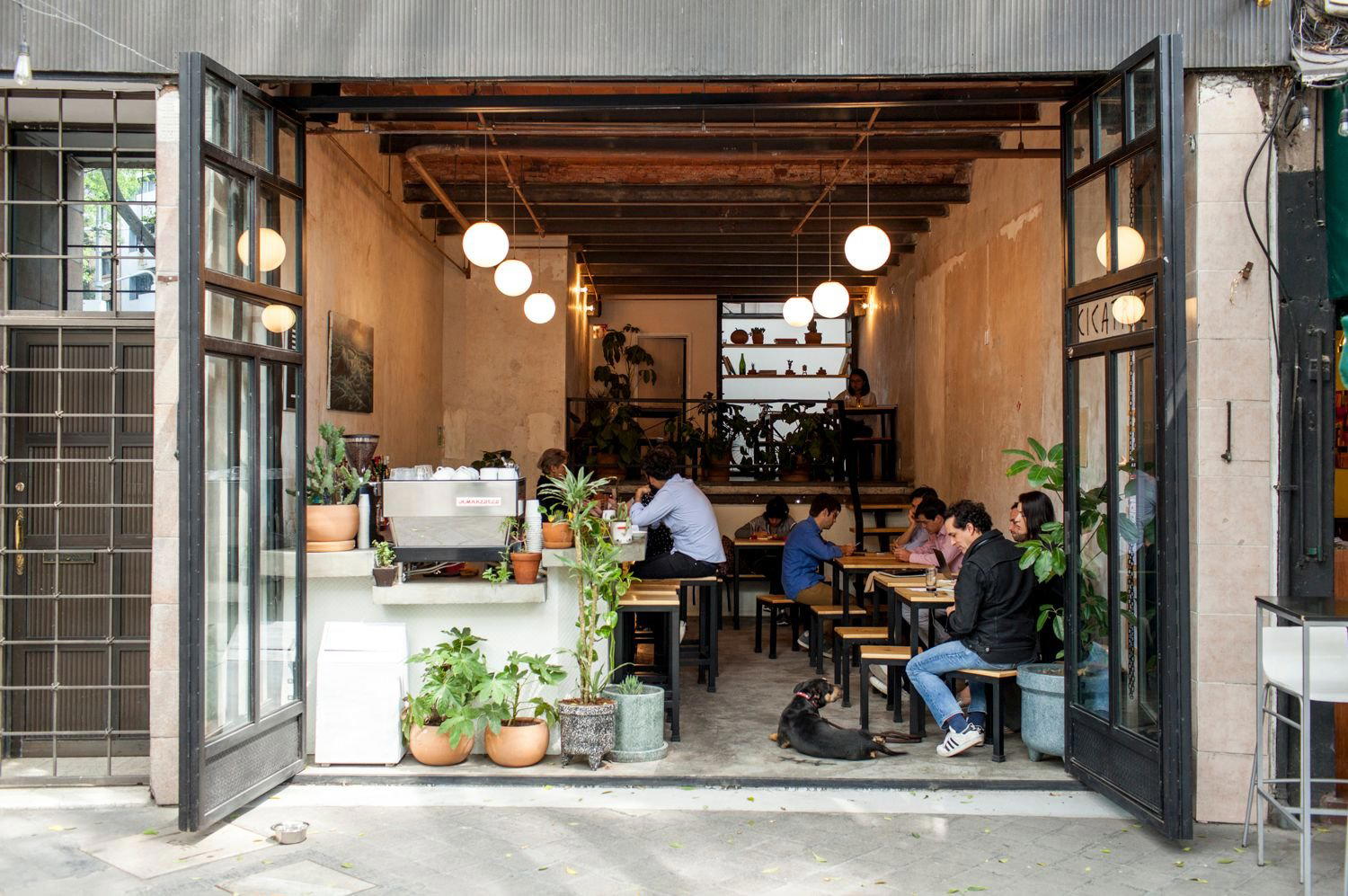
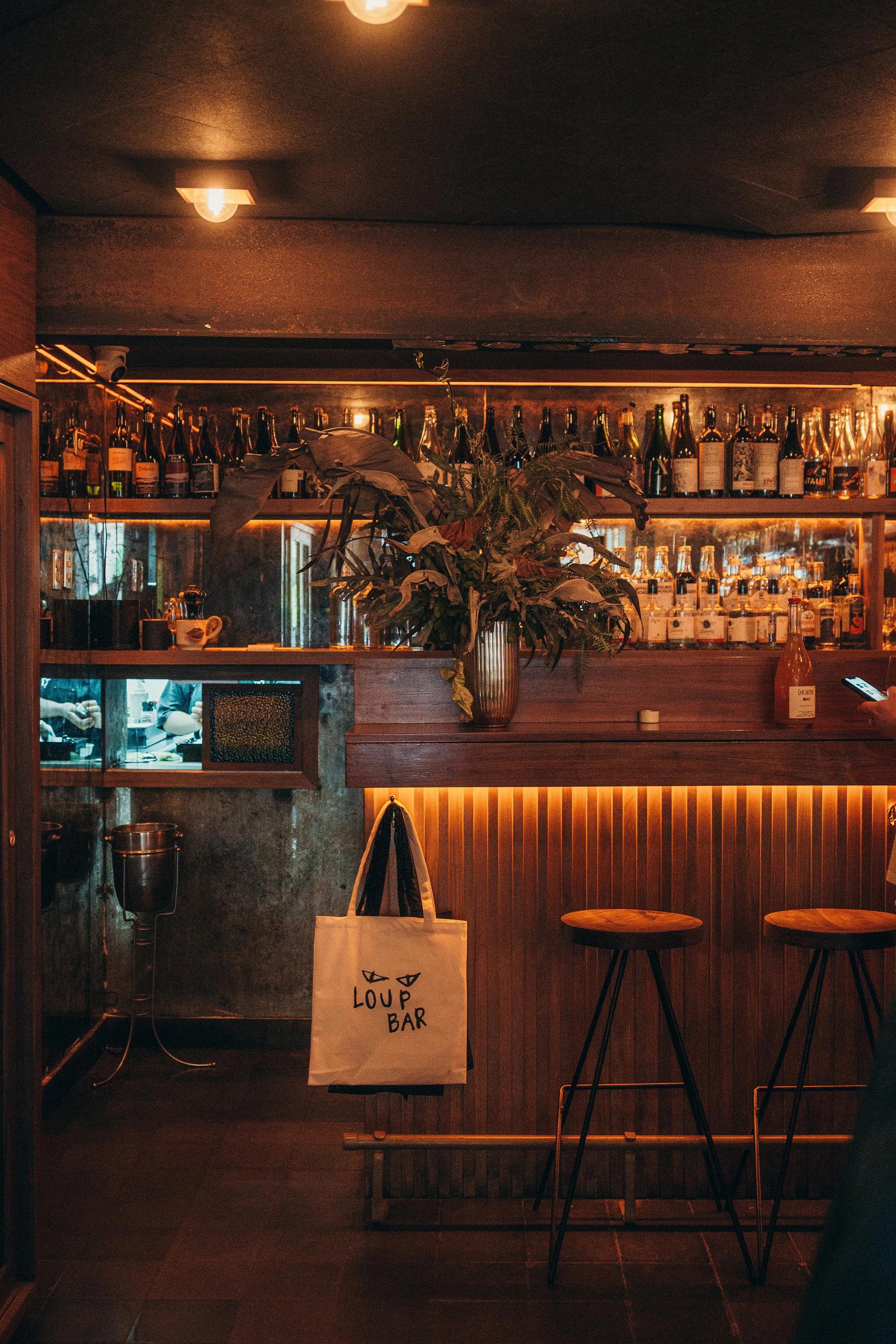
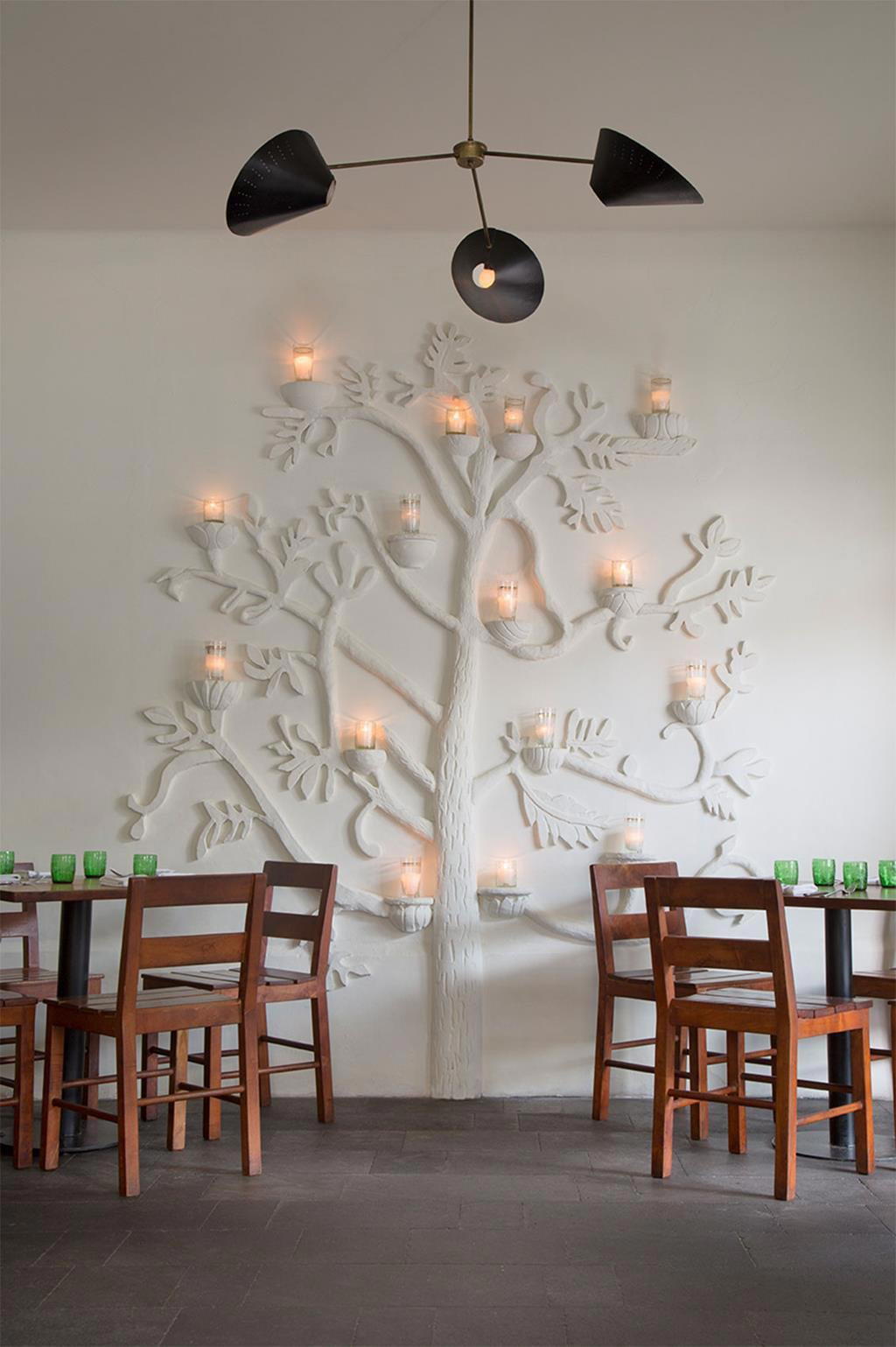
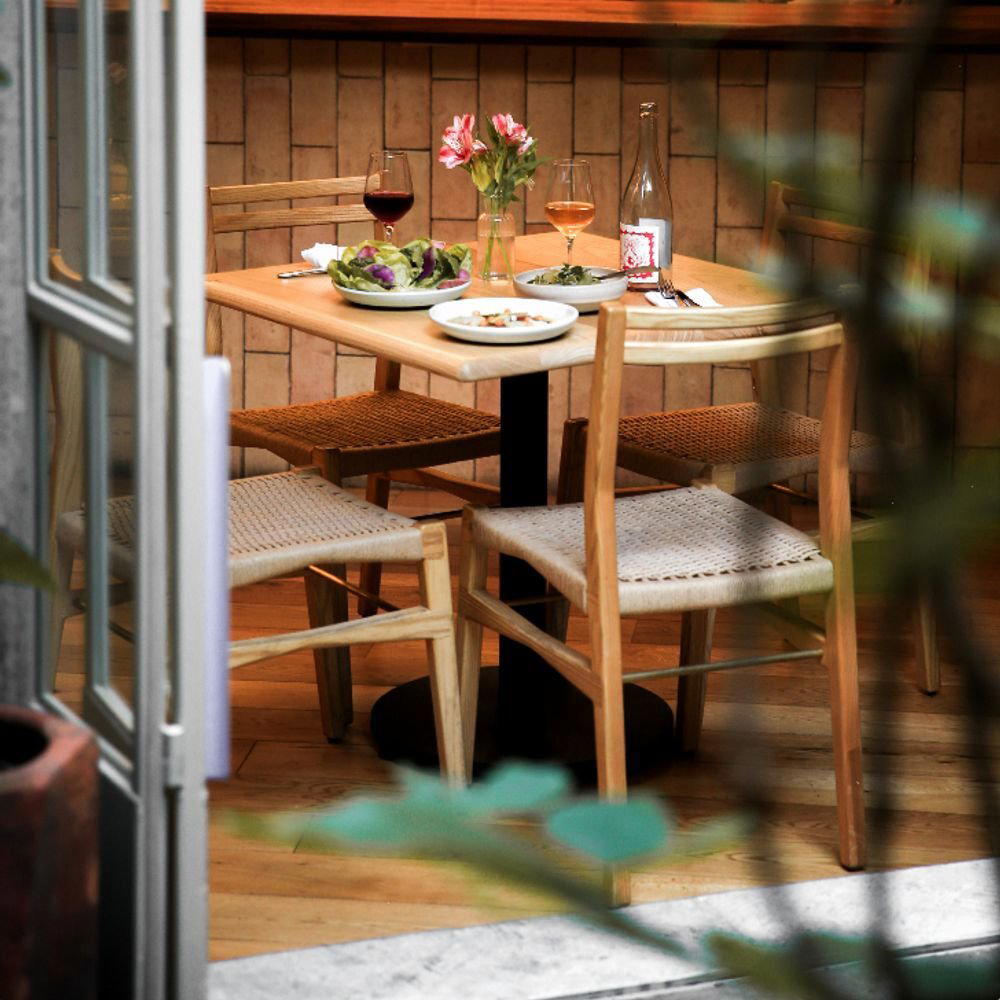
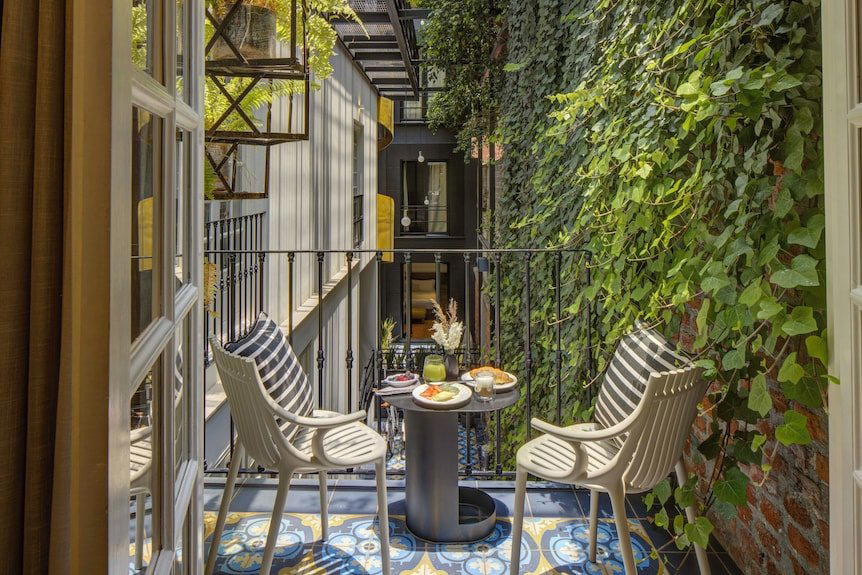
Warm, inviting atmosphere with charming balcony views; intimate tables for two with traditional Mexican bar aesthetic featuring tin tables and foldable chairs; low-key and welcoming vibe.