Ruta 15 Ceviche Bar|Mexican Kitchen
On East 7th Street in Long Beach's Westside, Ruta 15 Ceviche Bar brings together Mexican coastal cooking and kitchen technique in a format that sits well outside the city's mainstream dining corridors. The menu centers on ceviche as a serious culinary category, drawing on Pacific ingredients and cross-border preparation methods that reflect the neighborhood's deep Mexican heritage.
 Discover on Pearl
Pearl is the En Primeur Club membership app — saves, bookings, and concierge access live there. Same editors, same standards.
- Address
- 1436 E 7th St, Long Beach, CA 90813
- Phone
- +1 562 323 0228
- Website
- ruta15cevichebar.com
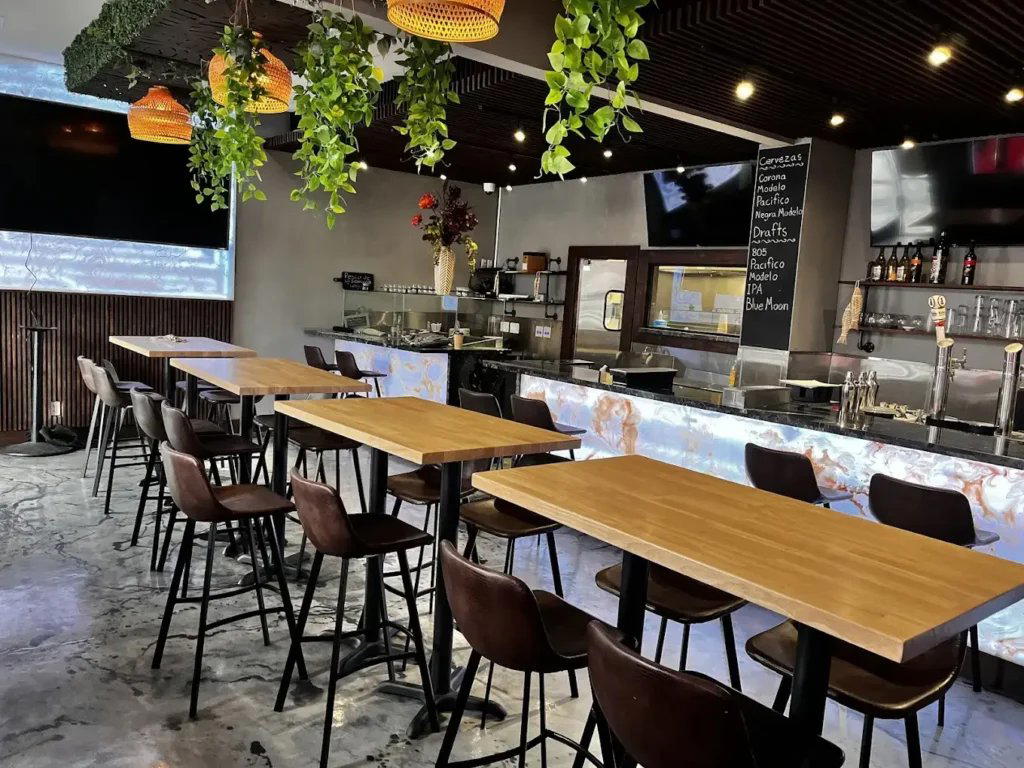
East 7th Street and the Westside's Cross-Border Kitchen
Long Beach's Westside has never been the neighborhood that food writers circle first on a map of the city. The dining corridor along East 7th Street runs through a part of town where Mexican heritage is not an aesthetic choice but a demographic fact, and the kitchens that operate here tend to reflect that honestly. Ruta 15 Ceviche Bar sits on this stretch at 1436 E 7th St, and the address itself is part of the argument: this is not a taqueria dressed up for Instagram, nor a fusion concept imported from a more fashionable zip code. It is a ceviche bar operating in a neighborhood where the cuisine it serves has genuine roots, and that context shapes everything about how the food reads.
Ruta 15 occupies its own category in the city's dining picture.
Ceviche as a Technical Category, Not a Side Dish
Across Pacific Latin America, ceviche carries the same cultural weight that ramen does in Japan or barbecue does in the American South: it is a dish with regional pride, technical vocabulary, and fierce local opinion about what constitutes a correct execution. The Peruvian and Mexican traditions diverge significantly, with Mexican coastal ceviches, particularly those from Sinaloa and Nayarit, leaning toward tomato-based aguachile variants and heavier chile heat, while Peruvian styles work with leche de tigre, the acid-forward citrus and fish cooking liquid that doubles as a tonic drink in Lima's cevicherías.
What is happening at a venue that frames itself as a ceviche bar within a Mexican kitchen context is, in culinary terms, the intersection of indigenous Pacific Coast ingredients with codified preparation technique. The acid-cooking method central to ceviche, where proteins denature through citrus exposure rather than heat, is a form of precision that demands attention to timing, ingredient quality, and temperature in ways that most casual Mexican dining formats do not foreground. Positioning ceviche as the lead category is an editorial statement about what the kitchen takes seriously. At venues across the American Southwest that attempt this, the gap between those that understand the technique and those that treat ceviche as a simple starter is immediately apparent in the texture of the fish and the balance of the marinade.
The local ingredients available to a kitchen on the Southern California coast are a genuine advantage in this format. Pacific seafood supply chains serving Los Angeles County give a kitchen like Ruta 15 access to fish that would not reach interior cities in comparable condition. That proximity matters more for ceviche than for almost any other preparation, because the dish has nowhere to hide: there is no sauce reduction, no long braise, no smoking process to absorb the imperfections of older protein. The ingredient has to be right at the point of service, which means the sourcing discipline required to run a ceviche bar credibly is substantially higher than the format's casual price point might suggest.
Where Ruta 15 Sits in Long Beach's Dining Tier
Long Beach's dining options spread across distinct cultural and geographic bands. The Belmont Shore and downtown corridors attract a mix of established local institutions and newer openings that track broader Los Angeles trends. The Westside operates with different reference points, and the restaurants that work there tend to build their followings through neighborhood loyalty rather than citywide buzz cycles. This is a durable business model in many American cities, and in Long Beach it has produced a set of places with long track records and steady clientele.
For a visitor approaching the city from outside, the calculus is different. The question is whether a Westside address like East 7th is worth the routing away from more obvious concentrations of dining options. The short answer, for anyone with a specific interest in Mexican coastal cooking done at the format's more technical end, is that the concentration of this particular cuisine type in a neighborhood with genuine cultural connection to it is a better argument than the presence of any individual venue. Ruta 15 exists within an ecosystem rather than as an isolated outlier, and that ecosystem is part of what gives it its character.
Venues like Bai Plu Thai and Sushi Bar and COPA (aka Coffee Parlor) illustrate how Long Beach's independent food and drink culture distributes itself across neighborhoods with very different demographics and price points.
The Broader Ceviche Bar Moment in American Cities
Across American cities with significant Latin American populations, the dedicated ceviche bar format has moved from a niche within larger Mexican or Peruvian restaurants to a standalone category. This shift mirrors what happened to ramen and omakase sushi in earlier decades: a format that once appeared only embedded within a broader menu has earned enough of an audience to support single-focus venues. In Los Angeles County, that transition is further along than in most American metros, partly because of the size and diversity of the regional Latin American community, and partly because Southern California's access to Pacific seafood makes the format economically viable at accessible price points.
Superbueno in New York City represents one end of the Latin-influenced bar and kitchen spectrum, with a more cocktail-forward program in a higher-visibility neighborhood. Jewel of the South in New Orleans and Julep in Houston show how regional American cities develop their own Latin-inflected drinking and dining formats. Bar Leather Apron in Honolulu offers a Pacific-facing perspective on how ingredient proximity shapes a program, while Kumiko in Chicago and ABV in San Francisco illustrate the technical bar programs that define their respective city's premium tier. The Parlour in Frankfurt extends the comparison internationally, showing how single-focus bar and kitchen formats operate in a very different cultural context.
Planning a Visit
Ruta 15 Ceviche Bar is located at 1436 E 7th St in Long Beach's Westside. Current hours are Mon to Tue, 11 AM to 9 PM; Wed, closed; Thu, 11 AM to 9 PM; Fri and Sat, 9 AM to 10 PM; Sun, 9 AM to 9 PM. Reservations are recommended, and the price tier is moderate. The East 7th Street address is accessible by car from central Long Beach in under ten minutes during off-peak hours, and street parking along this corridor is generally available. For anyone timing a visit around Southern California's warmest months, late summer and early fall bring peak local seafood availability, which aligns well with a cold-preparation format that showcases ingredient quality most directly.
Continue exploring
More in Long Beach
Bars in Long Beach
Browse all →
Restaurants in Long Beach
Browse all →
Hotels in Long Beach
Browse all →
Wineries in Long Beach
Browse all →
At a Glance
- Trendy
- Lively
- Casual Hangout
- Standalone
- Tequila
Bright and approachable atmosphere highlighting fresh seafood and vibrant flavors.