Rustwater Kitchen & Taproom
Rustwater Kitchen & Taproom at 800 Texas St occupies a corner of Fairfield that rewards those paying attention to the Central Valley's slow-building bar scene. The taproom format places craft drinks alongside kitchen output, a pairing that has become one of the more credible models in mid-sized California cities. For the full picture on where Rustwater sits among the city's options, see our full Fairfield restaurants guide.
Pearl is the En Primeur Club membership app — saves, bookings, and concierge access live there. Same editors, same standards.
- Address
- 800 Texas St, Fairfield, CA 94533
- Website
- rustwater.co
- Directions
- Get directions
 Saves & bookings on Pearl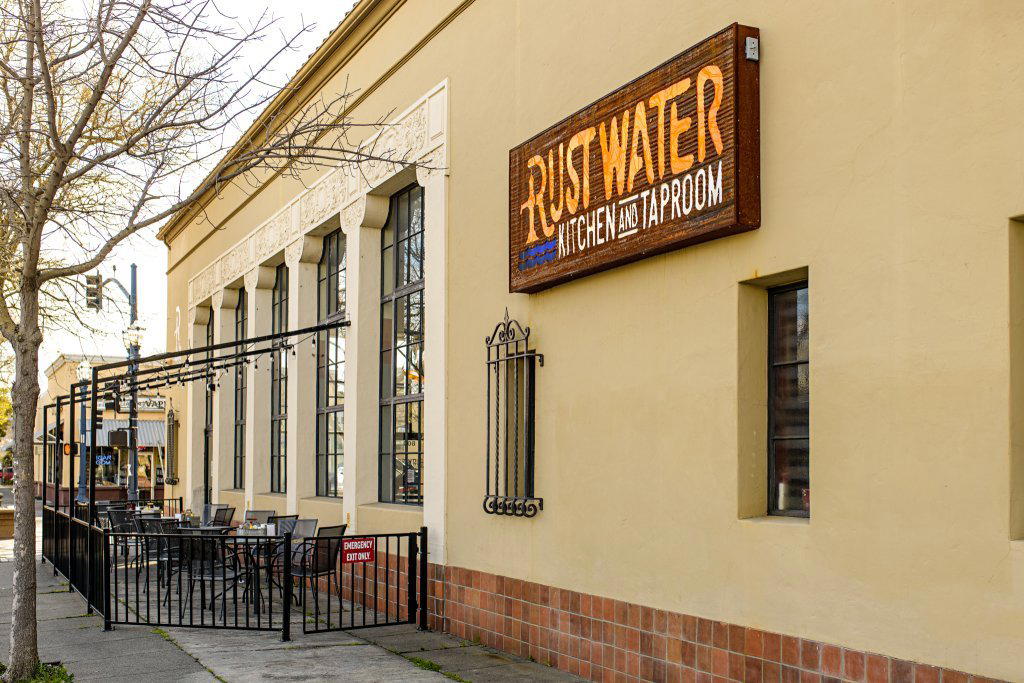
Texas Street After Dark
There is a particular atmosphere that develops in taprooms that take both sides of the bar-kitchen equation seriously. The room does not announce itself with theatrical lighting or a sommelier in a pressed jacket. Instead, what you get on Texas Street is the low hum of a space that has found its register: poured concrete or worn wood under foot, the smell of something roasting in a back kitchen, and the particular acoustics of a room sized for conversation rather than spectacle. Rustwater Kitchen & Taproom at 800 Texas St, Fairfield, CA 94533 sits in that category, a format that has taken root across mid-sized California cities as an alternative to the binary choice between dive bar and white-tablecloth restaurant.
Fairfield occupies an unusual position in Northern California's drinking geography. Sitting roughly midway between San Francisco and Sacramento on the I-80 corridor, it has historically been a pass-through point rather than a destination. The bar and taproom scene here operates under different pressures than in the Bay Area, where rent levels and tourist traffic have driven a particular kind of high-concept cocktail bar. What emerges instead is something more community-anchored, where a kitchen and a tap list have to earn repeat business from a local crowd rather than one-time visitors chasing a reservation.
The Taproom Model and What It Demands
The kitchen-and-taproom format is not a shortcut. When a venue commits to running both programs at a level worth writing about, it creates a specific set of demands on the team. The drinks list has to hold up as a destination in its own right, not just a companion to food. And the food has to be more than bar snacks dressed up with a chef credit. When the balance works, the result is a room where the decision of what to order first, a glass or a plate, is genuinely difficult.
Across California, this format has produced some of the more interesting mid-tier drinking experiences of the past decade. The state's craft brewing culture gave taprooms a structural template, and as that culture matured, the better operators began treating the cocktail and wine side with the same seriousness applied to tap handles. The kitchen followed. Rustwater sits in that lineage.
For comparison points on what a serious American cocktail program looks like in other cities, the range is instructive. ABV in San Francisco has spent years demonstrating that a no-reservations bar can anchor a serious spirits-forward program. Kumiko in Chicago shows how a tightly edited menu built around Japanese whisky and craft technique can define a room's identity. Julep in Houston has made a case for regional American spirits as a foundation for genuine creative depth. These programs succeed not because of awards alone, but because the drinks menu carries a coherent point of view from first glass to last.
What to Drink: Reading a Taproom Menu
At a venue where the tap list is part of the identity, the first question is always the same: what is the house doing that you cannot replicate at the bottle shop down the road? In a well-run taproom, the answer involves some combination of house pours, rotating guest taps, and a cocktail section that uses the kitchen as a resource rather than an afterthought. Syrups made from kitchen trim, garnishes sourced from the same suppliers as the food menu, seasonal shifts that track what is coming through the back door, these are the signals of a program with a real connection between the two sides of the operation.
The broader American bar scene has moved steadily in this direction. Programs like Jewel of the South in New Orleans have shown how historical cocktail traditions can anchor a technically serious menu without becoming museum pieces. Superbueno in New York City demonstrates what happens when a bar treats Latin spirits and flavors as a full creative vocabulary rather than a gimmick. Bar Leather Apron in Honolulu has built recognition on precise, spirit-forward serves in a market that could easily default to tropical novelty. In each case, the program has a clear answer to the question of what it is actually doing and why.
For visitors approaching Rustwater's tap list, the practical guidance is to ask what is rotating and what is permanent. Permanent taps or cocktails on a taproom menu signal what the house is confident enough to defend every night. Rotating options are where you find the seasonal or experimental thinking. Both tell you something about how seriously the program is being run.
Placing Rustwater in the Regional Picture
Fairfield's bar scene does not get the editorial coverage that Sacramento or the Bay Area attracts, which means the better venues here are doing their work without the external validation that drives press in larger markets. That context matters when assessing a place like Rustwater. A taproom operating at a genuine level in a mid-sized market is working harder for its reputation than an equivalent operation in a city with an active food media presence.
Internationally, the taproom-with-kitchen model has found credible expression in cities well outside the obvious capitals. The Parlour in Frankfurt on the Main is one example of how a European city without a dominant cocktail identity can develop serious bar programming when operators commit to craft. Allegory in Washington, D.C. and Bitter & Twisted in Phoenix have both built sustained reputations in cities that are not the first names mentioned in American cocktail coverage, which is a useful parallel for what Fairfield's better operators are attempting. Canon in Seattle has gone further, building one of the largest spirits collections in North America as a way of anchoring its program in depth rather than trend. Bar Kaiju in Miami offers another reference point, a venue that has built identity through a distinct visual and drinks language in a market saturated with louder competitors.
Rustwater's address on Texas Street puts it in a part of Fairfield that is accessible from the downtown core, which matters for a venue relying on walk-in and repeat trade rather than destination bookings. For planning purposes, the taproom format typically suits early evening through late night, with kitchen service running alongside the bar program for most of the operating window. Checking current hours directly before visiting is advisable, as taproom schedules shift with season and staffing.
For a broader look at where Rustwater fits among Fairfield's eating and drinking options, the full Fairfield restaurants guide maps the city's scene across price points and formats.
Continue exploring
More in Fairfield
Bars in Fairfield
Browse all →
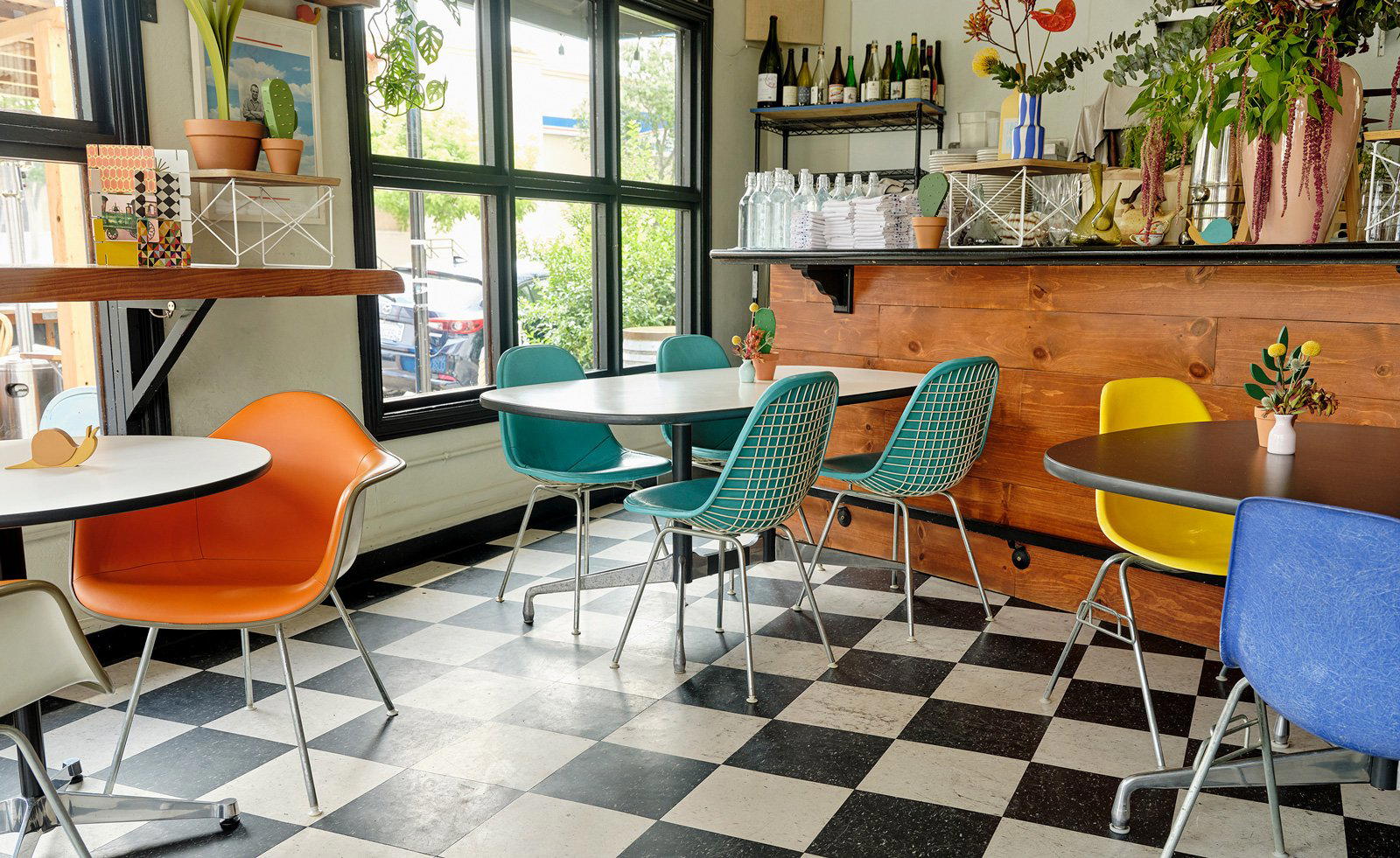
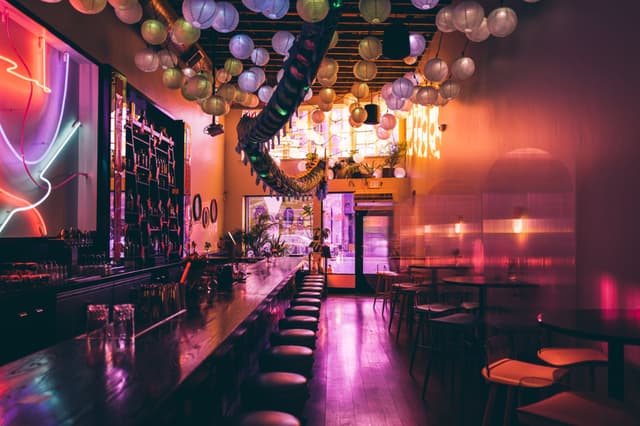
Restaurants in Fairfield
Browse all →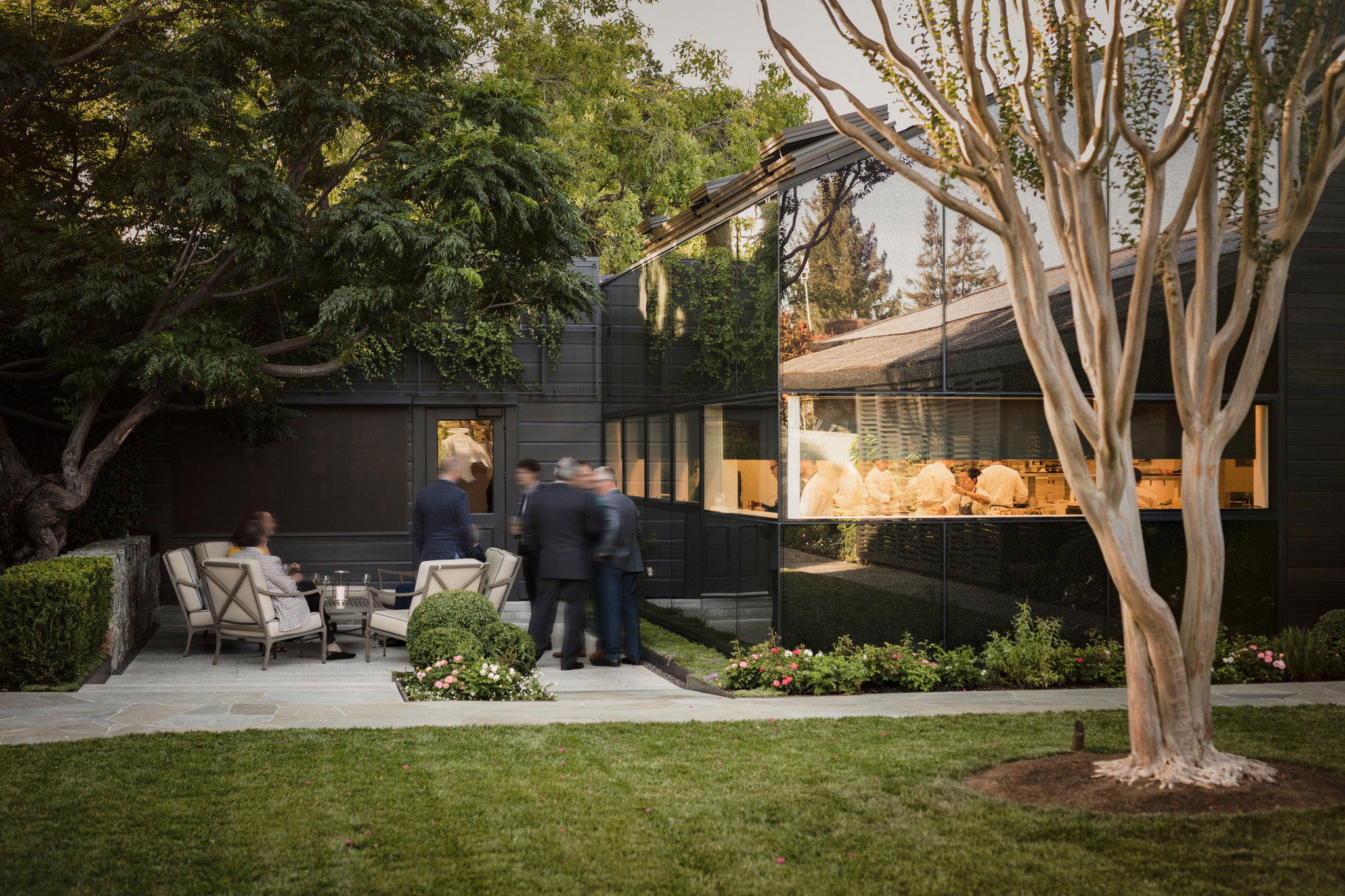
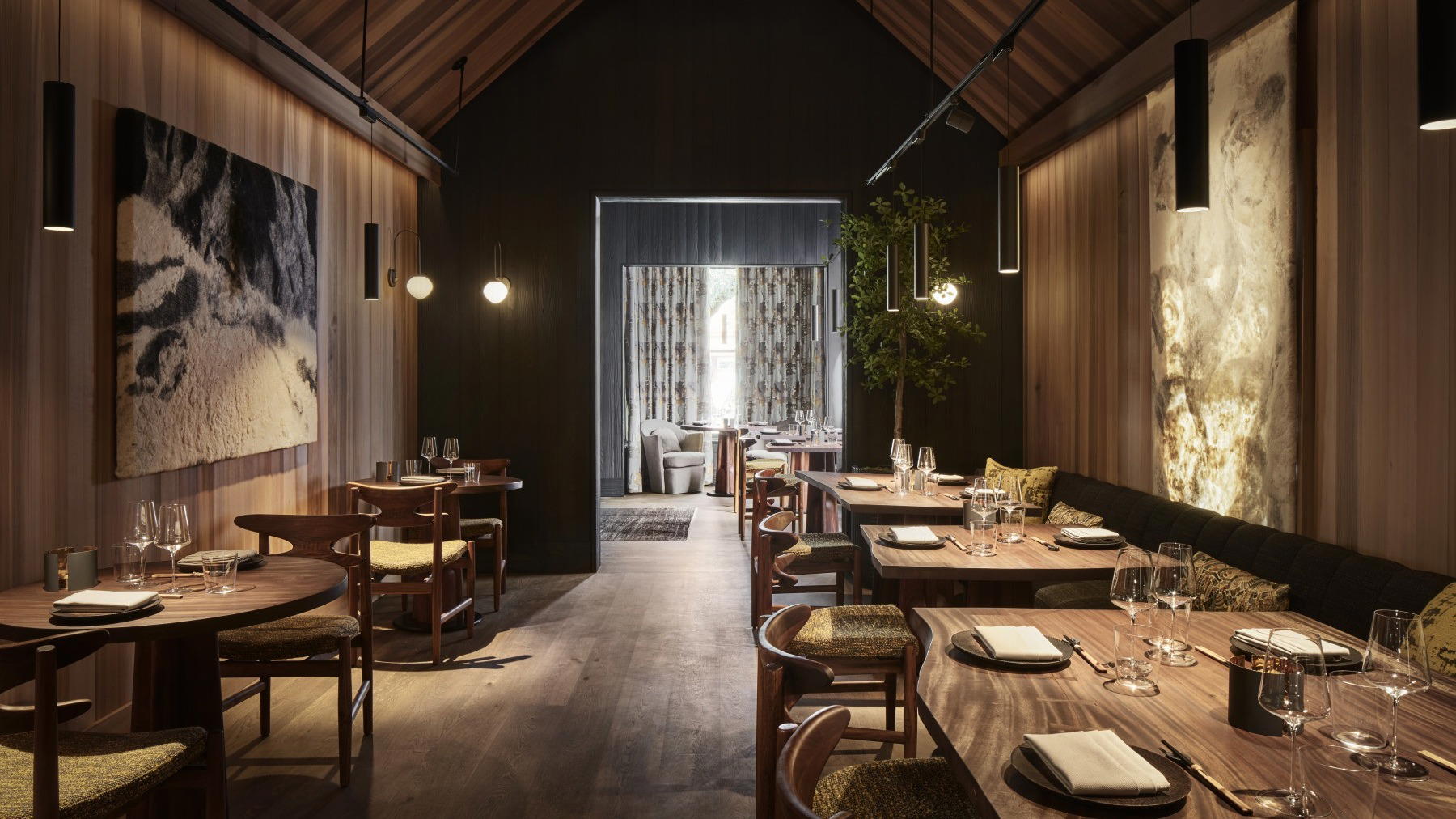
Hotels in Fairfield
Browse all →
At a Glance
- Lively
- Casual
- Casual Hangout
- Group Outing
- After Work
- Standalone
- Beer Garden
- Seated Bar
- Outdoor Terrace
- Craft Beer
Current opening hours
- Monday
- Closed
- Tuesday
- 12–10 PM
- Wednesday
- 12–10 PM
- Thursday
- 12–10 PM
- Friday
- 12–10 PM
- Saturday
- 12–10 PM
- Sunday
- 12–9 PM
Hours can change for holidays and private events. Last verified .
Relaxed and laid-back atmosphere with an eclectic vibe, featuring a giant chalkboard behind the bar displaying all beers on draft.
Know Before You Go
- Getting there
- 800 Texas St, Fairfield, CA 94533