Big Finish Wine Tavern
Big Finish Wine Tavern sits within San Francisco’s serious drinking culture, where wine bars, cocktail rooms, and restaurant cellars often overlap.
Pearl is the En Primeur Club membership app — saves, bookings, and concierge access live there. Same editors, same standards.
- Address
- 3141 16th St, San Francisco, CA 94103
- Phone
- (628) 867-4584
- Website
- bigfinishsf.com
- Directions
- Get directions
 Saves & bookings on Pearl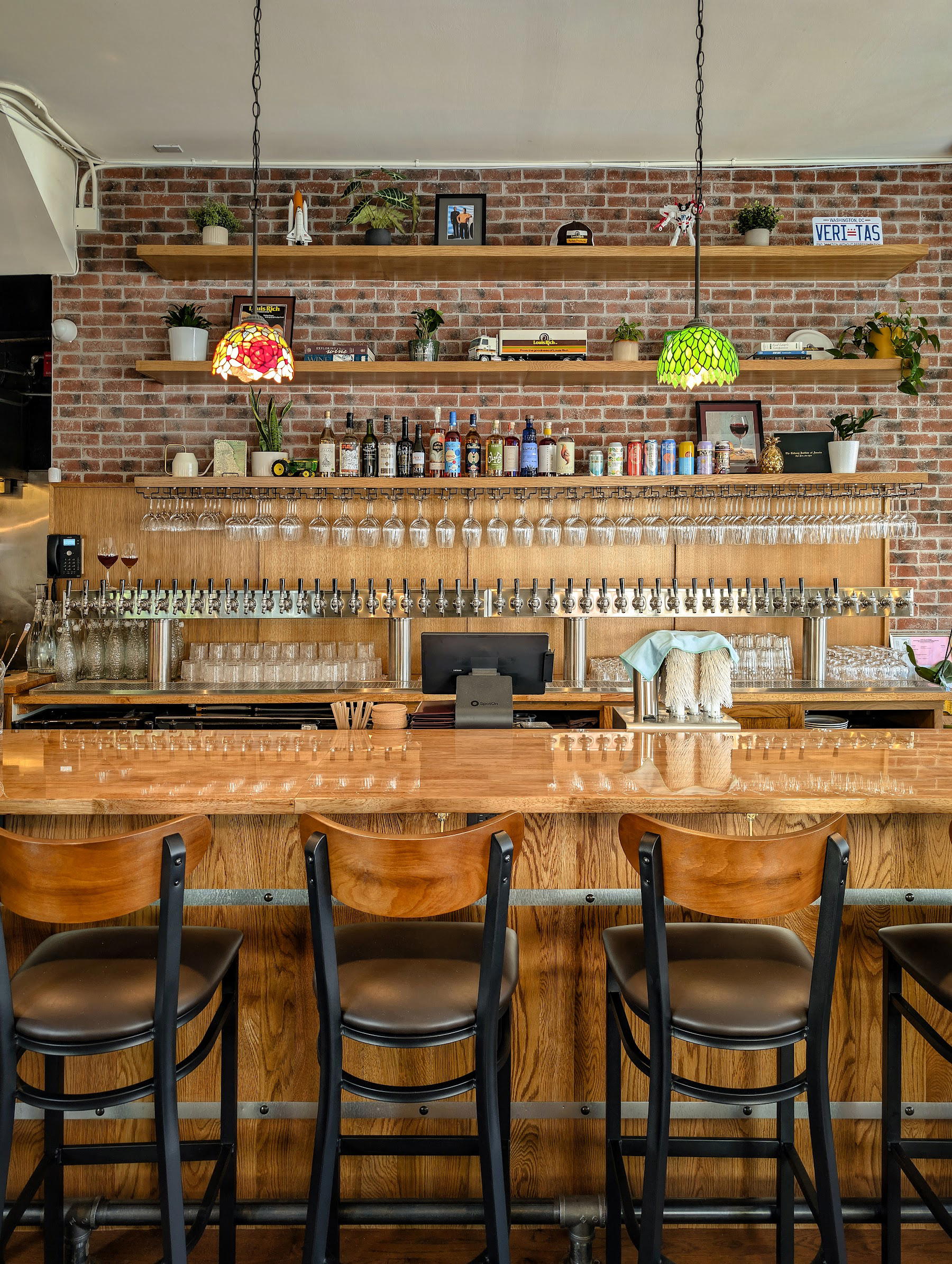
The room belongs to San Francisco's wine-bar language
A San Francisco wine tavern is rarely just a place to drink by the glass. The city’s stronger drinking rooms tend to behave like small editorial projects: a list reveals its loyalties, the room sets the pace, and the food, when present, usually supports the bottle rather than competing with it. Big Finish Wine Tavern belongs to that vocabulary by name alone, and the available public record is unusually spare: no address, hours, price range, cuisine type, chef, booking method, phone number, website, awards, or review count are listed in the venue database. That absence matters. For a premium traveler, it shifts the assessment away from promised specifics and toward the broader question of what a San Francisco wine tavern should be asked to do.
The city has long rewarded drinking formats that sit between categories. A dinner can begin at a cocktail bar, turn into a bottle-led meal, and end in a dining room with a serious back bar. That is why the strongest comparison set for a wine tavern in San Francisco is not limited to wine bars. It includes the Mission’s technical cocktail culture, restaurant-adjacent bars, and small rooms where the list is the real argument. True Laurel reads as a cocktail room with restaurant discipline; ABV helped normalize serious drinks without the stiffness of hotel-bar service; Friends and Family belongs to the newer cohort of convivial neighborhood drinking rooms. Against that field, a wine tavern has to justify itself through curation, not spectacle.
Why bottle curation matters more than decoration
San Francisco’s drinking culture is shaped by proximity to Northern California wine country, but that proximity can be a trap. A local list that leans only on familiar Napa Cabernet or Sonoma Chardonnay risks becoming a visitor shorthand rather than a point of view. The more interesting rooms use the Bay Area’s access as a starting point and then build outward: older domestic producers, small European domaines, skin-contact wines, alpine whites, sherry, Madeira, vermouth, amaro, or spirits that explain what the staff likes after the table has finished dinner. What can be said is that the venue’s category places it in a demanding lane. In this city, bottle curation is not decorative; it is the core editorial act.
That is also where wine taverns differ from destination cocktail bars. A cocktail program can show technical intent through clarified drinks, house ferments, force carbonation, or a tightly constructed menu. A wine tavern works with selection, storage, pacing, and staff fluency. The pleasure is less theatrical and often more revealing. A short list can be sharper than a long one if it has conviction. A long list can feel lazy if it merely accumulates labels. San Francisco drinkers, especially those who move between restaurants, bars, and bottle shops, tend to notice that difference quickly.
The spirits-collection question is relevant even in a wine-led room. In contemporary American drinking, the back bar has become a second cellar: Chartreuse, mezcal, Japanese whisky, brandy, fortified wine, and bitter liqueurs often signal whether a venue thinks beyond the first glass. Look for whether the list has a point of view beyond recognizable names. A serious collection does not need scale; it needs choices that tell the table what kind of drinking the room respects.
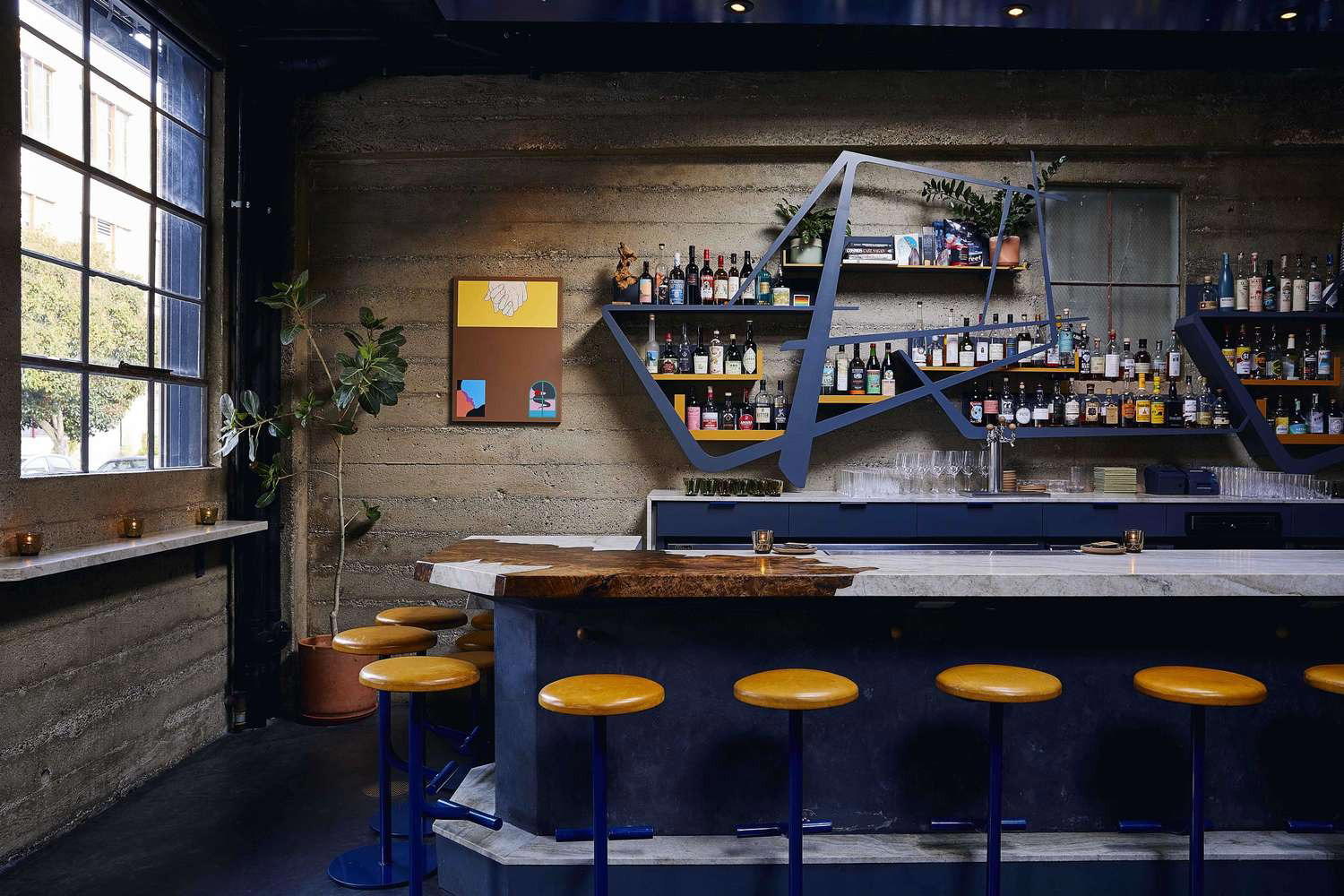
San Francisco is a compact city with a deep bench of bars, and its strongest venues tend to resist single-category labeling. Pacific Cocktail Haven sits in the cocktail conversation through technique and Filipino-American flavor references, while restaurant bars across the city often treat wine and spirits with equal seriousness. Visitors comparing categories should use Our full San Francisco bars guide alongside Our full San Francisco restaurants guide, because the city’s better drinking decisions often depend on the hour of the evening rather than the label on the door.
That competitive set creates a clear expectation. A tavern format has to offer a reason to linger: a list with enough range for a second bottle, staff who can translate unfamiliar producers without reciting importer copy, and a room that accommodates conversation. The public record for Big Finish Wine Tavern does not establish whether it has awards or third-party recognition. In the absence of those trust markers, the editorial test becomes practical: does the venue provide enough transparent information for a traveler to plan, and does the experience category fit the evening’s purpose?
Travelers building a broader Bay Area itinerary should also separate city drinking from wine-country tourism. San Francisco’s urban wine culture is about access and selection; winery visits are about site, farming, vintage, and release structure. For that second mode, Our full San Francisco wineries guide is the better starting point. For a night that begins with dinner, moves into cocktails, and ends with a final glass, the bar and restaurant guides will be more useful.
What the sparse public record means for planning
The venue database lists no address, phone number, website, hours, booking method, price range, dress code, seat count, cuisine type, chef, or awards. That does not make the venue less interesting, but it does make planning less automatic than it would be for a room with published reservations and a visible menu. In practical terms, travelers should avoid building a rigid evening around it without confirming current details through a reliable live source. In San Francisco, hours and service formats can change, especially for smaller bars and taverns, and a room that operates casually may still fill quickly at peak times.
Price is another open question. Without a listed range, no meaningful comparison can be made between this venue and the city’s more formal restaurant cellars or neighborhood wine bars. The sensible approach is to treat it as an exploratory stop rather than the financial anchor of the evening. If dinner is the main event, pair it with a known reservation elsewhere. If drinking is the main event, keep a second nearby option from the city’s bar guide. This is not hedging; it is how seasoned travelers deal with incomplete public data in a city where small venues often publish less than hotel bars or tasting-menu restaurants.
The lack of listed cuisine type also matters. That uncertainty changes the order of operations. Plan dinner separately unless a current menu confirms otherwise. San Francisco makes that easy: restaurant density in the central neighborhoods means a bottle-led stop can sit before or after a meal rather than carrying the full evening. For hotel planning, Our full San Francisco hotels guide can help match lodging to the right drinking radius, which is often more useful than chasing a cross-town address late at night.
How to read a tavern list in this city
A serious wine tavern in San Francisco usually reveals itself through structure. By-the-glass selections show how much confidence the room has in opening bottles. Half-bottles or coravin pours, if present, can signal an interest in older or higher-cost wines without forcing a full-bottle commitment. Fortified wines at the end of the list suggest a staff that thinks about the final act of the evening. Again, no such features are confirmed for Big Finish Wine Tavern; these are the right questions to bring to any room using the wine-tavern label in this market.
The city’s more persuasive drinking rooms also avoid the false divide between casual and serious. A bare table can support a rigorous list. A room with low-key service can still know producers, vintages, and importers in depth. Conversely, a polished room can disappoint if the list is assembled by reputation rather than taste. That distinction is why awards are helpful but not sufficient. Since no awards are listed here, the reader should lean on observable signals: bottle range, staff fluency, condition of glassware, temperature of pours, and whether the list makes sense beyond a few familiar labels.
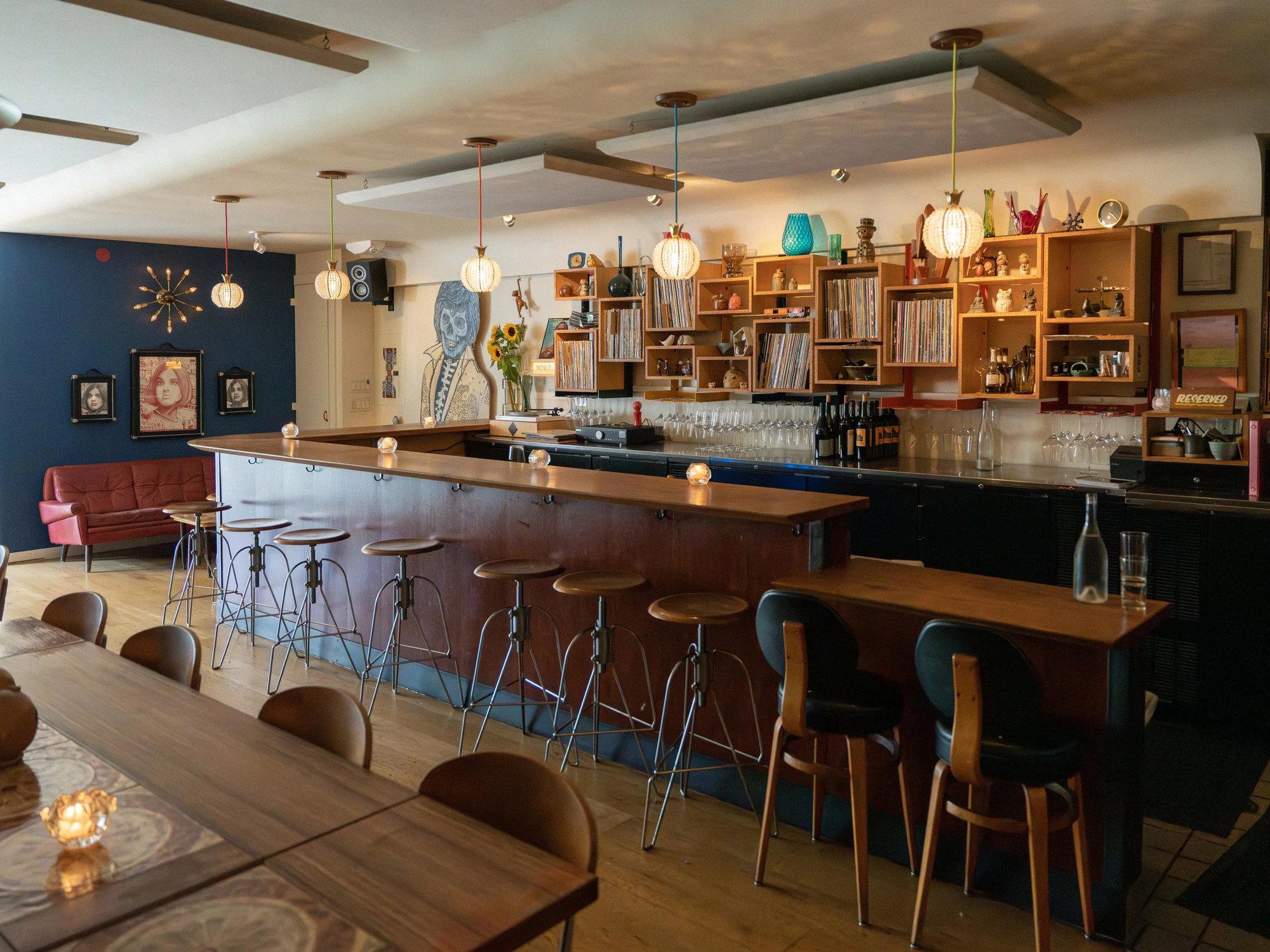
For travelers comparing San Francisco with other American bar cities, the contrast is useful. Café La Trova in Miami is tied to Cuban cantinero culture and live-room energy; Happy Accidents in Albuquerque shows how a smaller market can build a serious cocktail identity around experimentation; Roquette in Seattle sits closer to the European aperitif and wine-bar conversation. San Francisco’s version is shaped by wine access, restaurant literacy, and a customer base comfortable spending an evening across formats rather than inside a single category.
Where it fits in an itinerary
Big Finish Wine Tavern is better framed as part of a drinking sequence than as a fully documented destination meal. With no confirmed food format, chef, price, hours, or reservation channel, it should not replace a planned dinner for travelers with limited nights in the city. Its value, based on the available record, lies in the category it occupies: a wine-led tavern in a city where serious drinking often happens in smaller, less declarative rooms. That makes it a plausible candidate for a pre-dinner glass, a post-dinner bottle, or a flexible evening built around exploration rather than fixed courses.
For a first-time San Francisco trip, the smarter structure is to anchor one night in restaurants, one night in cocktail bars, and one looser night around wine. The restaurant guide will handle dining ambition, the bar guide will handle cocktail technique, and the experiences guide can fill daylight hours before a longer evening. Our full San Francisco experiences guide is useful for that daytime layer, especially when the night’s plan depends on flexibility. A wine tavern belongs naturally in that third category of evening: less scripted, more dependent on the list in front of the table, and better judged by how the first glass shapes the next decision.
Planning notes
Confirm current details before making it the anchor of an evening.
Treat spend as unverified rather than assuming neighborhood-bar pricing or formal restaurant-cellar pricing.
Food expectations: Cuisine type and signature dishes are not listed. Plan a separate meal unless a current menu confirms the food format.
Category fit: The strongest use case is wine-led drinking in San Francisco, especially for travelers comparing bottle curation with the city’s cocktail and restaurant-bar culture.
Reputation & Price
Comparable venues nearby, for context on price, style, and recognition.
| Venue | Cuisine | Price | Notes |
|---|---|---|---|
| Big Finish Wine TavernThis venue — the venue you are viewing | Not listed | $$ | Not listed |
| Amnesia Beer & Music Hall | Not listed | $$ | Mission, beer_bar |
| Osmanthus Dim Sum Lounge | North Beach, lounge | $$ | Not listed |
| Golden Era | Tenderloin, Bar | $$ | Not listed |
| The House Of Shields | Not listed | $$ | Financial District/South Beach, cocktail_bar |
| Delarosa Marina | Not listed | $$ | Marina, cocktail_bar |
Continue exploring
More in San Francisco
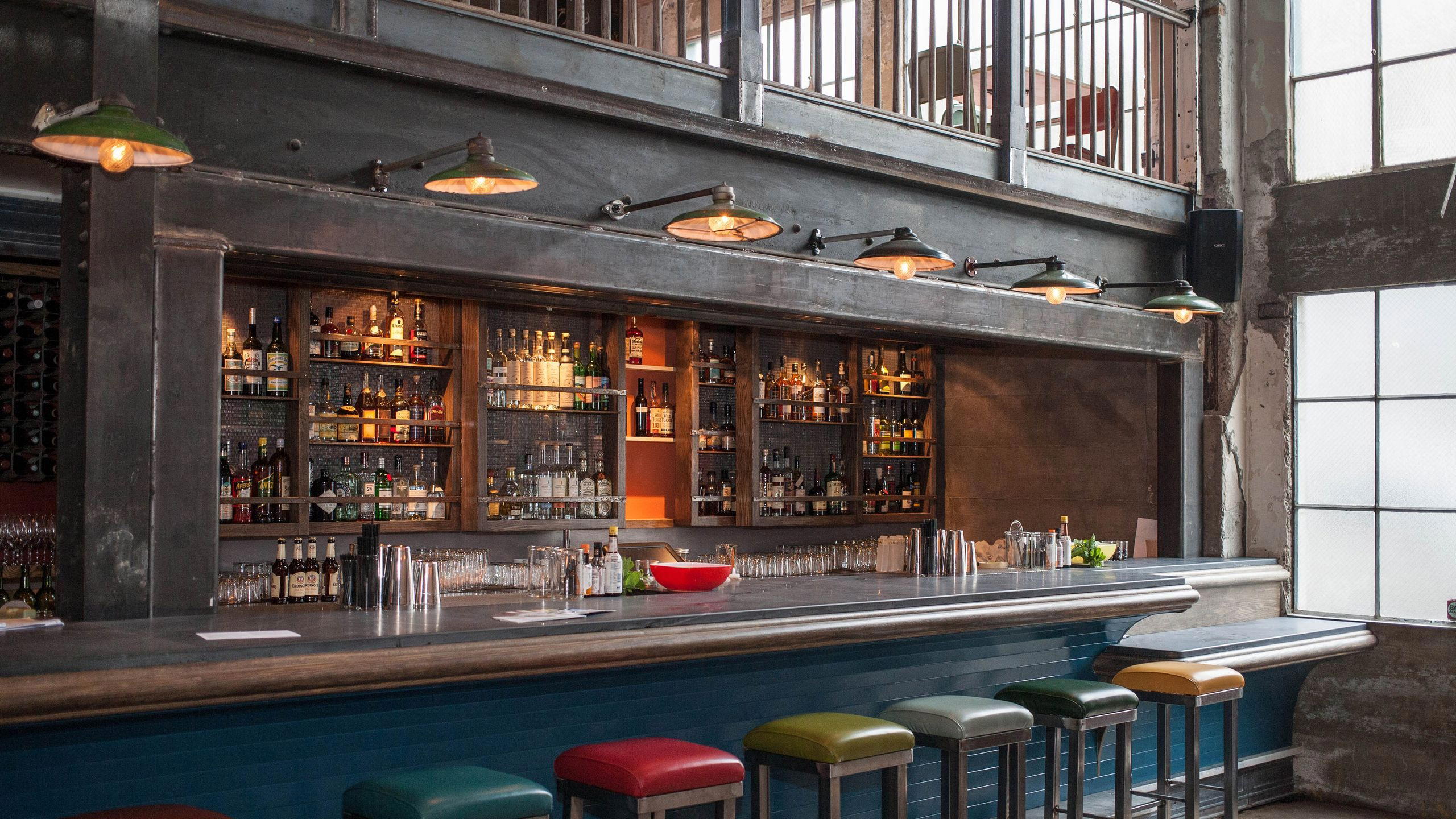
Bars in San Francisco
Browse all →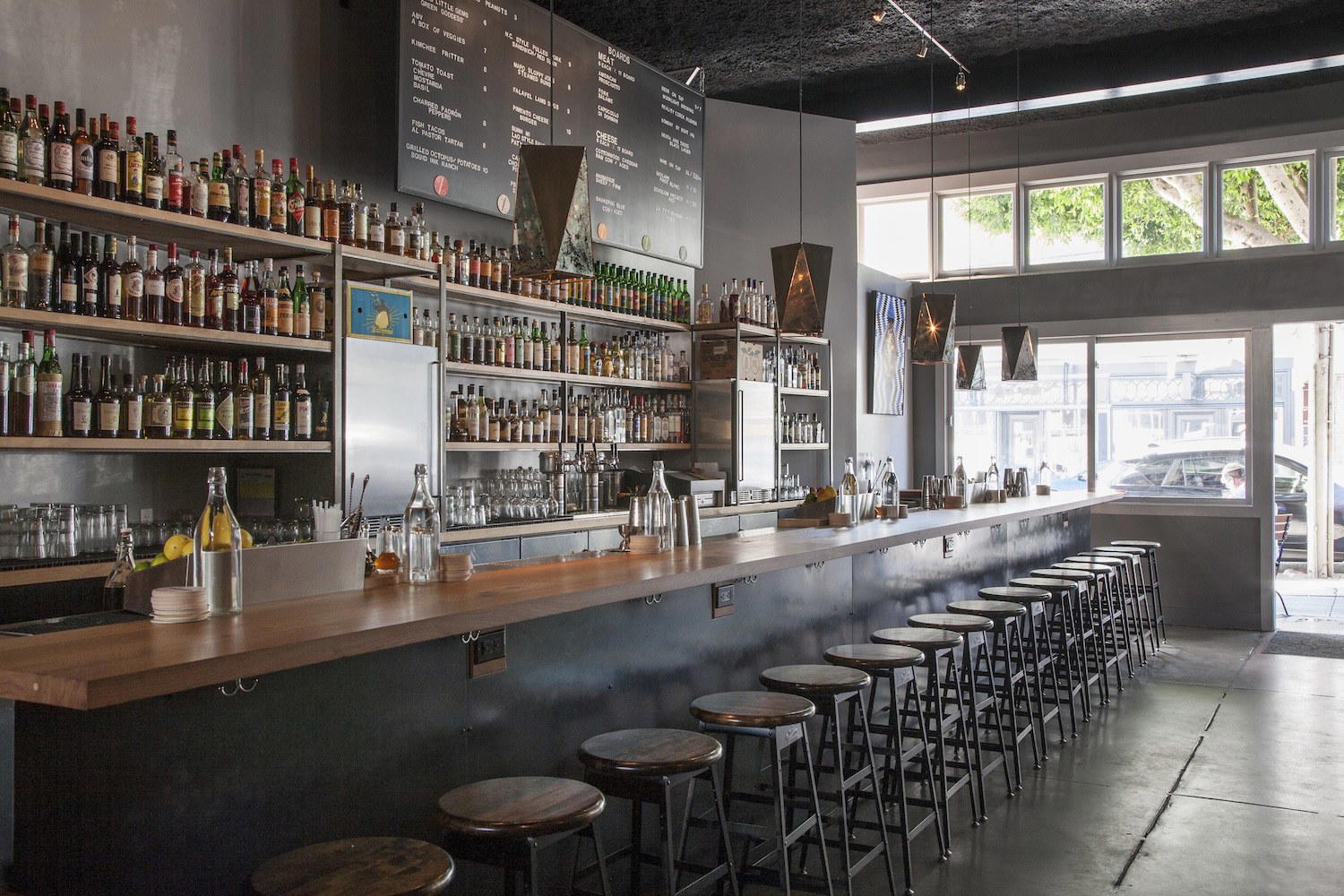
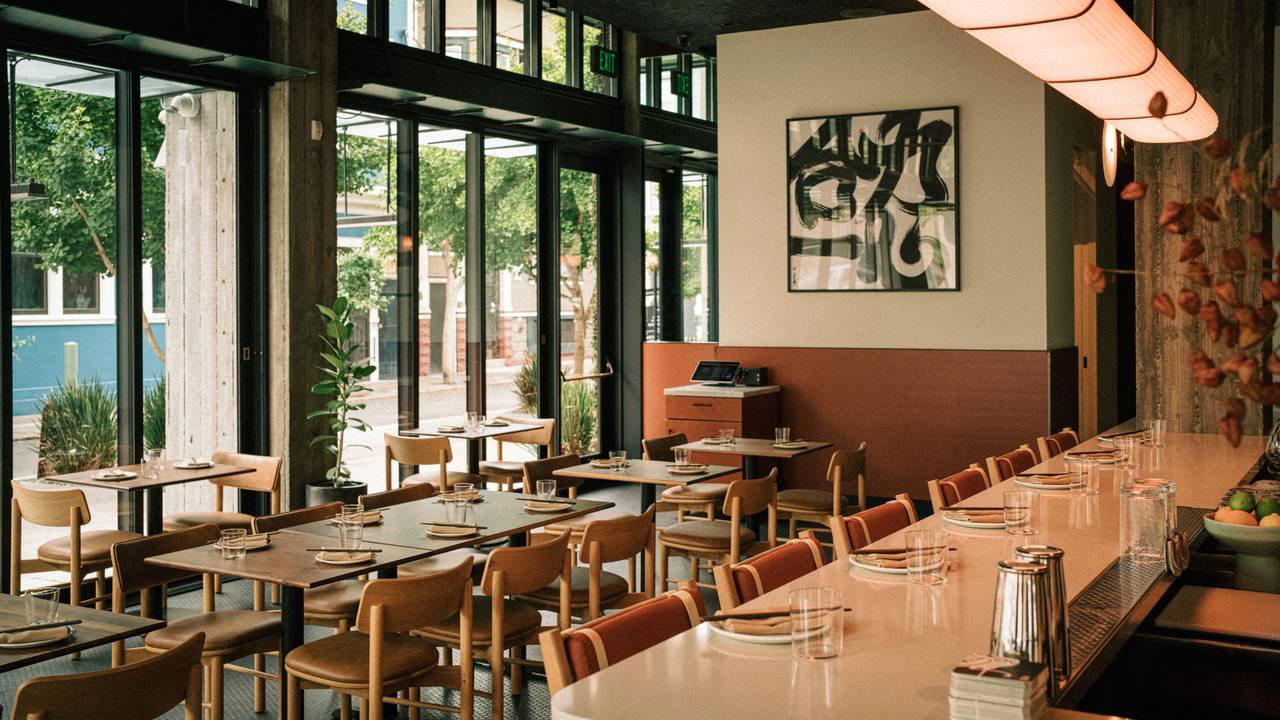
Restaurants in San Francisco
Browse all →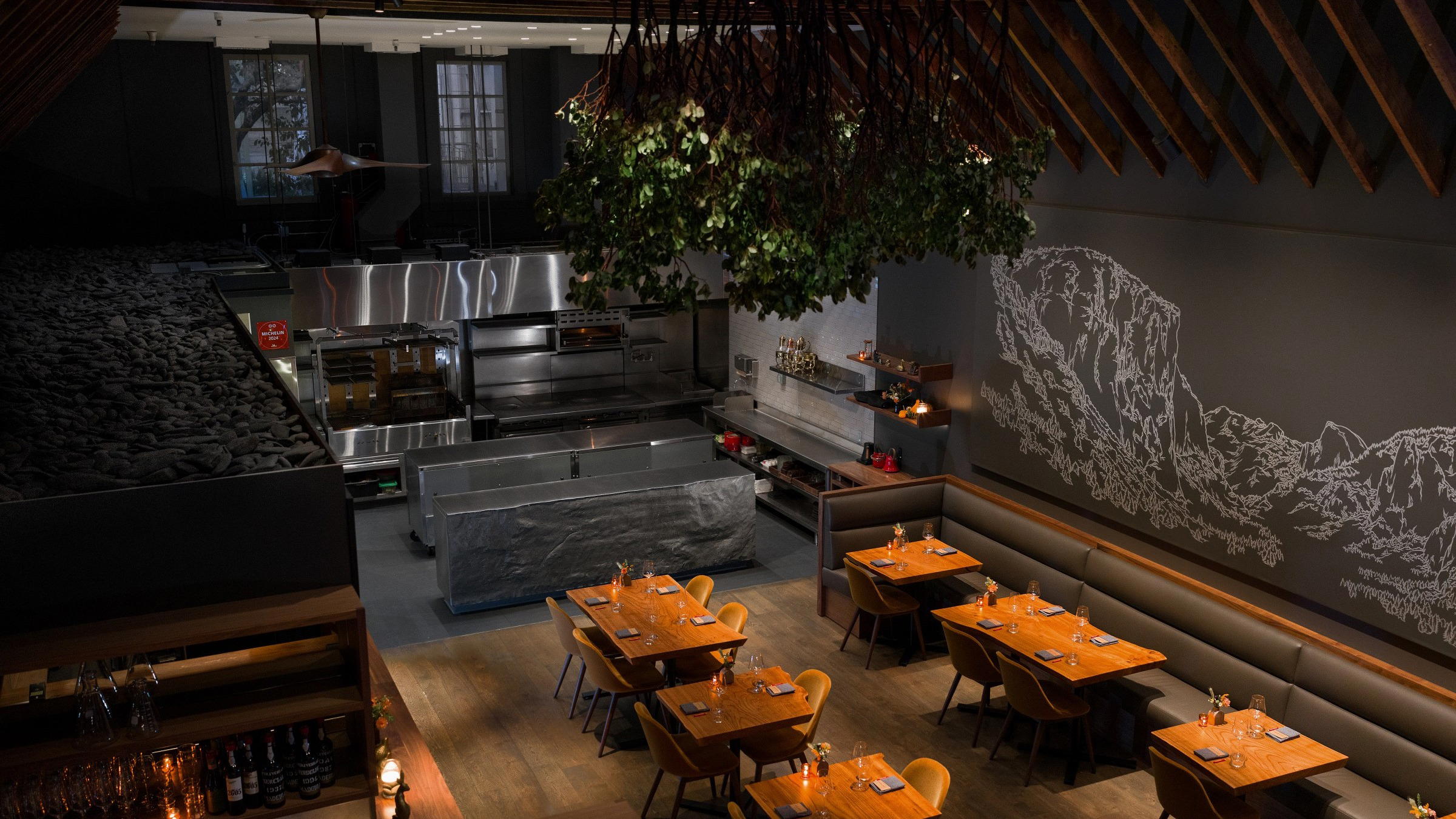
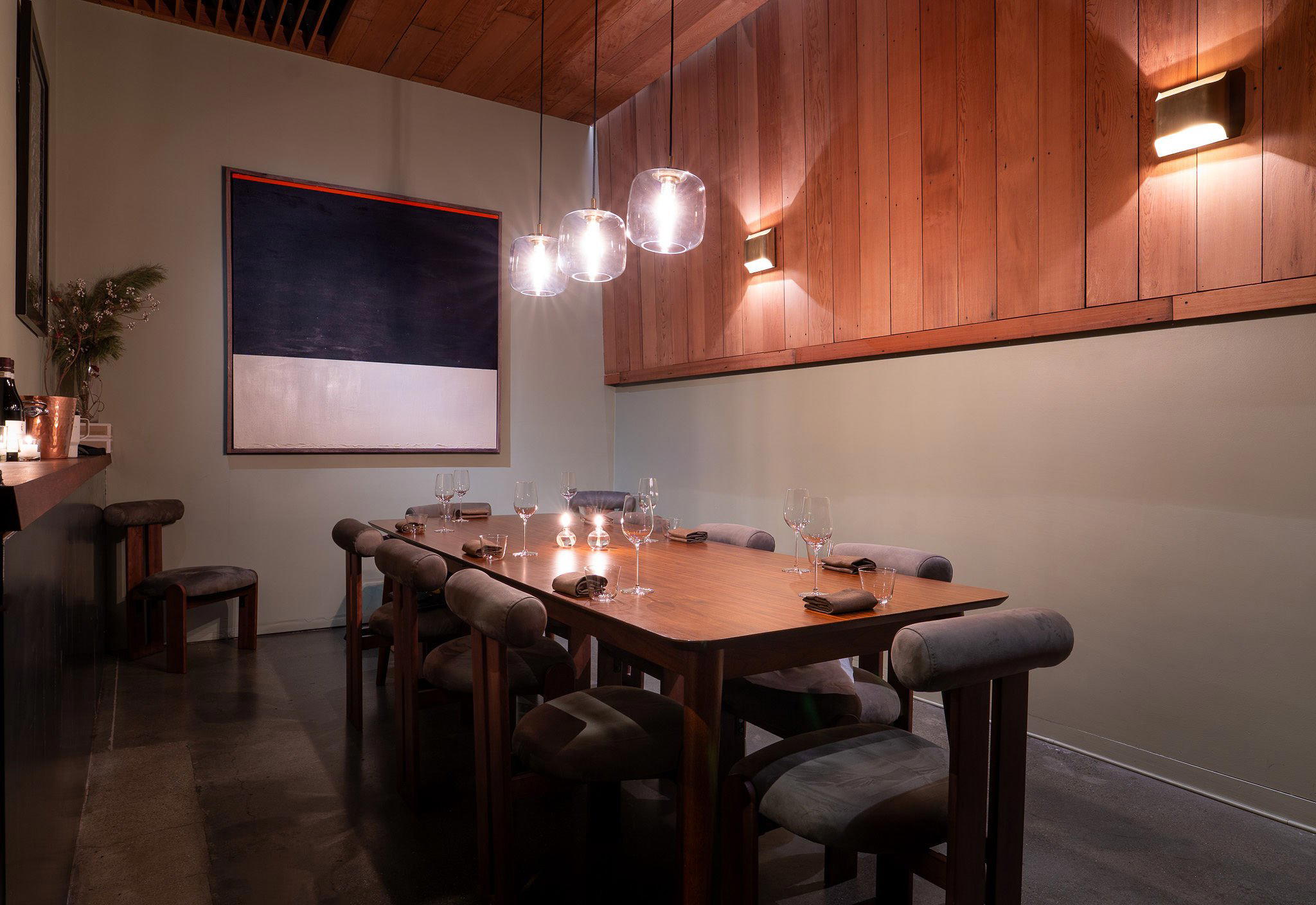
Hotels in San Francisco
Browse all →
At a Glance
- Cozy
- Intimate
- Sophisticated
- After Work
- Date Night
- Casual Hangout
- Special Occasion
- Solo
- Standalone
- Seated Bar
- Lounge Seating
- Conventional Wine
- Zero Proof
Current opening hours
- Monday
- 5–11 PM
- Tuesday
- 5–11 PM
- Wednesday
- 5–11 PM
- Thursday
- 5–11 PM
- Friday
- 5 PM–12 AM
- Saturday
- 5:30–11 PM
- Sunday
- 3–9 PM
Hours can change for holidays and private events. Last verified .
Comfortable, inviting, and community-oriented, with a relaxed neighborhood atmosphere designed for lingering over wine and food.
Know Before You Go
- Getting there
- 3141 16th St, San Francisco, CA 94103