Pour House
Pour House on Jollyville Road sits in Austin's northwest corridor, a neighborhood bar operating at some remove from the downtown cocktail circuit. The venue's address places it squarely in the suburban fabric of the 78759 zip code, where the bar scene runs on regulars rather than tourists, and the draw is consistency over spectacle.
Pearl is the En Primeur Club membership app — saves, bookings, and concierge access live there. Same editors, same standards.
- Address
- 11835 Jollyville Rd, Austin, TX 78759
- Phone
- +1 512 270 4740
- Website
- pourhousepintsandpies.com
- Directions
- Get directions
 Saves & bookings on Pearl
Northwest Austin's Bar Tradition: Regulars Over Reservations
The northwest corridor of Austin, anchored by the Jollyville Road artery between the Domain and the older suburban grid near Great Hills, has always operated on different terms than the East 6th or South Congress drinking circuits. Bars here serve a residential catchment — tech workers from the Domain-adjacent offices, long-term residents of the 78759 zip code, and the kind of crowd that values a known quantity over a curated experience. Pour House at 11835 Jollyville Rd sits inside that tradition. It is a neighborhood bar in the functional sense: its geography determines its audience more than any particular concept or program.
This distinction matters when placing Pour House in Austin's broader drinking map. The city's cocktail conversation tends to orbit downtown and East Austin, where venues like Nickel City have built reputations on tight formats and deliberate programming. Northwest Austin operates separately from that conversation, and bars in this corridor rarely compete for the same press attention or the same visitor. Pour House is better understood as part of a neighborhood infrastructure than as a participant in Austin's competitive cocktail tier.
The Cultural Logic of the American Neighborhood Bar
The neighborhood bar is one of the more durable formats in American drinking culture, and its persistence says something useful about how people actually use bars. Unlike the destination cocktail bar, which asks visitors to travel toward an experience, the neighborhood bar asks nothing beyond proximity. Its value proposition is accumulation: the bartender who remembers your order, the familiar faces at adjacent stools, the ambient noise calibrated to conversation rather than performance. These are not small things. In cities where drinking culture has bifurcated sharply between high-concept venues and anonymous chain outlets, the mid-tier neighborhood bar fills a social function that neither extreme manages well.
Austin has seen this bifurcation accelerate over the past decade. The influx of capital and population has pushed the upper tier of the cocktail scene into increasingly technical territory, with clarified spirits, house-made syrups, and extended tasting formats that would not have existed in the city fifteen years ago. Venues like 2500 E 6th St and Aba Austin represent that upper register, where the bar program is a deliberate editorial statement. Pour House occupies the other side of that divide, where the organizing principle is accessibility rather than ambition, and where the measure of a good night is whether you wanted to come back, not whether you photographed your drink.
That distinction is not a criticism. It reflects a genuine split in what bars are for. The American neighborhood bar tradition runs from mid-century taverns through dive-bar culture and into contemporary versions that maintain the same social contract under different aesthetics. The cultural roots of that format are democratic: a place where the barrier to entry is a stool and a drink order, nothing more.
Placing Pour House in Austin's Competitive Terrain
Austin's northwest drinking corridor does not generate the same editorial coverage as the downtown or east side scenes, which means the bars operating there are evaluated by different criteria. A venue like Antone's Nightclub carries a documented history and a specific cultural weight in Austin's music and bar narrative. Pour House carries no equivalent documented distinction in available records — no awards on file, no Michelin recognition, no press citations in the venue data. What it carries is a specific address in a specific neighborhood, and the practical function that implies.
For context, compare Pour House's position with what the technical cocktail tier looks like nationally. Kumiko in Chicago operates with a Japanese spirits and spirits-forward philosophy that requires sustained attention from the guest. Jewel of the South in New Orleans foregrounds historical cocktail craft as its primary identity. Bar Leather Apron in Honolulu runs a tight seat count against a Japanese-influenced program. These venues are making arguments about what a bar should do. A neighborhood bar on Jollyville Road is not making the same argument, and it should not be evaluated on those terms.
Regionally, the Texas bar scene has developed its own mid-tier neighborhood format that draws on the state's long tradition of no-frills honky-tonk culture, adapted for suburban demographics. Julep in Houston operates in a different register entirely, with a Southern cocktail program that has received sustained recognition. Pour House sits well below that tier in terms of documented program and critical attention, which places it in a different use case entirely: the local, the habitual, the convenient.
What to Expect and When to Go
Given the absence of confirmed hours, booking requirements, or a documented drink program in available records, the practical calculus for Pour House is direct. This is not a venue that requires advance planning. Neighborhood bars of this format in Austin's northwest corridor typically operate on walk-in traffic with standard Texas bar hours, but visitors should confirm current hours and availability directly before traveling to the address. No website or phone number is on file in the venue's current record, which adds a layer of friction for advance planning.
For those arriving from out of town specifically to drink well in Austin, the northwest corridor is not where the city's documented program bars operate. ABV in San Francisco and Superbueno in New York City illustrate what dedicated program bars in other cities look like at their sharper end. Austin's equivalent, for visitors prioritizing that tier, sits closer to the downtown and East 6th corridors. Our full Austin restaurants guide maps the broader scene across neighborhoods and price tiers.
Pour House's value is local rather than destination-oriented. It serves a neighborhood that has limited alternatives in its immediate catchment, and in that context, consistent service and familiar surroundings carry real weight. The venue's position on Jollyville Road also puts it in proximity to the Domain and the dense office development around North MoPac, which means its evening crowd likely skews toward after-work traffic rather than weekend destination visitors. Internationally minded bar programs like The Parlour in Frankfurt on the Main operate on completely different guest expectations and planning requirements. Pour House does not ask for that kind of investment from its visitors, and that is precisely its function.
Planning Details
| Venue | Format | Booking Required | Price Tier | Primary Audience |
|---|---|---|---|---|
| Pour House (Austin) | Neighborhood bar | No (walk-in) | Not documented | Local/residential |
| Nickel City (Austin) | Dive-style with program | No | Low-mid | Local + visitors |
| The Roosevelt Room (Austin) | Cocktail bar | Recommended | Mid-upper | Cocktail-focused visitors |
| Eden Cocktail Room (Austin) | Cocktail bar | Recommended | Mid-upper | Cocktail-focused visitors |
Continue exploring
More in Austin
Bars in Austin
Browse all →
Restaurants in Austin
Browse all →
Hotels in Austin
Browse all →
At a Glance
- Casual
- Cozy
- Lively
- Casual Hangout
- Group Outing
- After Work
- Standalone
- Beer Garden
- Outdoor Terrace
- Booth Seating
- Lounge Seating
- Craft Beer
- Classic Cocktails
Current opening hours
- Monday
- 3–10 PM
- Tuesday
- 3–10 PM
- Wednesday
- 3–10 PM
- Thursday
- 3–10 PM
- Friday
- 3–11 PM
- Saturday
- 3–11 PM
- Sunday
- 3–10 PM
Hours can change for holidays and private events. Last verified .
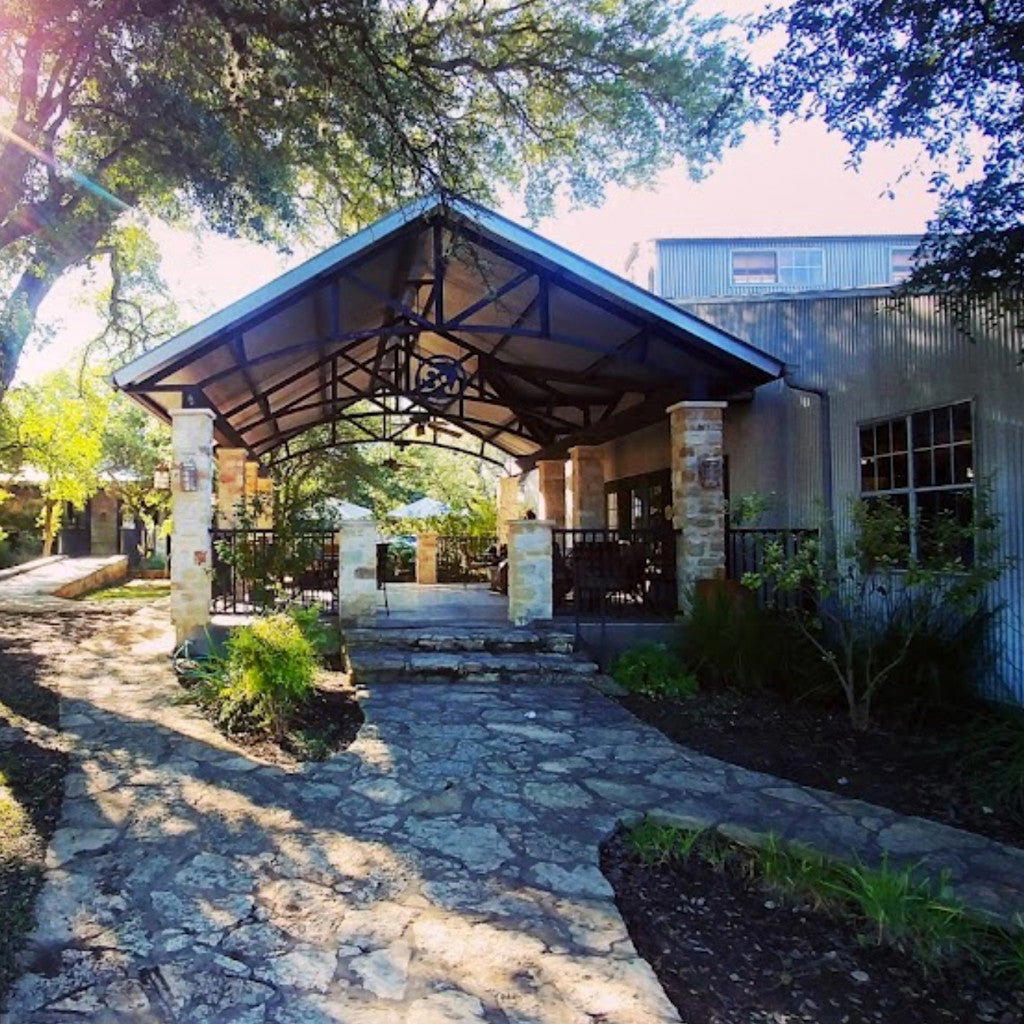
Laid-back neighborhood pub with shaded picnic tables, jukebox music, and TV sports creating a relaxed escape from downtown crowds.
Know Before You Go
- Getting there
- 11835 Jollyville Rd, Austin, TX 78759