Pino's
Pino's sits on Reynolds Street in Pittsburgh's Squirrel Hill neighbourhood, part of an Italian-American dining corridor that has anchored the area for decades. The address places it within walking distance of the neighbourhood's most established independent restaurants, making it a practical and locally rooted stop for anyone orienting themselves around Pittsburgh's east-end dining scene.
Pearl is the En Primeur Club membership app — saves, bookings, and concierge access live there. Same editors, same standards.
- Address
- 6738 Reynolds St, Pittsburgh, PA 15206
- Phone
- +1 412 361 1336
- Website
- chefpino.com
- Directions
- Get directions
 Saves & bookings on Pearl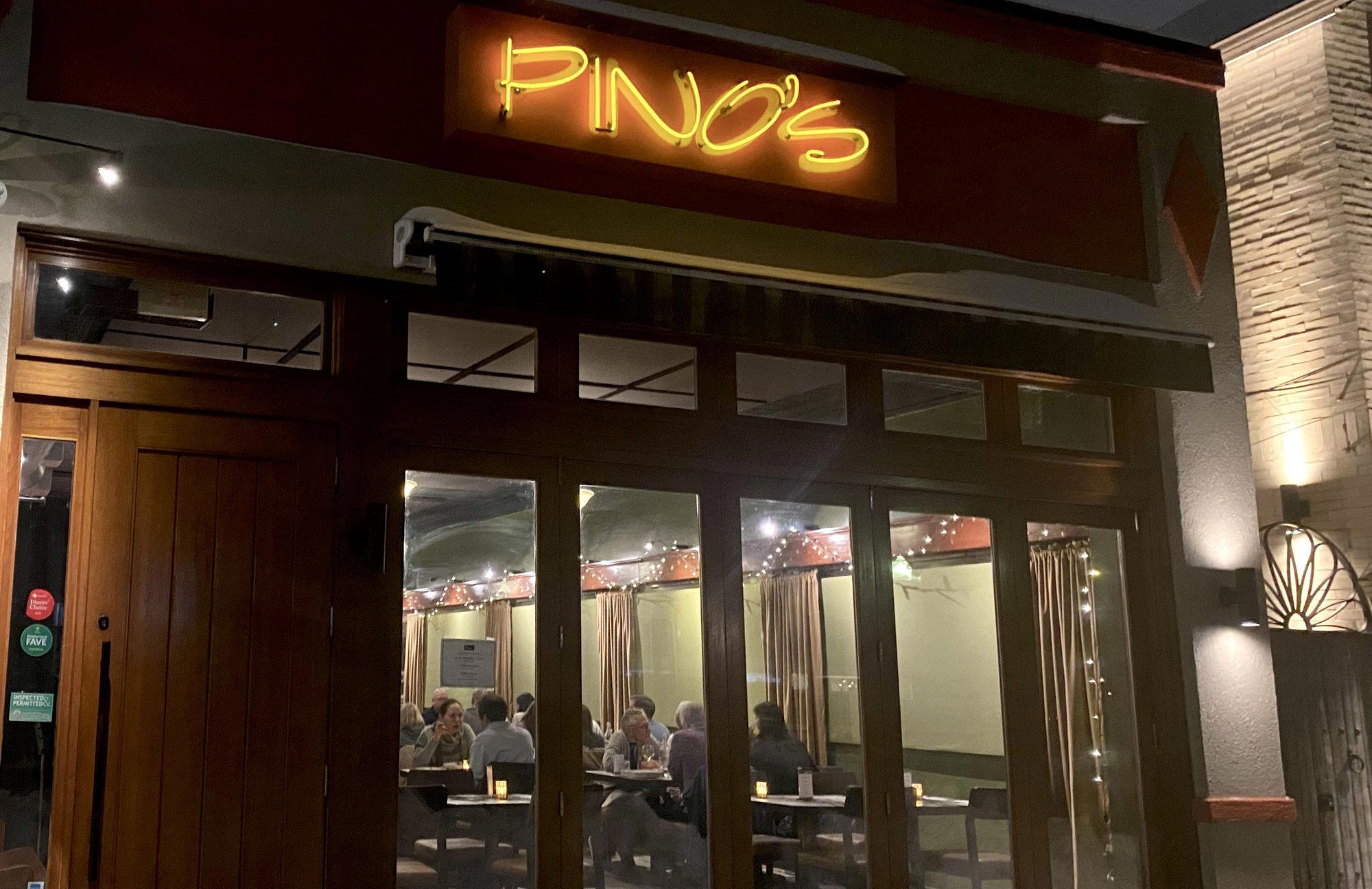
Reynolds Street and the Italian-American Thread Running Through Squirrel Hill
Squirrel Hill's dining character was shaped by successive waves of immigrant communities, and the Italian-American strand runs deeper here than in most Pittsburgh neighbourhoods. Reynolds Street sits at the quieter residential edge of that tradition, away from the Murray Avenue commercial strip but still firmly inside the neighbourhood's gravitational pull. Restaurants along this corridor tend toward the long-established rather than the recently opened, and Pino's at 6738 Reynolds Street fits that pattern: an address that reads as neighbourhood institution before you've even pushed the door.
The Physical Space as Argument
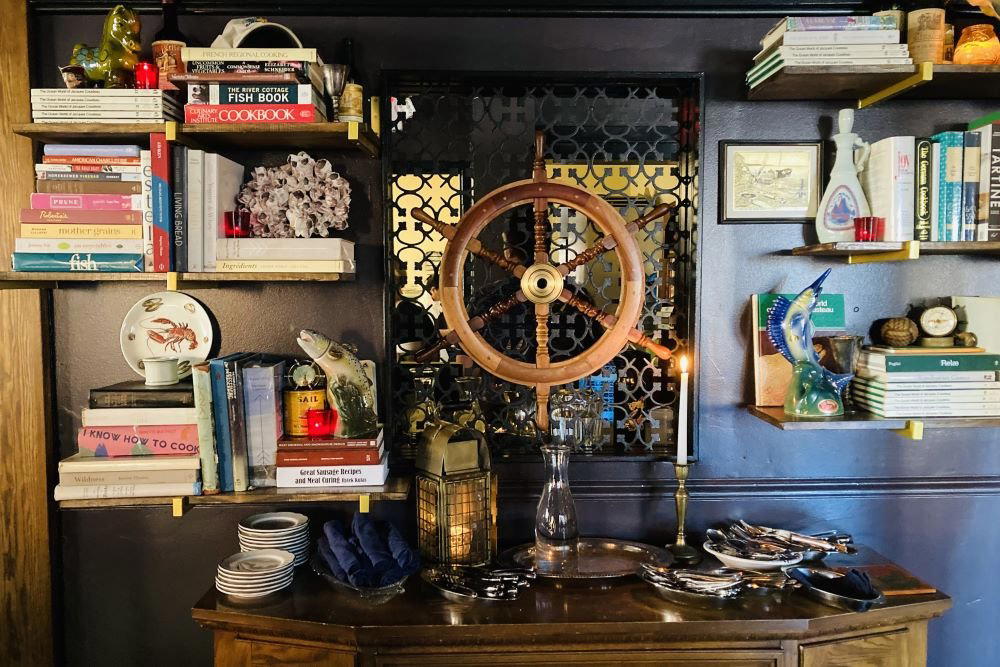
In a city where the design vocabulary of new restaurant openings tends toward exposed brick, reclaimed timber, and the visual grammar of renovation, a long-running neighbourhood Italian room makes a different kind of argument through its interior. The counters, the arrangement of tables, the distance between them, the way the room absorbs noise or doesn't: these are the accumulated decisions of a place that has settled into itself over time rather than been staged for an opening night. Squirrel Hill's established Italian addresses share this quality. Alla Famiglia, one of Pittsburgh's most referenced Italian-American rooms, demonstrates how a dining space can read as lived-in authority rather than designed atmosphere.
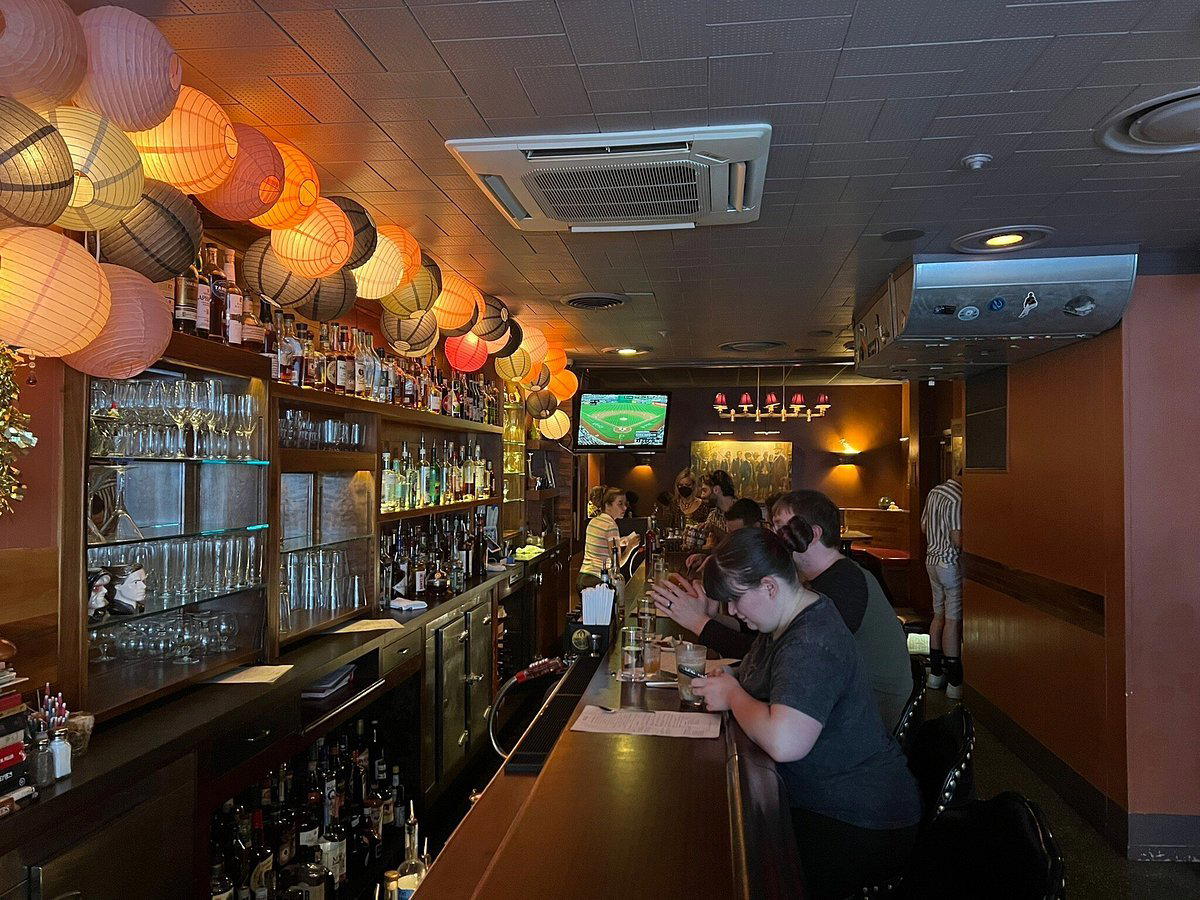
The seating arrangement in a room like this matters as much as the menu in determining what kind of evening you're going to have. Neighbourhood Italian rooms in American cities typically organise themselves around a few recurring formats: the long bar that doubles as a dining counter, the cluster of four-tops that can be pushed together for larger groups, the booth section along one wall that offers slightly more privacy without separating you from the room's energy. Each format produces a different kind of social contract between the diner and the space. The bar counter pulls you into the operational life of the room; the booth insulates you from it. Both are valid, and the choice of where to sit in a room like this is rarely incidental.
For comparison across the country, cocktail-led venues like Jewel of the South in New Orleans, Julep in Houston, and Superbueno in New York City have each developed strong spatial identities that define the guest experience as much as what's in the glass. In an Italian neighbourhood restaurant, that spatial identity is usually more accidental than designed, but no less real.
Squirrel Hill's Italian-American Dining Corridor in Context
Pittsburgh's Italian-American dining tradition is geographically dispersed, with concentrations in Bloomfield, the South Side, and Squirrel Hill. Each sub-neighbourhood has developed a slightly different version of the tradition. Bloomfield leans toward red-sauce directness; the South Side has absorbed more of the city's bar-and-grill culture into its Italian spots. Squirrel Hill's version tends to hold closer to the family-restaurant format, with menus that reflect the neighbourhood's long-established residential character rather than its proximity to nightlife.
That distinction matters when you're orienting yourself around Pittsburgh's east-end options. Aiello's Pizza represents the neighbourhood's more casual, counter-service end of that tradition. Pino's on Reynolds Street sits in a slightly different register, more sit-down than counter, more full-meal than a slice. Together they map the range of what Squirrel Hill's Italian-American scene actually looks like on the ground, which is more varied than a single category label suggests.
Where Pino's Sits in a Broader American Bar and Dining Context
American neighbourhood Italian restaurants occupy a specific cultural position that is easy to underestimate. They are neither the fine-dining Italian rooms that compete on tasting-menu credentials nor the fast-casual pizza chains that compete on price and speed. They exist in a middle register that requires a particular kind of neighbourhood loyalty to sustain, and the ones that have lasted have usually earned that loyalty through consistency rather than reinvention. Allegheny Elks Lodge #339 represents a parallel kind of institution: the private social club that anchors neighbourhood identity through longevity rather than ambition. Both models depend on the same thing, which is regulars who come back.
Across American cities, venues that have built that kind of loyalty tend to share certain operational characteristics. They are rarely the first recommendation from food media, which gravitates toward opening-season novelty. They are almost always the recommendation from someone who has lived in the neighbourhood for more than five years. ABV in San Francisco and The Parlour in Frankfurt both demonstrate, in different categories, how sustained local engagement produces a different kind of venue authority than critical recognition alone.
Planning Your Visit
Pino's is at 6738 Reynolds Street in Pittsburgh's Squirrel Hill neighbourhood, a residential address that sits away from the busier Murray Avenue strip. Street parking in Squirrel Hill is generally available on Reynolds Street itself and the surrounding blocks, though weekend evenings draw more foot traffic to the area. The neighbourhood is served by several Port Authority bus routes connecting it to Downtown Pittsburgh and neighbouring east-end areas, making it accessible without a car.
Cuisine and Credentials
Comparable venues nearby, for context on price, style, and recognition.
| Venue | Cuisine | Price | Notes |
|---|---|---|---|
| Pino'sThis venue — the venue you are viewing | wine_bar | $$$ | Not listed |
| Bar Marco | cocktail_bar | $$$ | Strip District |
| Over Eden | rooftop_bar | $$$ | Lower Lawrenceville |
| Yoshino Asian Fusion | Bar | $$ | Shadyside |
| De Fer Coffee & Tea | cocktail_bar | $$ | Strip District |
| Brillobox | pub | $$ | Lower Lawrenceville |
Continue exploring
More in Pittsburgh
Bars in Pittsburgh
Browse all →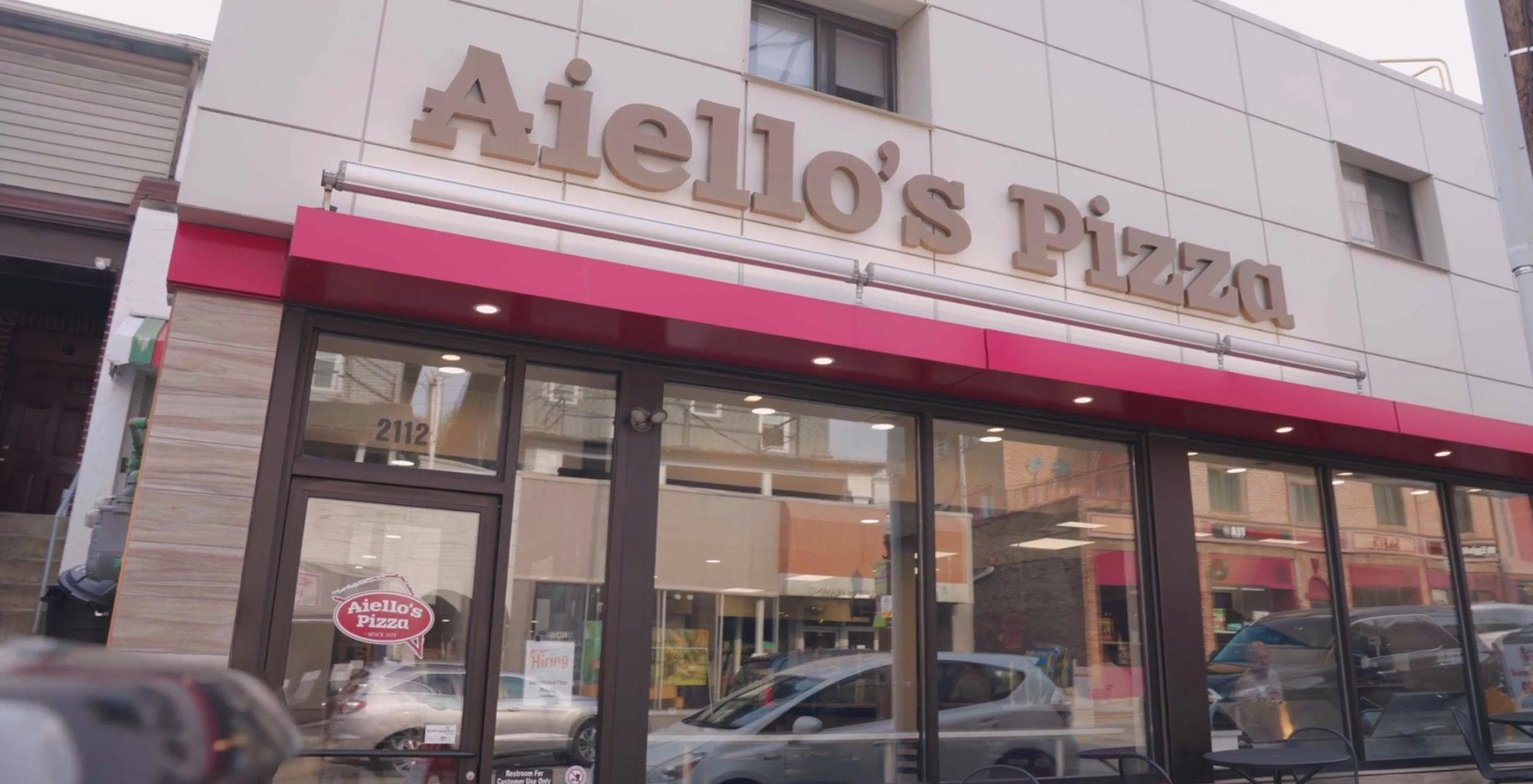
Restaurants in Pittsburgh
Browse all →
At a Glance
- Cozy
- Intimate
- Elegant
- Date Night
- Casual Hangout
- Standalone
- Lounge Seating
- Outdoor Terrace
- Classic Cocktails
- Conventional Wine
Current opening hours
- Monday
- Closed
- Tuesday
- 4–9 PM
- Wednesday
- 4–9 PM
- Thursday
- 4–9 PM
- Friday
- 4–10 PM
- Saturday
- 4–10 PM
- Sunday
- Closed
Hours can change for holidays and private events. Last verified .
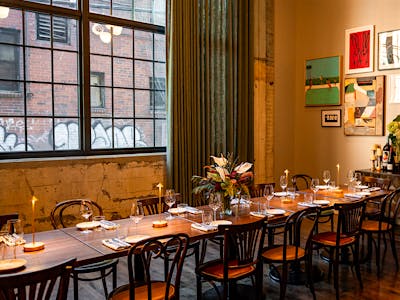
Warm decor featuring Italian mosaic tabletops, rich woods, and colors, with a distinctive and calm atmosphere free of TVs or loud music.