Peasant
One of NoLIta's most enduring addresses, Peasant at 194 Elizabeth Street has anchored the neighbourhood's dining scene since the late 1990s with a wood-fired kitchen and a drink program that rewards unhurried attention. The Italian-leaning menu and the considered wine and cocktail list place it in a small tier of New York restaurants where the bar is treated as seriously as the pass.
Pearl is the En Primeur Club membership app — saves, bookings, and concierge access live there. Same editors, same standards.
- Address
- 194 Elizabeth St, New York, NY 10012
- Phone
- +1 212 965 9511
- Website
- peasantnyc.com
- Directions
- Get directions
 Saves & bookings on Pearl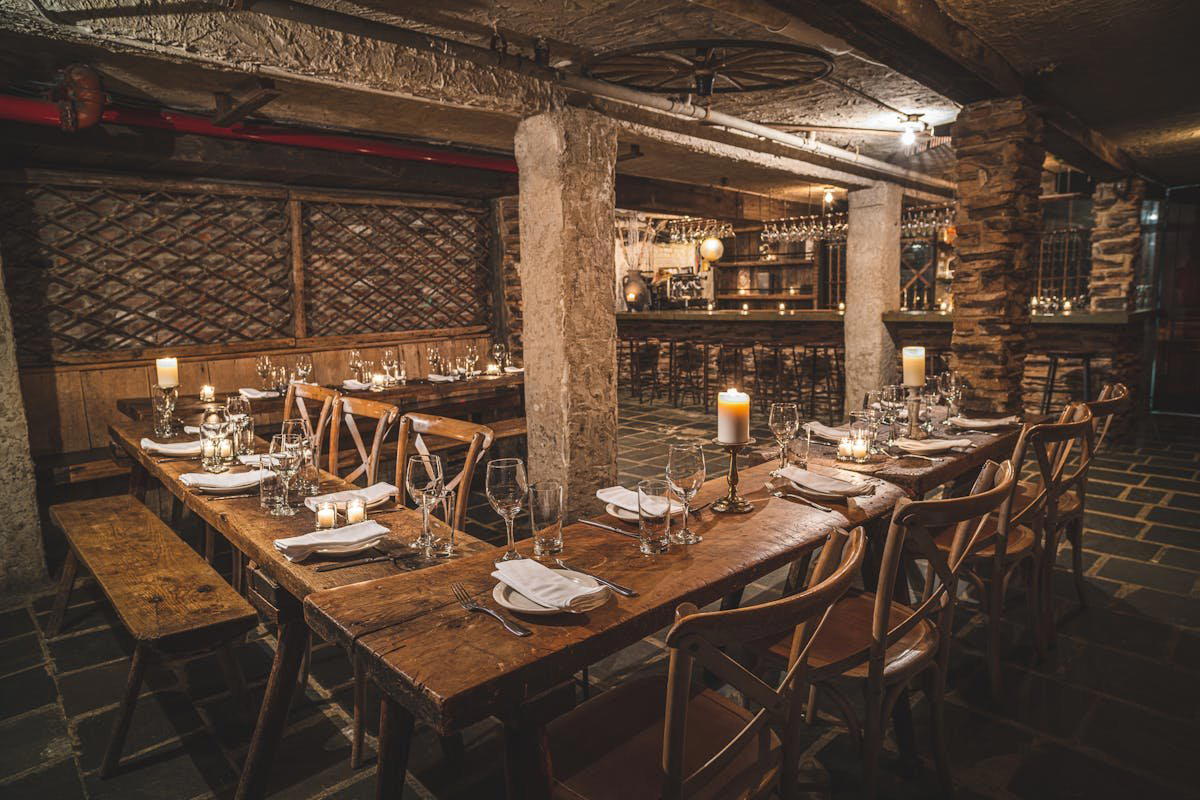
NoLIta's Long Game: How Peasant Fits the Neighbourhood's Drinking Tradition
New York's bar culture has cycled through several identities over the past twenty-five years, the speakeasy revival of the mid-2000s, the hyper-technical clarification era, the low-ABV turn of the 2010s, and a handful of addresses have survived every wave by refusing to chase any of them. Peasant, at 194 Elizabeth Street in NoLIta, is a bar in New York City with. It belongs to that small cohort: restaurants where the drinks program was never bolted on as an afterthought, and where longevity has done the credentialing that awards alone cannot.
NoLIta occupies a compressed strip between Little Italy's tourist corridor and SoHo's retail scale, and it has consistently produced a particular kind of dining room, intimate, brick-heavy, Italian-leaning in sentiment if not always in menu, that rewards neighbourhood loyalty over destination traffic. Peasant sits at the centre of that identity. Elizabeth Street is a short walk from the density of cocktail programming at Amor y Amargo on East 6th and within reach of the lower Manhattan bar circuit that includes Attaboy NYC on Eldridge Street. The geography places Peasant in a competitive zone where drink literacy is assumed and shortcuts are noticed.
The Wood Fire Logic and What It Demands of the Drink List
Open-fire kitchens impose a specific demand on whatever is poured alongside them. The char and fat-forward character of wood-roasted food narrows the useful range of cocktail styles: overly sweet builds get flattened, delicate floral profiles get erased, and acidic or bitter constructions tend to survive and even improve. Italian restaurant bars have historically understood this, amaro pours, Negroni variants, and high-acid wine-adjacent cocktails dominate menus at wood-fire addresses across New York, from NoLIta down to the West Village. Peasant works within that logic, and it is more instructive to read its drink list as a direct response to the kitchen's output than as a standalone cocktail program.
This food-forward framing distinguishes Peasant from the dedicated cocktail bars in its competitive set. Bars like Superbueno or the long-running Angel's Share operate as destination drink programs where the food, if present, is secondary. At Peasant, the relationship is inverted, and that inversion has a different set of implications for what to order and when to order it.
Placing Peasant in the Wider Bar Conversation
New York has a documented tier of restaurant bars, as distinct from standalone cocktail bars, where the drink program carries real authority without needing to anchor the entire visit. Dirty French in the Ludlow Hotel, The Long Island Bar in Cobble Hill, and Peasant occupy different points on that spectrum. What they share is a refusal to treat the bar as a waiting room for the dining room, and a wine or spirits list assembled with enough specificity to hold its own as a topic of conversation.
That tier is worth comparing against what is happening in equivalent cities. Kumiko in Chicago represents a version of the same premise taken further, a restaurant bar where the Japanese whisky and cocktail structure is as studied as the food menu, and where the two programs are explicitly in dialogue. Jewel of the South in New Orleans does something adjacent in a different culinary tradition. The comparison is useful because it clarifies what Peasant is not trying to be: a concept-driven cocktail program in a fine dining wrapper. It is a neighbourhood restaurant bar that has outlasted several generations of trend-driven competitors by staying within its own register.
Beyond New York, the model has parallels at addresses like ABV in San Francisco, where serious wine and spirits selection coexists with a food-forward identity, or Bar Leather Apron in Honolulu, which anchors its cocktail program to a specific culinary philosophy without claiming the cocktails are the point. Allegory in Washington, D.C. and Julep in Houston approach the question differently, both have strong independent identities as drink destinations, but the contrast helps define the category Peasant occupies. The Parlour in Frankfurt on the Main represents a European take on the same hospitality register: low theatre, high craft, long tenure.
What the Room Communicates
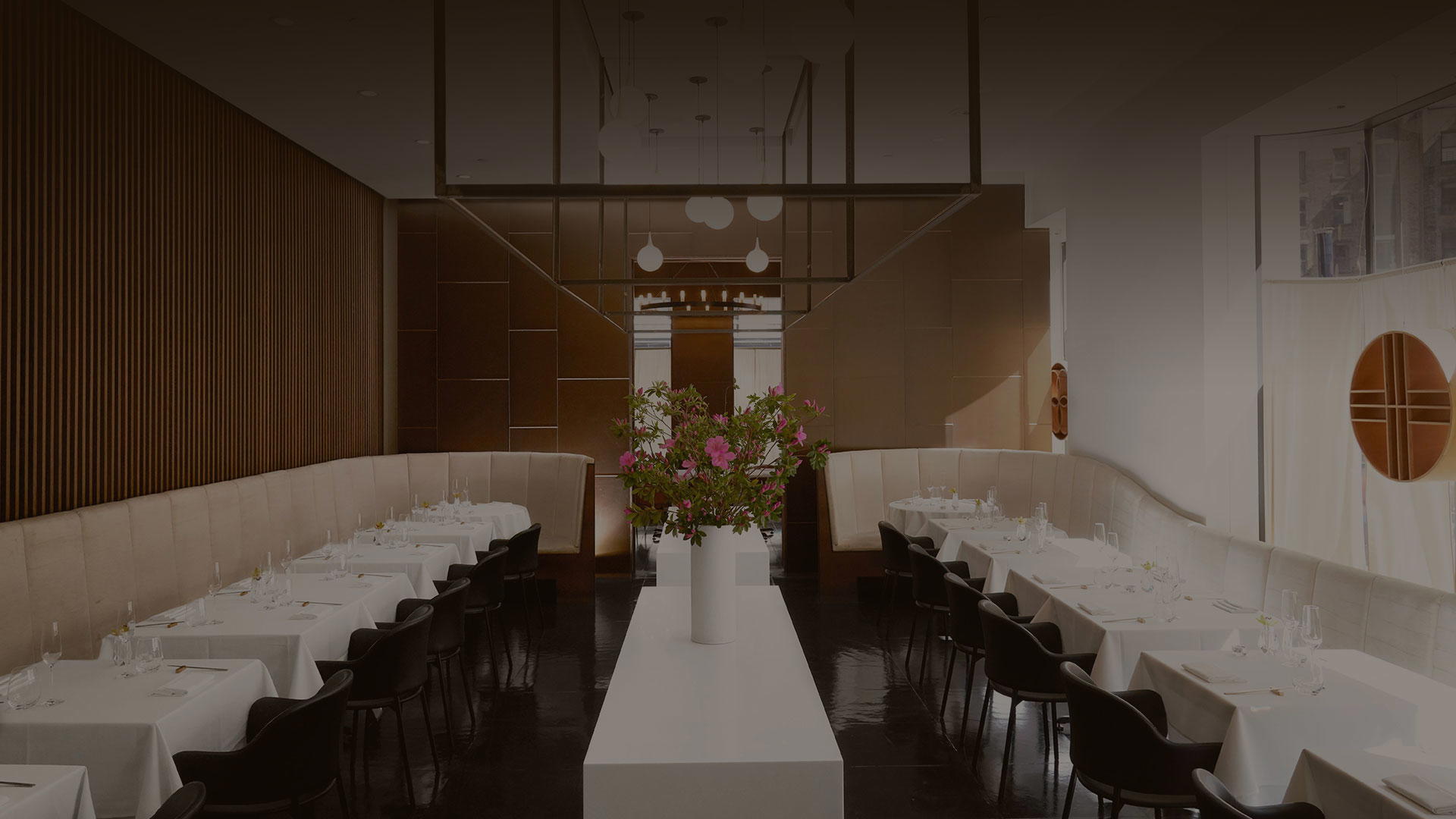
Peasant's dining room runs on the basement-to-ground logic that characterises NoLIta's older stock: exposed brick, low ceilings in the lower level, a fireplace that does actual thermal work in winter. The design language is not decorative rusticity, it reflects the building's age and the neighbourhood's pre-gentrification material character. That physical context shapes how the bar experience reads. Ordering a considered Negroni or an Italian bitter at a table in that room carries a different register than ordering the same thing at a purpose-built cocktail counter. The informality is structural, not performed.
That quality is increasingly hard to find in a city where new openings tend toward either clinical precision or self-conscious nostalgia. Peasant's atmosphere accrued over time rather than being designed toward a brief, and that difference is legible in the room.
Ordering Strategy
The drink program at Peasant rewards Italian-leaning choices: amaro-forward builds, bitter aperitivo structures, and wine selections that lean toward the Italian peninsula's acidic, food-compatible styles. The pairing logic that the wood-fire kitchen imposes makes Italian bitters and aged spirits particularly coherent choices, they have the structural weight to hold against char-inflected food without overpowering the meal's rhythm.
The wine list historically skewed Italian and deep rather than broad, which positions it differently from the by-the-glass volumes common at gastropub-style competitors. A considered Italian red, ordered by the bottle, is the move that aligns leading with both the room and the kitchen's output.
For a wider orientation on where Peasant sits in the city's full dining and drinking picture, see our full New York City restaurants guide.
Know Before You Go
- Address: 194 Elizabeth Street, New York, NY 10012
- Neighbourhood: NoLIta, Manhattan
- Closest cross street: Spring Street
- Format: Full-service restaurant with bar seating; walk-ins accepted at the bar subject to availability
- Kitchen style: Wood-fired, Italian-leaning
- Leading approach: Reserve for dinner; bar seats are more accessible on weeknights
Where the Accolades Land
Comparable venues nearby, for context on price, style, and recognition.
| Venue | Cuisine | Price | Notes |
|---|---|---|---|
| PeasantThis venue — the venue you are viewing | wine_bar | $$ | Not listed |
| Congee Village | lounge | $$ | Lower East Side |
| Clandestino | cocktail_bar | $$ | Chinatown-Two Bridges |
| Sake Bar Asoko | sake_bar | $$ | Chinatown-Two Bridges |
| Two Hands | cocktail_bar | $$ | Tribeca-Civic Center |
| L'Appartement 4F | wine_bar | $$ | Brooklyn Heights |
Continue exploring
More in New York City
Bars in New York City
Browse all →

Restaurants in New York City
Browse all →
Hotels in New York City
Browse all →



Wineries in New York City
Browse all →


At a Glance
- Rustic
- Cozy
- Intimate
- Romantic
- Date Night
- Casual Hangout
- Historic Building
- Seated Bar
- Booth Seating
- Conventional Wine
- Natural Wine
Current opening hours
- Monday
- 5–9:30 PM
- Tuesday
- 5–9:30 PM
- Wednesday
- 5–9:30 PM
- Thursday
- 5–9:30 PM
- Friday
- 5–10:30 PM
- Saturday
- 5–10:30 PM
- Sunday
- 5–9:30 PM
Hours can change for holidays and private events. Last verified .
Candlelit rustic setting with brick walls, stonework, antique tables, wooden benches, and cozy enoteca atmosphere.