Pascal's Manale by Dickie Brennan & Co.
A Uptown New Orleans institution operating from its Napoleon Avenue address since 1913, Pascal's Manale carries the Dickie Brennan & Co. flag in a neighborhood far from the French Quarter's tourist circuit. The kitchen's reputation rests on a barbecue shrimp preparation that has shaped local dining culture, served alongside a bar program that earns its place in the broader conversation about serious New Orleans drinking.
 Discover on Pearl
Pearl is the En Primeur Club membership app — saves, bookings, and concierge access live there. Same editors, same standards.
- Address
- 1838 Napoleon Ave, New Orleans, LA 70115
- Phone
- +1 504 895 4877
- Website
- pascalsmanalerestaurant.com
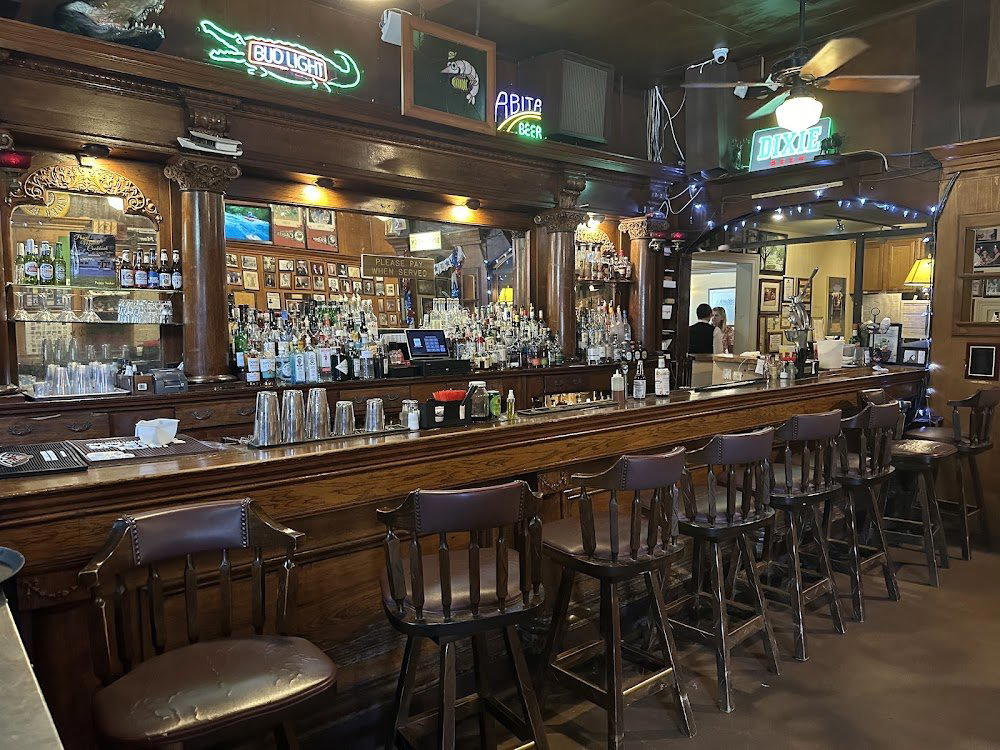
Napoleon Avenue and the Weight of 110 Years
Uptown New Orleans runs on a different clock than the French Quarter. The dining rooms along Magazine Street and the avenues that feed off St. Charles operate with less foot traffic, more regulars, and the kind of institutional memory that accumulates over generations rather than Yelp cycles. Pascal's Manale, sitting at 1838 Napoleon Avenue since 1913, occupies a particular position in that geography: old enough to have invented a dish that entered the city's canonical repertoire, and now stewarded under the Dickie Brennan & Co. group, which brings operational discipline to what could otherwise calcify into a nostalgia act.
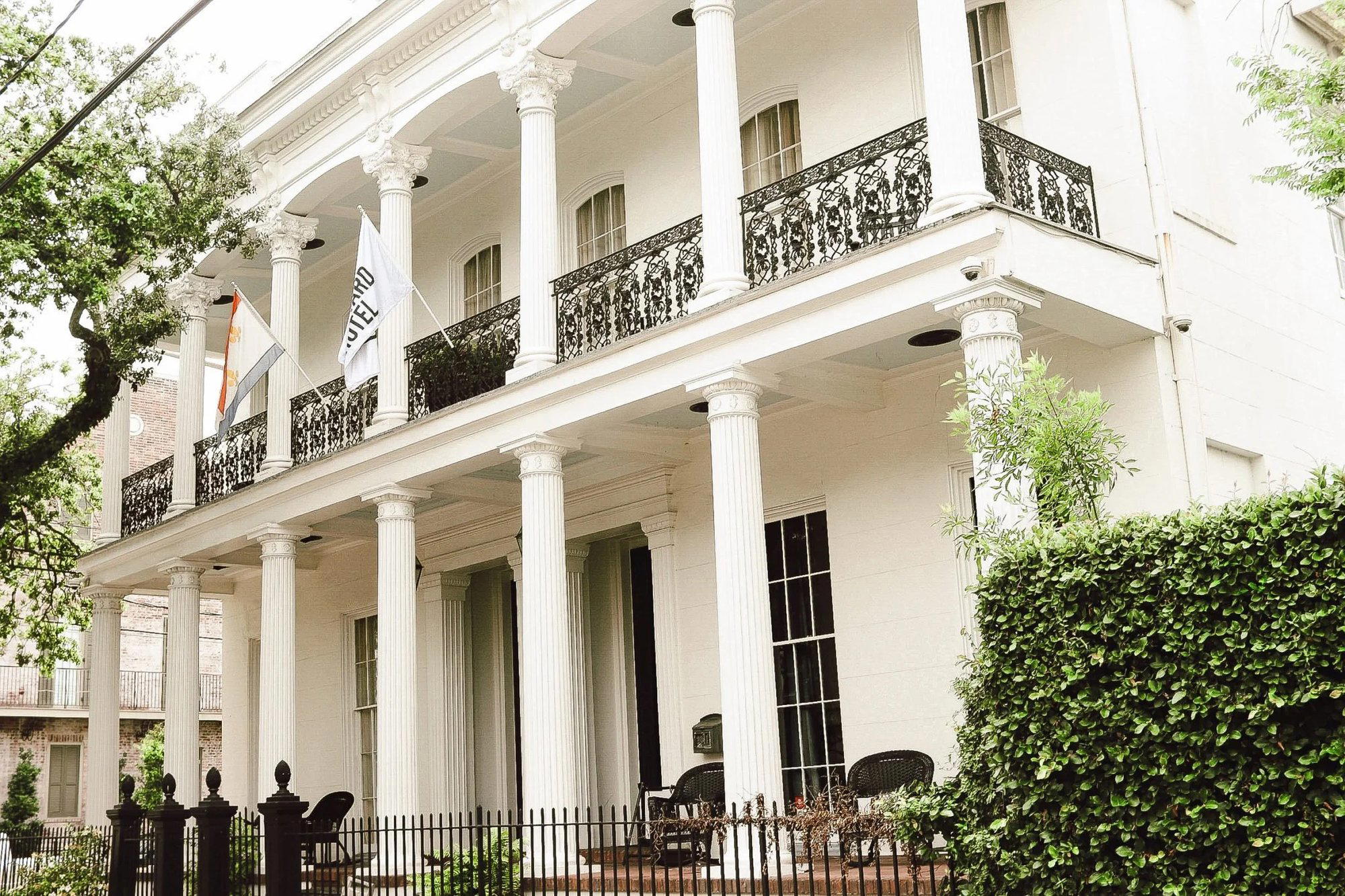
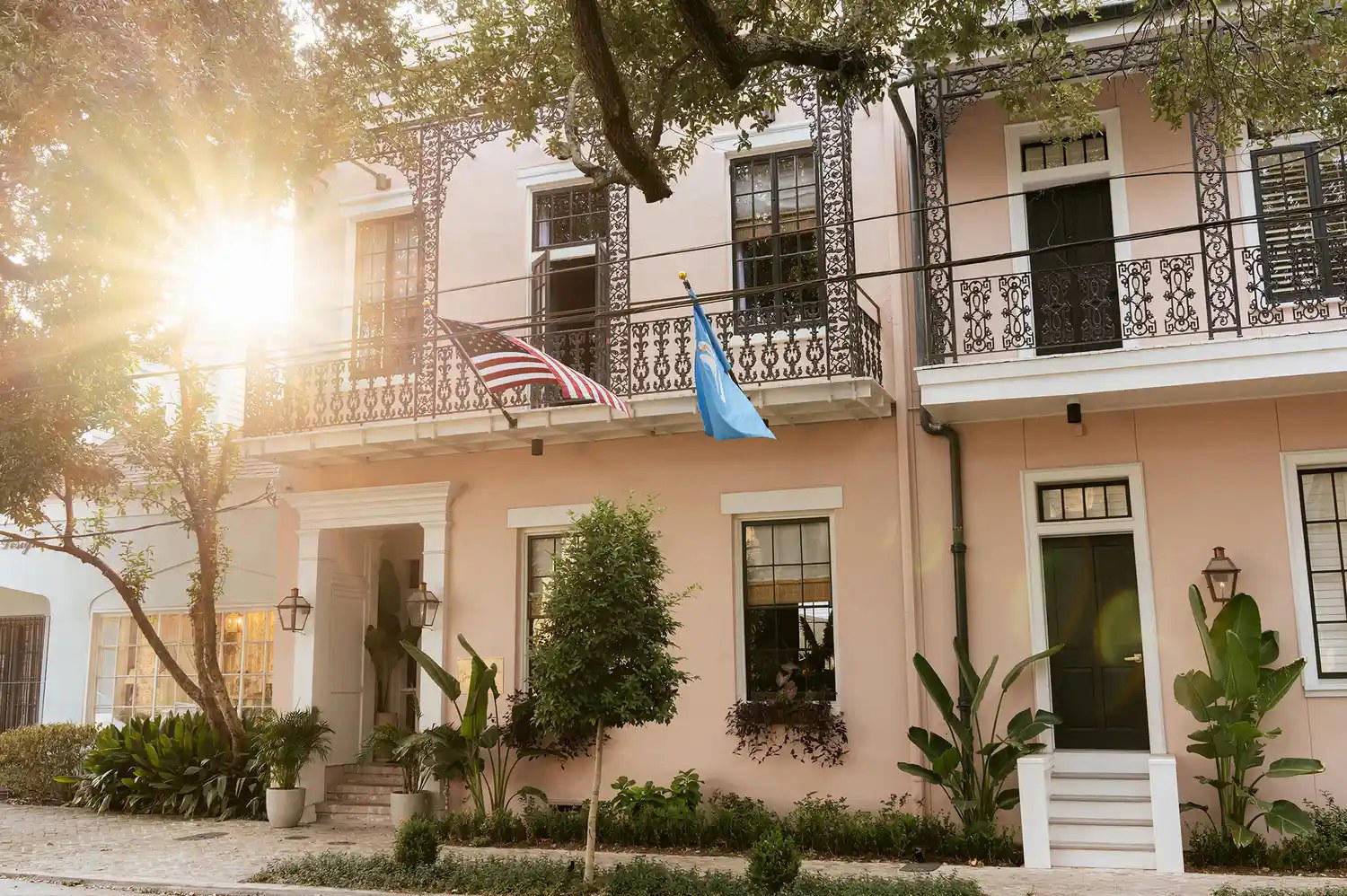
The physical approach signals the experience before you reach the door. Uptown residential blocks in this stretch carry a specific architectural register, and Pascal's reads as a neighborhood anchor rather than a destination restaurant in the modern sense. That distinction matters when thinking about what the room delivers and what it does not. This is not the format of Jewel of the South, where craft precision and cocktail innovation occupy the foreground. Pascal's works on older logic: a dish with a 110-year lineage, a bar that has been pouring for the same kind of crowd across multiple decades, and a kitchen that answers to continuity rather than trend cycles.
Barbecue Shrimp as a Culinary Reference Point
New Orleans barbecue shrimp has almost nothing in common with what most American cities mean by barbecue. The preparation involves no grill, no smoke, and no barbecue sauce in the conventional sense. What the city's version delivers is whole Gulf shrimp cooked in a reduction of butter, black pepper, Worcestershire, and spices, arriving shell-on in a pool of that sauce with French bread positioned as the functional instrument for managing the liquid. Pascal's Manale is the address most often cited as the origination point for this format, which places it in the same category as Antoine's and its oysters Rockefeller or Galatoire's and its trout meunière: a restaurant that produced something the city absorbed as its own.
That provenance matters for the editorial angle here. When the kitchen at Pascal's serves barbecue shrimp, it is not executing a contemporary interpretation or a chef's personal riff. It is producing the source material from which later versions in the city derive. The comparison set is not other restaurants doing modern Gulf seafood. The comparison is the dish's own history, and the question a diner is implicitly asking is whether the original still functions as the standard. That is a different kind of pressure than novelty restaurants face, and it produces a different kind of dining contract.
The Bar Program in Context
New Orleans bar culture in 2024 operates across a wider spectrum than at any prior point in the city's history. Venues like Cure moved the needle on technical cocktail work when they arrived in the Freret Street corridor, and the tiki-influenced precision at Beachbum Berry's Latitude 29 operates in a category that requires genuine program depth to sustain. Pascal's bar sits in a different tier, one that predates the craft cocktail moment and draws authority from longevity rather than technical innovation.
What makes a bar program at a restaurant like Pascal's relevant to the editorial angle of food-and-drink pairing is precisely its relationship to the kitchen. Barbecue shrimp, as a preparation, carries high salt, fat, and pepper intensity. The drinks that function alongside it are not the complex, subtly bitter, or herbal constructions that define the current craft tier. The pairing logic here runs toward cold, direct beer, well-executed classic cocktails, and the kind of whiskey-forward or citrus-bright drinks that cut through rather than add complexity. That is a different bar brief than what you encounter at Kumiko in Chicago or ABV in San Francisco, where the drinks program operates as the primary editorial subject and food is secondary or absent.
Across American bar programs that take food pairing seriously, the discipline tends to follow one of two models. The first, represented by venues like Julep in Houston or Allegory in Washington, D.C., builds the drinks list around culinary thinking from the start. The second model, which Pascal's embodies, arrives at the pairing relationship from the opposite direction: the food has been there for over a century, and the bar exists in service of it. Both approaches can produce coherent pairing, but they produce very different room dynamics and different expectations for what the bar team is being asked to do.
Where Pascal's Sits in the New Orleans Dining Conversation
Dickie Brennan & Co. operates a portfolio of New Orleans addresses that includes Palace Café, Dickie Brennan's Steakhouse, and Bourbon House, all of which sit in the French Quarter or immediately adjacent to the tourist circuit. Pascal's Manale is the outlier in that group: Uptown, residential, and structurally oriented toward the city's professional and neighborhood dining audience rather than the visitor trade. That positioning gives it a different kind of credibility with locals who are skeptical of French Quarter-adjacent operations, even while it benefits from the group's management infrastructure.
In a city with a dining culture as layered as New Orleans, restaurant longevity carries specific weight. The addresses that have operated continuously since before World War II occupy a class that newer openings, however skilled, cannot claim. Venues in that cohort, including Galatoire's, Dooky Chase's, and Commander's Palace, are evaluated by locals against their own historical standards rather than against contemporary peers. Pascal's holds a comparable institutional position in Uptown. That does not make it the right choice for every occasion, but it defines precisely what occasion it is right for: the meal where provenance and continuity are the point, not a drawback.
Know Before You Go
Cuisine-First Comparison
| Venue | Awards |
|---|---|
| Pascal's Manale by Dickie Brennan & Co.This venue — the venue you are viewing | |
| Jewel of the South | World's 50 Best |
| Beachbum Berry's Latitude 29 | World's 50 Best |
| Cure | World's 50 Best |
| Cane & Table | |
| The Carousel Bar |
Continue exploring
More in New Orleans
Bars in New Orleans
Browse all →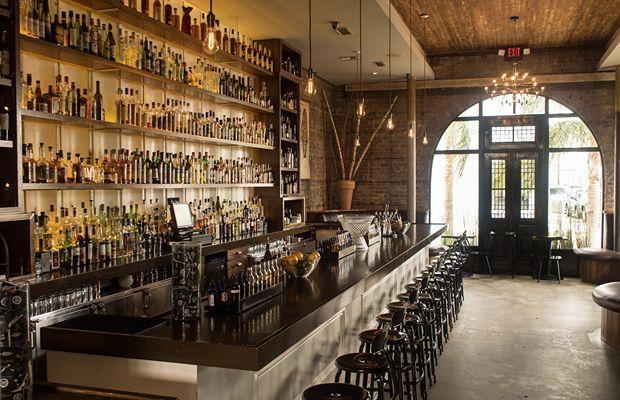
Restaurants in New Orleans
Browse all →
At a Glance
- Classic
- Iconic
- Group Outing
- Special Occasion
- Historic Building
- Seated Bar
- Standing Room
- Classic Cocktails
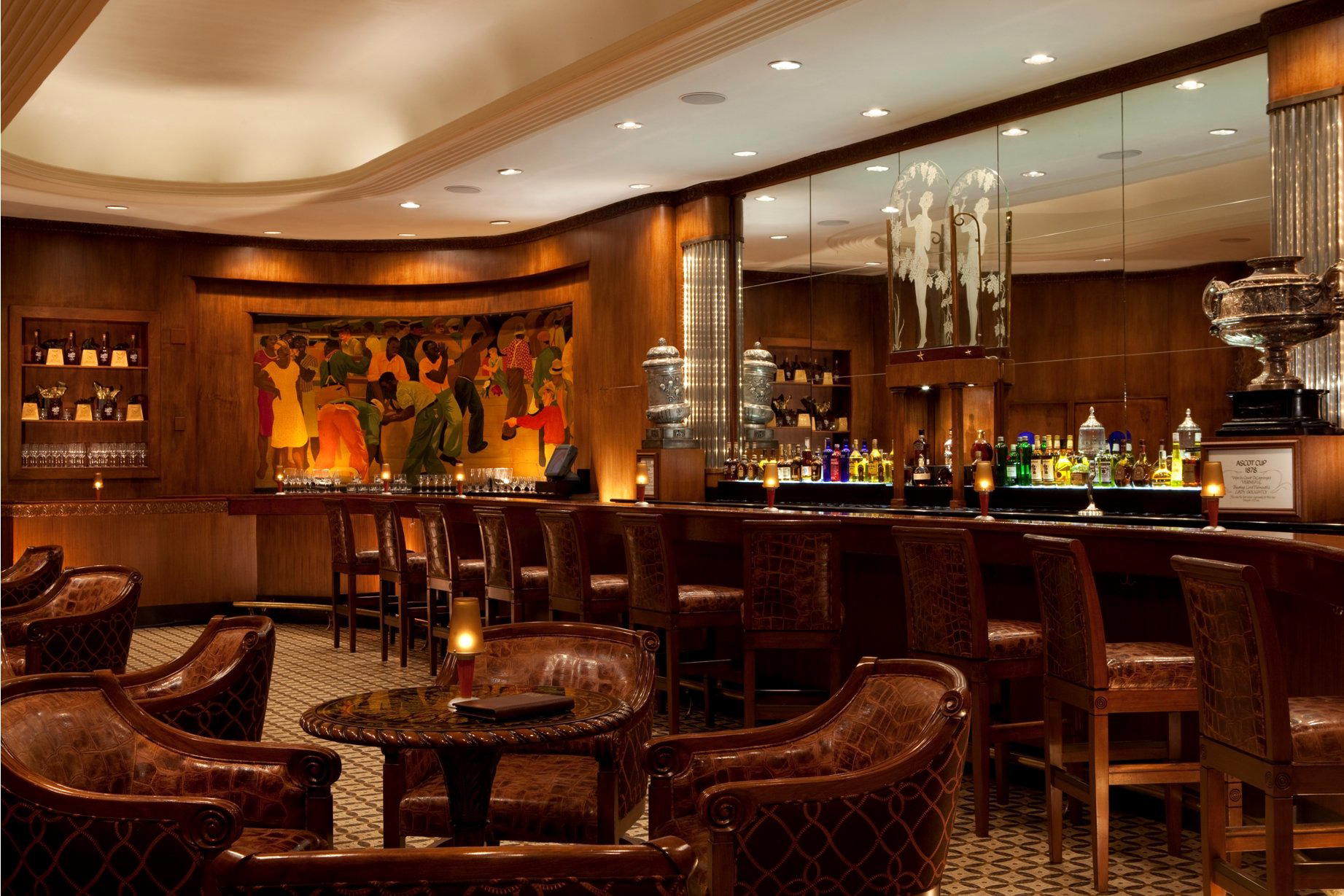
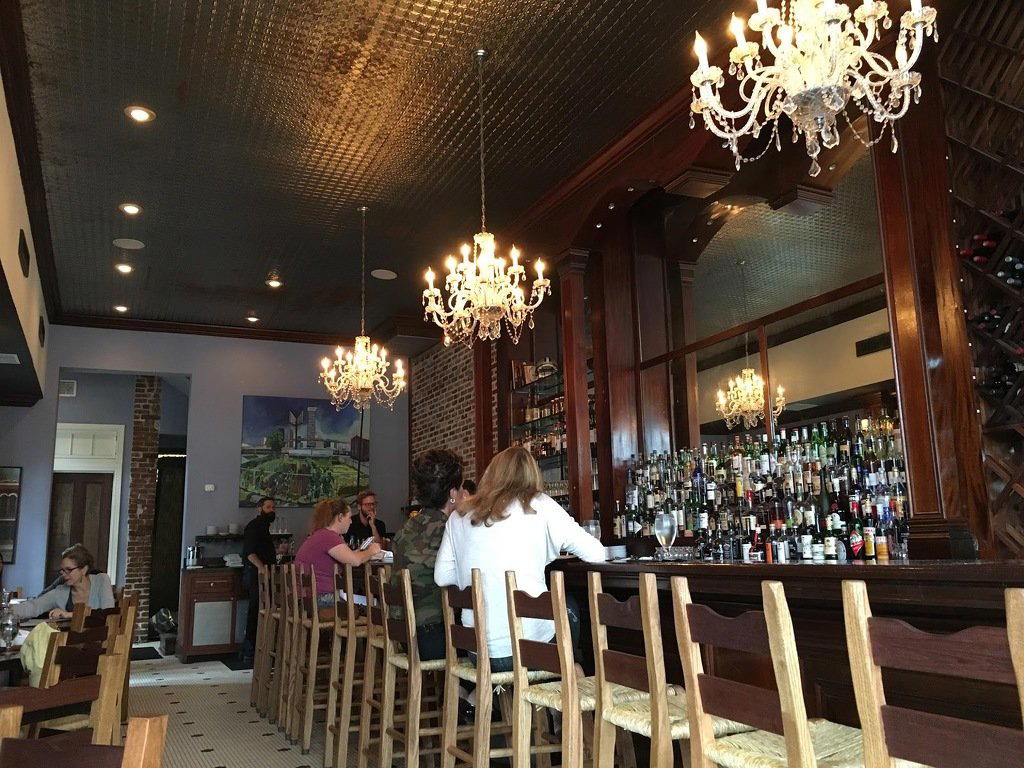
Old style New Orleans atmosphere with classic charm.