Osteria LuCa
Osteria LuCa occupies a suite address on Governors Drive in Huntsville, Alabama, placing Italian-inflected dining inside a city whose restaurant scene has grown considerably alongside its aerospace and tech economy. The venue sits in a part of the American South where European-style trattoria formats remain relatively rare, giving it a distinct position in the local dining conversation.

Pearl is the En Primeur Club membership app — saves, bookings, and concierge access live there. Same editors, same standards.
- Address
- 3414 Governors Dr SW suite 705, Huntsville, AL 35805
- Phone
- (256) 612-5822
- Hours
- Mon–Thu 10:30 AM–9 PMFri–Sat 10:30 AM–10 PMSun 10:30 AM–8 PM
- Website
- osterialuca.com
- Directions
- Get directions
- Booking
- Book on Resy
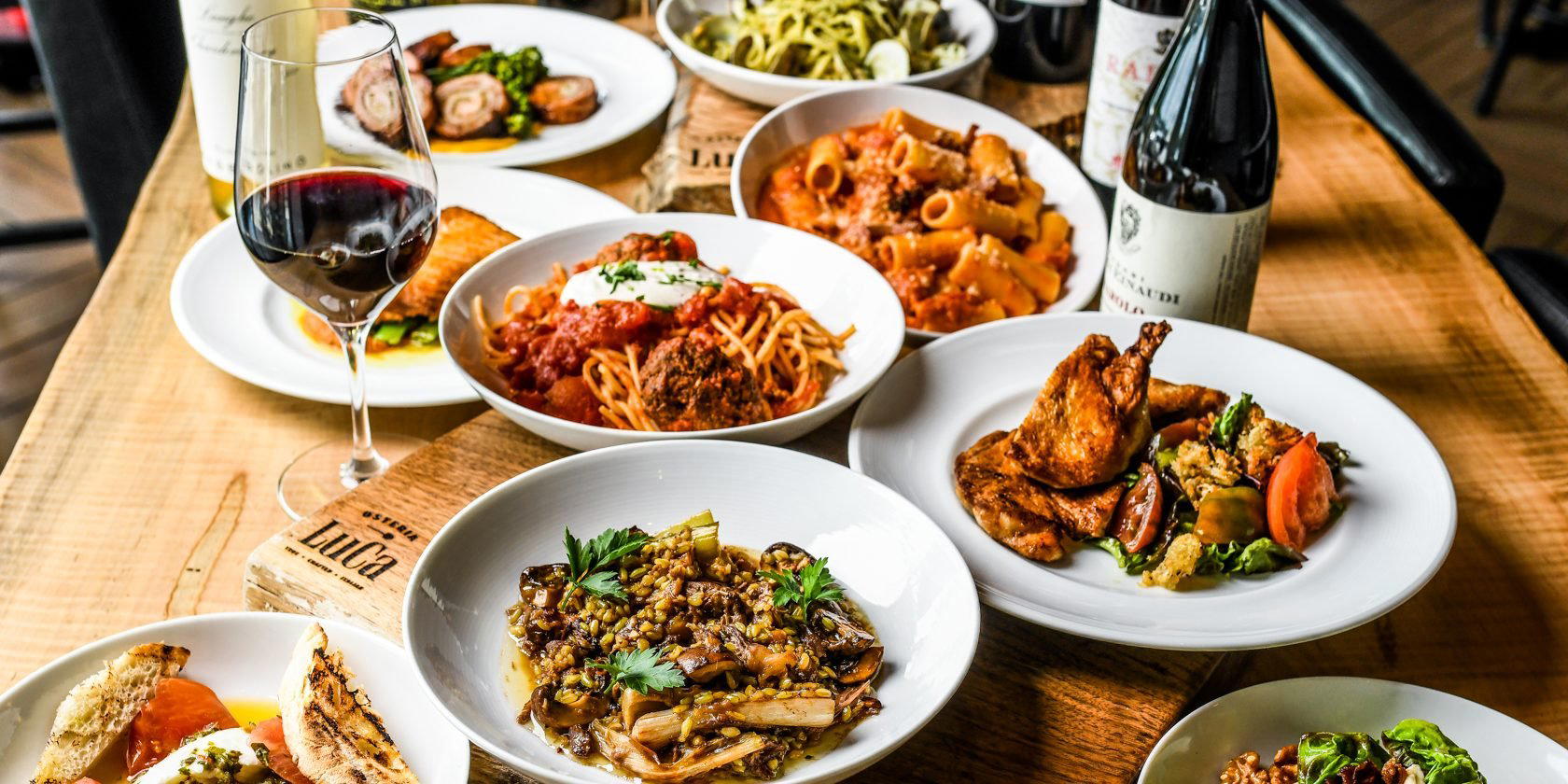
Italian Format in a Southern City Finding Its Appetite
Huntsville, Alabama has spent the better part of a decade building a restaurant scene that reflects the ambitions of its expanding professional population. The city's aerospace and defense economy has drawn a demographic that travels frequently and expects more from a Tuesday dinner than the region's older casual dining defaults. Into that gap, European-format restaurants have begun to appear, and the Italian trattoria model, with its emphasis on wine, pasta, and extended table time, has proven a reasonably good fit for a city with growing disposable income and a taste for something more deliberate than fast-casual. Osteria LuCa, addressed at 3414 Governors Drive SW in the southwest corridor of Huntsville, represents that kind of positioning: an Italian-inflected room operating in a market where the format still carries novelty value. For broader context on how this fits into the city's evolving food and drink conversation, see our full Madison County restaurants guide.
The Room and What It Signals
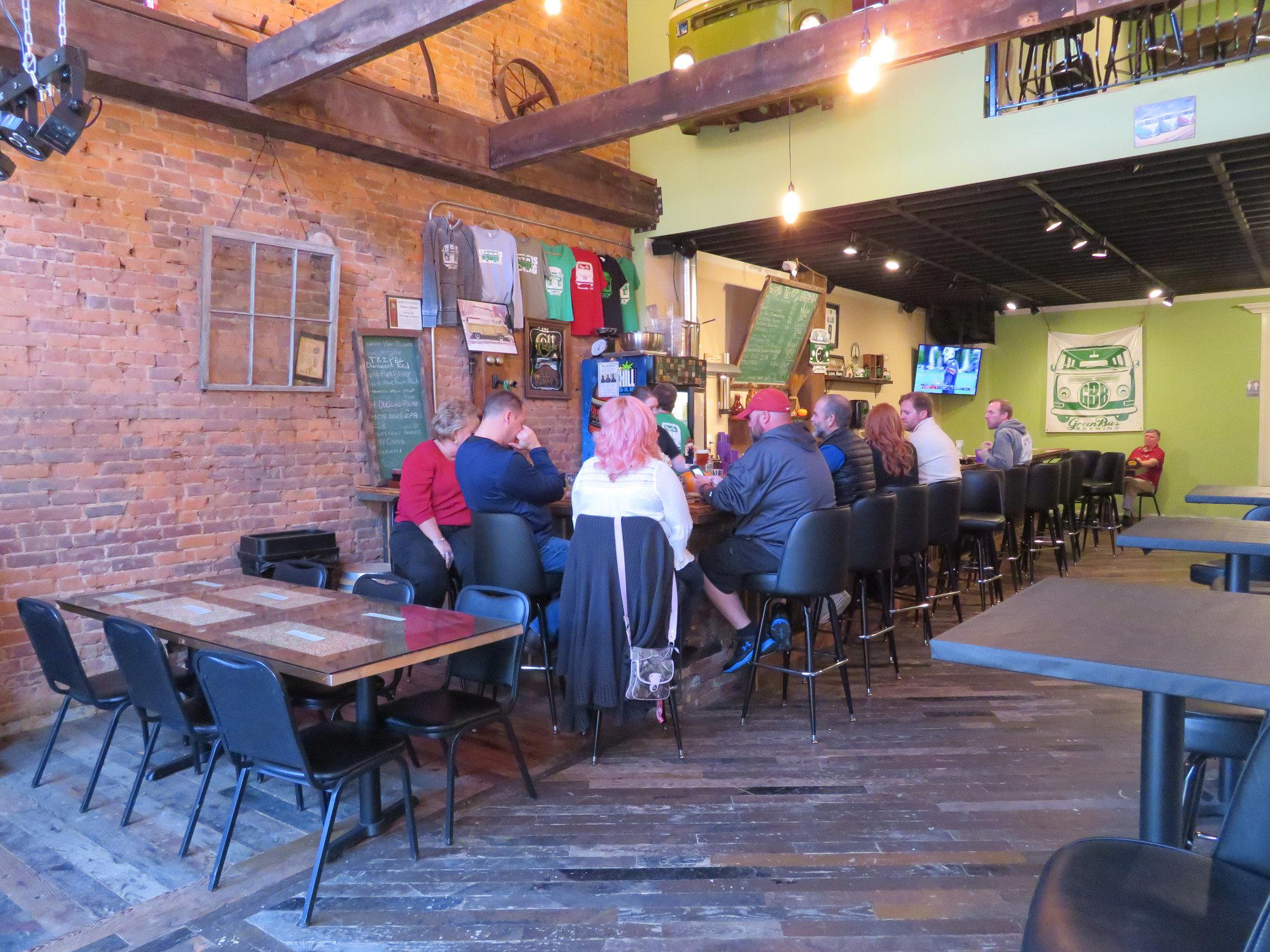
The Governors Drive address places Osteria LuCa in a commercial suite environment, which is a more common framing for serious independent restaurants in mid-sized American cities than coastal critics tend to acknowledge. Strip-adjacent or office-park locations in cities like Huntsville often house the most technically committed kitchens precisely because rent economics allow owners to spend on product and staff rather than on premium retail square footage. The suite format is not a liability here; it functions as a quiet signal that the operation is built around the food and drink program rather than around a high-visibility corner lease. Approaching from Governors Drive, the context is suburban-commercial, but inside, Italian osteria conventions typically assert themselves through warm lighting, close tables, and the accumulated noise of a room doing good business.
The Cocktail Programme in a Wine-First Format
The osteria tradition is, by definition, wine-forward. The word itself derives from a format built around wine service, and serious Italian restaurant rooms in the United States have generally followed that logic, building lists anchored in Italian regional bottles with selective additions from France and California. But the American market has also demanded a cocktail programme that can stand alongside the wine list, and the restaurants that handle this well tend to treat the bar as a complementary chapter rather than an afterthought. The Italian-American canon offers useful material here: Aperol and Campari-based aperitivi, Negroni variations, Americanos, and spritz formats all carry genuine Italian heritage and translate well to a pre-dinner or aperitivo-hour context. At well-executed osteria programmes across the country, the house Negroni functions as an informal quality benchmark, in much the same way that a gin-forward programme at Bar Leather Apron in Honolulu or the historically grounded approach at Jewel of the South in New Orleans signals a kitchen's commitment to its own identity. A well-calibrated bitter-sweet ratio in a house Negroni tells you something about whether the bar programme has been thought through or assembled from defaults.
Broader American cocktail movement has pushed even Italian-format rooms to consider technique more carefully. Programmes like Kumiko in Chicago or ABV in San Francisco have demonstrated that serious cocktail work and serious food work can coexist in the same room without either compromising the other. In Southern cities specifically, there's an interesting conversation happening about how cocktail culture intersects with regional identity, a tension that Julep in Houston has navigated by centering the American whiskey tradition rather than deferring to either coastal trends or European aperitivo culture. An osteria in Huntsville doesn't face that particular identity question, but it does face the practical one: does the bar give a diner good reason to arrive early, or does it exist only to hold a table until the food comes? The answer to that question tends to separate restaurants that understand hospitality as an arc from those that treat the bar as a waiting room.
Where Osteria LuCa Sits in the Huntsville Dining Picture
Mid-sized Southern cities at Huntsville's stage of restaurant development tend to show a particular pattern: fine-casual Italian formats appear before the market is ready to support a fully formal tasting-menu operation, and they succeed when they read the room correctly on price, portion, and informality. The venues that last are typically those that commit to a genuine version of their format rather than a diluted one. Italian cooking at this level lives or dies on pasta quality, sourcing discipline, and whether the wine list reflects genuine knowledge or was assembled from a distributor's standard Southern portfolio. The comparison set for Osteria LuCa isn't the Italian-American chain segment; it's the small group of independently operated European-format rooms in second-tier American cities that have built loyal audiences by staying consistent and resisting the temptation to drift toward crowd-pleasing fusion. Programmes at venues like Allegory in Washington, D.C., Superbueno in New York City, or Bitter and Twisted in Phoenix each demonstrate what it looks like when an independent operation commits fully to its own logic rather than hedging toward the middle. The same discipline applies to Italian-format rooms in markets like Huntsville's.
Planning Your Visit
Osteria LuCa operates out of Suite 705 at 3414 Governors Drive SW, Huntsville, Alabama 35805, in Madison County. Governors Drive is accessible by car from central Huntsville in under ten minutes, and parking in commercial suite complexes of this type is generally uncomplicated. For booking methods, current hours, and pricing, contacting the venue directly or checking its current listings is advisable, as operational details for independently run restaurants in this tier can shift seasonally. For the fuller picture of what's worth your time across Madison County's dining and drinking scene, our Madison County guide maps the category clearly. Readers with a particular interest in serious bar programmes elsewhere in the region and beyond will also find relevant context at Bar Kaiju in Miami, Canon in Seattle, and The Parlour in Frankfurt on the Main.
Comparison Snapshot
| Venue | Cuisine | Price | Awards |
|---|---|---|---|
| Osteria LuCaThis venue — the venue you are viewing | Not listed | $30–50 | Not listed |
| Julep | Not listed | Not listed | World's 50 Best |
| Kumiko | Not listed | Not listed | World's 50 Best |
| ABV | Cocktail Bar | $20–30 | World's 50 Best #39 · Eater Cocktail Bar Guide |
| Bisous | Not listed | $20–30 | World's 50 Best #30 · James Beard Award Semi Finalist |
| Canon | Not listed | Not listed | World's 50 Best |
Continue exploring
More in Huntsville
Bars in Huntsville
Browse all →
Restaurants in Huntsville
Browse all →
Hotels in Huntsville
Browse all →
Details
- Cozy
- Elegant
- Sophisticated
- Date Night
- Casual Hangout
- Standalone
- Seated Bar
- Booth Seating
Current opening hours
- Monday
- 10:30 AM–9 PM
- Tuesday
- 10:30 AM–9 PM
- Wednesday
- 10:30 AM–9 PM
- Thursday
- 10:30 AM–9 PM
- Friday
- 10:30 AM–10 PM
- Saturday
- 10:30 AM–10 PM
- Sunday
- 10:30 AM–8 PM
Hours can change for holidays and private events. Last verified .
Warm and welcoming with a relaxed yet exciting atmosphere, offering multiple seating options including bar and main dining areas.