Judith



A Michelin Plate-recognized tavern in Sewanee's historic warehouse district, Judith brings James Beard-nominated cooking to the Cumberland Plateau. Chef Julia Sullivan's seasonal American menu draws on regional sourcing and genuine hospitality, making it one ambitious restaurant in a small university town that increasingly punches above its weight.
Pearl is the En Primeur Club membership app — saves, bookings, and concierge access live there. Same editors, same standards.
- Address
- 36 Ball Park Rd, Sewanee, TN 37375
- Phone
- (931) 203-2737
- Website
- judithtavern.com
- Directions
- Get directions
 Saves & bookings on Pearl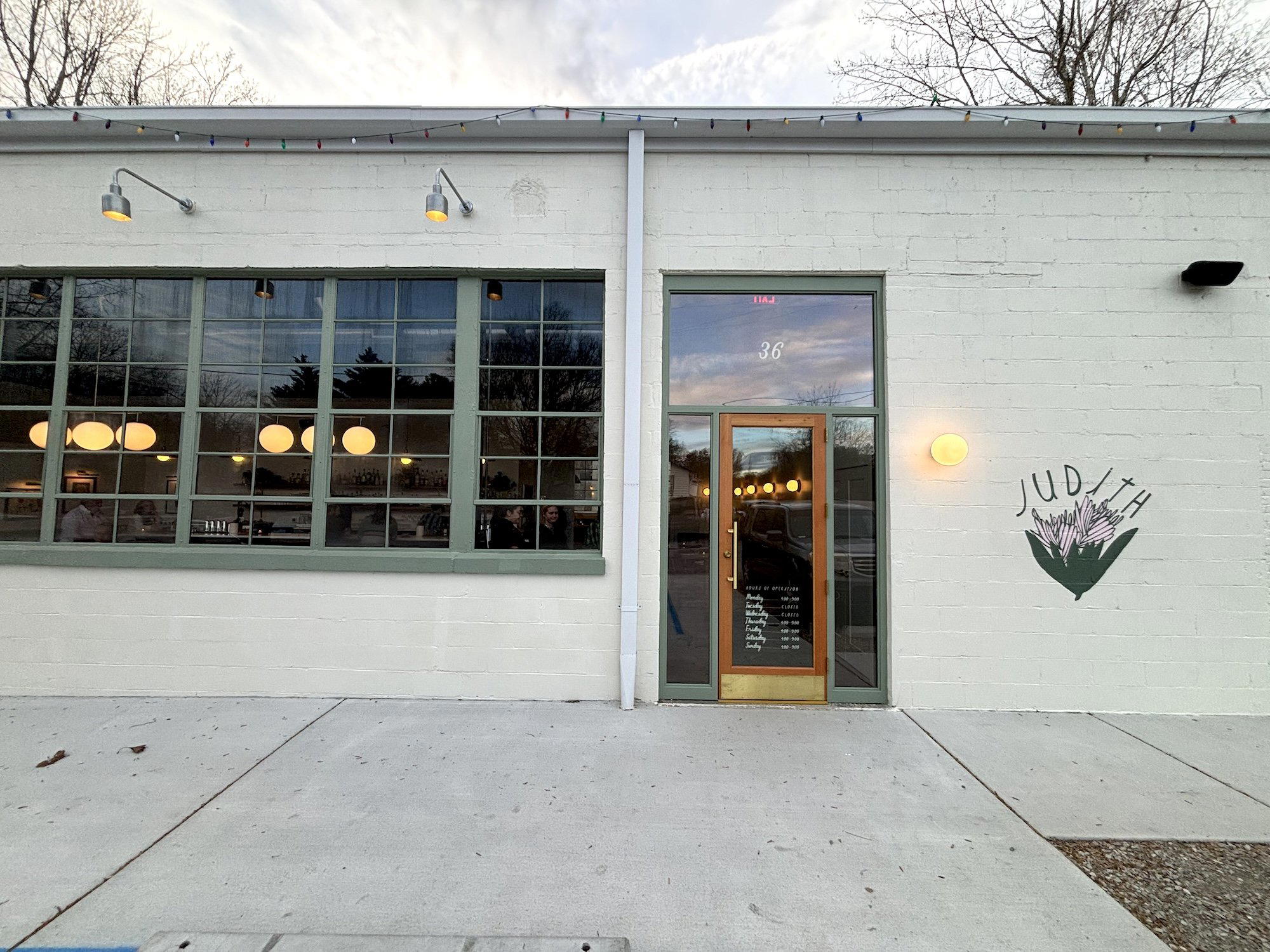
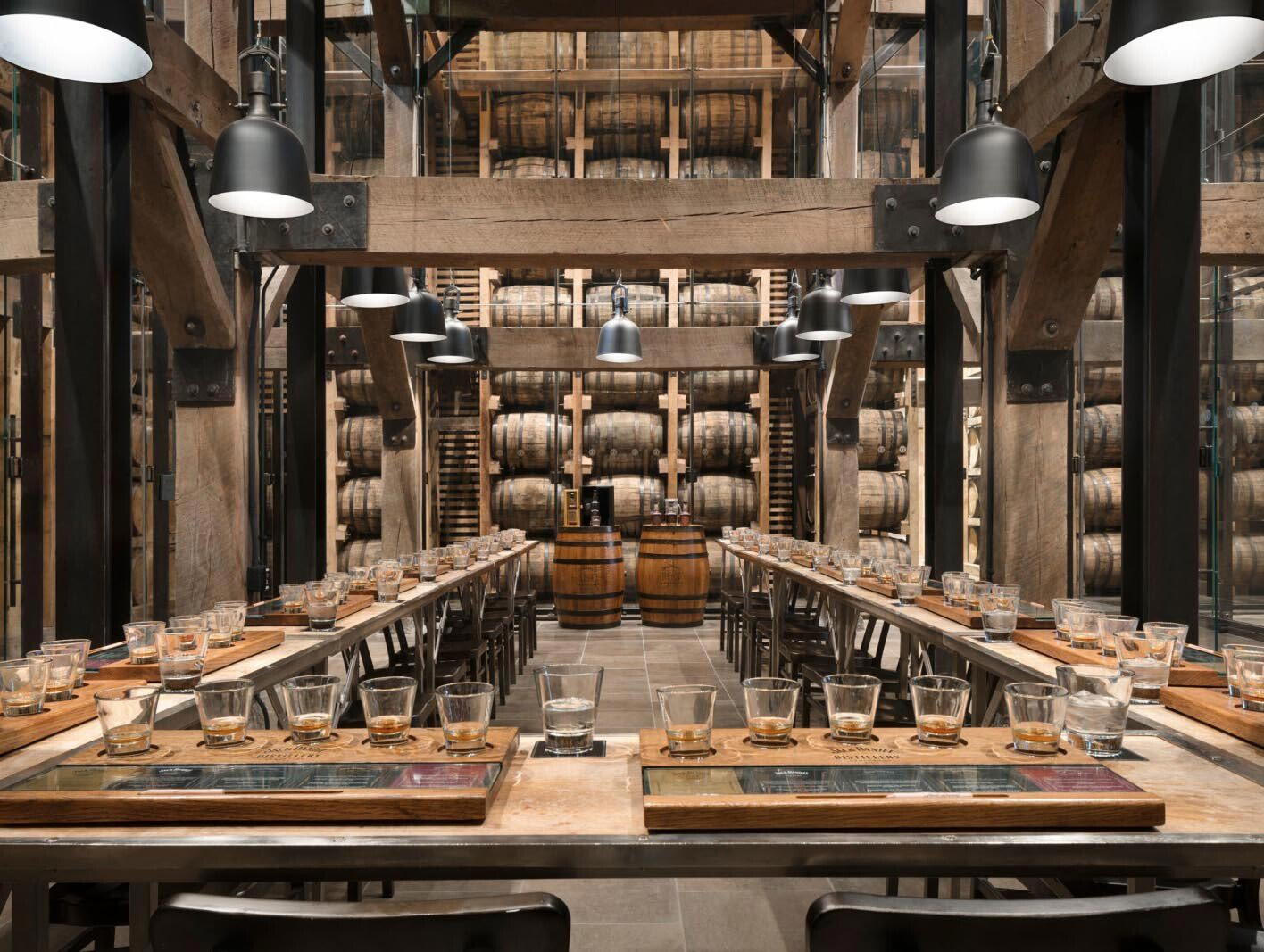
Judith is a New American Tavern in Sewanee, Tennessee, at 36 Ball Park Rd. The building announces itself before the food does. A historic warehouse on Ball Park Road in Sewanee, Tennessee, Judith occupies the kind of structure that resists decoration: exposed bones, working-town proportions, and a weight that newer restaurant interiors spend fortunes trying to simulate. The University of the South sits nearby, and that proximity shapes the room's character in ways that feel organic rather than engineered. On any given evening the crowd spans faculty, students, local families, and the occasional traveler who has made the detour off the interstate for reasons exactly like this.
A Tavern in the American Tradition
The American tavern has a long and frequently misunderstood history. At its functional core, it was never purely about the food or purely about the drink, it was the town's meeting infrastructure, the place where information moved and community consolidated. That tradition quietly informs what Judith does in Sewanee, operating as the kind of anchor establishment that a small, intellectually active town produces when conditions are right.
Judith operates closer to the latter. The seasonal menu format, paired with regional sourcing commitments, reflects a farm-to-table lineage that has moved well past trend status in American cooking. Where the movement's early years were marked by declarative sourcing rhetoric, the chalkboard supplier lists, the theatrical farmers' market references, its mature expression is quieter and more technically demanding. The question is no longer whether you source locally but what you do with those ingredients once you have them. At the $$-to-$$$ price tier for the region, Judith positions itself as a serious option in a market with limited competition at that register.
The Farm-to-Table Framework at This Altitude
Regional American cooking has undergone a significant recalibration over the past decade. The farm-to-table movement that gathered momentum in the late 1990s and accelerated through the 2000s, with Blue Hill at Stone Barns in Tarrytown and Single Thread Farm in Healdsburg as high-profile examples at its institutional end, has now dispersed into the general vocabulary of American kitchens at multiple price points. The philosophical premise, seasonal menus built on direct sourcing relationships with regional producers, is no longer the distinguishing factor it once was. Execution is.
In the mid-South specifically, seasonal cooking has to contend with a climate that produces abundantly in summer and demands creative problem-solving through winter and early spring. The Tennessee growing calendar rewards kitchens that have built genuine relationships with farmers and foragers rather than those relying on broad national distributors. A restaurant in Sewanee with serious sourcing commitments is working with what the Cumberland Plateau and its surrounding agricultural regions actually produce: heirloom vegetables, heritage pork, freshwater fish, foraged mushrooms and ramps in season. These are not exotic ingredients, but they require a kitchen philosophy organized around availability rather than permanence, which is precisely the discipline that separates seasonal cooking from the merely seasonal-adjacent.
James Beard Foundation recognition functions as a meaningful signal in this context. The nomination history attached to Judith's kitchen places it inside a national conversation about American cooking that extends well beyond its geographic footprint. The Foundation's regional categories exist partly to surface serious kitchens operating outside the New York-Chicago-San Francisco axis that dominates year-round coverage. Comparisons to destinations like Alinea in Chicago, Lazy Bear in San Francisco, or Le Bernardin in New York City are not in play at the format level, those are $$$$ tasting-menu operations in major markets. The more instructive comparable set for Judith is the tier of recognized regional kitchens that have achieved national credibility while staying rooted in specific places: Easy Bistro in Chattanooga and Felicia Suzanne's in Memphis offer regional comparisons at a similar price register.
What the Michelin Plate Means Here
Michelin's 2025 Plate designation for Judith is worth contextualizing carefully. A Plate is not a star, it signals that inspectors found cooking of good quality, using fresh ingredients, prepared to a consistent standard. In a state like Tennessee, where Michelin coverage is less dense than in major metropolitan markets, a Plate represents genuine vetting rather than a default recognition. The guide's Southern United States coverage has expanded incrementally, and recognition in smaller markets tends to be more selective, not less, simply because the inspector pool is covering more geographic ground per visit.
Judith's appearance in national food media, specifically a feature covering the 23 best restaurant dishes eaten across the country, is the more telling signal. That kind of editorial recognition is harder to systematize than award criteria and reflects a kitchen producing dishes coherent enough to hold their own against the full range of American restaurant cooking. It also suggests the menu has a point of view, which is the harder achievement. Seasonal sourcing without a culinary perspective produces competent but interchangeable food. The recognition indicates the kitchen has found a voice inside the constraints the region and format impose.
Community Anchor and Planning Notes
The role Judith plays in Sewanee extends beyond individual meals. University towns in the South have historically produced a distinctive dining culture: intellectually curious clientele, compressed academic calendars that create uneven traffic patterns, and a community appetite for a space that functions simultaneously as restaurant and social infrastructure. The warehouse building on Ball Park Road accommodates that dual function in a way that a purpose-built restaurant space rarely does. The setting has the kind of earned credibility that comes from a building with actual history rather than a designed narrative.
For visitors arriving specifically to eat here, Sewanee sits on the Cumberland Plateau about 45 minutes west of Chattanooga and roughly two hours south of Nashville. Sewanee itself warrants time beyond the meal, the University of the South campus is architecturally distinctive, and the surrounding plateau landscape has its own character.
The address is 36 Ball Park Rd, Sewanee, TN 37375. Booking ahead is advisable, particularly on weekends and during the academic calendar's peak periods. At the $$$ price point, this is a deliberate dining occasion rather than a casual drop-in, and the kitchen operates with a seasonal menu that rewards advance planning, conditions change, and what was on the menu last month may not be available this week.
How It Stacks Up
Comparable venues nearby, for context on price, style, and recognition.
| Venue | Cuisine | Price | Awards | Notes |
|---|---|---|---|---|
| JudithThis venue — the venue you are viewing | New American Tavern | $$$ | Michelin Plate | Not listed |
| Lunch | Farm-to-Table American Bakery Cafe | $$ | Michelin Plate | downtown Sewanee |
| Husk Nashville | Southern Farm-to-Table | $$$ | Not listed | Downtown |
| J.C. Holdway | Wood-Fired Southern American | $$$ | Michelin Plate | downtown |
| Biscuit Love Gulch | Southern Breakfast & Brunch | $$ | Not listed | Music Row |
| Casper's Bistro | Polished American Bistro | $$$ | Not listed | Downtown Goodlettsville |
Recognition history
Dated appearances from independent guides and award organizations, with the underlying list record or original source where available.
Esquire Best New Restaurants
Esquire
Michelin Plate
Michelin
New York Times The 23 Best Restaurant Dishes We Ate Across the U.S.
New York Times
Continue exploring
More in Sewanee
Restaurants in Sewanee
Browse all →
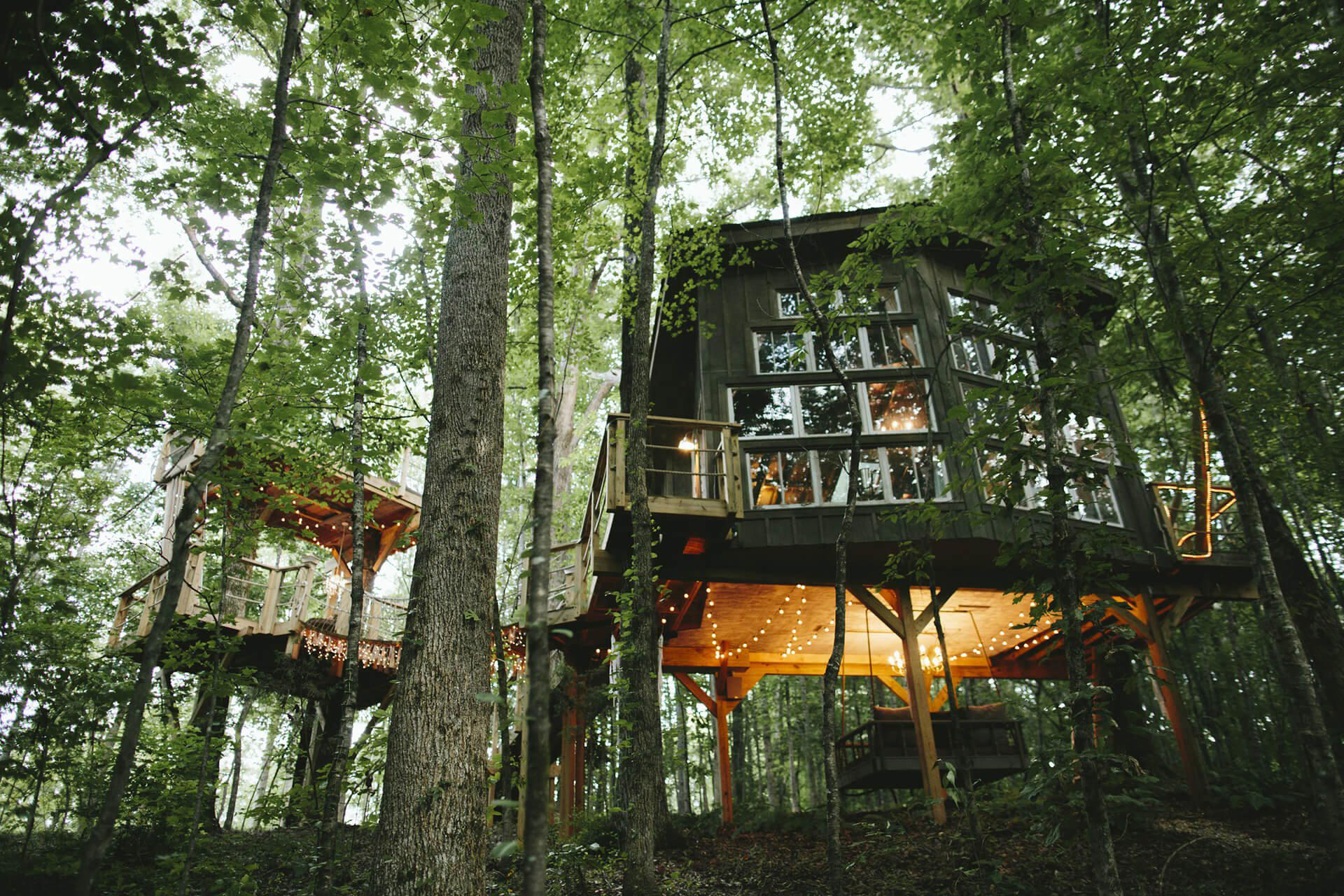
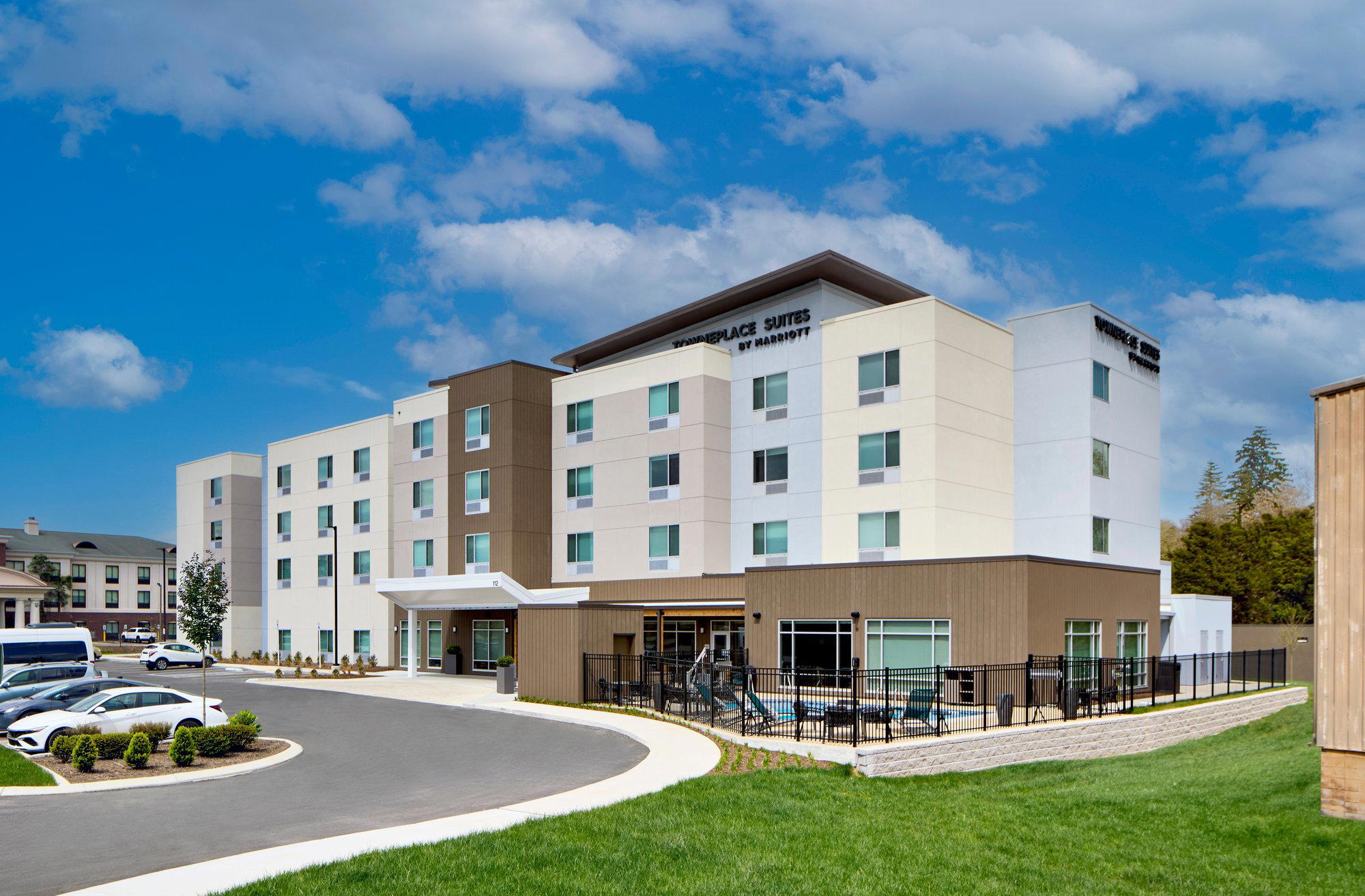
Hotels in Sewanee
Browse all →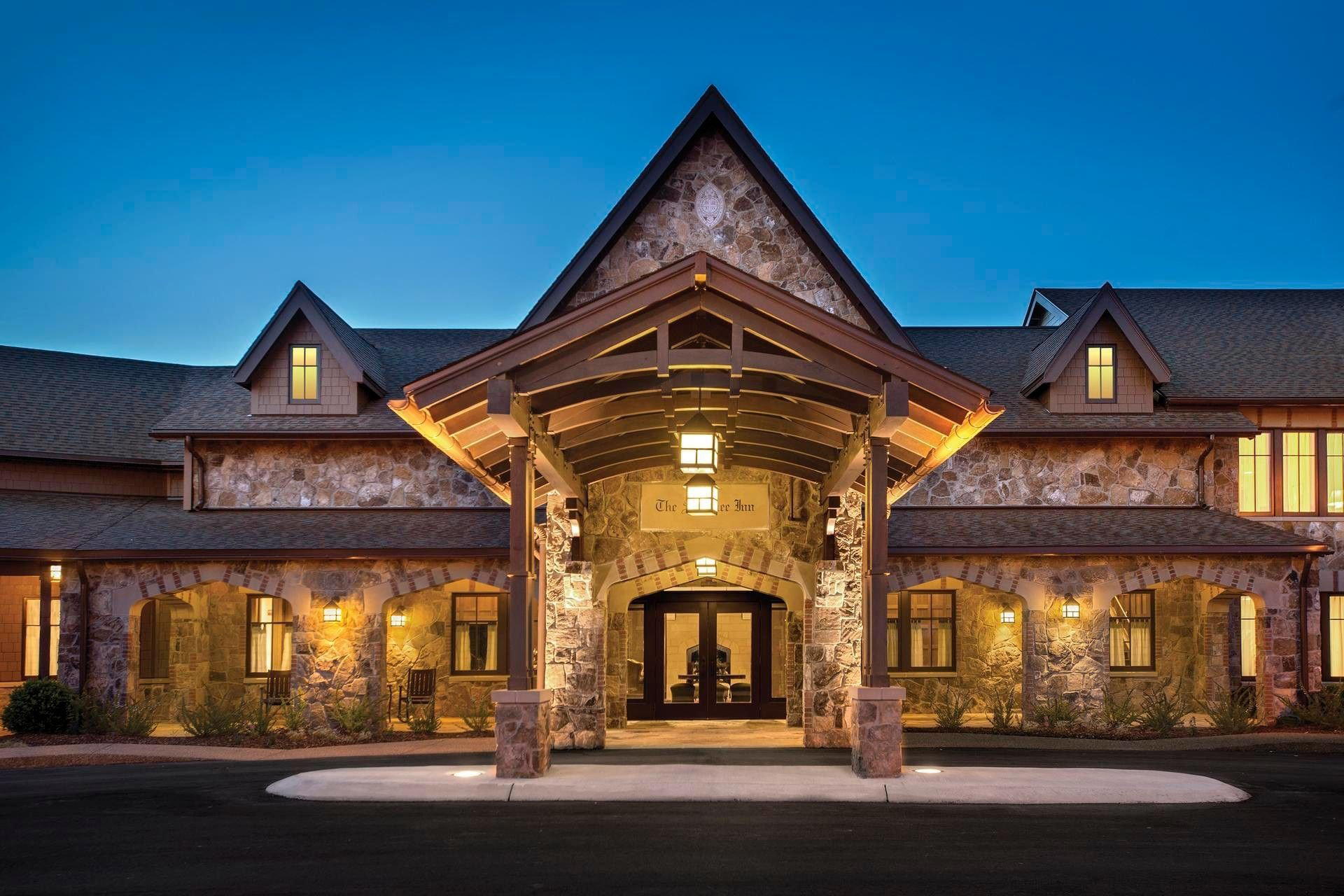
Wineries in Sewanee
Browse all →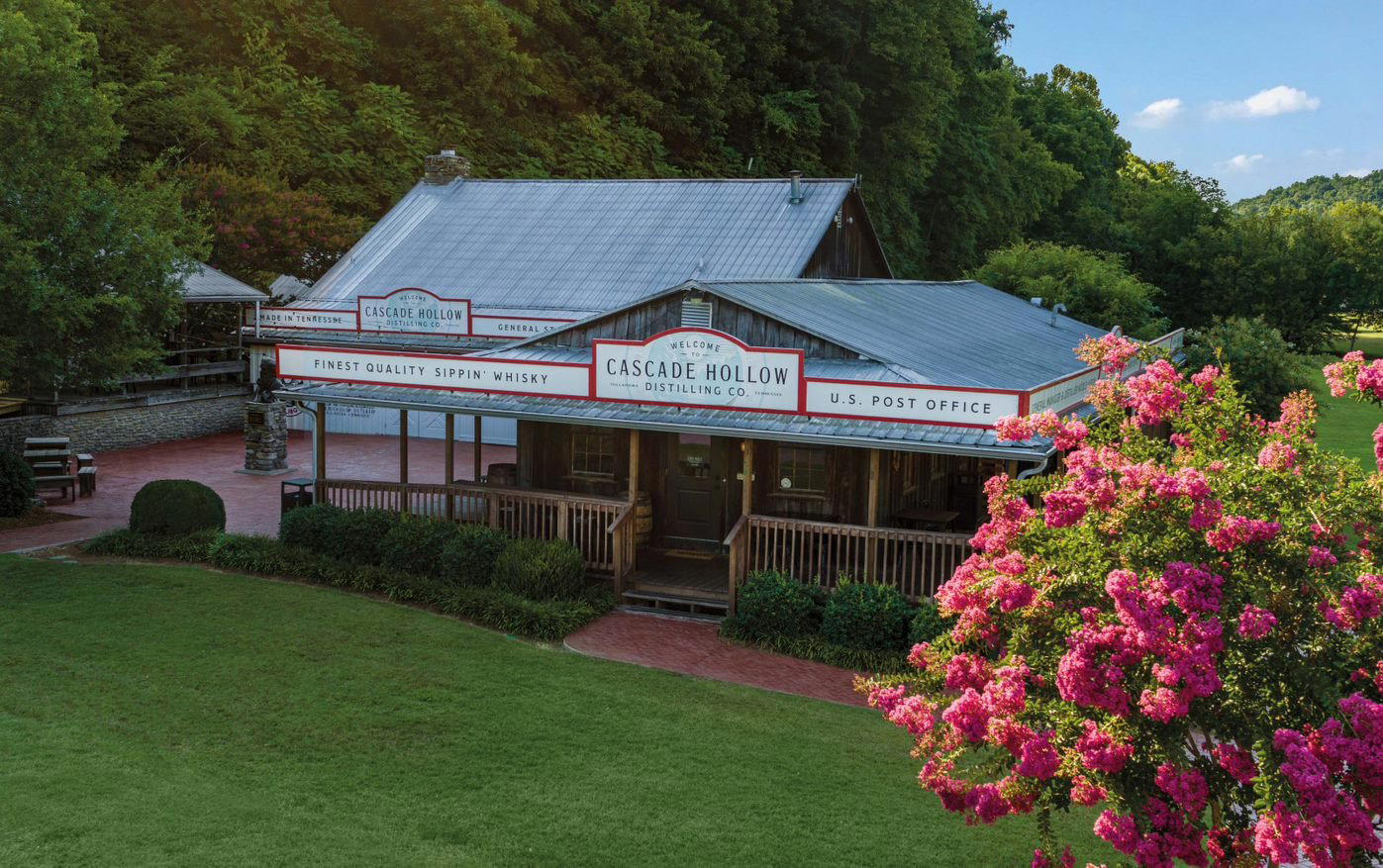
At a Glance
- Lively
- Cozy
- Rustic
- Industrial
- Elegant
- Date Night
- Special Occasion
- Group Dining
- Open Kitchen
- Private Dining
- Historic Building
- Craft Cocktails
Current opening hours
- Monday
- 4–9 PM
- Tuesday
- Closed
- Wednesday
- Closed
- Thursday
- 4–9 PM
- Friday
- 4–9 PM
- Saturday
- 4–9 PM
- Sunday
- 4–9 PM
Hours can change for holidays and private events. Last verified .
Bright industrial warehouse space with tall historic windows, contemporary furniture adding warmth, lively atmosphere with moderate noise from popularity.