낭만 Nangman sits on Yonge Street in North York, where Toronto's Korean dining corridor thins into quieter residential blocks. The name translates loosely as 'romance' or 'romanticism' in Korean, signalling an intent to frame familiar cuisine through a particular mood. For visitors tracing the city's Korean restaurant scene beyond the Bloor-Christie cluster, it represents a northern outpost worth the detour.

Pearl is the En Primeur Club membership app, where members save venues, book tables and use the concierge.
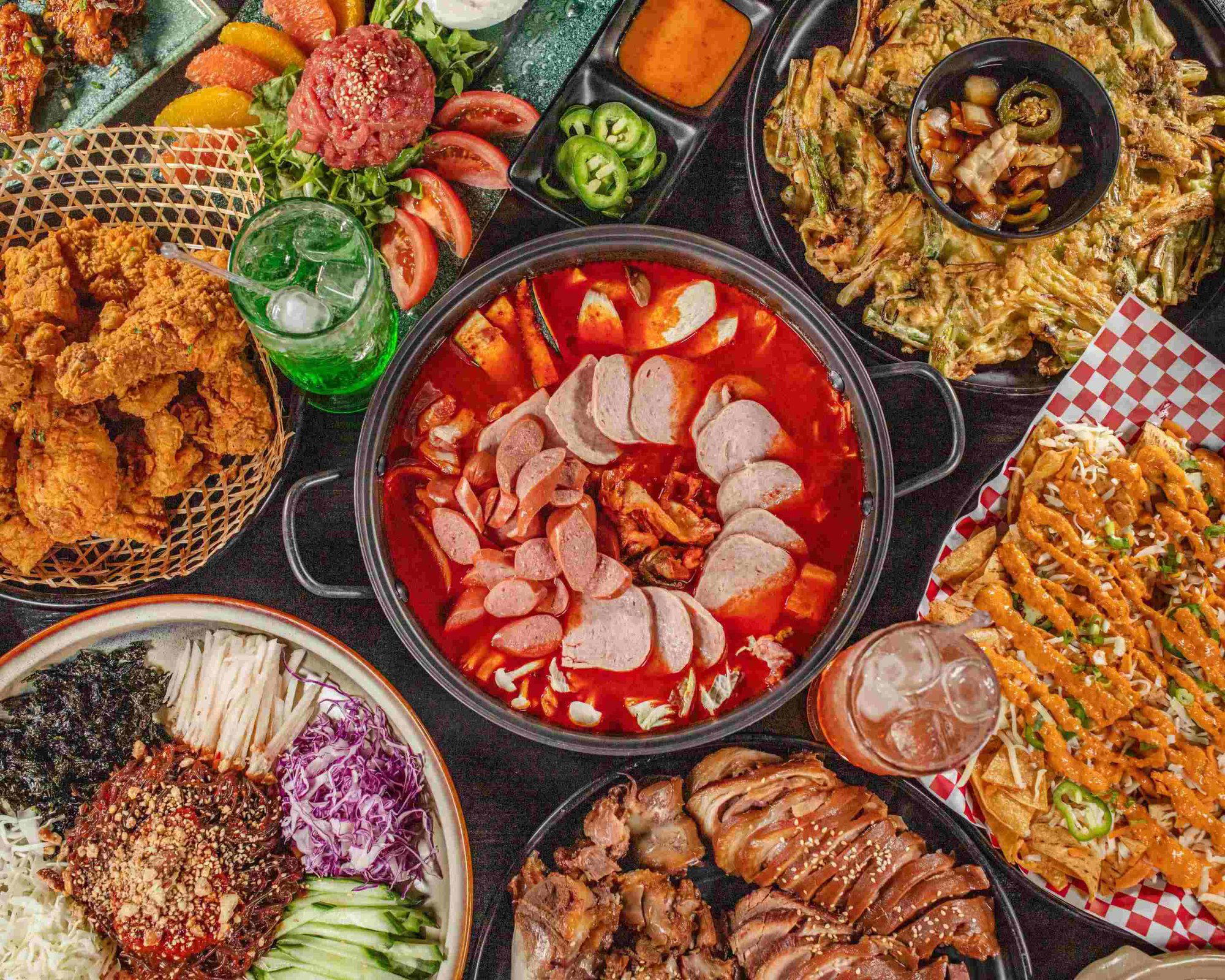
Yonge Street North and the Korean Dining Corridor
Toronto's Korean restaurant geography has two centres of gravity. The first is the Bloor-Christie strip, dense with banchan counters and late-night grills. The second is less discussed: Yonge Street north of Sheppard, running through North York toward Finch, where Korean-owned businesses have operated for decades and where the dining tends toward the neighbourhood-embedded rather than the tourist-visible. At 6283 Yonge Street, 낭만 Nangman occupies this quieter corridor, away from the food-media attention that clusters further south or in Koreatown proper.
The name matters here. 낭만 (nangman) is a Korean borrowing from the Chinese 浪漫, meaning romance or romanticism, with connotations of mood, sentiment, and a particular kind of wistful atmosphere. Restaurants that carry this word in their name are typically making an argument about experience as much as food: the room, the evening, the feeling of the meal. That framing sets a different expectation than the utilitarian grills and quick-service spots that form the backbone of the North York Korean scene.
What the Name Implies About the Menu
In Korean dining, the architecture of a menu communicates intent before a single dish arrives. A restaurant organised around shared plates and banchan signals communal eating and value density. One built around individual courses or centrepiece proteins signals something closer to a destination meal. The word 낭만 in the name suggests the latter orientation: a deliberate pace, a mood-setting environment, and food framed as the centrepiece of an evening rather than fuel for a night out.
This matters editorially because it places 낭만 Nangman in a specific tier within Toronto's Korean dining market. The city has plenty of high-volume Korean barbecue operations where the grill is the entertainment and the food arrives in rapid succession. It has fewer venues that ask guests to slow down, where the sequence of dishes follows a considered logic rather than a maximalist spread. Korean cuisine in Korea has its own sophisticated fine-dining tradition, including the hansik-based tasting format that draws from royal court cooking, and restaurants in diaspora communities increasingly reference that register.
North York as a Dining Context
North York's Yonge Street corridor is genuinely underreported relative to its culinary substance. The area has a high density of Korean, Japanese, and Chinese establishments serving a residential population rather than a visitor economy, which means less marketing noise and more pressure to hold a regular clientele. That dynamic tends to reward consistency over novelty: a restaurant on this stretch of Yonge that has built a following has done so through repeat visits from local diners, not through viral moments or media coverage cycles.
For visitors accustomed to booking at venues in the downtown core, the logistics here are direct: the Yonge-University subway line reaches North York Centre station, and the address sits within walking distance of that stop. The neighbourhood lacks the dense after-dinner bar scene of King West or the cocktail programming of venues like Bar Raval or Bar Mordecai, so the meal functions as a self-contained evening rather than a starting point for a broader night out.
Toronto's Korean Dining Tier Structure
Positioning 낭만 Nangman within Toronto's Korean dining tier requires acknowledging what that tier structure looks like. At the accessible end sit the Koreatown institutions on Bloor West: well-worn, affordable, oriented toward large groups and long evenings with soju. In the middle sits a growing cohort of modern Korean restaurants citywide, many run by second-generation chefs who draw from both Korean culinary tradition and North American technique. At the premium end, a handful of venues have begun applying tasting-menu formats and careful ingredient sourcing to Korean cuisine, echoing a global movement toward recognising Korean cooking as a fine-dining register rather than a casual ethnic category.
What the name, location, and format signals collectively suggest is a venue more interested in the deliberate meal than the high-throughput grill session. For context on how Toronto's broader restaurant and bar scene organises itself, our full Toronto restaurants guide maps the city's key dining corridors and venue types.
Comparison with Canadian Peers in Mood-Led Dining
The mood-led dining format that 낭만 Nangman's name implies has parallels across Canadian cities. In Montreal, Atwater Cocktail Club represents a similar investment in atmosphere as a primary offering, where the room and the pace of service are as considered as the drinks. In Vancouver, Botanist Bar operates in the register of environment-as-argument: the space makes a claim before the menu does. These are not direct comparisons to a Korean restaurant, but they illustrate a cross-category pattern: venues that lead with mood and name signal their intent through both.
Within Toronto's bar and drinks scene, venues like Bar Pompette and Civil Liberties have built audiences through a similar combination of atmosphere-first identity and a specific, edited drinks program. The common thread across these venues, in different cities and categories, is that the name and environment do meaningful curatorial work before the menu is opened.
Planning a Visit
| Factor | 낭만 Nangman | Koreatown (Bloor W) | Downtown Korean |
|---|---|---|---|
| Location | North York, Yonge & Sheppard area | Bloor-Christie, central west | King West / downtown core |
| Transit access | Yonge-University line, North York Centre | Bloor-Danforth line, Christie station | King or Queen streetcar |
| Evening format | Destination meal, mood-led | Group grill, late-night | Mixed, chef-driven |
| After-dinner options | Limited immediate area | Bar options on Bloor | King West bar corridor |
For those travelling further across Canada, the mood-led dining and drinking format appears in venues like Humboldt Bar in Victoria, Missy's in Calgary, Bearfoot Bistro in Whistler, Grecos in Kingston, and Bar Leather Apron in Honolulu for those extending south into Hawaii. Each operates in a different category but shares the premise that the atmosphere is part of what is being offered, not just a backdrop to it.
The Essentials
| Venue | Price | Awards |
|---|---|---|
| 낭만 NangmanThis venue (the venue you are viewing) | Not listed | Not listed |
| Civil Works | $20–30 | World's 50 Best #29 · Canada's 100 Best Bars #16 |
| Bar Mordecai | $30–50 | World's 50 Best #94 · Top 500 Bars Best Bars #438 |
| Bar Pompette | $20–30 | World's 50 Best #8 · Canada's 100 Best Bars #2 |
| Cry Baby Gallery | $20–30 | World's 50 Best #69 · Top 500 Bars Best Bars #310 |
Continue exploring
More in Toronto
Bars in Toronto
All bars in Toronto →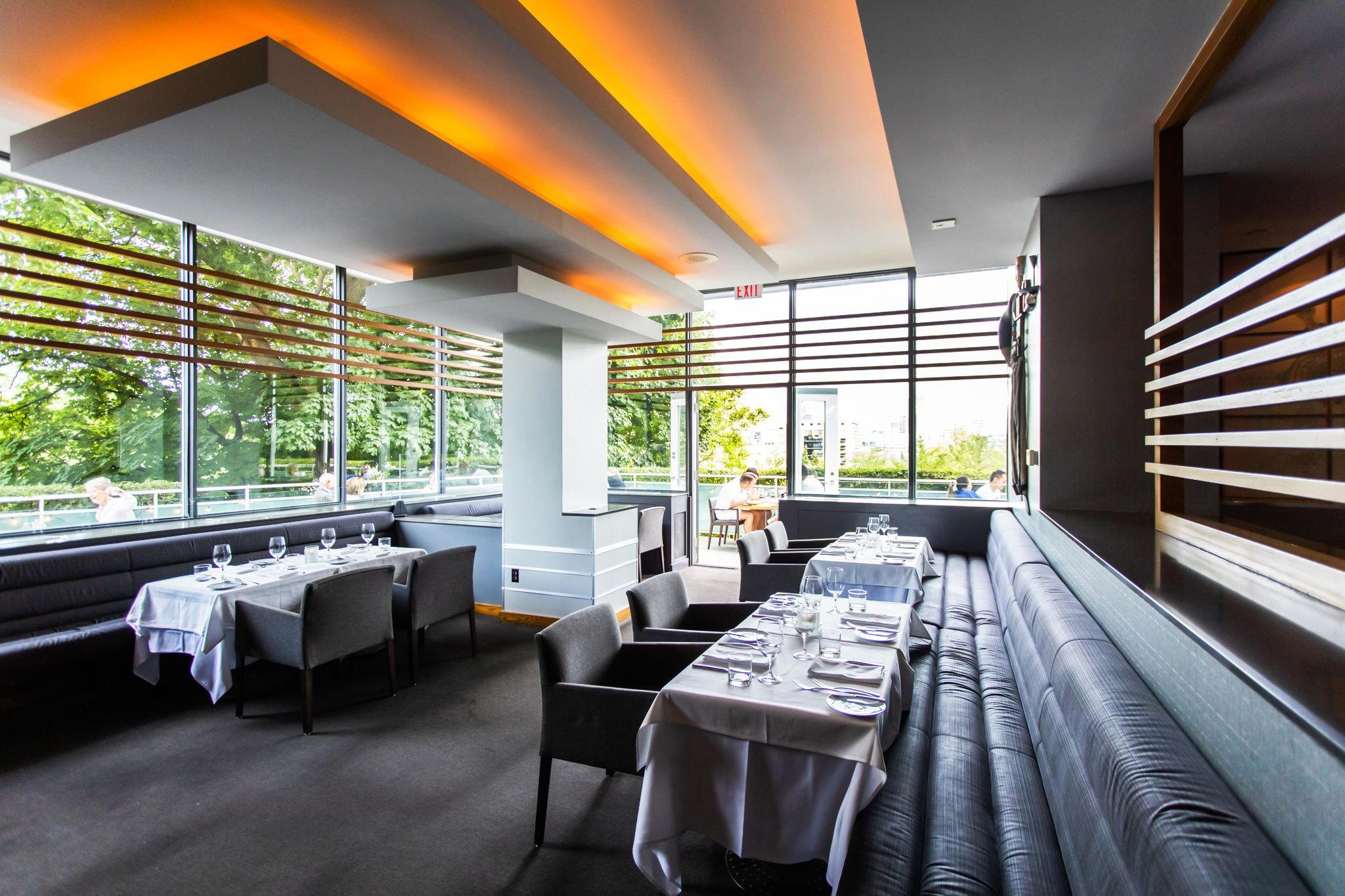
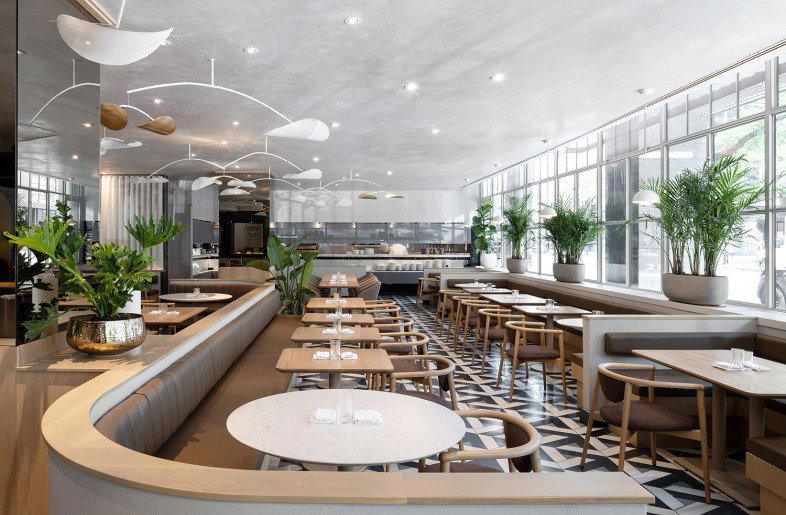
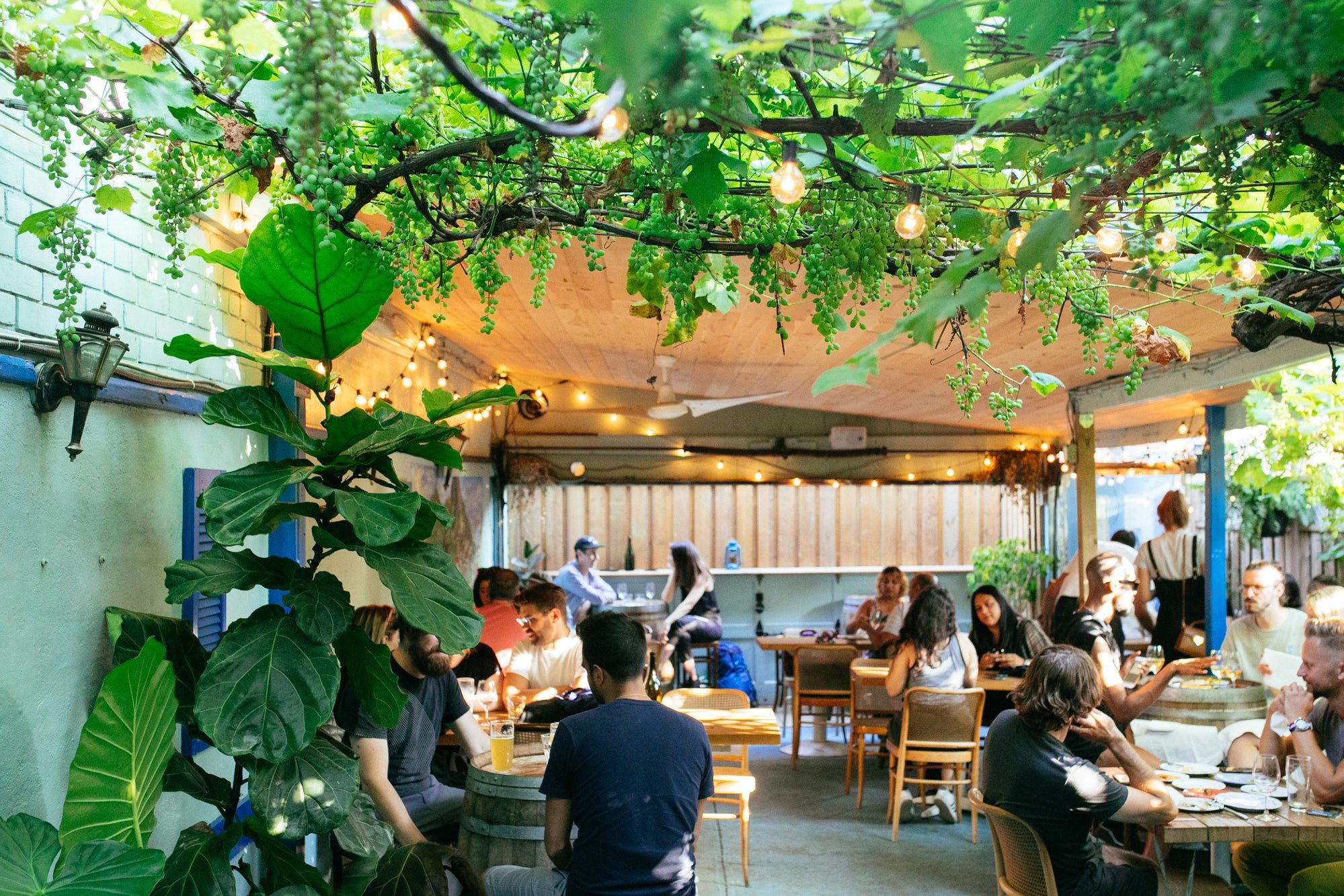
Restaurants in Toronto
All restaurants in Toronto →
Hotels in Toronto
All hotels in Toronto →
Wineries in Toronto
All wineries in Toronto →
Details
- Lively
- Group Outing
- Late Night
- Casual Hangout
Lively and lively Korean pocha-style atmosphere blending traditional charm with contemporary flair.