A sushi bar on Jarvis Street in Toronto's downtown east side, J San occupies a corner of the city where Japanese counter culture meets neighbourhood regulars. The question of when to visit shapes the experience considerably: midday service tends toward quick, focused cuts, while evenings shift the register toward something more deliberate. Part of Toronto's expanding mid-market Japanese dining tier.
Pearl is the En Primeur Club membership app — saves, bookings, and concierge access live there. Same editors, same standards.
- Address
- 186 Jarvis St, Toronto, ON M5B 2B7, Canada
- Phone
- +1 647 339 1933
- Website
- jsansushibar.ca
- Directions
- Get directions
 Saves & bookings on Pearl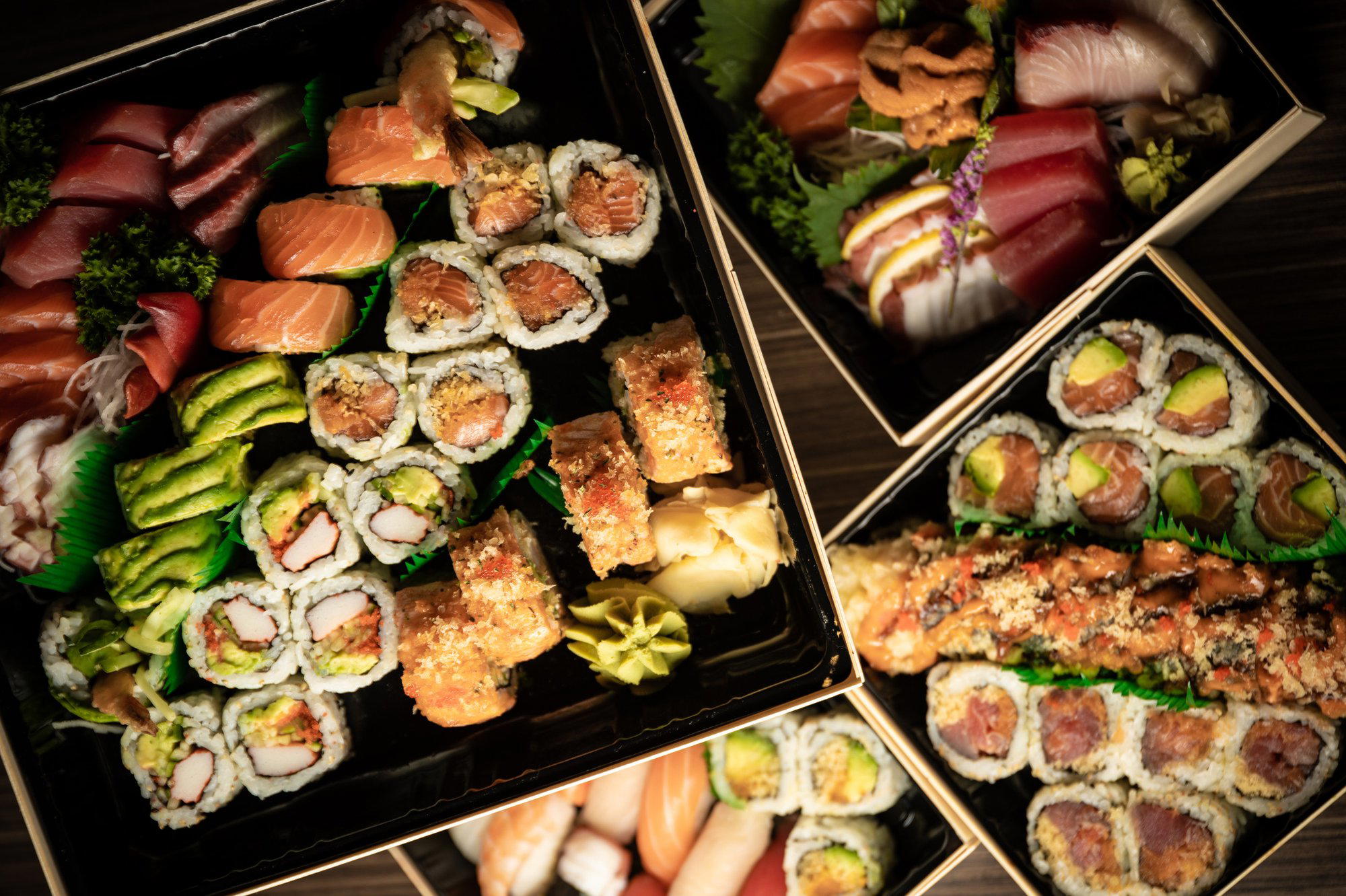
Jarvis Street and the Geometry of Toronto's Mid-Market Sushi Scene
Toronto's Japanese dining tier has fragmented in interesting ways over the past decade. At one end sit the omakase counters in Yorkville and the Financial District, where courses are fixed, seats are few, and reservations open weeks in advance. At the other end, the city's izakaya strip along Baldwin and the Kensington edges serves walk-in crowds with conveyor-belt speed and convenience-store pricing. J San Sushi Bar at 186 Jarvis Street occupies neither extreme. It sits in the broader mid-market band that has quietly become especially competitive segment of Toronto sushi, where the question is not whether the fish is handled well, but whether the room, the timing, and the format match what the neighbourhood actually needs.
Jarvis Street itself is an instructive address. The corridor runs from the edge of the Garden District down toward the lake, threading through a part of downtown Toronto that is not quite the dense office core and not quite a residential neighbourhood in any settled sense. Foot traffic here follows a different rhythm than King West or Queen East. There is lunch demand from nearby government buildings and social services offices, evening demand from condo residents between Church and Sherbourne, and a scattered late crowd that has nothing to do with either. A sushi bar at this intersection has to serve multiple use cases simultaneously, which pushes the kitchen toward range over specialisation.
How the Hours Shape What You Get
The divide between lunch and dinner at a venue like J San is not merely cosmetic. In Toronto's mid-market Japanese segment, the lunch register tends to compress: shorter menus, faster turnarounds, bento-adjacent formats that allow a kitchen to process volume without sacrificing the basic standards of rice temperature and cut precision. Dinner at the same counter loosens into something closer to a la carte deliberation. Guests order in rounds rather than sets, the bar conversation carries longer, and the ratio of nigiri to maki shifts toward pieces that require more prep time and better fish allocation.
This pattern is common across the mid-tier of Toronto's Japanese dining, from the sushi counters along Bloor West Village to the newer spots that have appeared in the Junction and Leslieville. What distinguishes operators who hold up in this segment is consistency across both registers, not excellence in one. A kitchen that performs beautifully at dinner but rushes the lunch service loses the regulars who actually sustain the business through slow evenings in February and March, which are, in Toronto's dining economy, longer and more damaging than most visitors expect.
The Room and What It Asks of You
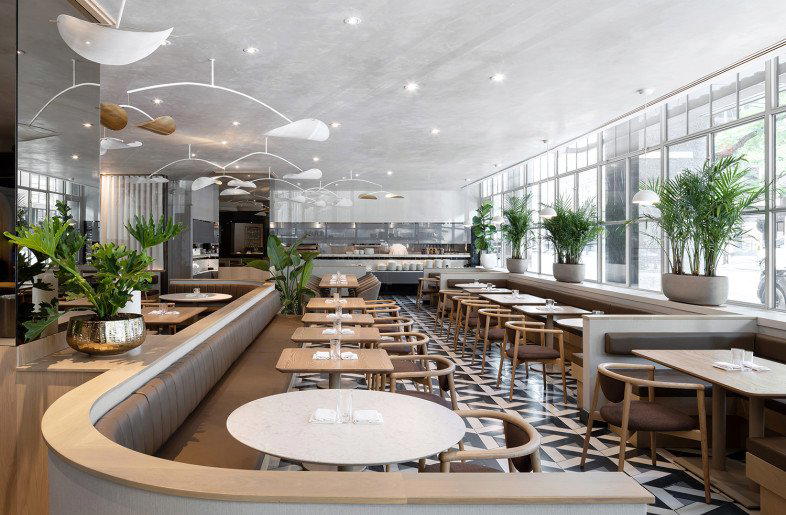
The physical environment at 186 Jarvis tells you something about the customer relationship a venue is trying to build. Counter-led sushi spaces in Toronto's mid-market generally signal one of two things: an aspiration toward the intimacy of higher-end omakase formats, or a practical decision to maximise covers in a narrow footprint. The address at the corner of Jarvis suggests the latter is at least part of the calculation. A room built for efficiency reads differently at noon, when the tempo is brisk and purposeful, than at 7 p.m. when the same space can feel more considered simply because the pace of orders has slowed.
For the reader deciding when to visit: lunch at a Jarvis Street sushi bar is a functional meal with a relatively low-friction experience; dinner asks for a bit more patience and returns something more in kind. Neither is wrong. They are simply different transactions, and understanding that distinction before you arrive shapes whether you leave satisfied or mildly underwhelmed. If your priority is speed and value, arrive at midday. If you want to sit at the bar with a proper order of nigiri and take your time, evenings from Thursday onward are the conventional choice in this part of the city.
Where J San Sits in Toronto's Broader Japanese Dining Map
Toronto's Japanese restaurant count has grown steadily since the mid-2010s, with the city now holding a dense cluster of options in the downtown core that would have seemed implausible fifteen years ago. The mid-market segment, broadly defined as restaurants where a full meal with drinks lands between $40 and $80 per person, is where most of the competition is sharpest. Venues in this band compete against each other on freshness claims, on rice quality (the harder metric to fake), and on the ambience signals that make a regular feel like the place knows them.
J San on Jarvis sits in that competitive band. It is not in the neighbourhood tier of places like the strip mall Japanese spots in Scarborough's Pacific Mall orbit, nor does it position against the Michelin-adjacent counters that have emerged in the city's more expensive dining corridors. For Toronto visitors orienting themselves, the useful comparable set is the range of sushi bars operating in downtown-adjacent neighbourhoods: Cabbagetown to the north, St. Lawrence Market to the south, and the Church-Wellesley Village to the west.
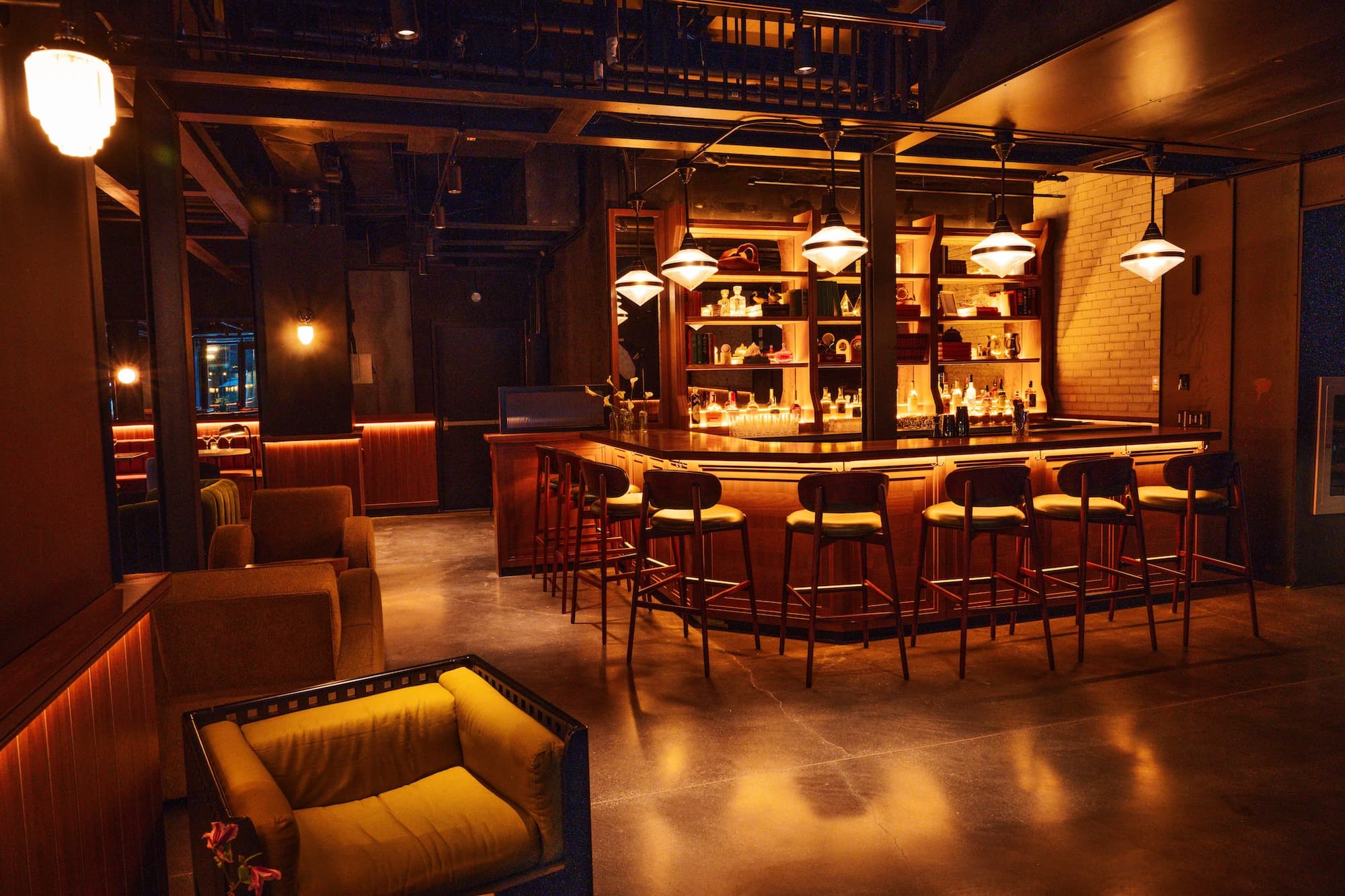
Those looking to extend an evening around the area have options in Toronto's bar circuit that complement a sushi-led dinner without requiring a long transit. Bar Mordecai, Bar Pompette, and Bar Raval each represent a distinct register of Toronto's cocktail culture, from Mordecai's low-lit precision to Raval's Catalan-inflected wine and snack format. Civil Liberties is the choice for those who want depth over atmosphere, with one of the more serious whisky programs in the city. For a broader orientation across Toronto's drinking and dining options, the full Toronto restaurants guide maps the city by neighbourhood and category.
Visitors arriving from elsewhere in Canada will find useful comparison points in cities with similarly active Japanese dining scenes. Botanist Bar in Vancouver anchors a dining corridor where Japanese influence runs deep across the menu. Atwater Cocktail Club in Montreal offers a sense of how a different Canadian city layers its evening food and drink culture. Further afield, Bearfoot Bistro in Whistler, Humboldt Bar in Victoria, Missy's in Calgary, Grecos in Kingston, and Bar Leather Apron in Honolulu each represent their local dining and drinks tier in ways that give context to what Toronto's mid-market Japanese scene is competing against.
Planning Your Visit
J San Sushi Bar is located at 186 Jarvis Street in Toronto, walkable from both the Dundas and King subway stations on Line 1, and within easy reach of the Garden District hotel cluster. The address is accessible by streetcar along Queen Street with a short walk north. As with most mid-market sushi in the downtown core, arriving early in a service avoids the peak compression that affects fish allocation and seat availability.
Cuisine Lens
Comparable venues nearby, for context on price, style, and recognition.
| Venue | Cuisine | Price | Notes |
|---|---|---|---|
| J San Sushi BarThis venue — the venue you are viewing | sake_bar | $$ | Not listed |
| The Three Speed | pub | $$ | Wallace Emerson |
| IZUMI Brewery (Ontario Spring Water Sake Company) | sake_bar | $$ | The Distillery District |
| Grape Witches Waterworks | wine_bar | $$ | Fashion District |
| Ramen x Remix Ramen&Bar | cocktail_bar | $$ | Queen West |
| Monarch Tavern | pub | $$ | Little Italy |
Continue exploring
More in Toronto
Bars in Toronto
Browse all →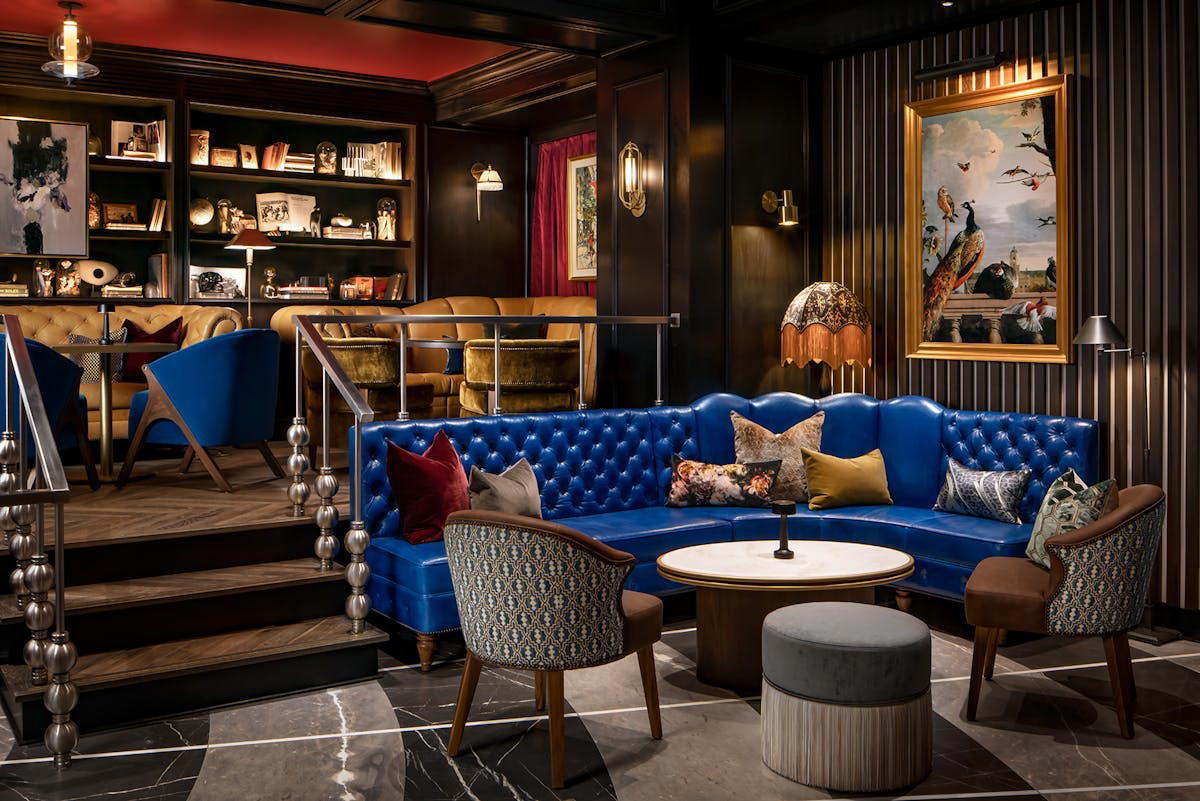
Restaurants in Toronto
Browse all →
Hotels in Toronto
Browse all →

At a Glance
- Group Outing
- Casual Hangout
- Sake
Current opening hours
- Monday
- 11 AM–9 PM
- Tuesday
- 11 AM–9 PM
- Wednesday
- 11 AM–9 PM
- Thursday
- 11 AM–9 PM
- Friday
- 11 AM–9 PM
- Saturday
- 11 AM–9 PM
- Sunday
- 11 AM–9 PM
Hours can change for holidays and private events. Last verified .
welcoming atmosphere