Miel Brewery & Taproom
Miel Brewery & Taproom occupies a corner of New Orleans' Lower Garden District at 405 Sixth Street, positioning itself at the intersection of craft brewing and the city's deeply embedded drinking culture. The taproom format places it in a growing tier of neighborhood-anchored production venues that sit outside the French Quarter's tourist circuit and closer to where locals actually drink.
Pearl is the En Primeur Club membership app — saves, bookings, and concierge access live there. Same editors, same standards.
- Address
- 405 Sixth St, New Orleans, LA 70115
- Phone
- +1 504 372 4260
- Website
- mielbrewery.com
- Directions
- Get directions
 Saves & bookings on Pearl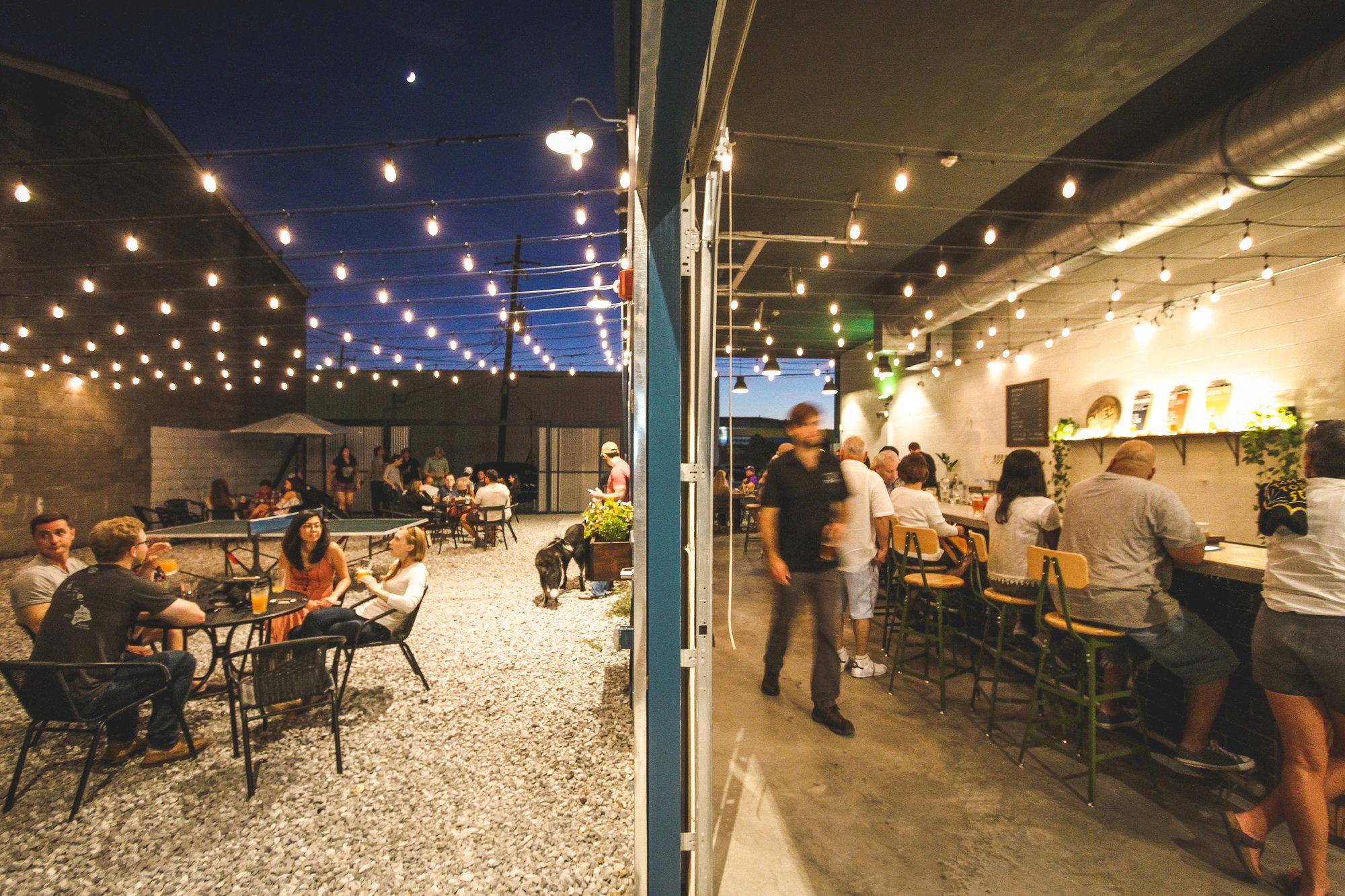
Where the Lower Garden District Pours
New Orleans has always had a complicated relationship with craft brewing. The city's drinking identity is built on frozen daiquiris, rye cocktails, and the kind of cold Abita that arrives with a fried shrimp po'boy, not on the hop-forward IPAs and barrel-aged stouts that defined craft beer's national expansion through the 2010s. That tension makes venues like Miel Brewery & Taproom, at 405 Sixth Street in the Lower Garden District, more interesting than a direct taproom read might suggest. This is a neighborhood that sits south of the streetcar line and east of Magazine Street's retail corridor, close enough to the action to draw foot traffic, far enough to keep a residential atmosphere. The breweries that have taken root in New Orleans tend to anchor in exactly these kinds of transitional blocks, where warehouse bones meet shotgun houses and the clientele is more likely to walk over than to Uber in from a hotel.
The Lower Garden District's drinking scene has developed its own internal logic. It is not the French Quarter, with its daiquiri shops and tourist-driven bars, nor is it the more polished cocktail corridor anchored by venues like Cure on Freret Street. It occupies a middle register, informal, production-focused, and increasingly confident in its own character. Miel fits that register. The taproom model, where the brewery and the drinking room share the same address, builds a transparency into the experience that most cocktail bars cannot replicate: you can see what you are drinking and, in many cases, watch it being made.
The Brewery-Bar Divide in New Orleans Drinking Culture
Understanding where Miel sits requires some context about how New Orleans organizes its bar culture by tier and format. At the summit of the cocktail conversation are the program-driven rooms: Jewel of the South, rooted in 19th-century cocktail scholarship, and Cure, which has spent over a decade making Freret Street a credible destination for technically serious drinking. Below that tier, and not in a diminishing sense, sits a cluster of more accessible, production-anchored venues where the beer list is the program, and the curation happens at the tank rather than the shaker.
This split is not distinctive to New Orleans. Across the country, production taprooms have carved out a distinct niche by offering something cocktail bars cannot: a direct line between maker and drinker, with no distributor, no import markup, and no intermediary between the house recipe and the glass. ABV in San Francisco and Kumiko in Chicago approach this from the spirits and cocktail side, but the principle, that curation and craft at the source create a different kind of authority in the glass, applies equally in a brewing context.
New Orleans specifically has seen its craft beer scene expand away from the French Quarter and toward neighborhoods like the Bywater, Mid-City, and the Lower Garden District. The pattern mirrors what happened in other Southern cities a decade earlier: breweries anchor in affordable industrial-adjacent real estate, build local loyalty, and gradually shift the conversation about what drinking well in that city can mean. Miel's Sixth Street address places it squarely in that pattern.
The Taproom as Editorial Space
A taproom's tap list functions the way a back bar does in a serious cocktail room: it is an argument. Every handle is a choice, and the range of that choice tells you what the brewery thinks about balance, seasonality, and its own drinker. New Orleans' climate shapes those choices in ways that differ from the Pacific Northwest or the Northeast. Heat and humidity push drinkers toward lighter, crisper formats, saisons, witbiers, and lower-ABV lagers tend to move faster than heavy stouts during the city's long summers. A brewery in this city that also makes a strong barrel program is making a deliberate statement: that some part of its production is designed for patience, for cooler months, or for the kind of drinker who orders by the pour rather than the pint.
The comparable conversation in cocktail terms plays out at bars like Beachbum Berry's Latitude 29, where the editorial position is explicit, every drink on the menu is an argument for a particular historical and stylistic tradition. At 2 Phat Vegans, the curation is about what food and drink can do together outside conventional ingredient hierarchies. In each case, the operator has made a choice about what the room stands for, and the offering follows from that choice. The same logic applies to a taproom: the tap list is an editorial position, and reading it tells you what the house values.
For drinkers coming from outside New Orleans, the taproom format at this price tier offers something the cocktail bars in the French Quarter cannot easily replicate: a lower cost-of-entry into genuinely local production. Venues like Julep in Houston or Bar Leather Apron in Honolulu operate in the high-precision cocktail space where a single drink can represent a meaningful cost. A taproom pour, by contrast, lets you try four different things for the equivalent price, which changes how you read the range and how willing you are to order the unusual choice.
Placing Miel in the Broader New Orleans Circuit
For a visitor already familiar with the city's cocktail canon, Miel offers a productive change of register. After an evening at Jewel of the South or a technically demanding session at Cure, a neighborhood taproom in the Lower Garden District resets the frame. It is the difference between a tasting menu and a good bowl of gumbo: both are worth doing, and the sequence matters.
Internationally, the production-taproom model has also established itself as a serious format. The Parlour in Frankfurt on the Main and Allegory in Washington, D.C. each show what can happen when a venue commits to a distinct point of view about what it pours and why. The format itself is not the differentiator; the curation is. That is as true for a brewery taproom in the Lower Garden District as it is for a cocktail bar in a D.C. hotel.
The case for Miel is ultimately the case for production-grounded drinking in a city that has historically organized its bar culture around hospitality spectacle and inherited cocktail tradition. Both have real value. But the taproom that brews what it pours, in a neighborhood where the regulars walk rather than ride, is doing something the Quarter cannot replicate: it is making local, for locals, and letting visitors in on the terms.
Know Before You Go
- Address: 405 Sixth St, New Orleans, LA 70115
- Neighborhood: Lower Garden District
- Format: Production brewery with on-site taproom
- Leading approach: Walk from Magazine Street or the Prytania streetcar corridor; ride-share from the French Quarter
- Note: Hours: Mon through Thu 2 to 10 PM, Fri closed, Sat 11 AM to 6 PM, Sun 11 AM to 8 PM.
Recognition Snapshot
Comparable venues nearby, for context on price, style, and recognition.
| Venue | Cuisine | Price | Notes |
|---|---|---|---|
| Miel Brewery & TaproomThis venue — the venue you are viewing | beer_bar | $$ | Not listed |
| The Avenue Pub | pub | $$ | Central City |
| Barrel Proof | Bar | $$ | Central City |
| Golden Lantern | lounge | $$ | French Quarter |
| Brieux Carré Brewing Co. | beer_bar | $$ | Marigny |
| The Delachaise Wine Bar | wine_bar | $$ | Touro |
Continue exploring
More in New Orleans
Bars in New Orleans
Browse all →
Restaurants in New Orleans
Browse all →
At a Glance
- Lively
- Cozy
- Rustic
- Trendy
- Group Outing
- Casual Hangout
- Beer Garden
- Outdoor Terrace
- Lounge Seating
- Craft Beer
Current opening hours
- Monday
- 2–10 PM
- Tuesday
- 2–10 PM
- Wednesday
- 2–10 PM
- Thursday
- 2–10 PM
- Friday
- Closed
- Saturday
- 11 AM–6 PM
- Sunday
- 11 AM–8 PM
Hours can change for holidays and private events. Last verified .
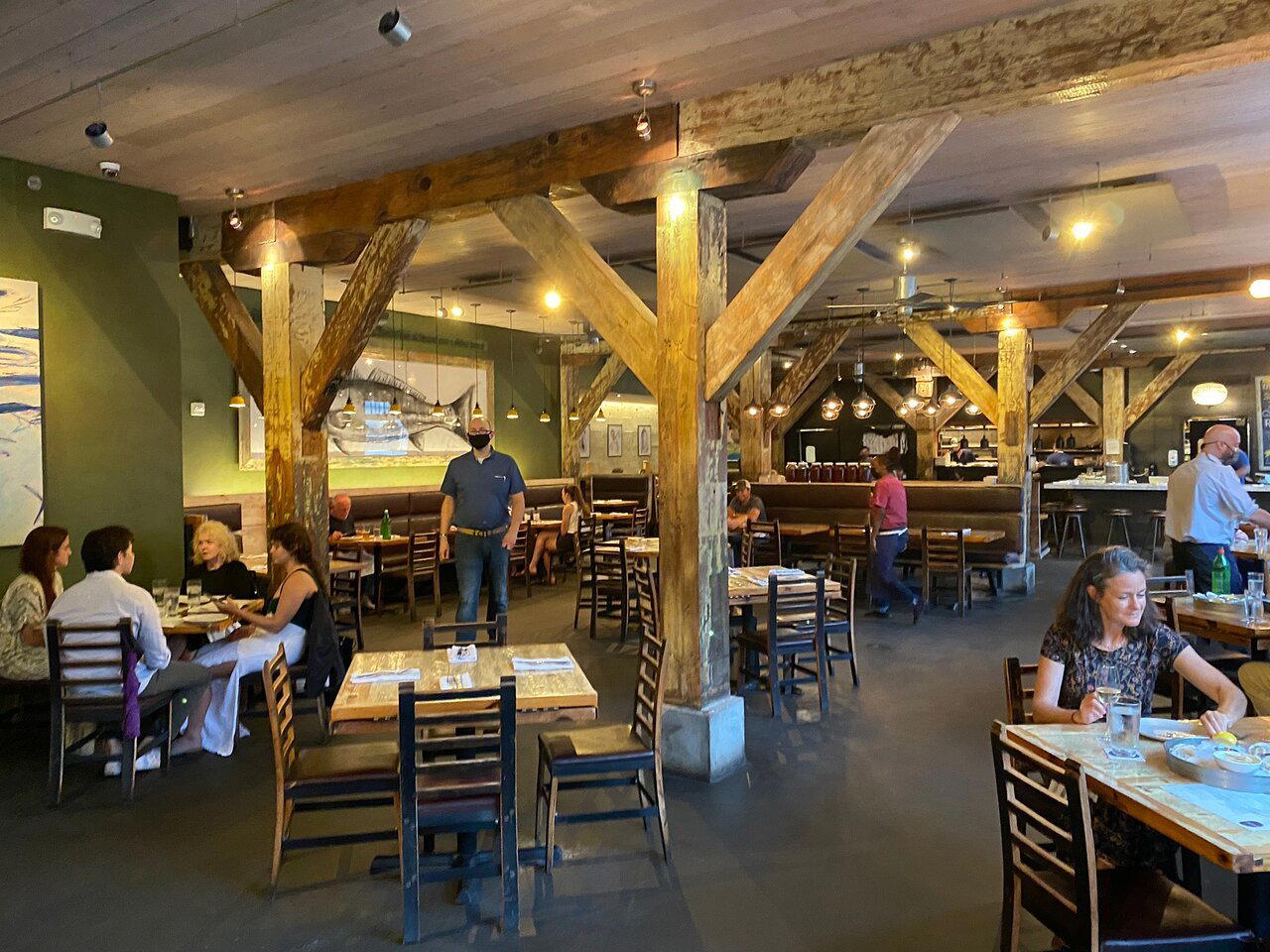
Lively and welcoming taproom with lively community events, enhanced by open-air beer garden and industrial indoor space.