On Yonge Street in midtown Toronto, MIA Brunch Bar occupies a stretch where the neighbourhood's weekend rhythm slows into something more deliberate. The format is brunch-focused, placing it alongside a tier of Toronto spots where the midday meal is treated as a destination rather than an afterthought. For visitors already familiar with the city's bar and dining scene, it reads as a local fixture rather than a tourist waypoint.
Pearl is the En Primeur Club membership app — saves, bookings, and concierge access live there. Same editors, same standards.
- Address
- 2140 Yonge St, Toronto, ON M4S 2A8, Canada
- Phone
- +1 416 322 5553
- Website
- miabrunchbar.com
- Directions
- Get directions
 Saves & bookings on Pearl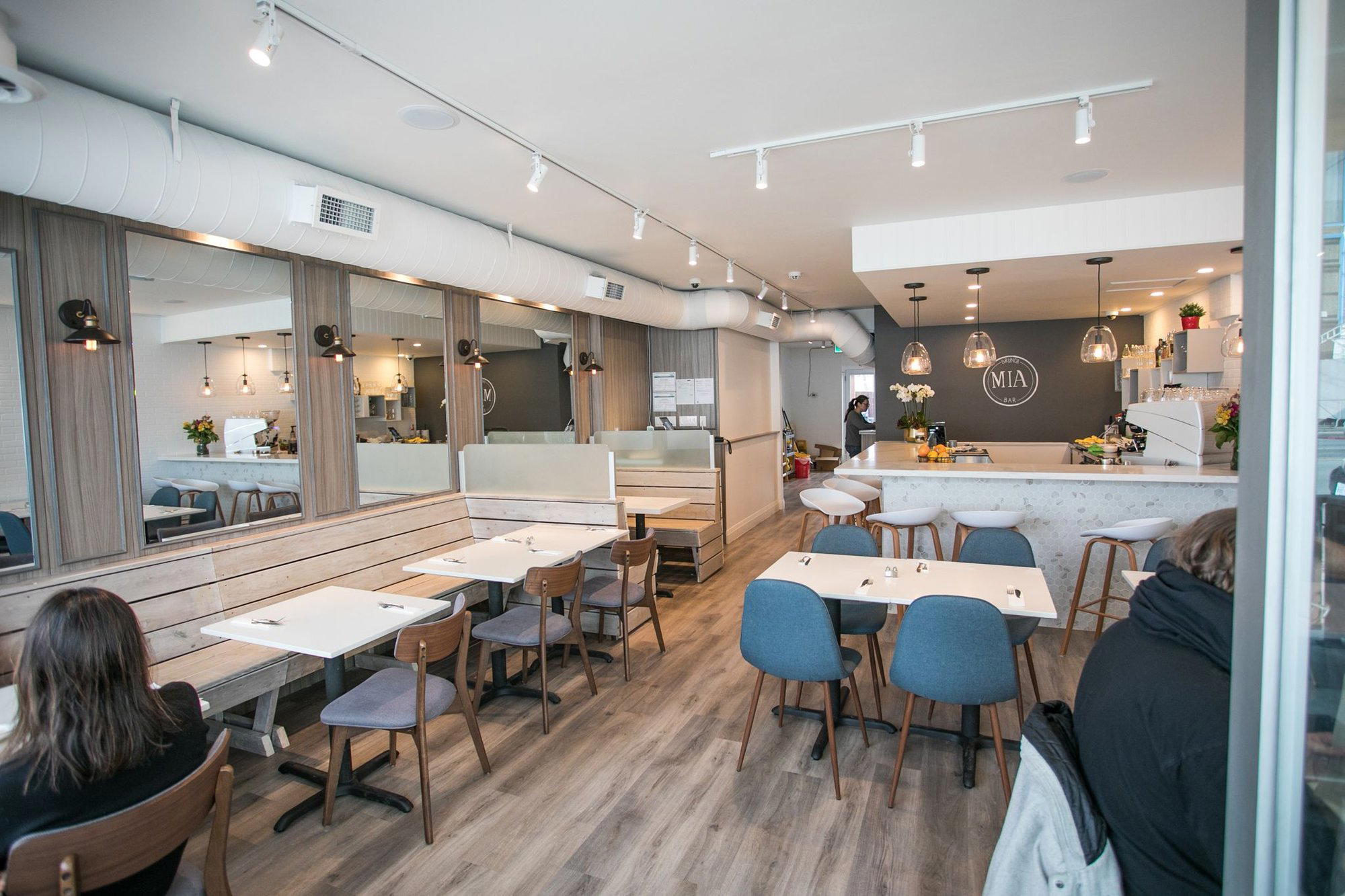
Midtown's Midday Tempo
Toronto's brunch scene has quietly stratified over the past decade. At one end sit the all-day café operators running eggs Benedict on autopilot; at the other, a smaller cohort of venues that treat the midday format with the same sourcing discipline and menu intentionality you'd expect from a dinner service. MIA Brunch Bar, at 2140 Yonge Street in midtown Toronto, positions itself in that second tier, drawing a neighbourhood crowd that returns on a weekly rather than occasional basis.
The Yonge and Davisville corridor has a particular rhythm on weekend mornings: less frenetic than King West, less transient than the downtown core. The foot traffic here is residential rather than destination-driven, which shapes the kind of venue that survives in the area. Spots that perform for out-of-towners tend to fade; those built around repeat local visits tend to hold. MIA's address on that stretch of Yonge is, in that sense, a locational signal about who it is actually serving.
The Sourcing Logic Behind a Brunch Menu
Brunch, as a format, is where ingredient sourcing decisions become most legible to a general audience. The quality gap between a well-sourced egg dish and a commodity one is harder to obscure at noon than it is under a dinner tasting menu's theatrical cover. Cities that have developed serious brunch cultures, Melbourne, New York, Montreal, have done so in part because enough operators in those cities made sourcing choices that shifted what the format could mean.
Toronto has been moving in that direction, particularly in midtown neighbourhoods where the customer base has both the time and the appetite to pay attention. The question for any brunch-focused venue on Yonge is whether the menu reflects that shift or simply trades on the format's social cachet. The distinction usually shows up not in the headliner dishes but in the smaller decisions: the provenance of the bread, the quality of the dairy, the care taken with coffee as a parallel track to food. These are the signals that distinguish a kitchen treating brunch as a craft from one treating it as a revenue window between weekend opening and dinner prep.
For context, Toronto's broader bar and dining scene has been pushing in a more ingredient-conscious direction across categories. At places like Bar Raval and Bar Pompette, sourcing and production specificity are part of the proposition, not the marketing layer over it. That same sensibility has filtered into the brunch category as the city's dining culture has matured.
Format and Feel
The brunch bar format, as a category, sits between the full-service restaurant and the casual café without fully committing to either. At its strongest, the format creates a specific permission structure for the guest: you can arrive with the intention of one drink and two courses and leave three hours later having made an afternoon of it, without feeling you've violated an implicit contract with the room. The bar component matters here, not just as an add-on but as a structural element that changes the pacing and the social register of the meal.
Midtown Toronto on a weekend morning has enough competing options that a venue running this format needs a clear point of difference. The neighbourhood draws from the residential density north of St. Clair and the younger professional population around Davisville, both of which skew toward repeat-visit patterns and specific preferences rather than novelty-seeking. A brunch venue that reads well to that demographic tends to get its sourcing right, its atmosphere calibrated, and its drink program taken seriously rather than treated as an afterthought to the food menu.
MIA's register is different: the drink program here is in service of a meal rather than the meal being an afterthought to the drinks, which places it in a different competitive frame than the city's dedicated cocktail bars.
Toronto in the Broader Canadian Context
Brunch as a serious dining format is a pan-Canadian conversation at this point, with cities developing their own distinct versions of what midday hospitality can mean. Montreal's version, visible at places like Atwater Cocktail Club, tends to blend European café timing with a distinctly local liquor culture. Vancouver's interpretation, reflected in the programming at venues like Botanist Bar, leans into the Pacific Northwest's ingredient-led aesthetic. Toronto's version is more pluralist: the city's demographic range and its density of food cultures mean the brunch format gets read and executed in genuinely different ways across different neighbourhoods.
What midtown Toronto brings to the format specifically is a customer base that is experienced enough to be demanding without being scenester-driven. The Yonge corridor doesn't attract the same opening-weekend crowds that King West generates, which means venues there tend to get built for the longer arc. That's a different kind of test than a downtown launch, and it produces a different kind of operation.
Elsewhere in Canada, the gap between a well-run brunch venue and the commodity version plays out similarly: Missy's in Calgary and Humboldt Bar in Victoria reflect regional takes on the same question of how much intention a midday format can carry. Bearfoot Bistro in Whistler and Grecos in Kingston extend that conversation into smaller markets where the format has to work harder without the density safety net of a major city. Internationally, Bar Leather Apron in Honolulu offers a point of comparison for how a bar-anchored hospitality model can translate across different geographic and cultural contexts.
Know Before You Go
| Address | 2140 Yonge St, Toronto, ON M4S 2A8 |
|---|---|
| Neighbourhood | Midtown Toronto, Yonge and Davisville corridor |
| Format | Brunch bar |
| Getting There | Davisville Station (TTC Line 1) is within walking distance along Yonge Street |
| Reservations | Reservations are recommended. |
| Hours | Mon to Fri: 9 AM to 3 PM; Sat to Sun: 9 AM to 4 PM |
At a Glance
Comparable venues nearby, for context on price, style, and recognition.
| Venue | Cuisine | Price | Notes |
|---|---|---|---|
| MIA Brunch BarThis venue — the venue you are viewing | Yonge and Eglinton, lounge | $$ | Not listed |
| Bar Neon | Not listed | $$ | Wallace Emerson, cocktail_bar |
| The Caledonian | Palmerston-Little Italy, pub | $$ | Not listed |
| Superpoint | Not listed | $$ | Trinity Bellwoods, wine_bar |
| 낭만 Nangman | Newtonbrook East, pub | $$ | Not listed |
| Paintlounge Toronto West | Palmerston-Little Italy, lounge | $$ | Not listed |
Continue exploring
More in Toronto
Bars in Toronto
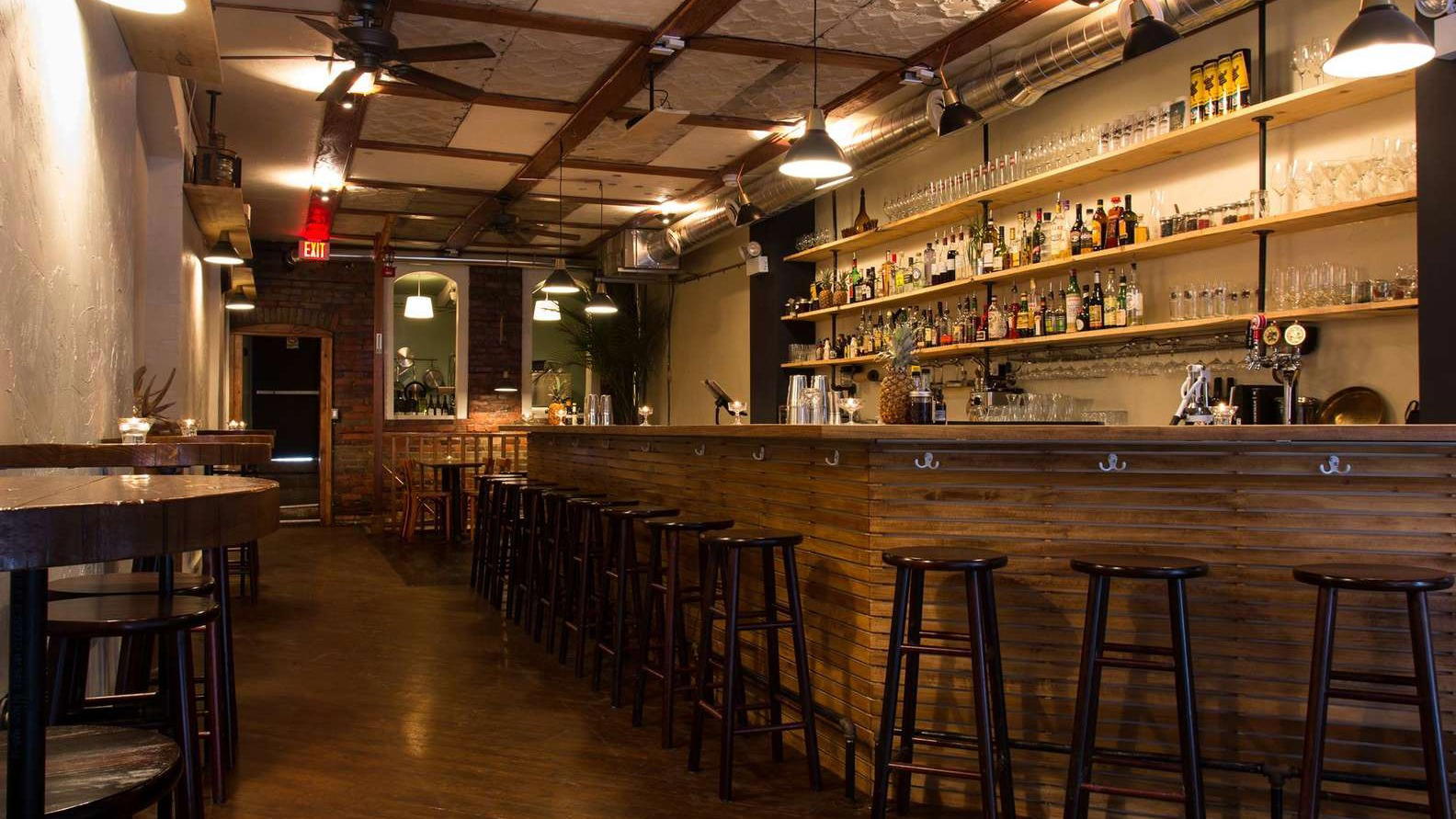
Browse all →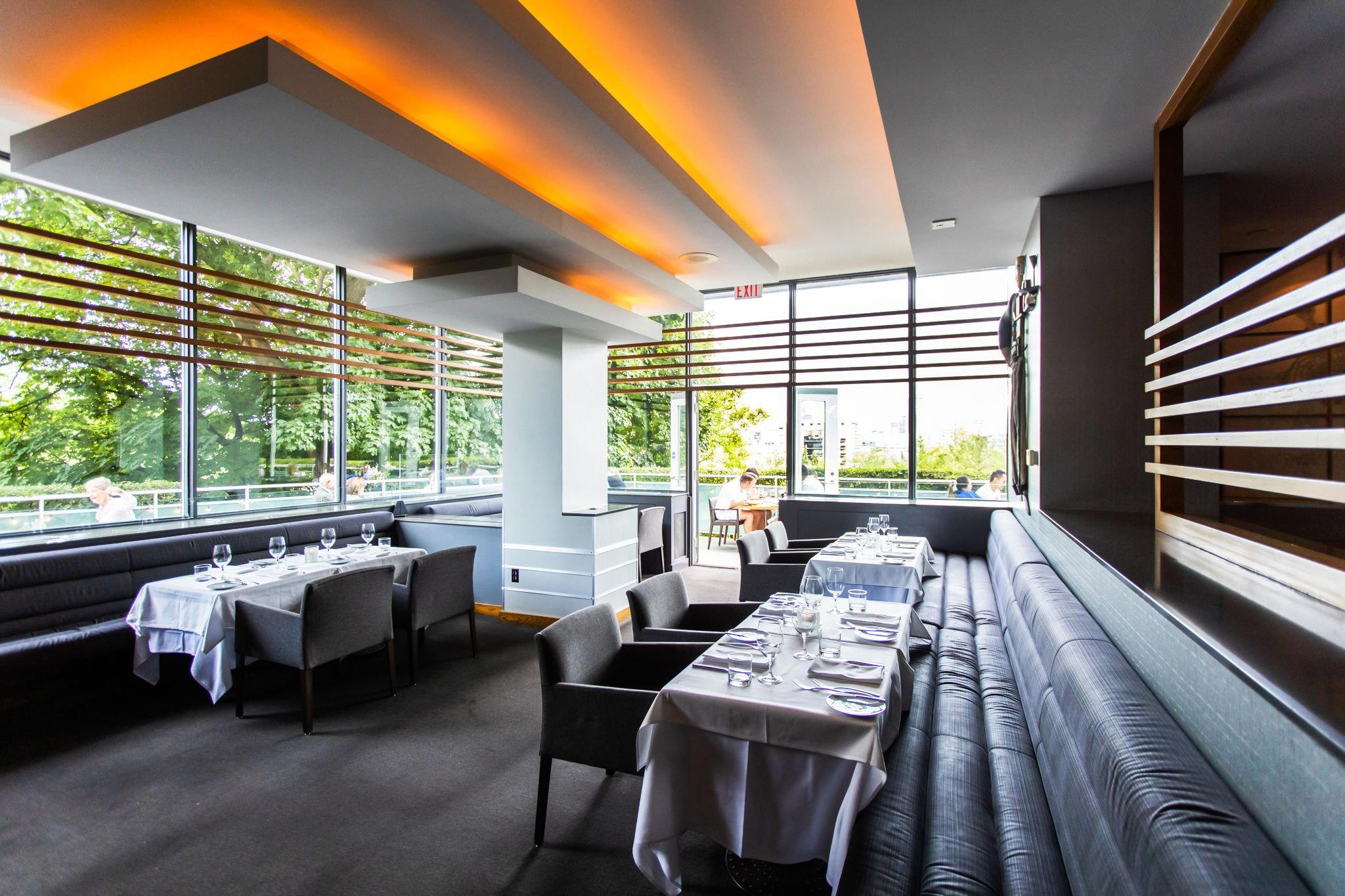
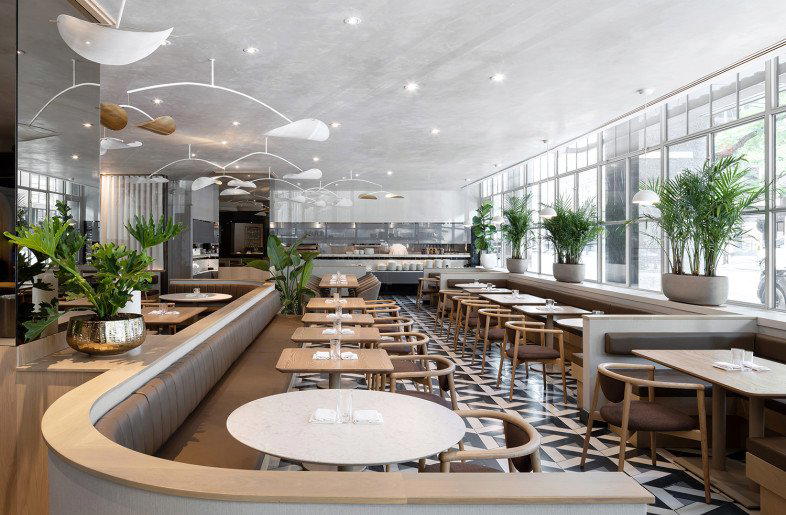
Restaurants in Toronto
Browse all →
Hotels in Toronto
Browse all →

At a Glance
- Modern
- Trendy
- Brunch
- Casual Hangout
- Standalone
- Lounge Seating
- Classic Cocktails
Current opening hours
- Monday
- 9 AM–3 PM
- Tuesday
- 9 AM–3 PM
- Wednesday
- 9 AM–3 PM
- Thursday
- 9 AM–3 PM
- Friday
- 9 AM–3 PM
- Saturday
- 9 AM–4 PM
- Sunday
- 9 AM–4 PM
Hours can change for holidays and private events. Last verified .
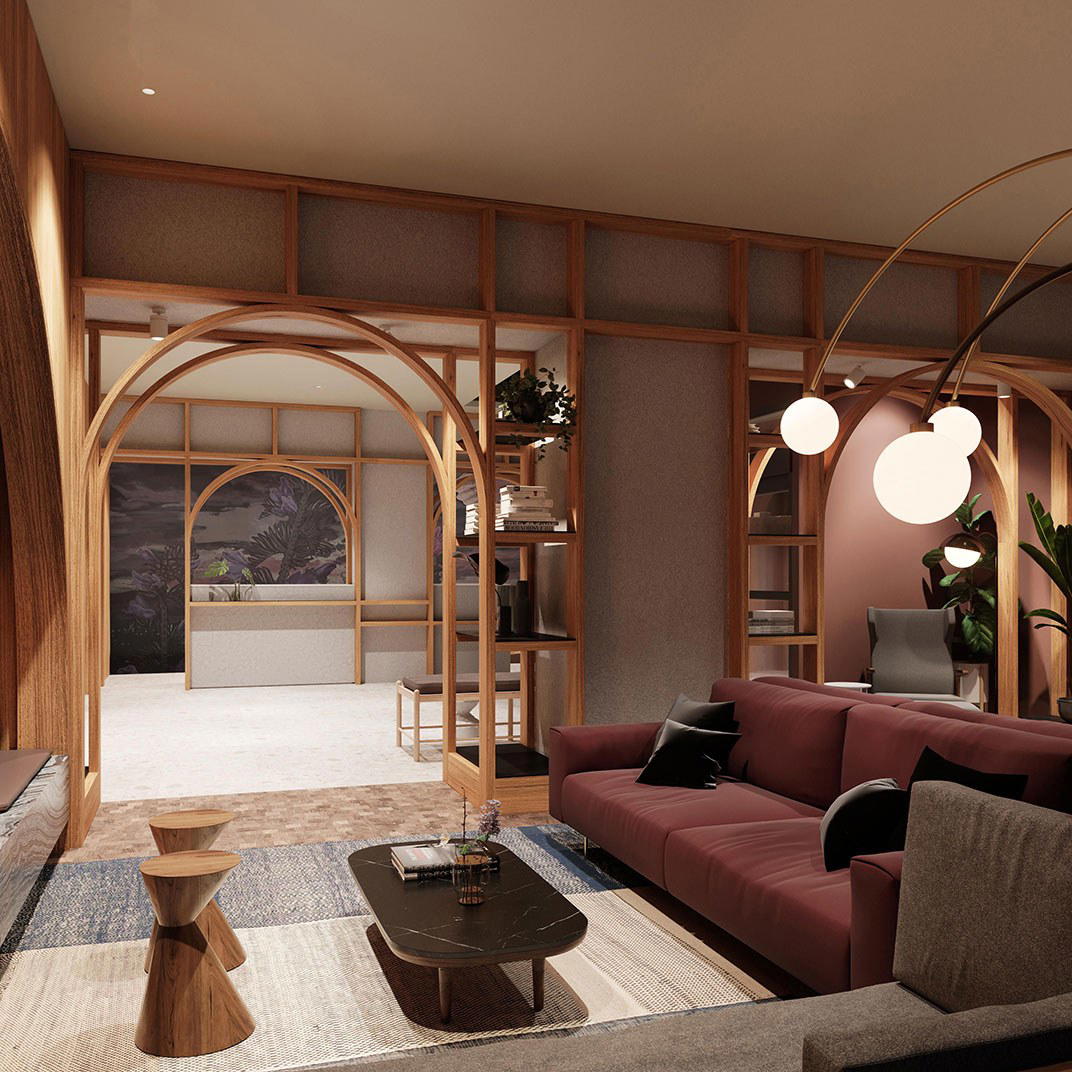
Clean, modern atmosphere with all-white decor creating a bright and snug lounge experience.