Locale Neighborhood Italian Restaurant
Tucson's neighborhood Italian category has grown more considered in recent years, and Locale on Alvernon Way sits within that shift, a room-forward Italian address in the midtown corridor where the physical environment carries as much editorial weight as the menu. For visitors mapping Tucson's dining scene against its more prominent downtown competitors, Locale represents the midtown case for slower, more residential dining.
Pearl is the En Primeur Club membership app — saves, bookings, and concierge access live there. Same editors, same standards.
- Address
- 60 N Alvernon Way, Tucson, AZ 85711
- Phone
- +1 520 398 7553
- Website
- localetucson.com
- Directions
- Get directions
 Saves & bookings on Pearl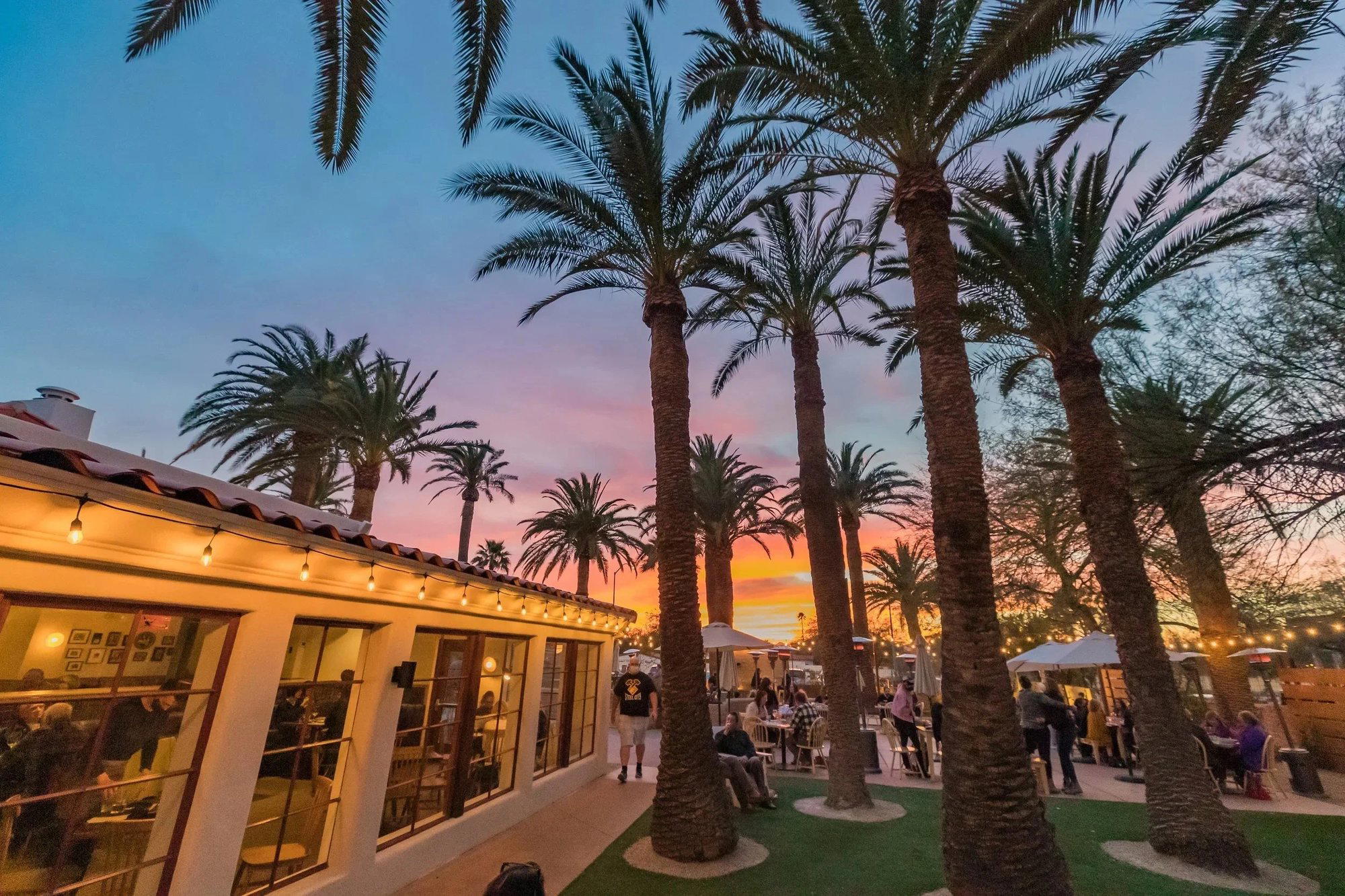
The Room First: What Midtown Tucson's Italian Scene Looks Like in Practice
Tucson's dining geography divides loosely into two operating zones. Downtown and the barrio districts attract visitors by default, Barrio Viejo and the Hotel Congress corridor carry the foot traffic and the press attention. Midtown, anchored by streets like Alvernon Way, operates differently: it draws from a residential base, sustains through repeat visits rather than tourist cycles, and tends to build identity around the physical character of the space rather than the spectacle of the menu. Locale Neighborhood Italian Restaurant, a bar at 60 N Alvernon Way in Tucson, belongs to this quieter, more sustained tier of Tucson dining.
The neighborhood Italian format, mid-scale, community-facing, focused on consistent execution over rotating tasting menus, is not new to American cities. What Tucson's version of it looks like in practice is shaped by the market: a city with real estate that allows for generous square footage without the pricing pressure of denser urban cores, a desert climate that influences how indoor-outdoor transitions are handled, and a dining public that is less trend-reactive than its coastal equivalents. Those conditions tend to produce rooms that feel more settled and less performative than their equivalents in Phoenix or Scottsdale.
Design and Space: The Physical Container as Argument
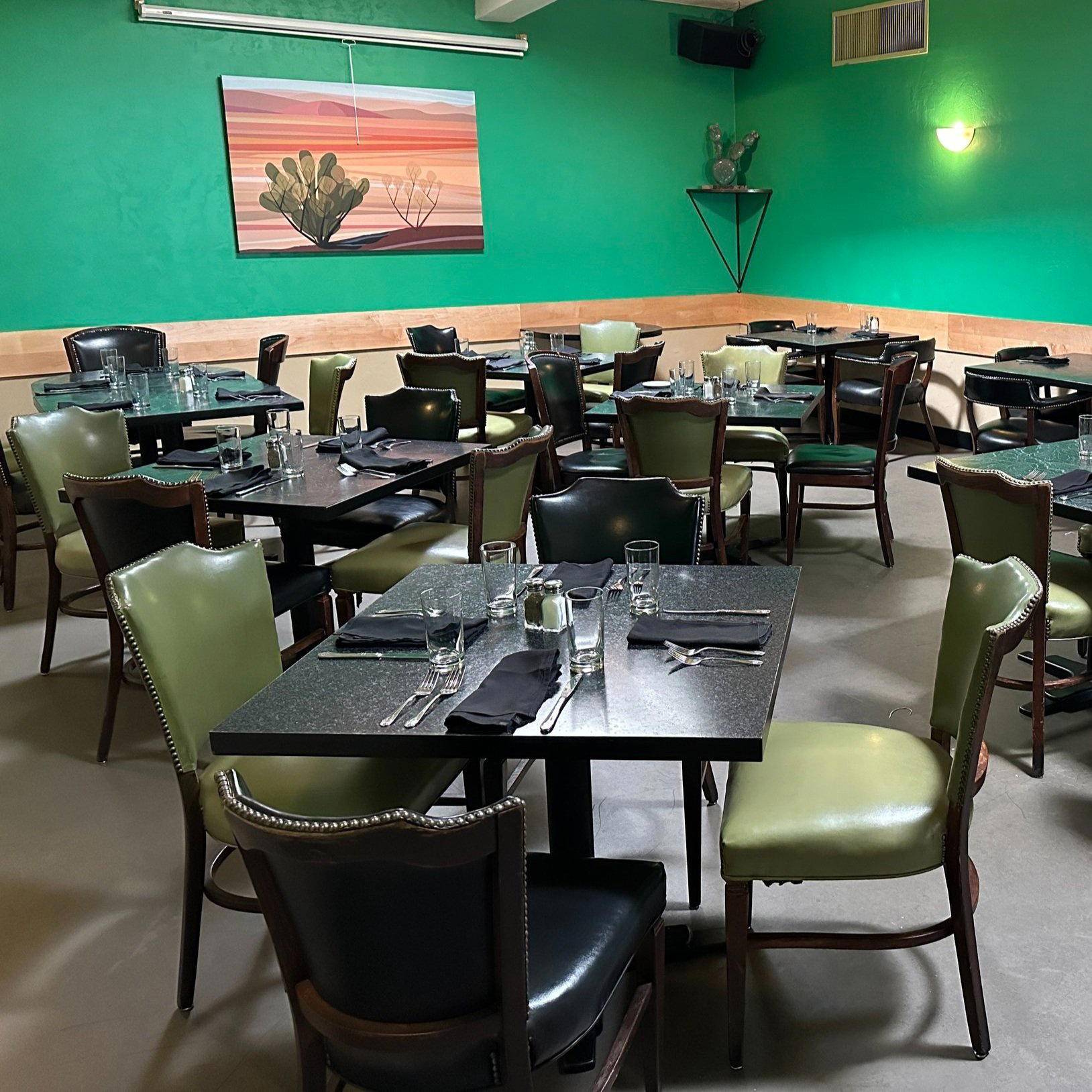
The editorial case for Locale starts with what kind of space it occupies in Tucson's midtown band. Neighborhood Italian restaurants in American midsize cities have historically operated in one of two modes: the red-checkered-tablecloth tradition that leans into nostalgia, or the stripped-back contemporary format that trades warmth for clean lines. The more interesting middle position, rooms that feel locally rooted without being retrospective, is harder to sustain and, when it works, tends to define a venue's longevity more than any single dish.
Alvernon Way is a commercial corridor that sits between the university district to the north and the older residential fabric to the south and east. The strip context matters: venues here are competing for the dinner-out decision against a residential familiarity that makes the bar for atmosphere higher, not lower. A room in this position needs to work as a genuine destination, not a default. The midtown Italian model that functions at this level typically does so through a combination of spatial warmth, deliberate lighting design, and a layout that gives tables enough acoustic separation to make conversation the primary activity.
For diners cross-referencing Tucson's options, from the bar-forward programming at Bar Crisol/Exo or the more communal setting of Barrio Brewing Co, Locale's format represents a different set of priorities. The emphasis is on the sit-down Italian room rather than the bar counter or the brewing hall, which positions it as the quieter evening option in a city whose more recognizable drinking and dining addresses skew noisier.
Neighborhood Italian in the American Southwest: What the Category Means
The neighborhood Italian restaurant is among the more durable formats in American dining, and also among the more scrutinized. The category stretches from family-run trattorias with forty-year histories to modern interpretations that source Italian technique but apply it to local ingredients. What makes the format cohere is not the menu taxonomy, pasta, protein, wine, but the social contract between room and guest: you come back, you bring people you want to talk to, the food is competent and not theatrical, and the evening does not demand performance from either side of the table.
In Tucson specifically, the Italian category sits in an interesting position relative to the city's dominant culinary identity, which is rooted in Sonoran Mexican cuisine and the traditions that earned Tucson its UNESCO Creative City of Gastronomy designation in 2015. Italian is not the defining thread of Tucson's food culture, which means neighborhood Italian restaurants here operate without the category weight of a New York or Chicago, where the Italian-American tradition is so embedded that any new entrant competes against decades of institutional memory. That relative absence of category saturation can work in a venue's favor: diners are less likely to come in with fixed expectations and more likely to evaluate the room and the food on their own terms.
Where It Sits in a Broader Tucson Evening
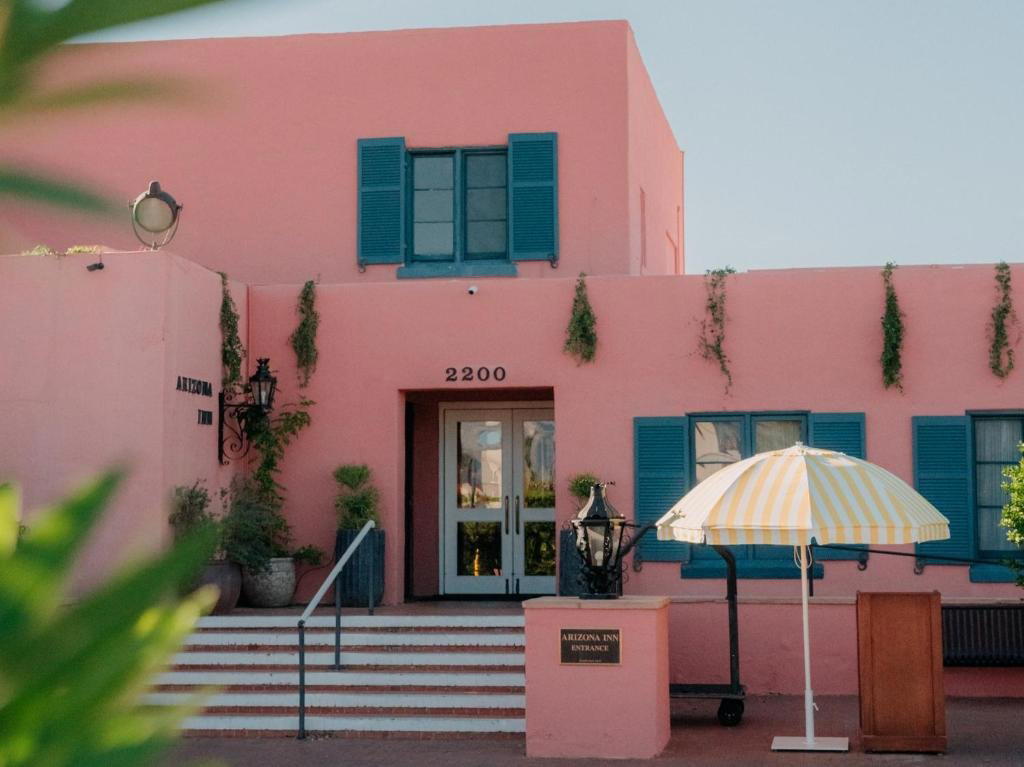
For visitors building a multi-stop Tucson itinerary, Locale's midtown position creates a different evening rhythm than a downtown-anchored dinner. The proximity to the Alvernon corridor means it pairs naturally with a pre-dinner drink at one of Tucson's more established bars rather than functioning as a standalone downtown event. Anyone mapping a longer Tucson bar and dining sequence might use venues like the Arizona Inn, whose bar operates within one of the city's more historically grounded properties, as an anchor on either end of the evening.
For context on how Tucson's neighborhood dining compares to its peer cities' more prominent cocktail and dining addresses, the contrast is instructive. Technically sophisticated bar programs in cities like Honolulu at Bar Leather Apron, the heritage-inflected service at Jewel of the South in New Orleans, the Japanese-technique precision of Kumiko in Chicago, or the spirit-forward editorial at ABV in San Francisco all operate in higher-density competitive markets where the category conversation is more developed. Tucson's neighborhood Italian operates at a different register, less competitive pressure, more community-facing, which shapes both its ambitions and its appeal.
Comparable frameworks apply in cities like Houston, where the neighborhood dining format at venues like Julep sits alongside more casual-format competitors, and in New York, where Superbueno represents the kind of neighborhood-anchored address that builds through residential repeat. The dynamics differ, but the underlying format logic, room over spectacle, consistency over novelty, connects them. The Parlour in Frankfurt offers a European parallel: a bar-adjacent space that earns its place through character rather than category dominance.
Planning a Visit
Locale sits on Alvernon Way in Tucson's midtown band, accessible by car from both the university district to the north and central Tucson's main hotel corridor. For visitors without a vehicle, the Alvernon corridor is served by Tucson's surface transit network, though the timing practicalities of a dinner visit make a rideshare the more direct option. Booking details, current hours, and any reservation requirements are best confirmed directly through the venue. For a broader orientation to Tucson's dining options across neighborhoods and categories, see our full Tucson restaurants guide.
The Short List
Comparable venues nearby, for context on price, style, and recognition.
| Venue | Cuisine | Price |
|---|---|---|
| Locale Neighborhood Italian RestaurantThis venue — the venue you are viewing | Not listed | $$ |
| Lindy's on 4th | West University, pub | $$ |
| The Cork Tucson | East Side, steakhouse | $$$ |
| Fresco Pizzeria & Pastaria | midtown, Bar | $$ |
| Samurai Sombrero | East Side, Bar | $$ |
| Blue Willow Restaurant & Gift Shop | Campbell Avenue, lounge | $$ |
At a Glance
- Rustic
- Cozy
- Lively
- Date Night
- Casual Hangout
- Historic Building
- Courtyard
- Outdoor Terrace
- Lounge Seating
- Classic Cocktails
Current opening hours
- Monday
- Closed
- Tuesday
- 11 AM–9 PM
- Wednesday
- 8 AM–9 PM
- Thursday
- 8 AM–9 PM
- Friday
- 11 AM–10 PM
- Saturday
- 11 AM–10 PM
- Sunday
- 8 AM–9 PM
Hours can change for holidays and private events. Last verified .
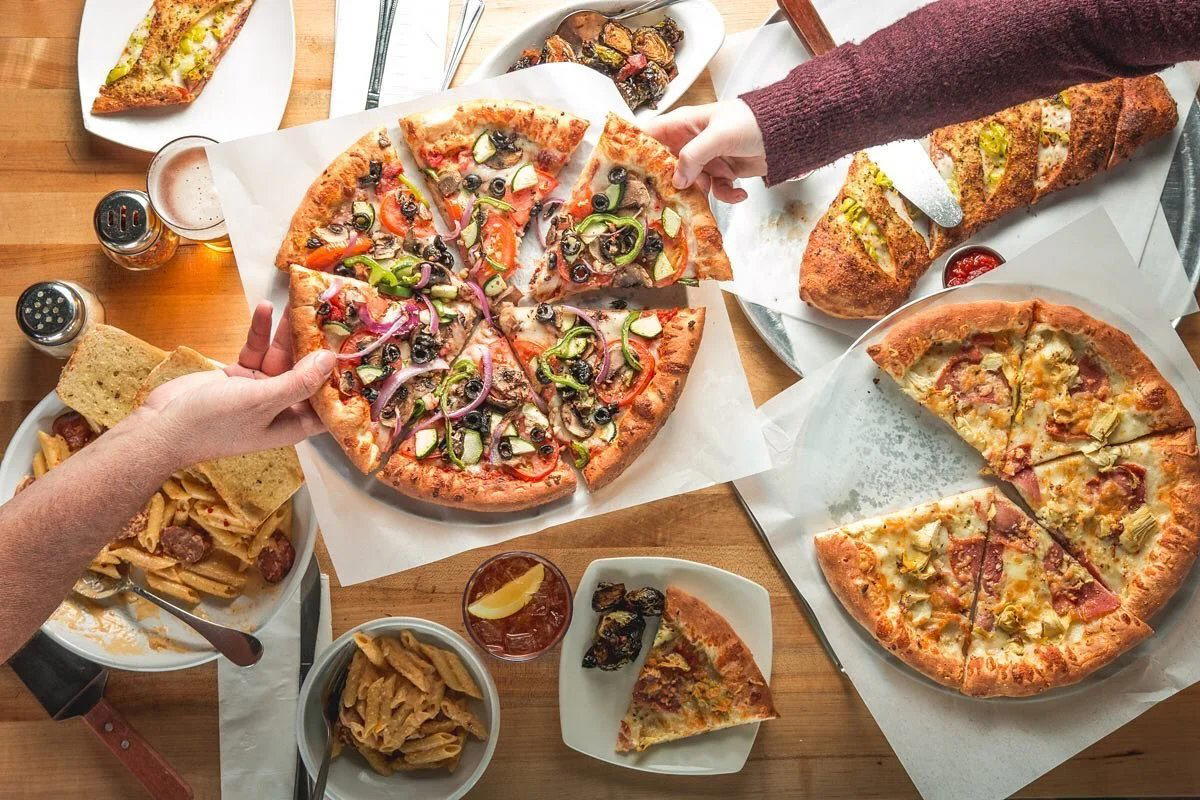
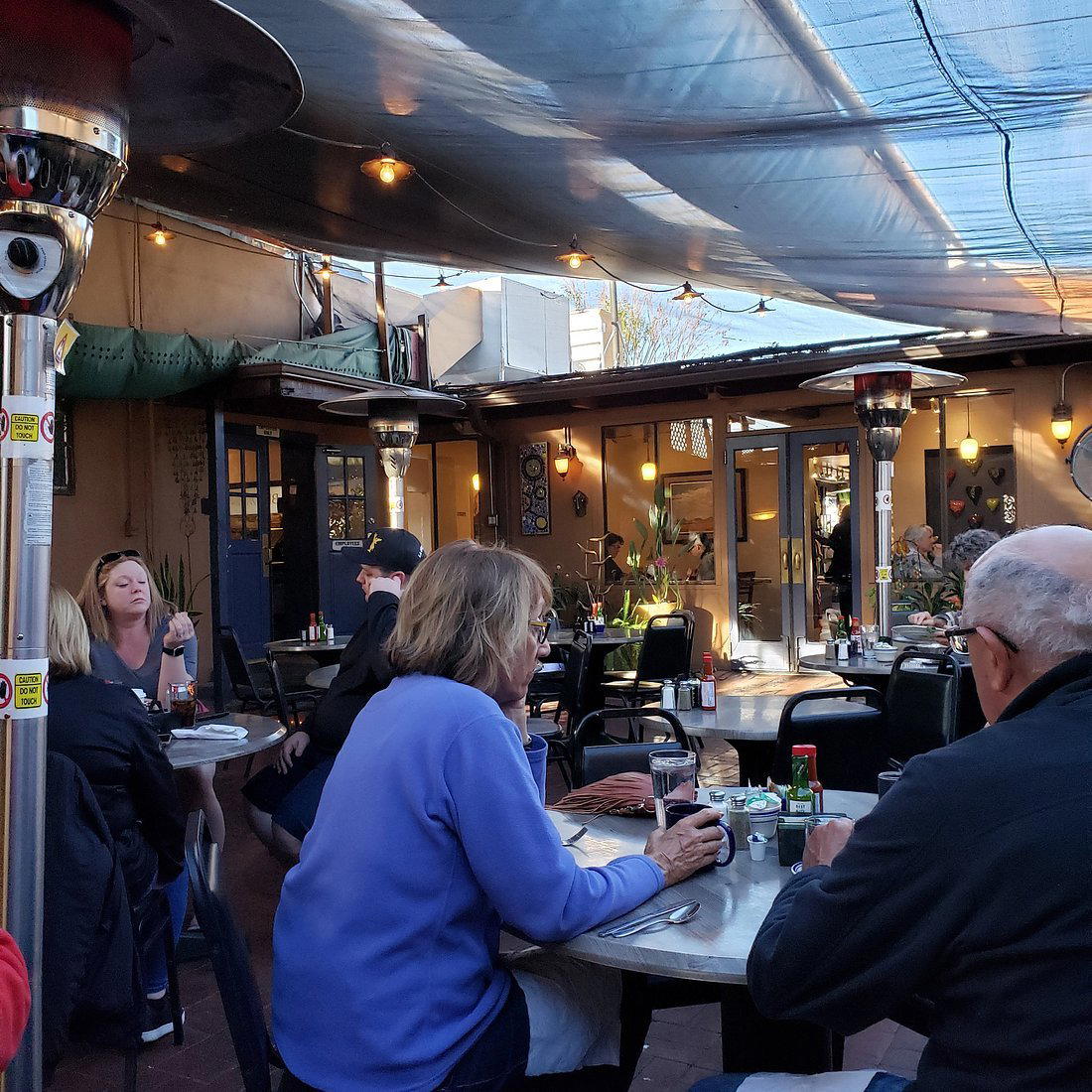
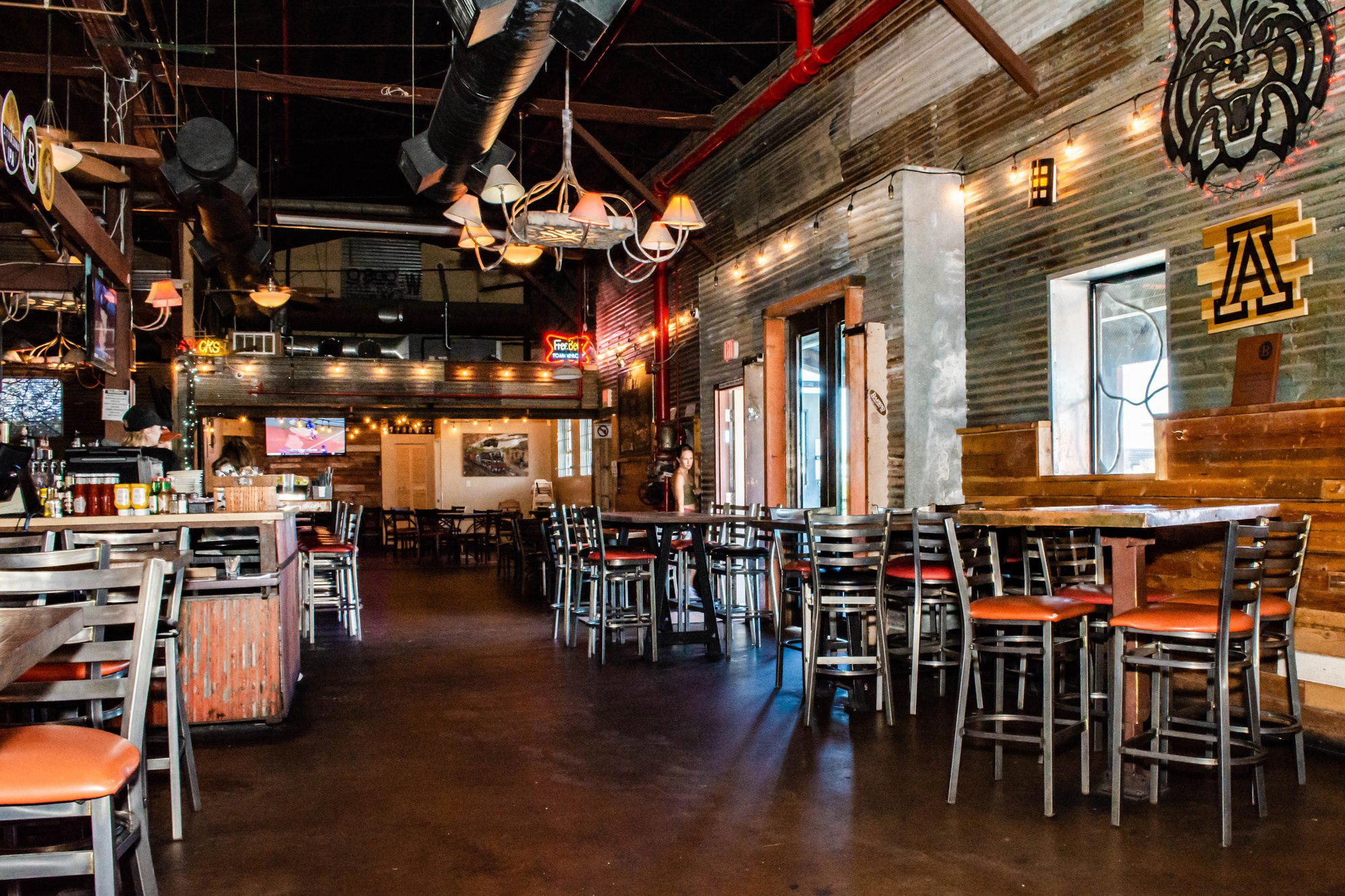
rustic Italian farmhouse atmosphere with spacious dining rooms and lively outdoor patio shaded by palm trees.