Mercury Ballroom
Mercury Ballroom occupies a restored early-20th-century hall at 611 S 4th St in Louisville's downtown core, functioning as one of the city's primary mid-capacity live music venues. The building's ornate interior, tiered balconies, decorative plasterwork, a sprung hardwood floor, frames a program that runs from national touring acts to regional headliners, placing it firmly in Louisville's broader bourbon-and-music cultural circuit.
Pearl is the En Primeur Club membership app — saves, bookings, and concierge access live there. Same editors, same standards.
- Address
- 611 S 4th St, Louisville, KY 40202
- Phone
- +1 502 583 4555
- Website
- mercuryballroom.com
- Directions
- Get directions
 Saves & bookings on Pearl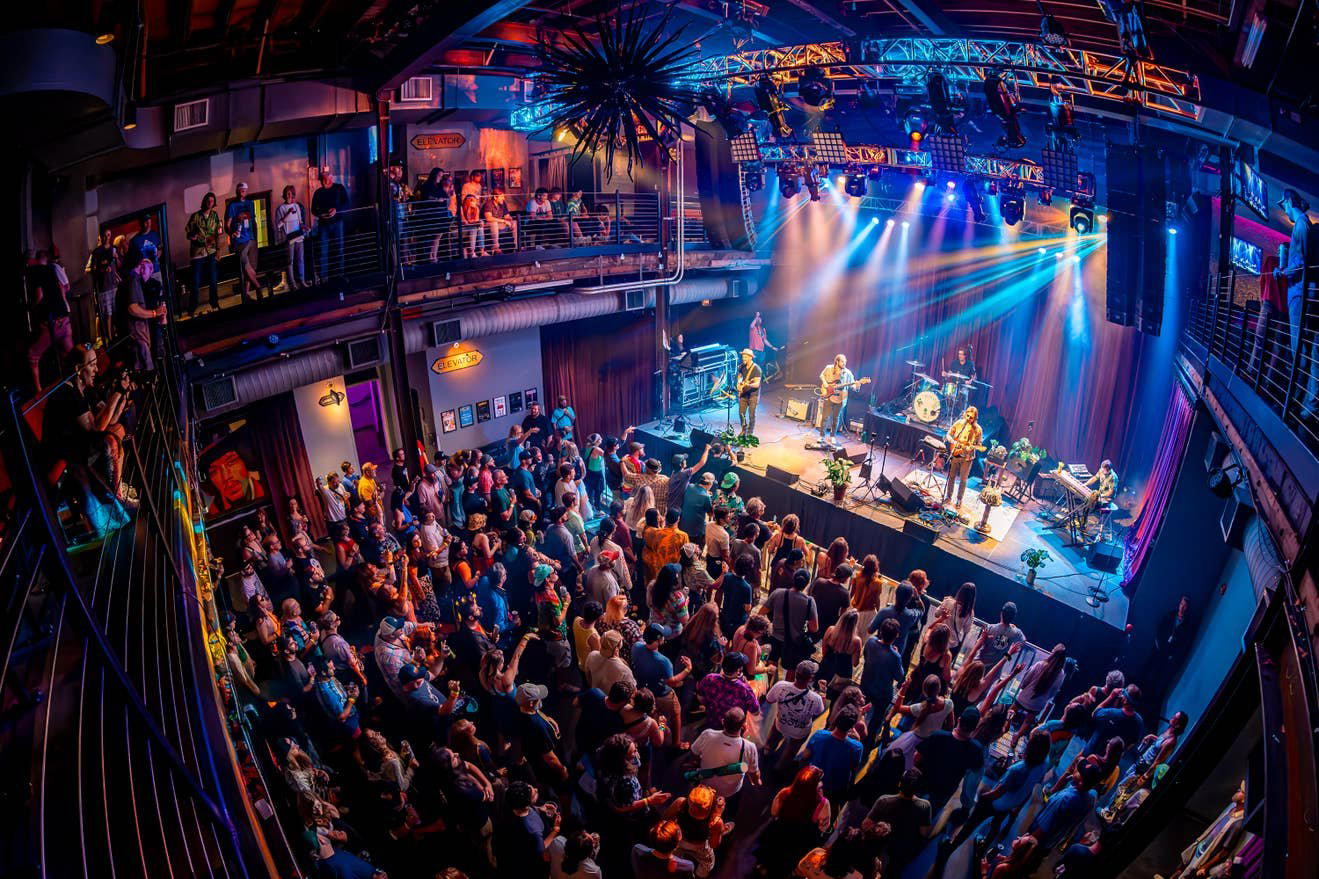
A Hall Built for the Room, Not the Headliner
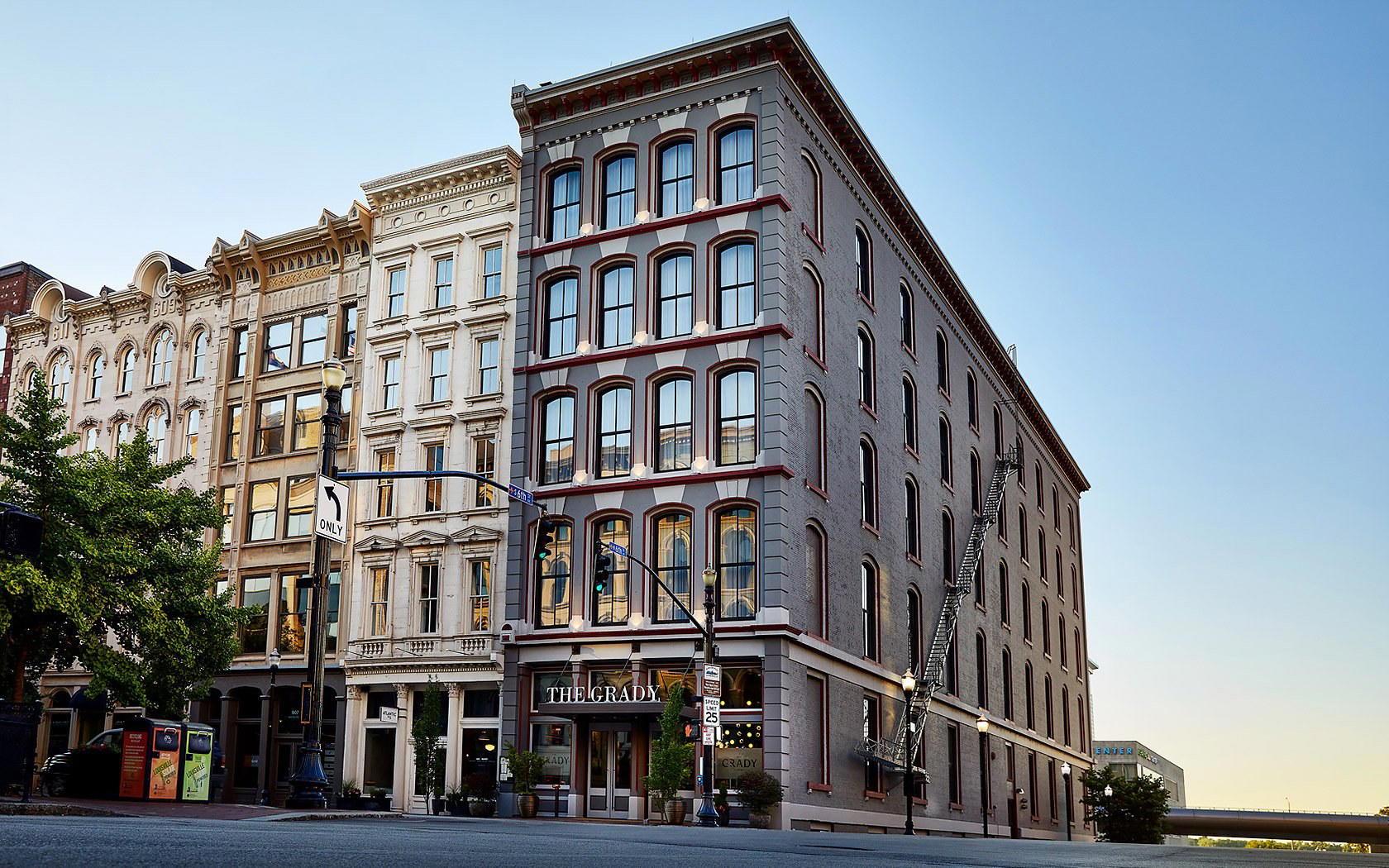
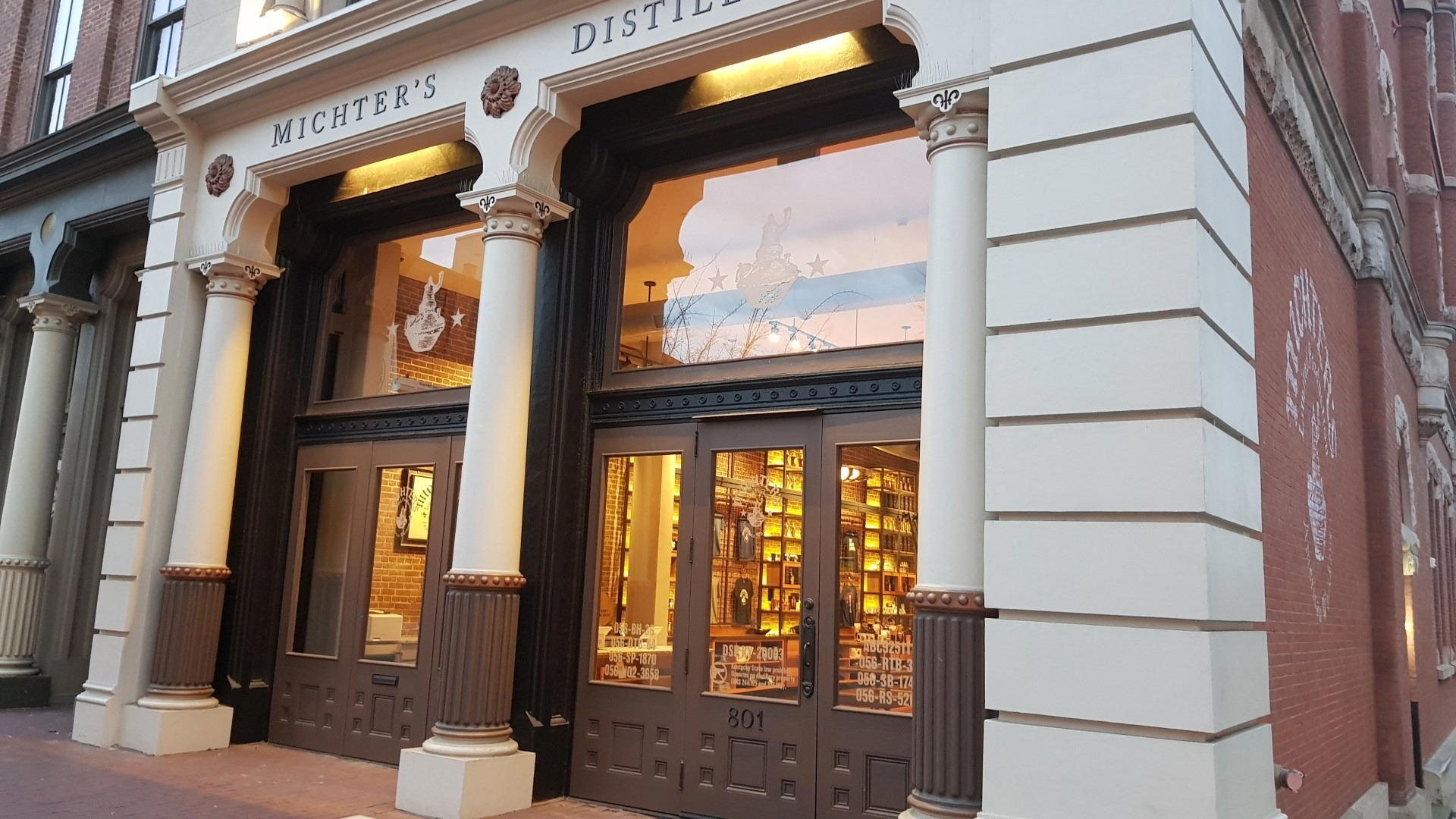
Walk south on 4th Street toward the old theater district and Mercury Ballroom announces itself through architecture before any marquee does. The building's facade carries the proportions of early 20th-century public entertainment halls: high ceilings visible even from the sidewalk, a lobby scale that signals a venue designed for occasion rather than convenience. Louisville has a small cluster of mid-capacity rooms in its downtown core, and Mercury Ballroom occupies a distinct tier within that group, large enough to host touring acts, intimate enough that most sight lines from the balcony hold.
That tension between scale and intimacy is what defines the ritual of an evening here. Unlike the city's largest arena formats, where the crowd absorbs the performer, Mercury Ballroom keeps the room in conversation with the stage. The ornate plasterwork and tiered balcony structure create natural gathering points, and the sprung hardwood floor on the main level means standing audiences have physical feedback from the room, a detail that matters more than it sounds when a show reaches full volume.
Louisville's Live Music Circuit and Where This Room Fits
Louisville sits at an interesting crossroads in the American touring calendar. It draws acts moving between Nashville and Chicago, between the mid-Atlantic and the Midwest, and its downtown venues have historically benefited from that geography. The bar, at 611 S 4th St, is positioned within walking distance of the hotel corridor along 4th Street, which makes it a practical anchor for out-of-town visitors who want to build an evening around a show rather than plan logistics around it.
The city's entertainment and hospitality identity has grown sharper over the past decade, driven partly by bourbon tourism infrastructure and partly by investment in the NuLu and downtown corridors. The bar predates much of that recent development wave, giving it a kind of institutional credibility that newer venues are still accumulating. It belongs to the same broad scene as the cocktail programs at 8UP refined Drinkery & Kitchen, bar Vetti, and Big Bar, venues that collectively define what a considered downtown Louisville evening looks like for visitors who want more than a single bourbon stop.
The Ritual of Arriving and Settling In
The customs of a bar evening follow a format familiar to anyone who has attended shows in restored historic rooms across American cities: doors open well ahead of the set, the room fills gradually from the bar outward, and the question of floor versus balcony becomes a deliberate choice rather than a default. The balcony is the better call for those who want to watch the room as much as the stage, the sightlines across the main floor, the way the crowd density shifts as opening acts give way to headliners, is its own kind of information about how Louisville turns out for live music.
Floor offers proximity and the physical energy of a standing crowd on that sprung hardwood, which suits certain genres and touring formats better than a seated hall would. This adaptability, the room's ability to function as both an attentive listening space and a kinetic crowd venue, is what keeps it in rotation for a wide range of booking formats.
For visitors integrating a bar show into a wider Louisville itinerary, the 4th Street address connects easily to the city's broader bourbon circuit. The rituals of bourbon service in Louisville, the reverence around single barrels, the patience with proper glassware, translate well to the pre-show hour, and several bars within walking distance program their evenings with that overlap in mind. For context on how Louisville's cocktail culture approaches its own service and pacing, it's worth comparing the city's scene against programs elsewhere: Jewel of the South in New Orleans, Julep in Houston, and Kumiko in Chicago each illustrate how Southern and Midwestern bar programs have developed distinct service rituals that reward the same kind of deliberate pacing a live music evening requires.
What the Room Rewards
The bar rewards audiences who treat the venue as the destination rather than the container. The building's proportions, the ceiling height, the acoustic properties of plaster and wood, the way sound behaves differently on the floor versus the balcony, are part of what you are attending. Restored historic rooms of this type have become a specific subgenre of American live music infrastructure, and they require a slightly different mode of attention than a modern purpose-built club. The imperfections are load-bearing: the sight-line quirks, the bar placement, the way the room heats up as capacity fills.
Internationally, venues in this category sit in a recognizable comparable set. Programs that prioritize craft service within historic or architecturally significant spaces, Bar Leather Apron in Honolulu, ABV in San Francisco, META, Superbueno in New York City, and The Parlour in Frankfurt on the Main, reflect the same underlying logic: that environment shapes experience as much as programming does.
Planning Your Visit
The bar sits at 611 S 4th St, Louisville, KY 40202, in the downtown theater district. Show schedules vary by touring calendar, and ticket availability for higher-demand bookings can move quickly through primary and secondary channels, checking the venue's own program in advance is advisable for anyone building a trip around a specific date. The 4th Street location puts it within a short walk of most downtown hotels, making it a practical anchor for an evening that begins with dinner in NuLu or a cocktail at one of the established bars in the corridor before the show.
Cost and Credentials
Comparable venues nearby, for context on price, style, and recognition.
| Venue | Cuisine | Price | Notes |
|---|---|---|---|
| Mercury BallroomThis venue — the venue you are viewing | Not listed | $$ | Not listed |
| North of Bourbon | Not listed | $$ | Germantown, cocktail_bar |
| Shirley Mae’s Cafe | Smoketown, pub | $ | Not listed |
| Decade | Not listed | $$$ | Butchertown, cocktail_bar |
| bar Vetti | Not listed | $$ | Phoenix Hill, wine_bar |
| Perso | Not listed | $$ | Germantown, cocktail_bar |
Continue exploring
More in Louisville
Bars in Louisville
Browse all →
Restaurants in Louisville
Browse all →
Hotels in Louisville
Browse all →
At a Glance
- Lively
- Energetic
- Well Known
- Group Outing
- Celebration
- Live Music
- Historic Building
- Standing Room
- Lounge Seating
- Classic Cocktails
Current opening hours
- Monday
- 12–5 PM
- Tuesday
- 12–5 PM
- Wednesday
- Closed
- Thursday
- Closed
- Friday
- 12–5:30 PM
- Saturday
- Closed
- Sunday
- Closed
Hours can change for holidays and private events. Last verified .
Eclectic atmosphere with cool Southern charm, adorned with rock and roll legend decor like Jimi Hendrix and Loretta Lynn.