Mable's Smokehouse & Banquet Hall
Mable's Smokehouse & Banquet Hall on Berry Street in Williamsburg sits at the intersection of low-and-slow American barbecue tradition and Brooklyn's conscientious sourcing culture. The banquet hall format makes it a natural gathering point for groups, while the smokehouse pedigree keeps it grounded in craft over spectacle. It occupies a distinct position in New York's broader conversation about regional cooking done with some degree of accountability.
Pearl is the En Primeur Club membership app — saves, bookings, and concierge access live there. Same editors, same standards.
- Address
- 44 Berry St, Brooklyn, NY 11249
- Phone
- +1 718 218 6655
- Website
- mablessmokehouse.com
- Directions
- Get directions
 Saves & bookings on Pearl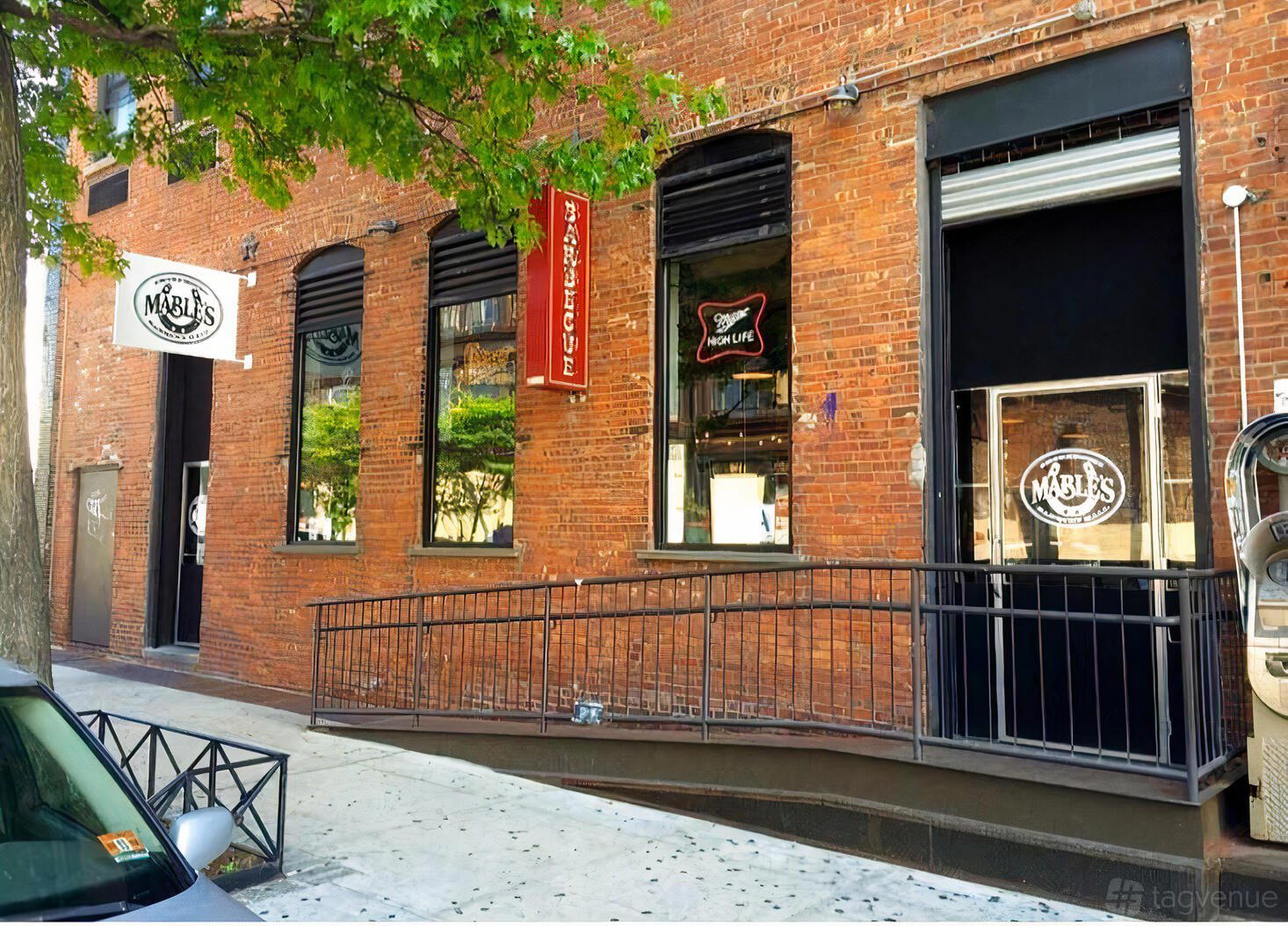
Berry Street in Williamsburg has a particular quality in the late afternoon: the smell of wood smoke arrives before the signage does. That sensory cue is not incidental to Mable's Smokehouse & Banquet Hall, it is part of the experience. In a borough that has spent two decades cycling through dining trends, a working smokehouse represents a specific kind of conviction. Barbecue is slow, wasteful of energy unless managed carefully, and deeply American in its regional politics. That Mable's has made it work in New York City speaks to the city's appetite for smokehouse cooking.
Barbecue in Brooklyn: What the Category Actually Demands
American barbecue carries more regional freight than almost any other cooking tradition in the country. The Texas brisket school, the Carolina whole-hog purists, the Kansas City glaze adherents, each camp treats the others' methods with the kind of suspicion usually reserved for rival sports franchises. New York has never had a strong indigenous barbecue identity, which paradoxically gave a new generation of smoke-focused operators room to define their own terms rather than defend inherited ones. Williamsburg, with its tolerance for culinary hybridity and its population comfortable spending money on craft food, became a natural incubator for this kind of project.
The broader challenge for any urban smokehouse is scale. Traditional pit operations are among the more resource-intensive formats in the restaurant world: hours of fuel burn, significant protein volume, and a supply chain that rewards scale over traceability. The operators who build durable reputations in this space tend to think carefully about sourcing, waste, and wood supply. That discipline matters in New York dining.
The Banquet Hall Format and What It Gets Right
The dual identity in the name, smokehouse and banquet hall, does real work. Banquet-format dining, with its long tables, shared platters, and group-oriented rhythm, is structurally better suited to barbecue than the individual-plate restaurant model. Smoked meats are meant to be argued over, portioned communally, and accompanied by sides that function as the actual nutritional backbone of the meal. Collard greens, mac and cheese, cornbread, beans: these are not garnishes in the fine-dining sense. They carry the meal and, in responsible operations, represent the lower-impact portion of the menu where plant-forward sourcing can offset the carbon weight of the proteins.
Banquet hall configuration also changes the economics of waste. When a kitchen is cooking for tables rather than individual covers, it can manage production volume more predictably, which reduces the end-of-night surplus that drives food waste in à la carte operations. For a smokehouse specifically, where the cook times are fixed regardless of final demand, that predictability is genuinely valuable. New York's more thoughtful smoke-forward operators have moved in this direction precisely because the format disciplines the kitchen.
Williamsburg as Context
Address at 44 Berry Street places Mable's in a part of Williamsburg that runs closer to the waterfront than to the denser commercial corridors of Bedford Avenue. That positioning matters for atmosphere: the street has a lower-decibel character than the blocks further inland, and the neighbourhood retains enough of its pre-gentrification industrial texture to make a working smokehouse feel contextually appropriate rather than ironic. Brooklyn's dining culture has bifurcated over the past decade between venues that perform casualness while charging fine-dining prices, and venues that are genuinely casual in format and priced accordingly. The smokehouse-and-banquet-hall model sits in the latter category almost by definition.
For visitors building a broader New York itinerary around independent, character-specific venues, the borough continues to offer alternatives to Manhattan's more formal register. The city's cocktail culture, for instance, runs the gamut from technically precise programs at places like Attaboy NYC and Angel's Share to the more spirits-education-focused approach at Amor y Amargo, and the inventive Latin-inflected program at Superbueno. A meal at a Williamsburg smokehouse pairs logically with an evening that moves toward any of these. For a wider sense of how New York's independent dining culture is structured, our full New York City restaurants guide maps the territory by neighbourhood and category.
For readers who track how American cities are each developing their own serious bar and dining scenes, the pattern is consistent: craft-led, process-conscious operations are building durable audiences across the country. Julep in Houston and Jewel of the South in New Orleans represent that shift in Southern drinking culture; Kumiko in Chicago and ABV in San Francisco carry it on the coasts. Further afield, Bar Leather Apron in Honolulu, Allegory in Washington, D.C., and The Parlour in Frankfurt on the Main extend the map internationally. The Williamsburg smokehouse sits inside this broader pattern of venues that lead with craft and format discipline.
Know Before You Go
| Address | 44 Berry St, Brooklyn, NY 11249 |
|---|---|
| Neighbourhood | Williamsburg, Brooklyn |
| Format | Smokehouse and banquet hall |
| Getting There | The L train to Bedford Avenue is the standard approach; Berry Street is a short walk toward the waterfront from that stop |
| Booking | |
| Price Range | About $40 per person |
Side-by-Side Snapshot
Comparable venues nearby, for context on price, style, and recognition.
| Venue | Cuisine | Price | Notes |
|---|---|---|---|
| Mable's Smokehouse & Banquet HallThis venue — the venue you are viewing | pub | $$ | Not listed |
| Brooklyn Winery | wine_bar | $$ | Greenpoint |
| Esse Taco | Bar | $$ | Williamsburg |
| Twins Lounge | lounge | $$ | Greenpoint |
| Lucien | lounge | $$ | East Village |
| The Gutter L.E.S. | dive_bar | $$ | Lower East Side |
Continue exploring
More in New York City
Bars in New York City
Browse all →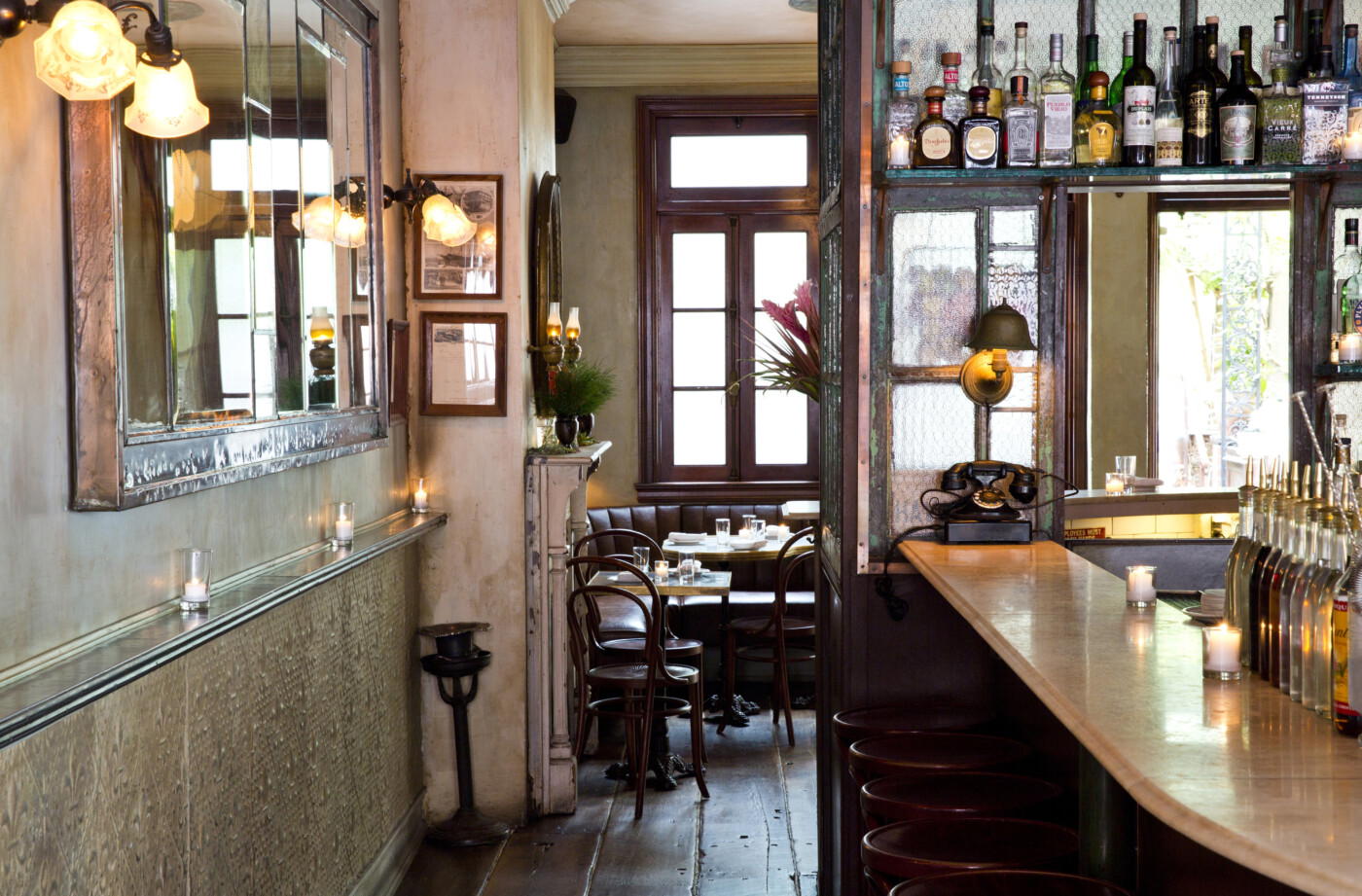
Restaurants in New York City
Browse all →
Hotels in New York City
Browse all →




At a Glance
- Rustic
- Lively
- Energetic
- Group Outing
- Casual Hangout
- Private Event
- Live Music
- Communal Tables
- Classic Cocktails
- Street Scene
Current opening hours
- Monday
- 12–9 PM
- Tuesday
- 12–9 PM
- Wednesday
- 12–9 PM
- Thursday
- 12–9 PM
- Friday
- 12–10 PM
- Saturday
- 12–10 PM
- Sunday
- 12–9 PM
Hours can change for holidays and private events. Last verified .
Laid-back saloonlike environment with rowdy young patrons, communal picnic tables, and honky-tonk vibe.