Brooklyn Winery
Brooklyn Winery sits on Guernsey Street in Greenpoint, occupying a rare position in New York's drinking scene: an urban production winery that makes wine in the borough and pours it on-site. The format sits somewhere between tasting room and neighbourhood wine bar, drawing a crowd that treats it as both a local and a destination. Planning ahead is advisable before any visit.
Pearl is the En Primeur Club membership app — saves, bookings, and concierge access live there. Same editors, same standards.
- Address
- 61 Guernsey St, Brooklyn, NY 11222
- Phone
- +1 347 763 1506
- Website
- bkwinery.com
- Directions
- Get directions
 Saves & bookings on Pearl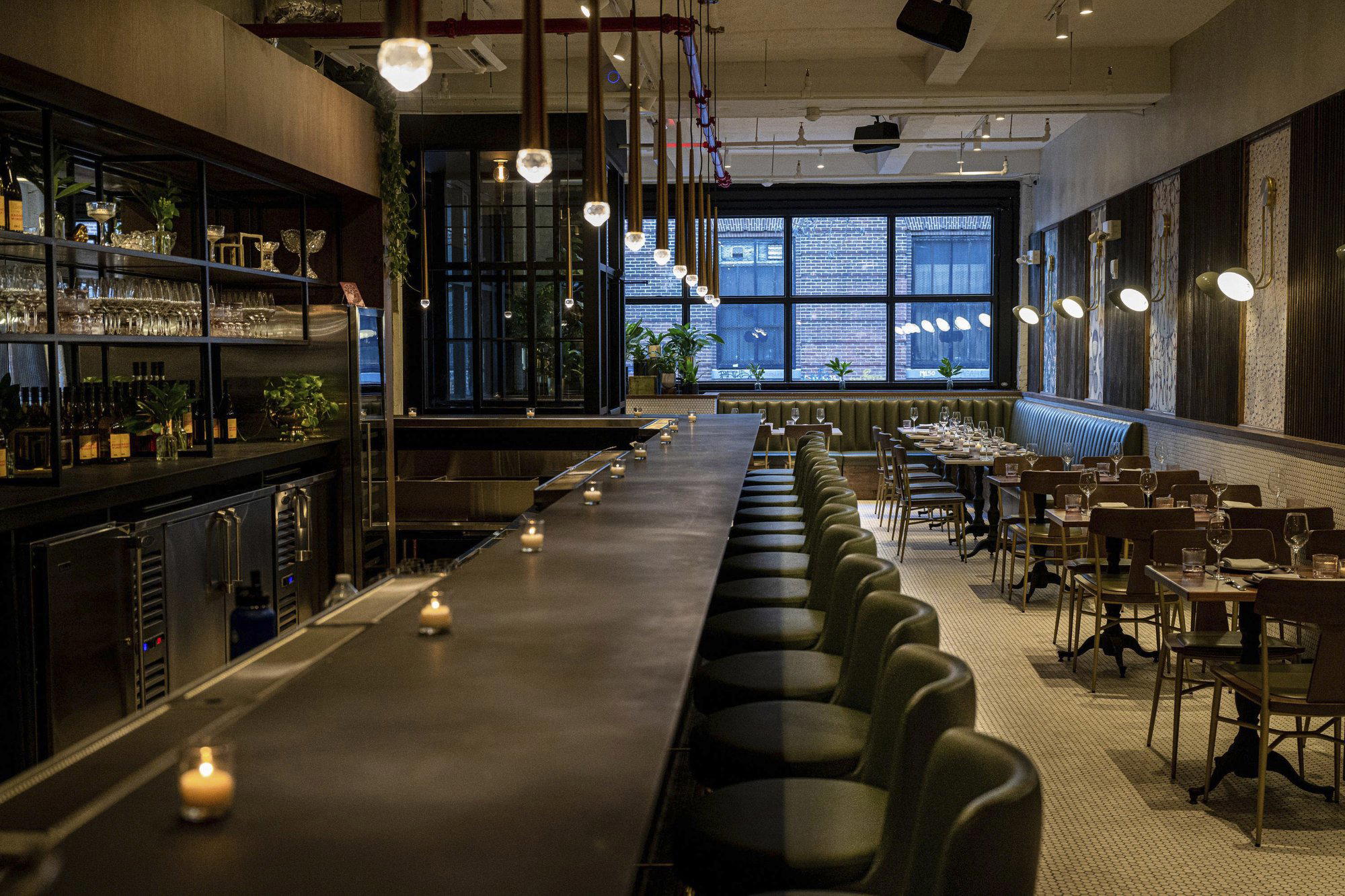
Urban Winemaking in Greenpoint
New York City's wine scene has long been defined by importers, sommeliers, and carefully curated lists in restaurants where the wine is always secondary to the food. Brooklyn Winery is a bar and urban winery in Greenpoint, Brooklyn, where wine is made on-site and poured in the same building. In New York, where space is scarce and rents are severe, the format demands a level of operational seriousness that filters out casual entrants.
Brooklyn Winery's address on Guernsey Street in Greenpoint places it in a neighbourhood that has shifted considerably over the past decade. Greenpoint is no longer the overlooked northern tip of Brooklyn; it is a destination in its own right, with a concentration of food and drink operators that competes with more established corridors in Williamsburg to the south. That neighbourhood context matters when thinking about how to visit: Greenpoint draws a mix of locals who know the streets and out-of-borough visitors who come specifically for a venue or two, then explore. Brooklyn Winery sits comfortably in that second category of anchor destinations.
What to Expect Inside
Urban wineries occupy a hybrid space that conventional wine bars do not. The production element is present, either visually or through the smell of fermenting grape must at certain times of year, and that presence shifts the register of a visit. You are not simply drinking in a decorated room; you are in a working space where the product you are consuming was processed nearby. That changes the conversation at the table and changes what staff can credibly speak to, because the production chain is short enough that anyone working the floor has reasonable proximity to the people who made the wine.
The physical environment at 61 Guernsey Street reflects that industrial-meets-hospitality balance that characterises the more serious urban winery operations in the United States. Exposed materials, volume, and a layout that accommodates both casual walk-in drinkers and more structured tasting experiences are the recurring features of the format. The bar fits that pattern, though the specific configuration of the space, the current tasting formats, and the pricing should be confirmed directly with the venue before visiting, as these details change with seasons and production cycles.
The Booking Experience: What to Know Before You Go
Urban wineries in productive neighbourhoods like Greenpoint increasingly operate on a hybrid model: some capacity is walk-in, some is reserved for ticketed tastings or private events, and some is taken by wine club members who receive priority access. Understanding which tier you are booking into before you arrive is the difference between a smooth visit and a frustrating one.
New York's premium drinking venues, from the technically precise programme at Attaboy NYC to the bitter-forward focus at Amor y Amargo, have trained the city's drinkers to plan ahead. The same discipline applies here. Weekend visits are best planned ahead, especially when private events are scheduled.
The winery model typically supports both, but with caveats around event programming that make forward planning sensible. Those familiar with how Angel's Share in the East Village manages its capacity, or how Superbueno operates in the cocktail-forward tier of the same market, will recognise the general principle: high-quality, space-limited venues in New York reward the visitor who arrives with a plan.
The hospitality-forward craft-drink model that has taken hold in places like Chicago, where Kumiko sets a benchmark for programme depth, or San Francisco, where ABV combines a serious drinks list with an equally serious food programme, shows that one durable operations in this tier are ones where the booking and visit experience is as considered as the product itself. That standard is what visitors to the bar should hold the venue to when planning their trip.
Brooklyn Winery in the New York Drinking Scene
New York's drinking culture has moved through several phases in recent years: the speakeasy revival, the cocktail-technique era, the natural wine inflection point, and a growing interest in local production at every level. The bar entered and has persisted through several of those shifts. Urban winemaking appeals to a drinker who is interested in provenance and process, not just style or price point, and that drinker profile has expanded considerably as wine literacy in the city has grown.
The venue is not competing with the full-service wine bars of the West Village or the sommelier-driven lists of Manhattan's fine dining tier. It is competing for a different kind of evening: relaxed, production-adjacent, neighbourhood-anchored, with enough programming variety to serve both committed wine drinkers and curious newcomers. That positioning is, within the New York market, relatively specific.
It is also worth noting that the urban winery format, when well executed, travels well as a concept. Visitors who have encountered similar operations in other cities, whether at Jewel of the South in New Orleans, Julep in Houston, or even further afield at Bar Leather Apron in Honolulu or The Parlour in Frankfurt on the Main, will find the underlying hospitality logic familiar even if the product is different. And those exploring Allegory in Washington, D.C. on the same trip circuit will notice how American cities have developed their own credible drinking identities independent of the coasts' longest-established venues.
Planning Your Visit
Greenpoint is accessible from Manhattan via the G train, with the Greenpoint Avenue stop placing visitors within walking distance of Guernsey Street. The neighbourhood rewards time spent before or after a winery visit: coffee, food, and retail options have expanded significantly alongside the drinking scene. Visiting mid-week avoids the weekend event-programming constraints that can limit walk-in access. If a private event or wine club tasting is a priority, contacting the venue directly in advance is the appropriate route; do not assume online availability calendars capture all reserved capacity.
Quick reference: the bar, 61 Guernsey St, Brooklyn, NY 11222. Hours: Wed 4-9 PM; Thu 4-9 PM; Fri 4-10 PM; Sat 12-10 PM; Sun 12-7 PM.
Comparison Snapshot
Comparable venues nearby, for context on price, style, and recognition.
| Venue | Cuisine | Price | Notes |
|---|---|---|---|
| Brooklyn WineryThis venue — the venue you are viewing | wine_bar | $$ | Not listed |
| Bar 7 | lounge | $$ | Greenwich Village |
| Esse Taco | Bar | $$ | Williamsburg |
| Loosie's Kitchen | cocktail_bar | $$ | Williamsburg |
| Deux Chats | cocktail_bar | $$ | Williamsburg |
| The Lions Bar & Grill | pub | $$ | East Village |
Continue exploring
More in New York City
Bars in New York City
Browse all →
Restaurants in New York City
Browse all →
Hotels in New York City
Browse all →
Wineries in New York City
Browse all →


At a Glance
- Rustic
- Industrial
- Cozy
- Intimate
- Date Night
- Group Outing
- Celebration
- Private Event
- Historic Building
- Lounge Seating
- Communal Tables
- Private Rooms
- Conventional Wine
- Craft Beer
- Classic Cocktails
Current opening hours
- Monday
- Closed
- Tuesday
- Closed
- Wednesday
- 4–9 PM
- Thursday
- 4–9 PM
- Friday
- 4–10 PM
- Saturday
- 12–10 PM
- Sunday
- 12–7 PM
Hours can change for holidays and private events. Last verified .
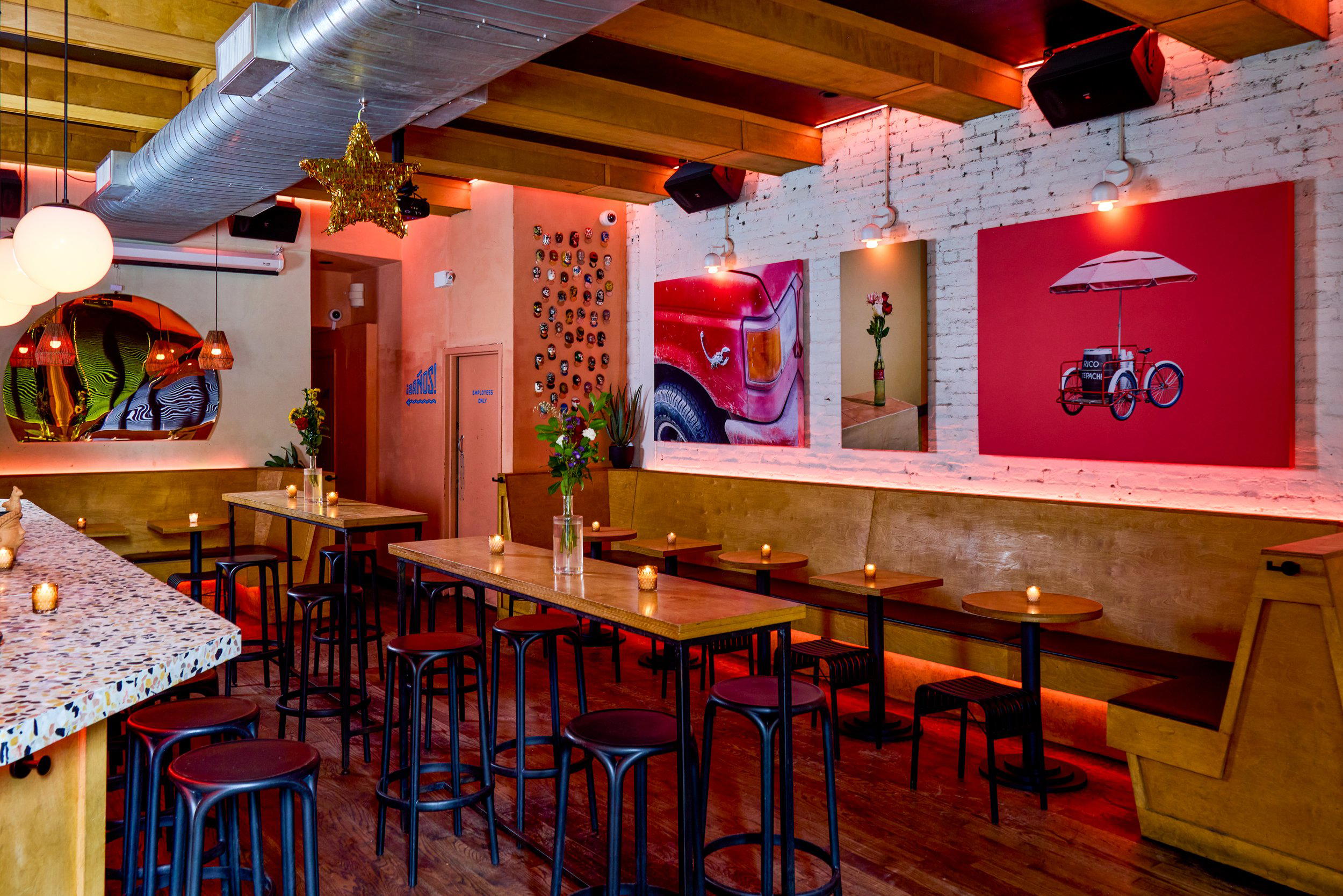
Industrial chic with exposed brick, plants, natural light from skylights, and warm, intimate atmosphere.