Lucille's Coffee and Cocktails
On Macombs Place in Hamilton Heights, Lucille's Coffee and Cocktails occupies a format that upper Manhattan is still catching up to: a day-to-night program where the counter shifts from coffee service into a serious cocktail operation. The address alone puts it outside the downtown circuits, which tends to mean a local crowd and a room that hasn't been flattened by tourism.

Pearl is the En Primeur Club membership app — saves, bookings, and concierge access live there. Same editors, same standards.
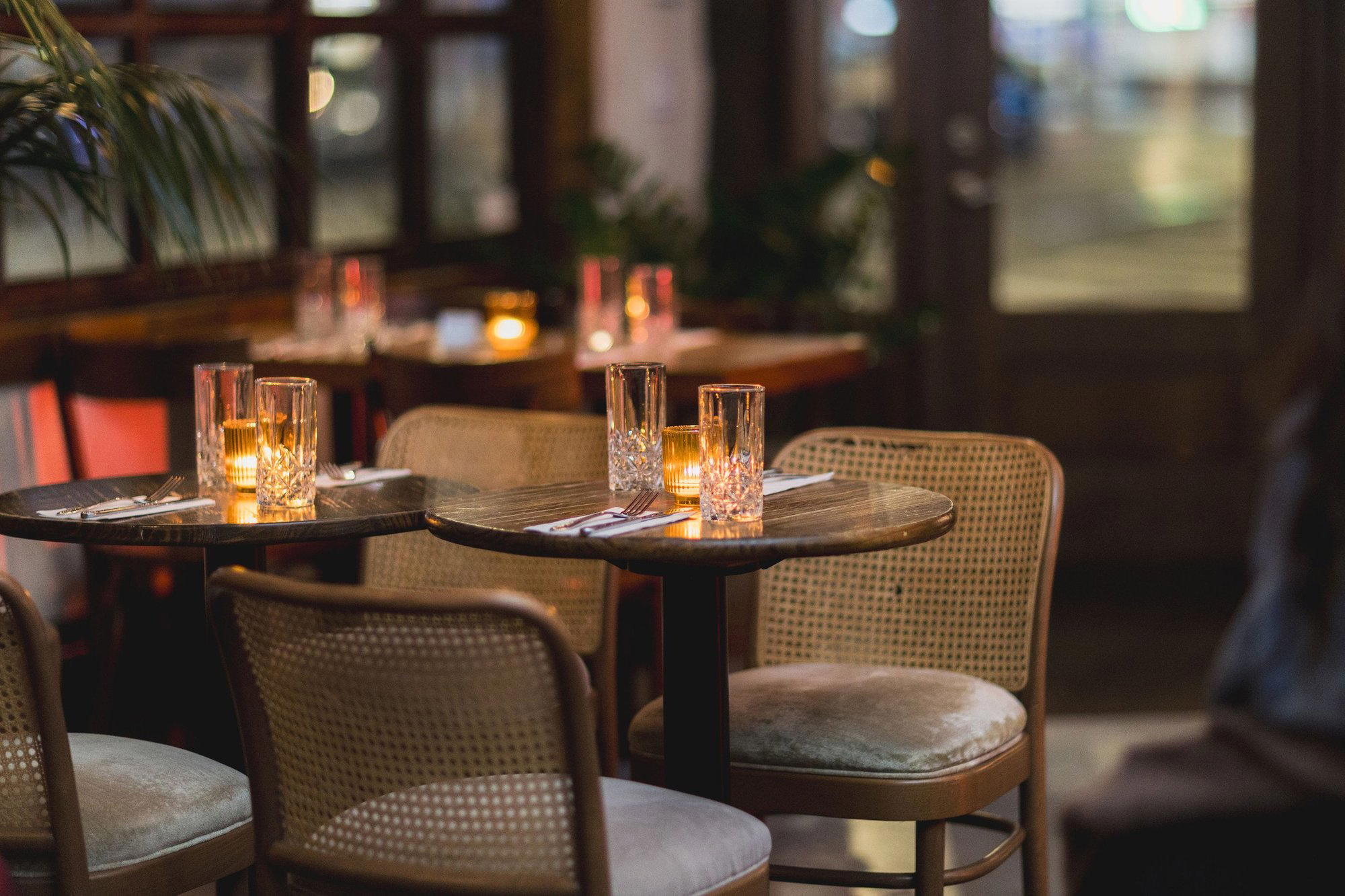
Above 125th Street, the Bar Scene Runs on Different Logic
Manhattan's cocktail geography has long clustered below 14th Street, with a secondary band around Midtown hotel bars. The neighborhoods north of 125th Street operate under different conditions: lower rents, more residential character, and a clientele that isn't comparing a menu to what they had last week in the West Village. Hamilton Heights, where Lucille's Coffee and Cocktails sits at 26 Macombs Place, is part of a slow northward drift in serious food and drink programming that has been reshaping upper Manhattan for the better part of a decade. Lucille's occupies a hybrid format in that context, running coffee service through the day before the room transitions into cocktail territory at night. That dual-program structure is relatively uncommon in New York, where most venues pick a lane and stay in it.
The Coffee-to-Cocktail Format and What It Signals
New York has a well-documented history of cocktail bars that borrow from coffee culture in technique: cold-brew infusions, espresso washes, clarified milk punches built on dairy chemistry familiar to any barista. But the operational model of running a genuine coffee program alongside a genuine bar program, in the same space, using the same counter, is a harder thing to execute. The two customer bases have different expectations around pace, noise, and what it means to sit at a bar. When that format works, it tends to produce something genuinely useful to a neighborhood: a room that earns loyalty across hours rather than just during the narrow window when cocktail culture is most visible.
Lucille's positions itself in that format at a Harlem address, which carries its own set of implications. Upper Manhattan's hospitality scene has historically been underserved relative to its population density, and venues that commit to a full-spectrum program in neighborhoods like Hamilton Heights tend to develop strong repeat clienteles. That kind of local anchoring shapes a bar's program differently than destination-bar logic does: the drinks need to work for people coming in after a workday, not just for out-of-borough visitors making a pilgrimage.
Reading the Cocktail Program Through Its Neighborhood Context
New York's cocktail bar taxonomy has shifted considerably since the early-2000s revival. The hidden-door speakeasy format that defined the first wave has largely given way to transparent technical programs, where the craft is visible rather than theatrical. Bars like Amor y Amargo built their reputations on amaro-led menus with a didactic quality, educating a customer base while serving it. Angel's Share in the East Village has maintained a Japanese-inflected precision model for decades. Attaboy NYC runs a no-menu, guest-responsive format that puts the bartender's reading of the customer at the center of the experience. Superbueno has pressed Latin flavor frameworks into a technically sophisticated cocktail program.
A coffee-and-cocktails format sits adjacent to all of these approaches without directly competing with any of them. The cocktail program at a venue built around dual-service tends to emphasize approachability alongside technique, because the room needs to work for someone who walked in at 10am for a cortado as well as someone arriving at 9pm for something spirit-forward. That design constraint can actually produce better menus: a bar that has to make its drinks legible across a wide audience is less likely to disappear into jargon-heavy menu writing or hyper-specialized flavor profiles that only land for enthusiasts.
Upper Manhattan in the Broader American Cocktail Map
Lucille's operates in a city with one of the most competitive cocktail markets in the world, but it operates in a part of that city where the competition is thinner and the opportunity is correspondingly larger. For comparison: Kumiko in Chicago built a nationally recognized program in a River North location that wasn't obvious territory at the time. Jewel of the South in New Orleans planted a serious craft operation in a city already saturated with cocktail history, finding its footing through a specific historical frame. Julep in Houston made Southern spirits its organizing logic. ABV in San Francisco and Allegory in Washington, D.C. both built programs that earned city-wide attention from neighborhood positions that required the bar to generate its own gravity rather than inheriting it from an established district.
Lucille's is operating in a version of that situation. Hamilton Heights is not a cocktail destination the way the Lower East Side or the West Village are. That's an obstacle for walk-in traffic and a genuine advantage for building a local identity that doesn't depend on trend cycles. Internationally, the dynamic is similar to what Bar Leather Apron in Honolulu navigated in building a technically serious program in a market not historically associated with craft cocktails, or to The Parlour in Frankfurt, which operates at a level of precision uncommon for its city and has earned recognition accordingly. The bar that earns a reputation in an underserved market tends to hold it longer than one that opens into an already-crowded field.
Planning Your Visit
Lucille's sits at 26 Macombs Place in Hamilton Heights, reachable via the A, B, C, or D trains to 145th Street. The coffee-to-cocktails format means the room reads differently at different hours: earlier visits weight toward the coffee program, while the bar operation becomes the primary draw in the evening. For anyone building a broader New York bar itinerary, see our full New York City restaurants and bars guide.
| Venue | Neighborhood | Format | Leading For |
|---|---|---|---|
| Lucille's Coffee and Cocktails | Hamilton Heights | Coffee + Cocktails | All-day local anchor, neighborhood crowd |
| Amor y Amargo | East Village | Amaro-focused bar | Bitter spirit education, spirit-forward drinkers |
| Attaboy NYC | Lower East Side | No-menu bar | Bartender-led, guest-responsive experience |
| Superbueno | East Village | Latin cocktail bar | Flavor-driven, high-energy downtown crowd |
| Angel's Share | East Village | Japanese-inflected bar | Precision cocktails, quieter atmosphere |
Comparable Venues
Comparable venues nearby, for context on price, style, and recognition.
| Venue | Cuisine | Price | Notes |
|---|---|---|---|
| Lucille's Coffee and CocktailsThis venue — the venue you are viewing | cocktail_bar | $10–20 | Not listed |
| Turntable Chicken Rock | lounge | Not listed | Midtown South-Flatiron-Union Square |
| Mable's Smokehouse & Banquet Hall | pub | $30–50 | Williamsburg |
| Okinii | Bar | $30–50 | Greenwich Village |
| The Ten Bells | wine_bar | Not listed | Lower East Side |
| Rhodora Wine Bar | wine_bar | $30–50 | Fort Greene |
Continue exploring
More in New York City
Bars in New York City
All bars in New York City →
Restaurants in New York City
All restaurants in New York City →


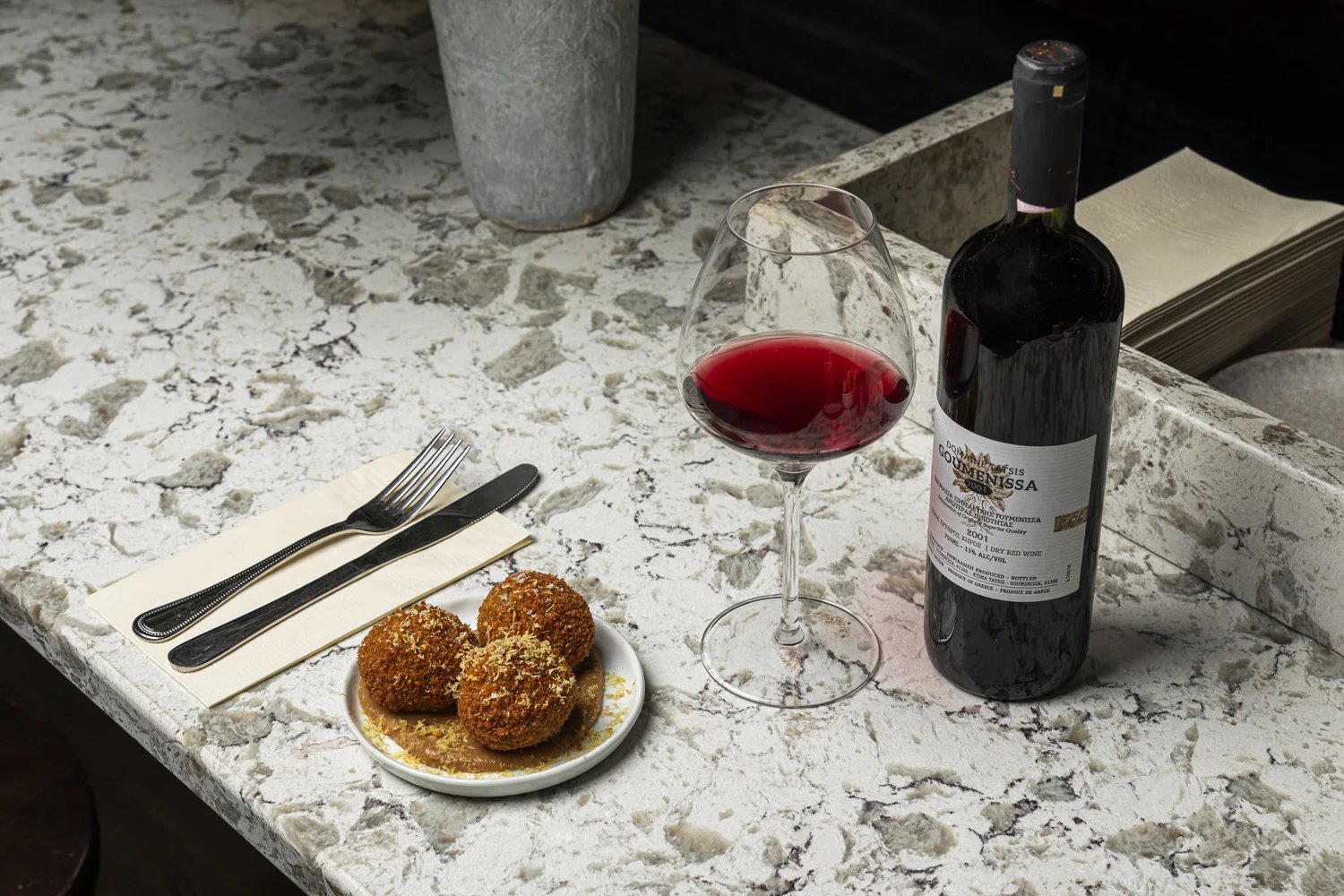


Lucille's Coffee and Cocktails
The wine
- Wine program
- Curated wine list
- Craft cocktails
Details
- Cozy
- Lively
- Trendy
- Date Night
- Group Outing
- Casual Hangout
- Live Music
- Seated Bar
- Lounge Seating
- Craft Cocktails
Current opening hours
- Monday
- Closed
- Tuesday
- 8 AM–11:30 PM
- Wednesday
- 8 AM–11:30 PM
- Thursday
- 8 AM–11:30 PM
- Friday
- 8 AM–11:30 PM
- Saturday
- 8 AM–11:30 PM
- Sunday
- 8 AM–11 PM
Hours can change for holidays and private events. Last verified .
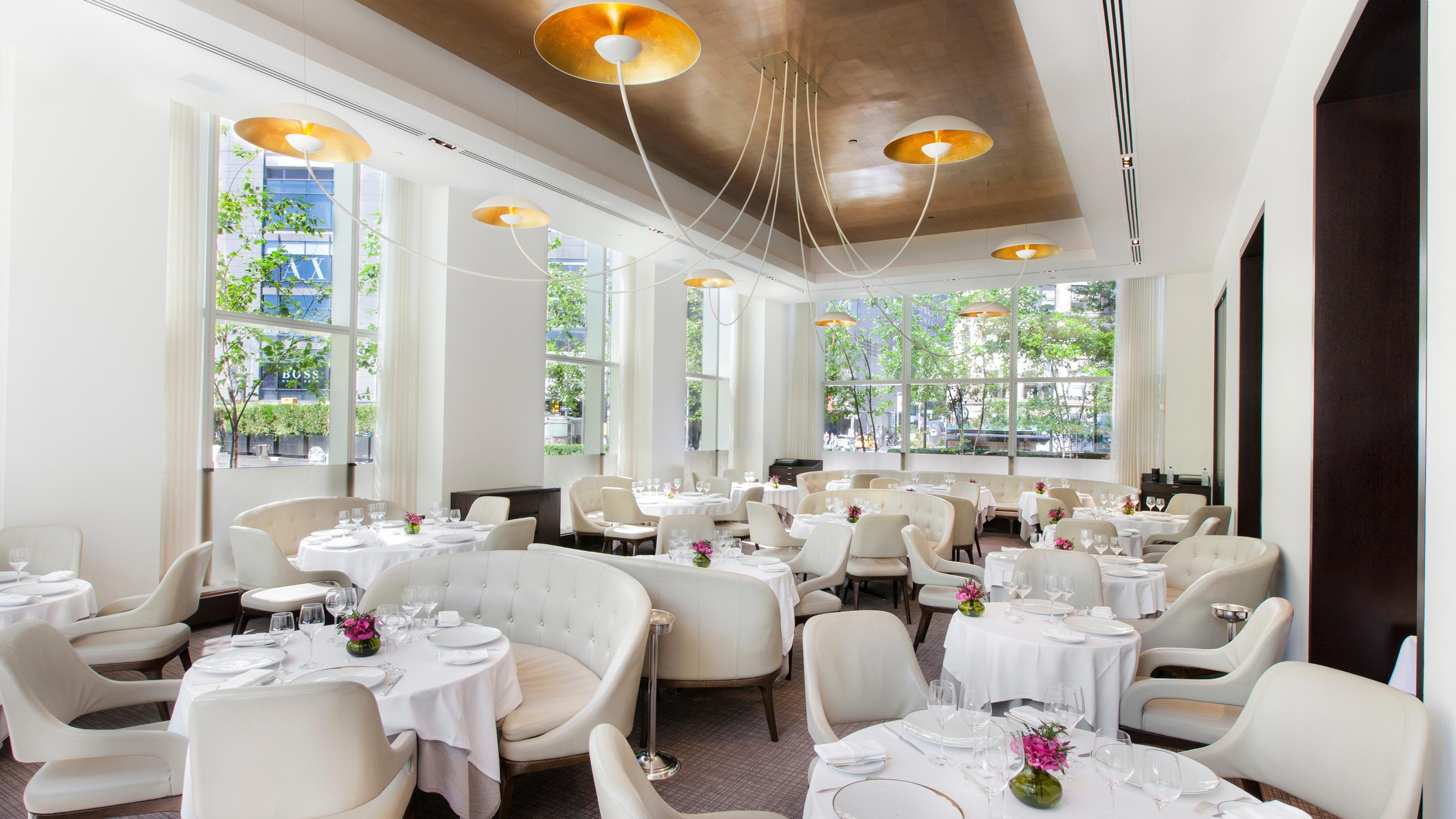
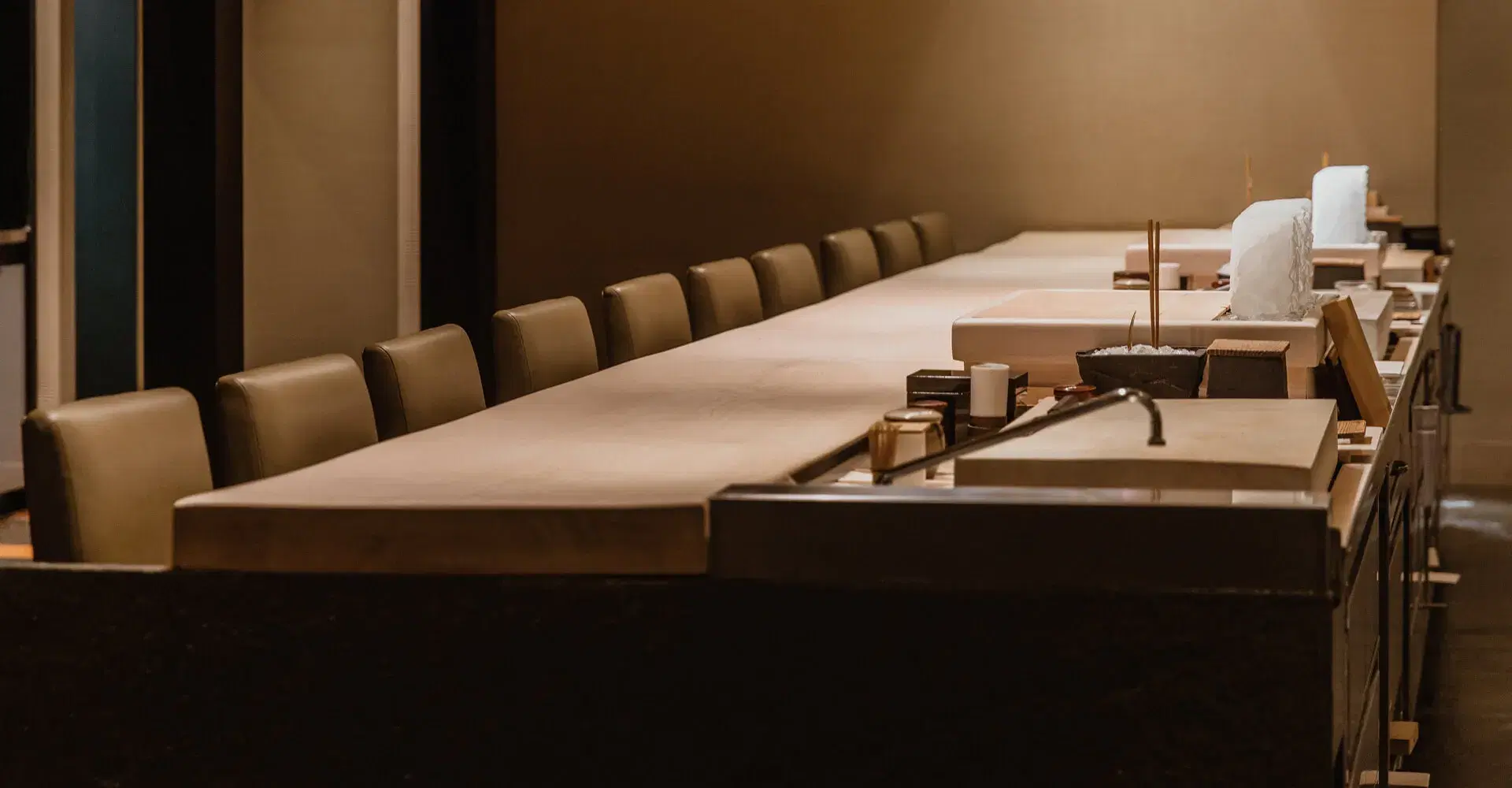
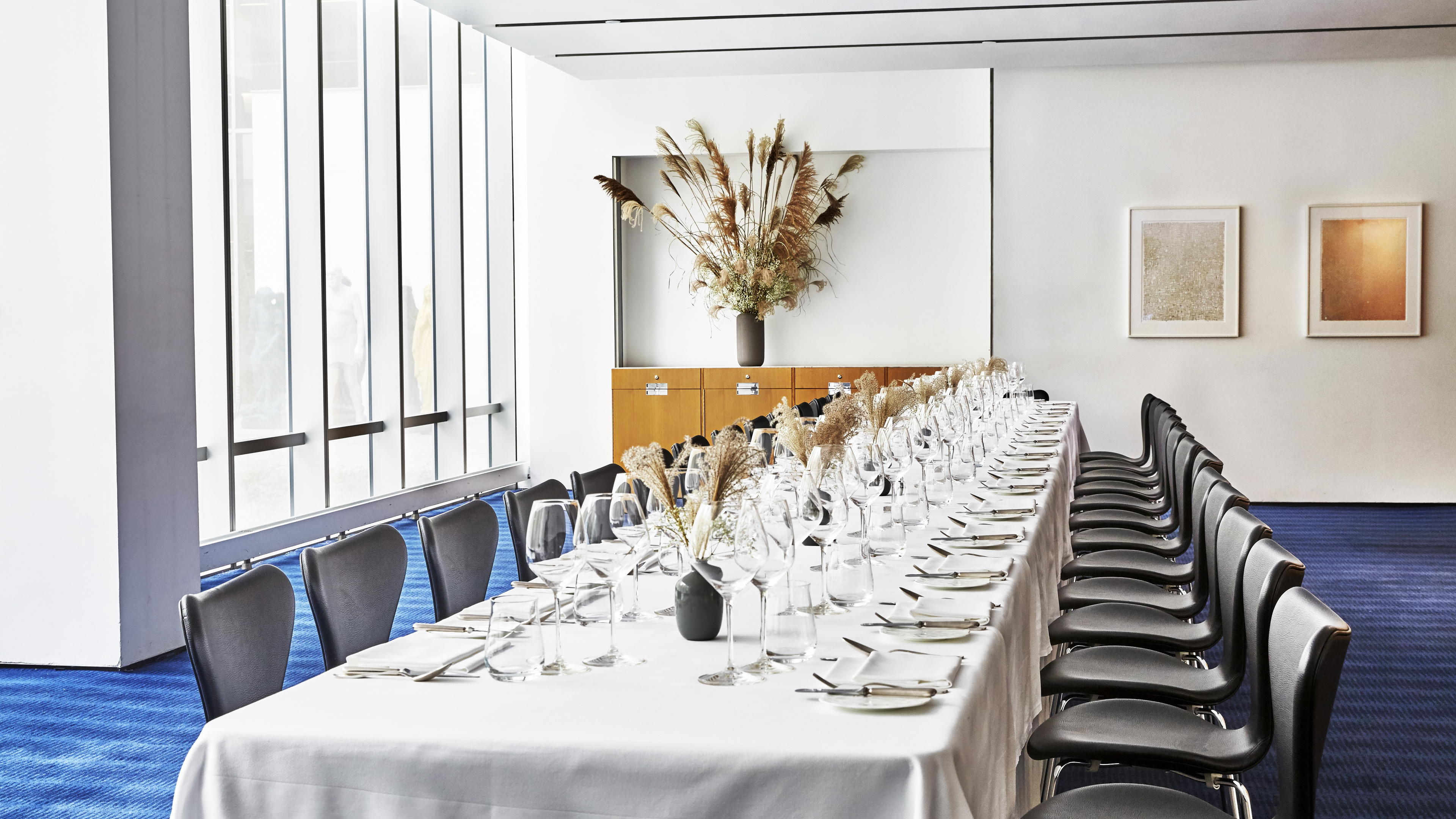
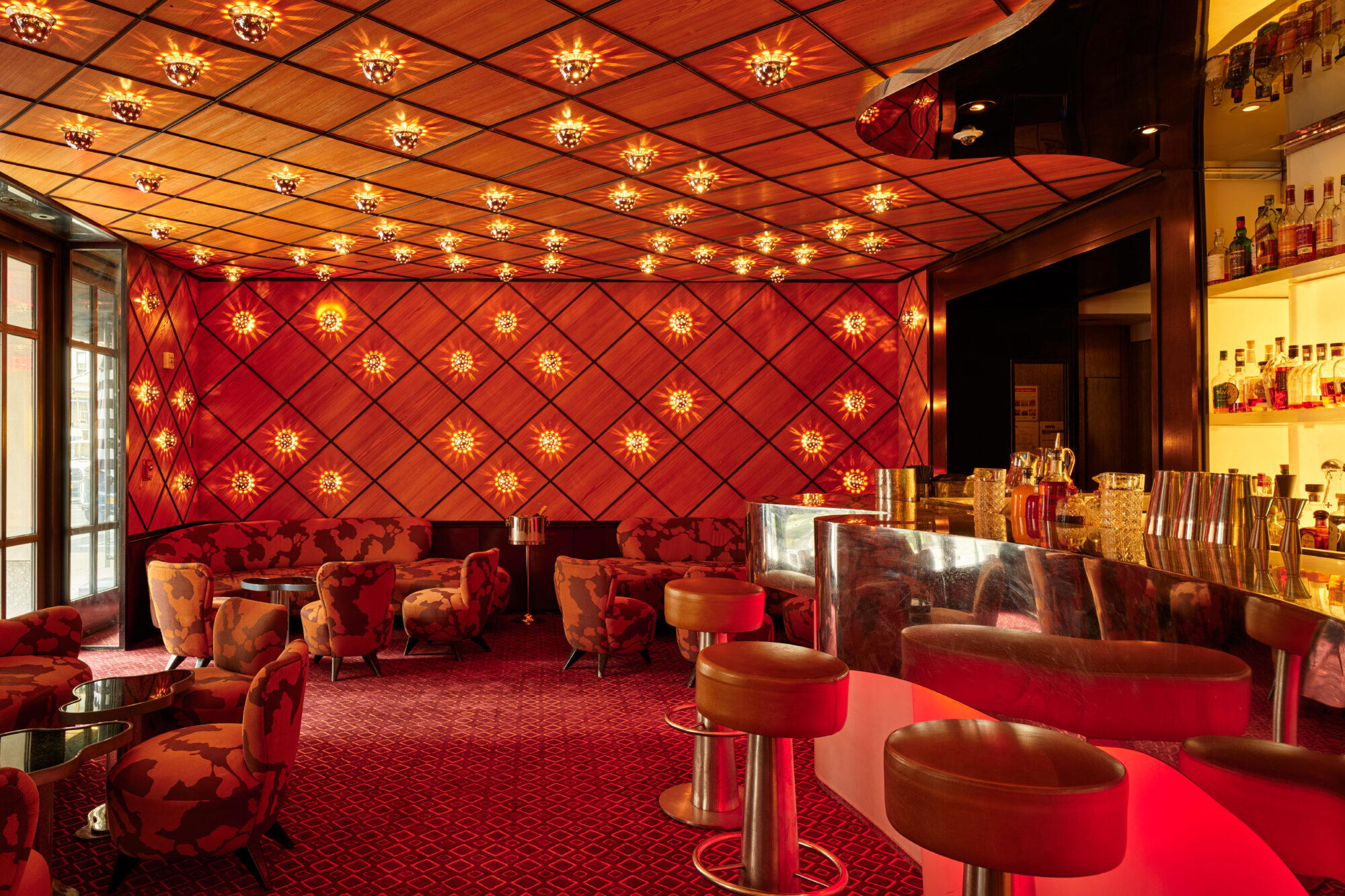
Cozy and relaxed with natural light from large windows, wooden bar panels, shifting to musically lively with live jazz.