The Sensory Register
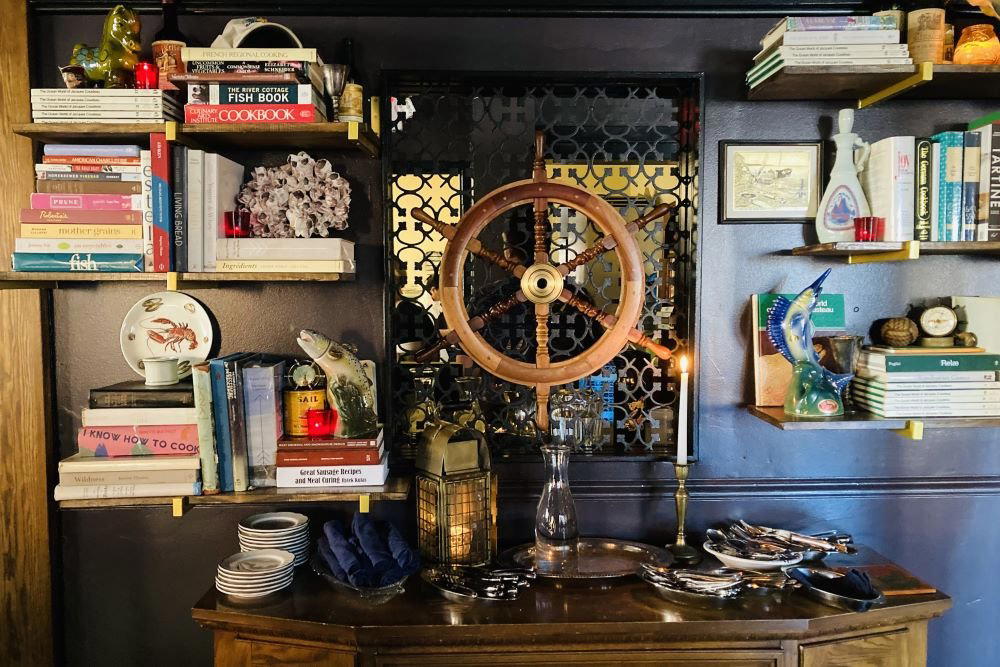
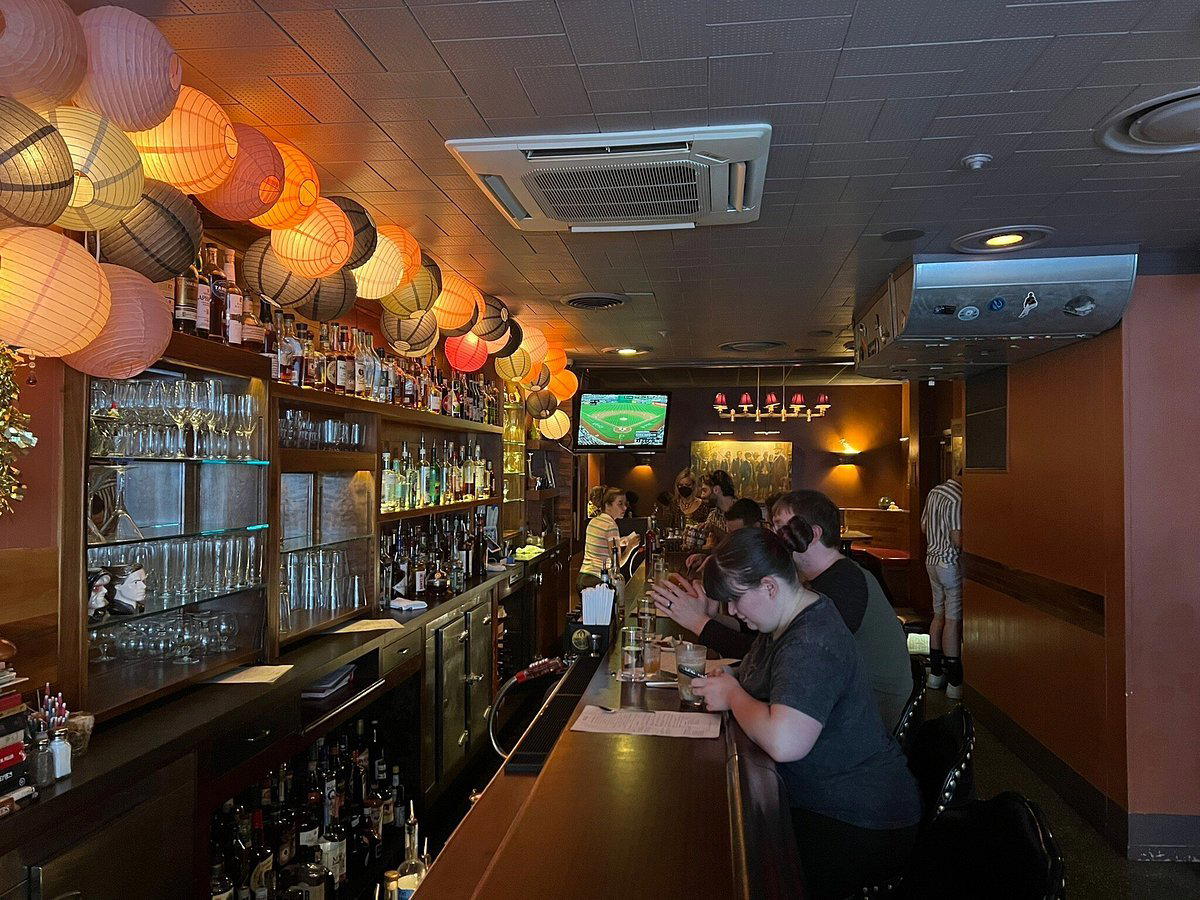
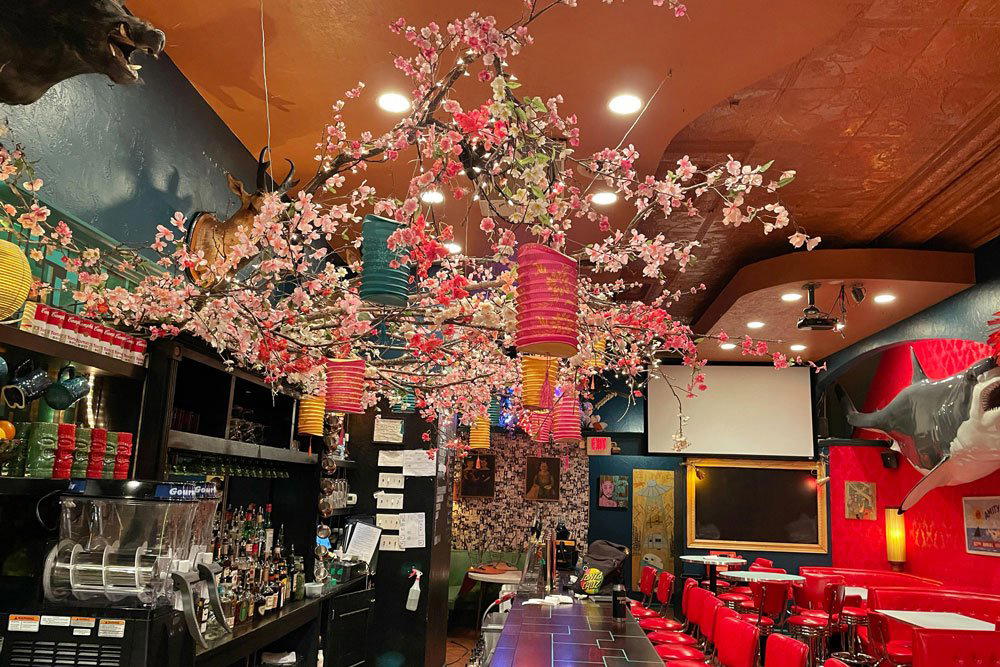
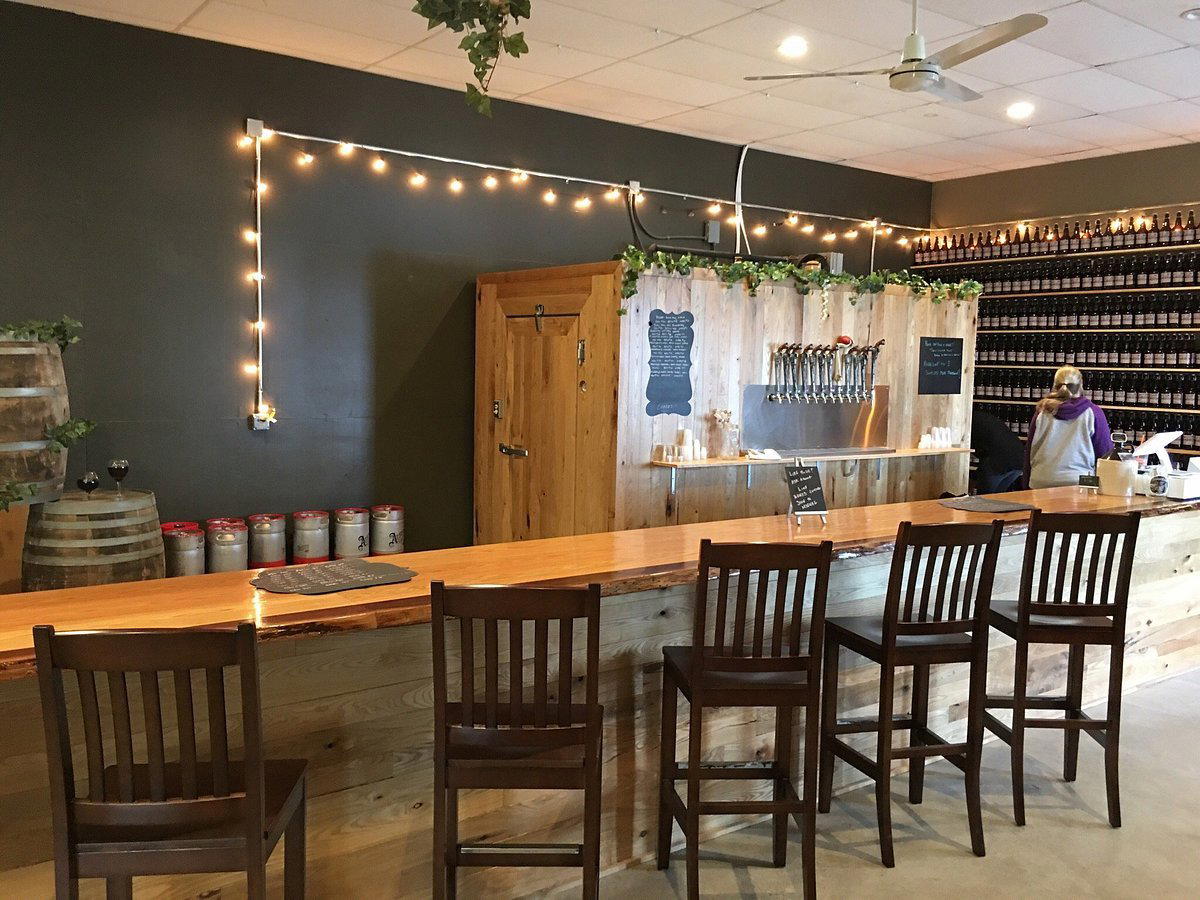
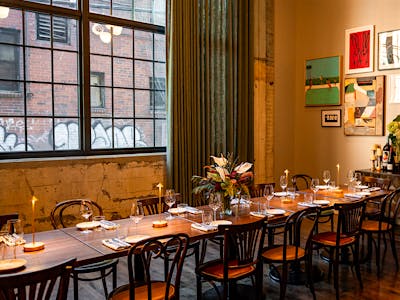
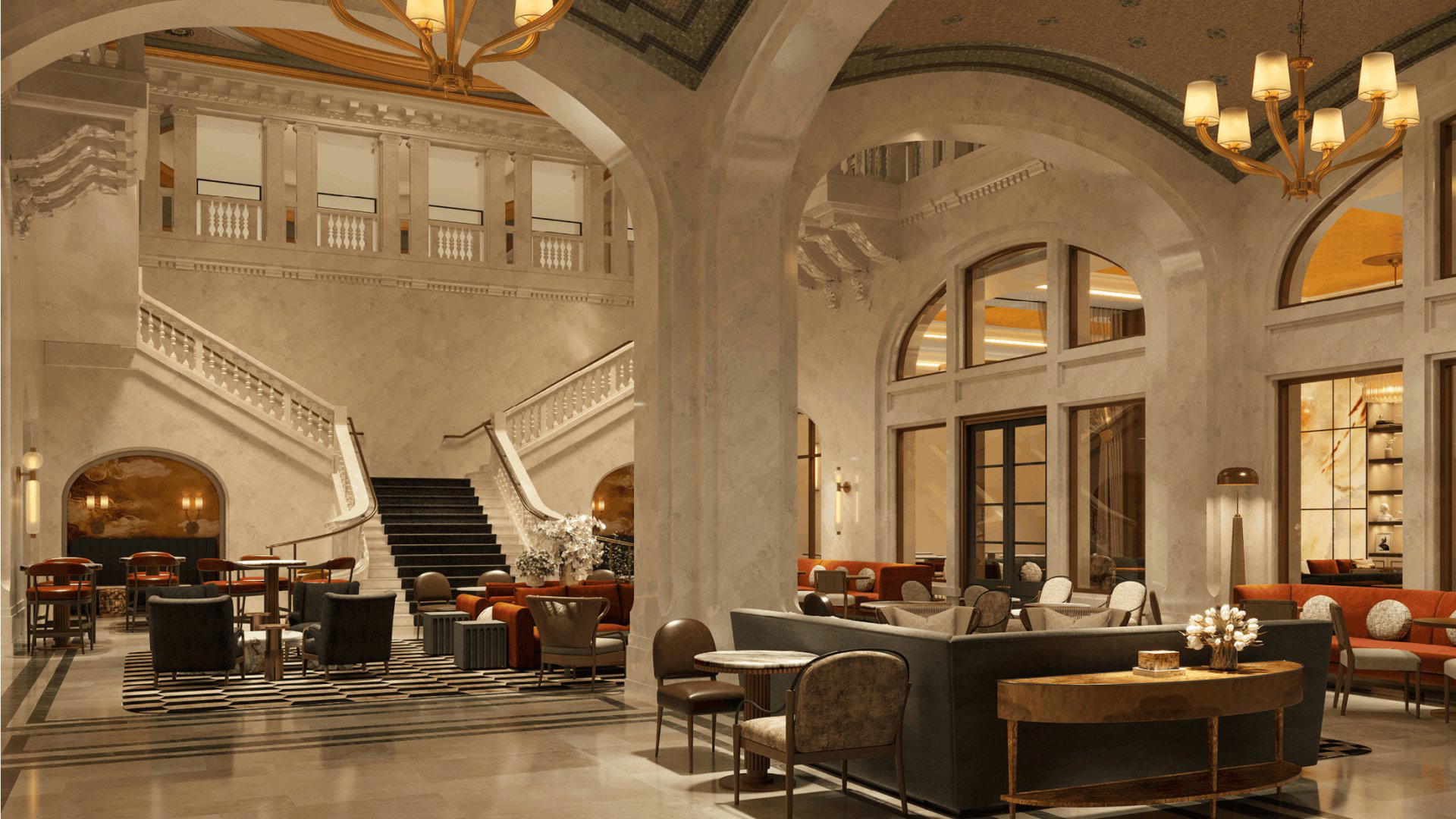
Pittsburgh's better bar programs have largely moved away from the dimly lit, heavily theatrical model that defined American craft cocktail culture in the early 2010s. What has replaced it, in the city's more mature spots, is an interior language that feels specific to place rather than genre. The atmospheric register at an address like Lorelei's on South Highland reads as part of this broader shift: the emphasis falls on the room itself, on the materials and the light quality, rather than on conceptual props. This matters because it changes how long people stay and how they talk to each other across the bar, which is ultimately what determines whether a neighborhood bar becomes a neighborhood institution.
The sound profile of a well-run bar on a street like South Highland tends to operate in the middle register: loud enough to feel alive, controlled enough that conversation at the bar doesn't require raised voices. This acoustic balance is harder to achieve than it appears, and the bars that get it right on South Highland tend to be the ones that return visitors cite when explaining why they keep coming back rather than trying somewhere new.
East Liberty in the Context of Pittsburgh's Bar Scene
Pittsburgh's bar culture has developed distinct geographic zones over the past several years. The South Side Strip remains the volume play, Lawrenceville has absorbed much of the craft-beer and cocktail program energy, and East Liberty operates at a slightly different frequency: more neighborhood-settled, less interested in turning tables. The comparison set for a bar on South Highland is not the gastropubs of the Strip or the high-concept programs that have drawn national attention to Lawrenceville. It is instead a peer group of spots that understand their primary function is to anchor a regular's evening.
For a sense of how Pittsburgh's bar scene compares to peer cities at the national level, it is worth looking at what sustained craft programs look like elsewhere. Kumiko in Chicago operates in the ingredient-forward, Japanese-inflected register that has influenced how serious bars think about flavor architecture. Jewel of the South in New Orleans demonstrates what happens when historical research meets precise execution. Bar Leather Apron in Honolulu and Julep in Houston show how regional specificity can anchor a program with genuine identity. ABV in San Francisco and Superbueno in New York City represent opposite ends of the technical-versus-convivial spectrum. Pittsburgh has not yet produced the nationally recognized cocktail programs that some of these cities have, but East Liberty's South Highland corridor is among the addresses where that reputation, if it develops, is most likely to take root.
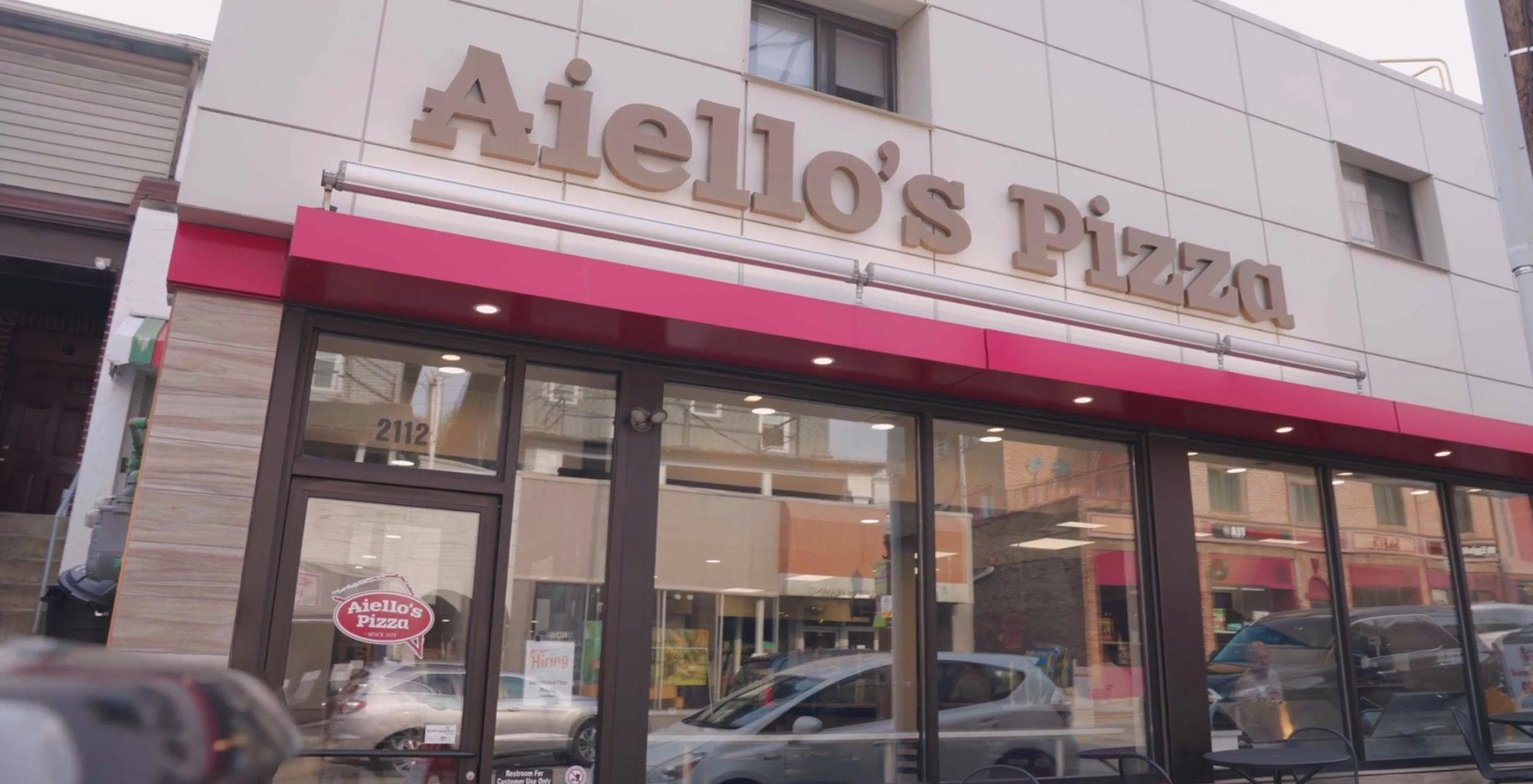
Within Pittsburgh itself, the wider drinking ecosystem gives useful context. Allegheny Wine Mixer occupies the wine-focused end of the spectrum across the river. Alla Famiglia anchors a different kind of evening built around long dinners rather than bar-focused visits. Allegheny Elks Lodge #339 sits in the institutional tier that Pittsburgh does better than most American cities of its size. And Aiello's Pizza Squirrel Hill, a short distance east along the same broad corridor, demonstrates how the neighborhood's evening economy functions as a sequence of stops rather than a single destination. Lorelei fits into that sequence at the bar-anchor position. Internationally, programs like The Parlour in Frankfurt show how neighborhood bars in mid-sized cities can develop international credibility through consistency and specificity rather than scale.
Planning an Evening on South Highland
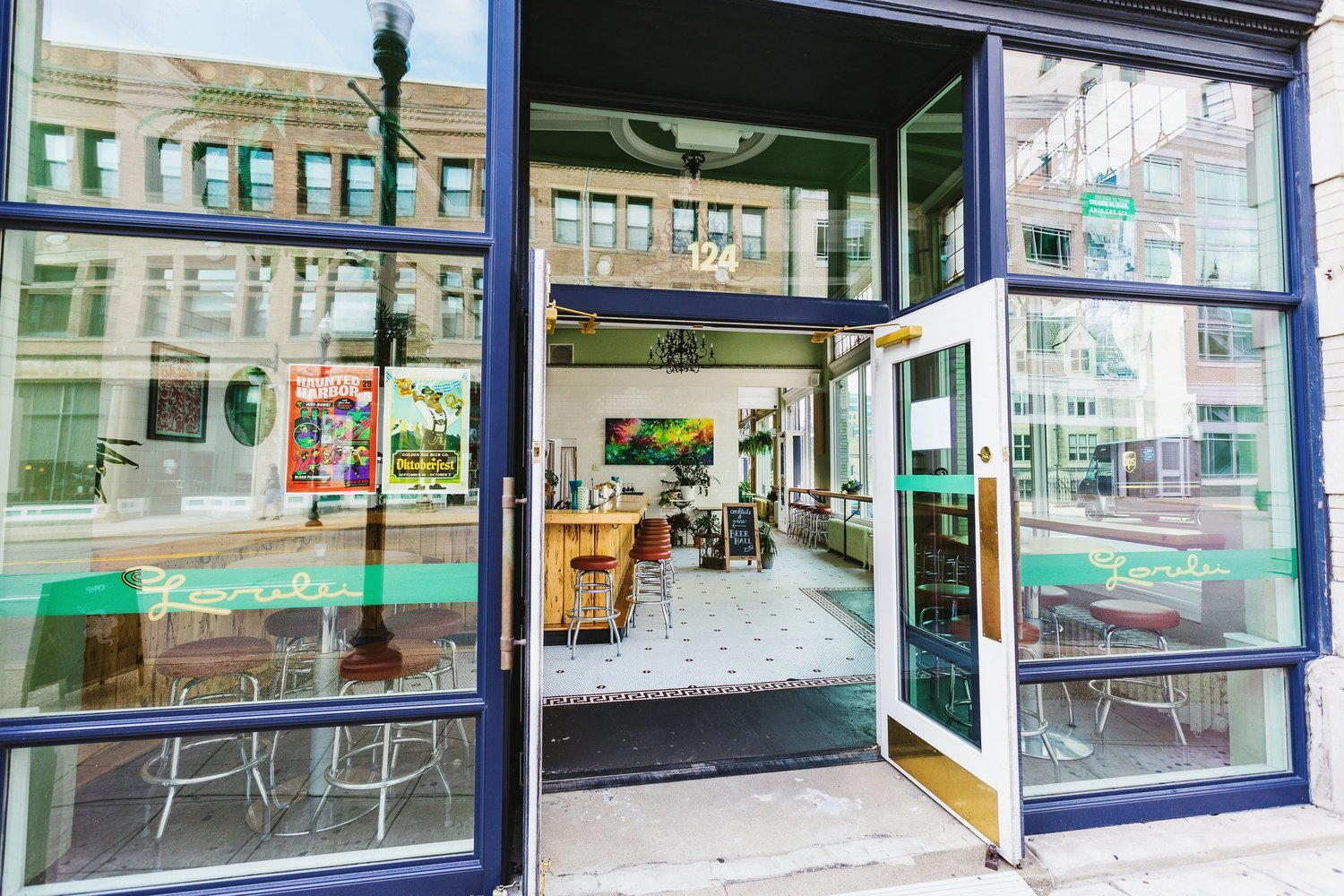
The practical logic of visiting Lorelei follows the rhythm of East Liberty itself. South Highland Avenue is walkable from multiple points in the neighborhood, and the address at 124 sits on a section of the street where the bar and restaurant density makes it sensible to plan an evening that moves between several stops. Pittsburgh's East Liberty parking situation has improved with the neighborhood's broader development, but arriving on foot from the nearby residential blocks or via ride-share remains the cleaner option on a busy Friday or Saturday, when South Highland generates enough foot traffic to make the walk itself part of the experience. For a broader orientation to Pittsburgh's dining and drinking scene before you arrive, the EP Club Pittsburgh guide provides neighborhood-level context that helps situate East Liberty within the city's wider geography.
The seasonal dimension matters on South Highland. Pittsburgh winters are genuinely cold, and the bars that understand this tend to lean into it: the interior becomes more important than the street presence from November through March, and the programs that hold their regulars through those months are the ones that have invested in the room rather than relying on outdoor space or warm-weather energy. Summer on South Highland, by contrast, opens up the streetscape and changes how the avenue functions as a social environment. Planning a visit in the warmer months, when East Liberty's outdoor dining and bar culture fully activates, gives a different read on the neighborhood than a January visit, though the latter has its own clarity.