Long Count
Long Count is a wine bar in New York City operating in a downtown scene that rewards patience and specificity. The format skews toward serious glass pours and a selection curated for discovery rather than comfort. Whether you arrive for a lunchtime pour or settle in for an evening of extended tasting, the experience shifts considerably depending on when you show up.
Pearl is the En Primeur Club membership app — saves, bookings, and concierge access live there. Same editors, same standards.
- Address
- 155 Avenue B, New York, NY 10009
- Phone
- (833) 328-4588
- Website
- longcountnyc.com
- Directions
- Get directions
 Saves & bookings on Pearl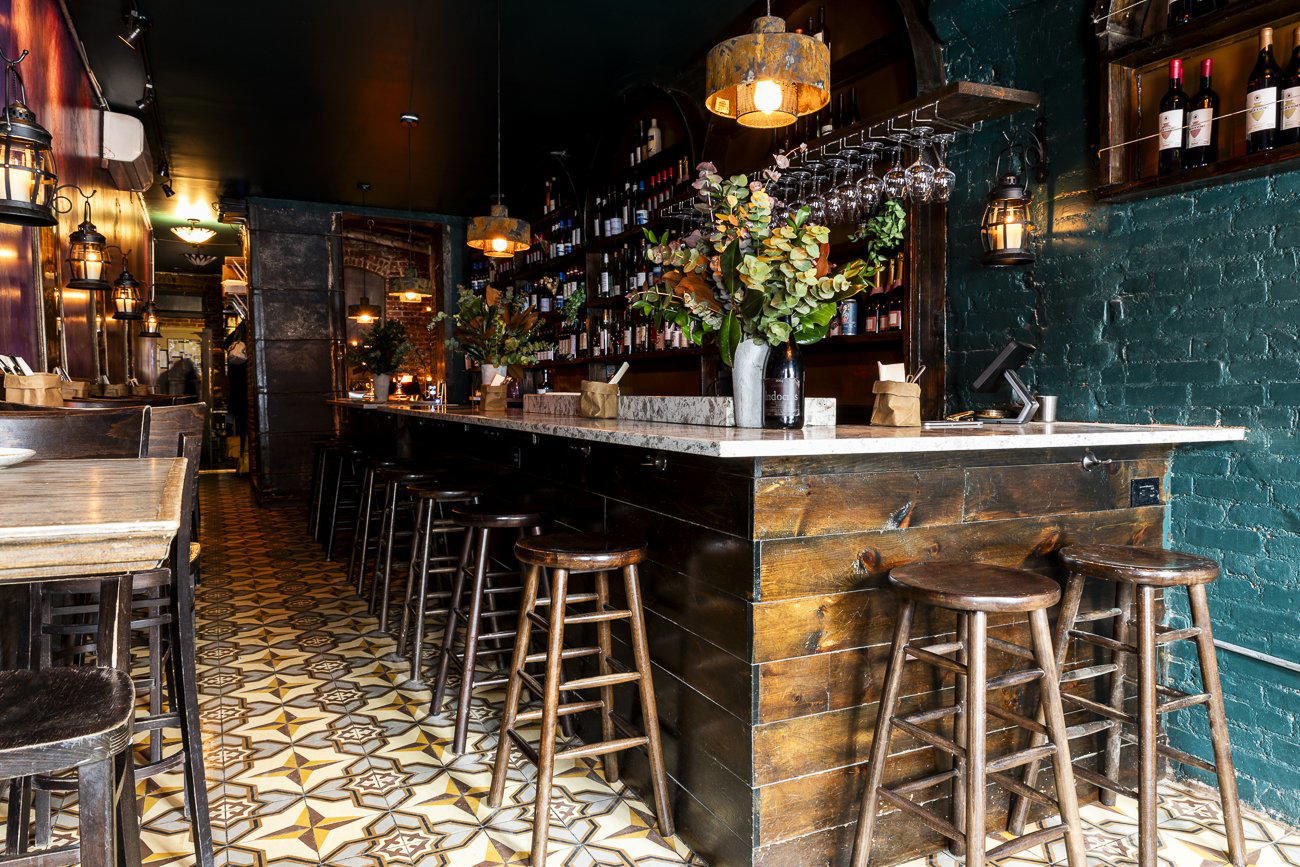
New York's Wine Bar Divide: When You Go Matters as Much as Where
New York's wine bar circuit has split into two distinct registers over the past decade. On one side sit the high-volume, design-forward rooms that function as extensions of the restaurant dinner complex, drawing walk-ins on name recognition alone. On the other sit smaller, program-led venues where the selection, not the spectacle, is the reason for showing up. Long Count is a wine bar in New York City with, focused on the glass rather than the room.
That positioning matters most when you consider the lunch-versus-dinner question, which at venues of this type isn't a trivial distinction. The daytime version of a serious wine bar is a different institution from its evening self. Lunchtime tends to draw a crowd that wants one sharp pour, a plate, and a table to work from. Evening shifts the dynamic: the room fills more slowly, the conversation between guest and staff becomes the point, and the bar counter becomes something closer to a forum. Long Count, with its wine-forward identity, sits in a competitive set where that distinction shapes everything from pacing to how aggressively you should approach the list.
The Physical Register
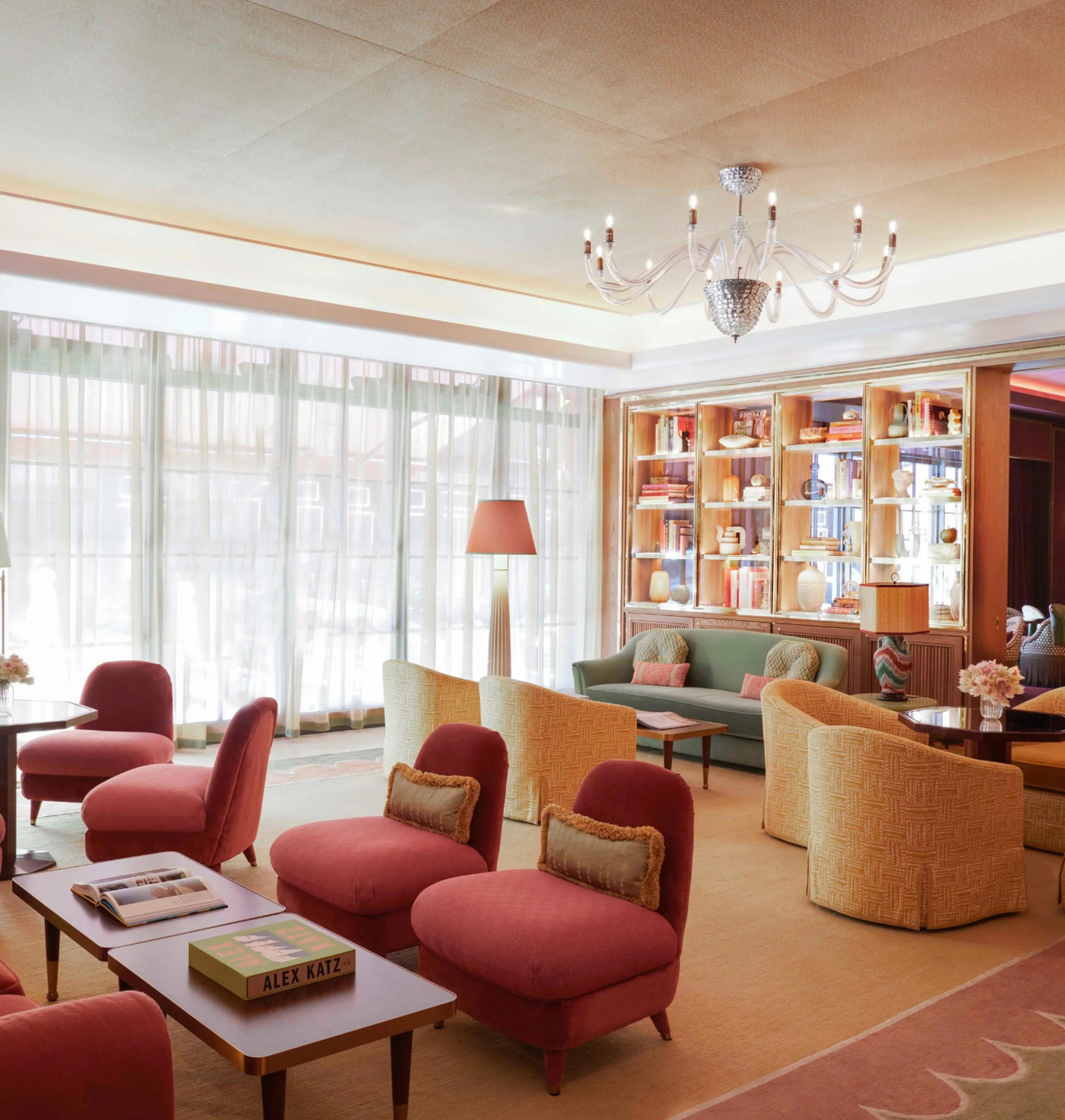
New York wine bars that lean toward program over production tend to keep their rooms spare. The architecture defers to what's in the glass. Long Count follows that model. The environment, by all available indication, isn't built to impress on first sight, it's built to hold attention over two or three hours, which is a harder thing to design for and, when it works, a better measure of a room's quality. The bar counter remains the right place to sit if engagement with the selection is what you're after. Tables work better for groups who already know what they want.
This kind of spare, counter-anchored format is more common in cities like London, where Olfaclub operates in a similarly program-first mode, or Chicago, where Kumiko has built a reputation on precision service in a restrained setting. In New York, the template is less common. Most wine bars here default to noise and crowd as a quality signal. The bar doesn't appear to.
Lunch at a Serious Wine Bar: The Underutilised Slot
The editorial angle that most New York wine bar coverage misses is this: lunchtime at a program-led wine bar is frequently the better appointment. The room is quieter. Staff have more time per table. The pours taste the same. The glass you want at 1pm is the same glass, on the same list, for the same price, but the conditions for actually tasting it are materially better than at 8pm on a Friday when the room is full and the server is moving fast.
This is especially true in New York, where evening demand at respected wine bars is rarely the problem. Getting a seat at Amor y Amargo on a weeknight requires planning; the same goes for the back bar at Attaboy NYC, where the queue forms before the door opens. The bar, depending on format and neighbourhood, may follow a similar pattern. If it does, the case for a midweek lunch or early afternoon visit is strong, both as a practical matter of access and as an experiential one.
Evening as the Standard Setting
That said, the wine bar as evening institution isn't going anywhere, and the bar is clearly built with that format in mind. The evening version of a program-led wine bar rewards a different kind of guest: one who arrives without a plan, takes a seat at the counter, and lets the list do the orienting. For that guest, the selection's architecture becomes the experience. How many natural producers? What's the proportion of bottles to glass pours? Is the list organised by region, grape, or something more idiosyncratic? These are the questions that distinguish a real wine program from a wine list.
New York has a handful of bars that make those questions genuinely interesting to answer. Superbueno does it with a Latin spirits focus that shapes its cocktail list with the same deliberateness a good wine bar brings to its selections. Angel's Share operates on reservation and controlled access, which enforces a certain pace on its evenings. The bar sits in a comparable set where the selection's seriousness is the credential, not the room's size or the queue at the door.
How Long Count Fits the Wider U.S. Wine Bar Moment
American wine bars have been through an identity shift. The model that dominated the 2000s, large format, comprehensive by-the-glass programs, food menus designed to compete with full restaurants, has given way to smaller, more focused operations. In San Francisco, ABV has operated in that smaller-format register for years. In New Orleans, Jewel of the South brings a similar tightness of program to a cocktail-forward context. Even further afield, Bar Leather Apron in Honolulu and Julep in Houston demonstrate that the shift toward considered, program-first drinking spaces isn't a coastal-elite affectation, it's a national pattern.
The bar operates within that pattern. Its name, which references the Mesoamerican calendar system's long-cycle counting method, suggests a sensibility oriented toward depth and duration rather than immediate gratification. Its name references the Mesoamerican calendar system's long-cycle counting method.
Planning Your Visit
The bar is at 155 Avenue B, New York, NY 10009, and it is walk-in friendly.
As a general rule for wine bars in this tier, weekday afternoon visits carry the least friction. If the evening is the target, arriving early in the service, before 7pm in most New York contexts, improves both seat availability and staff engagement. Dress is typically relaxed at program-led wine bars; the emphasis is on what's in the glass, not what's on the guest.
Cost and Credentials
Comparable venues nearby, for context on price, style, and recognition.
| Venue | Cuisine | Price | Notes |
|---|---|---|---|
| Long CountThis venue — the venue you are viewing | Not listed | $$ | Not listed |
| Clandestino | Not listed | $$ | Chinatown-Two Bridges, cocktail_bar |
| Gem Wine | Not listed | $$ | SoHo-Little Italy-Hudson Square, wine_bar |
| El Pingüino | Not listed | $$ | Greenpoint, cocktail_bar |
| Down the Hatch | Not listed | $$ | West Village, dive_bar |
| Mable's Smokehouse & Banquet Hall | Williamsburg, pub | $$ | Not listed |
Continue exploring
More in New York City
Bars in New York City
Browse all →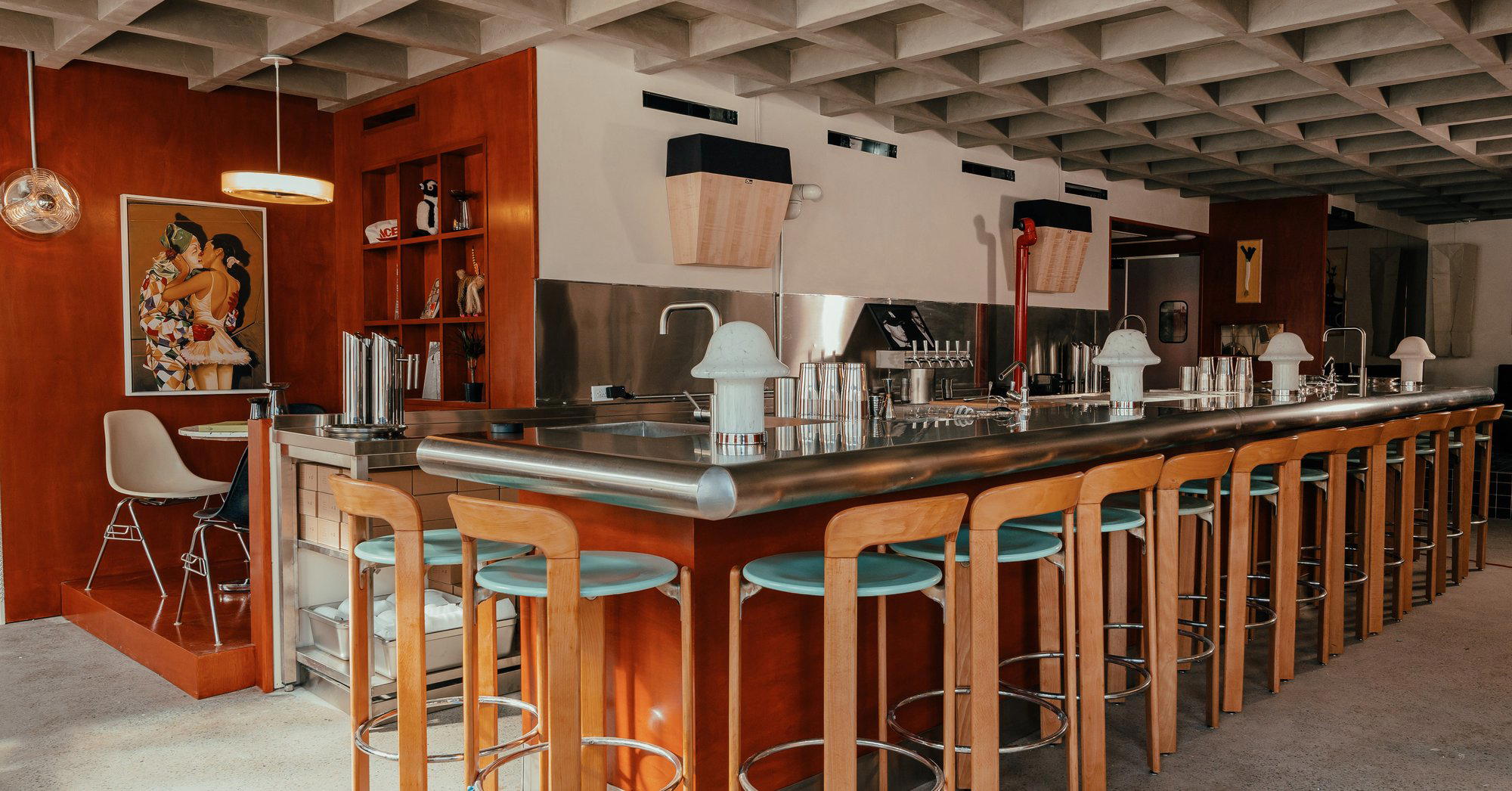
Restaurants in New York City
Browse all →
Hotels in New York City
Browse all →





At a Glance
- Cozy
- Intimate
- Trendy
- Date Night
- Casual Hangout
- Standalone
- Seated Bar
- Conventional Wine
Current opening hours
- Monday
- Closed
- Tuesday
- Closed
- Wednesday
- 5 PM–12 AM
- Thursday
- 5 PM–12 AM
- Friday
- 5 PM–12 AM
- Saturday
- 5 PM–12 AM
- Sunday
- 5 PM–12 AM
Hours can change for holidays and private events. Last verified .
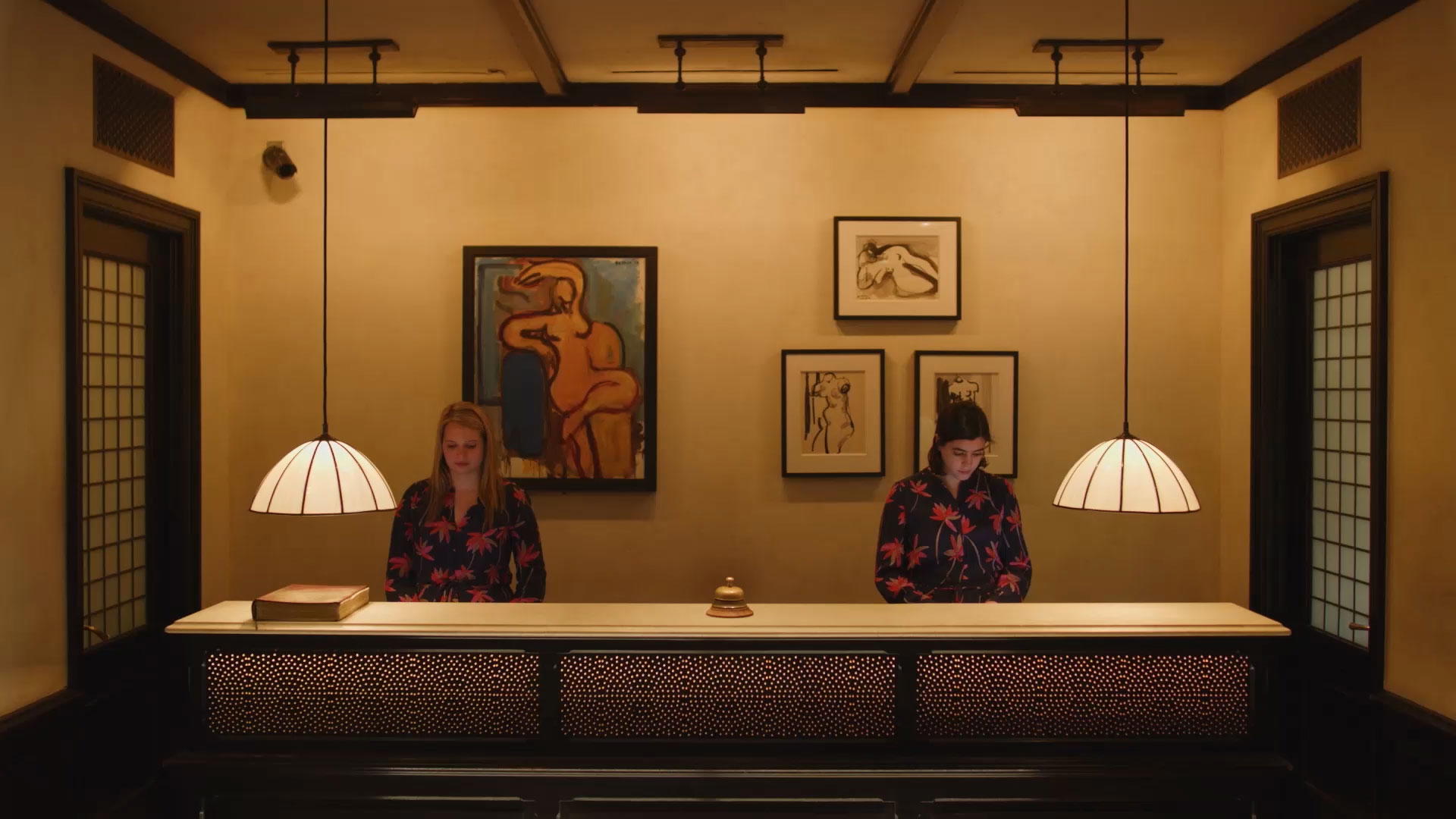
Narrow, candle-lit space with an unpolished, low-key feel featuring a long bar and vinyl playlists of jazz and soul.