Lo de Joaquin Alberdi (JA!)
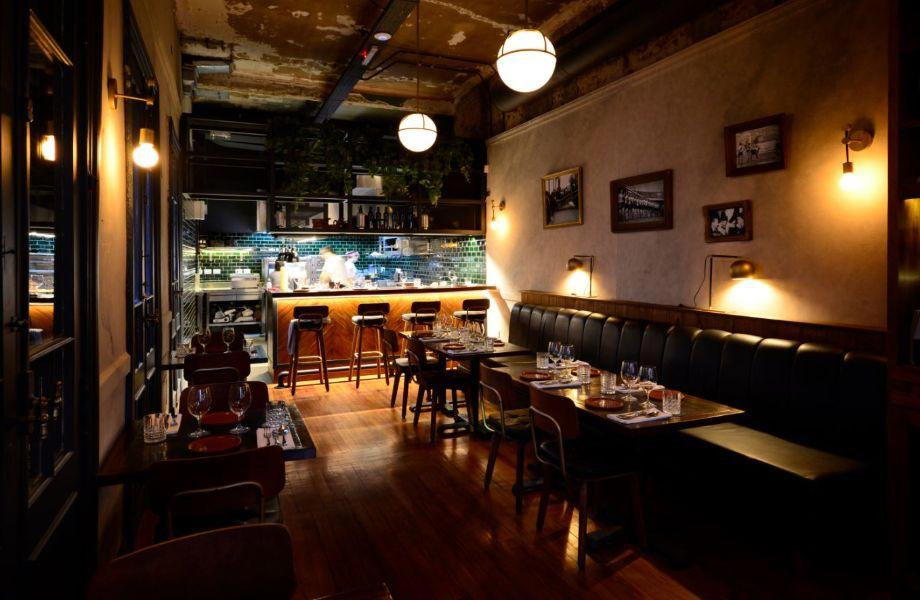
Lo de Joaquin Alberdi (JA!) sits on Jorge Luis Borges 1772 in Palermo, one of Buenos Aires' most concentrated blocks for drinking culture. The bar occupies a neighbourhood where vermouth, fernet, and natural wine have displaced cocktail theatrics as the default social currency. Expect a room shaped by local habit rather than international trend, positioned inside the casual end of Palermo's evening circuit.
Pearl is the En Primeur Club membership app — saves, bookings, and concierge access live there. Same editors, same standards.
- Address
- Jorge Luis Borges 1772, C1414 Cdad. Autónoma de Buenos Aires, Argentina
- Phone
- +54 11 4408 2525
- Website
- api.whatsapp.com
- Directions
- Get directions
 Saves & bookings on Pearl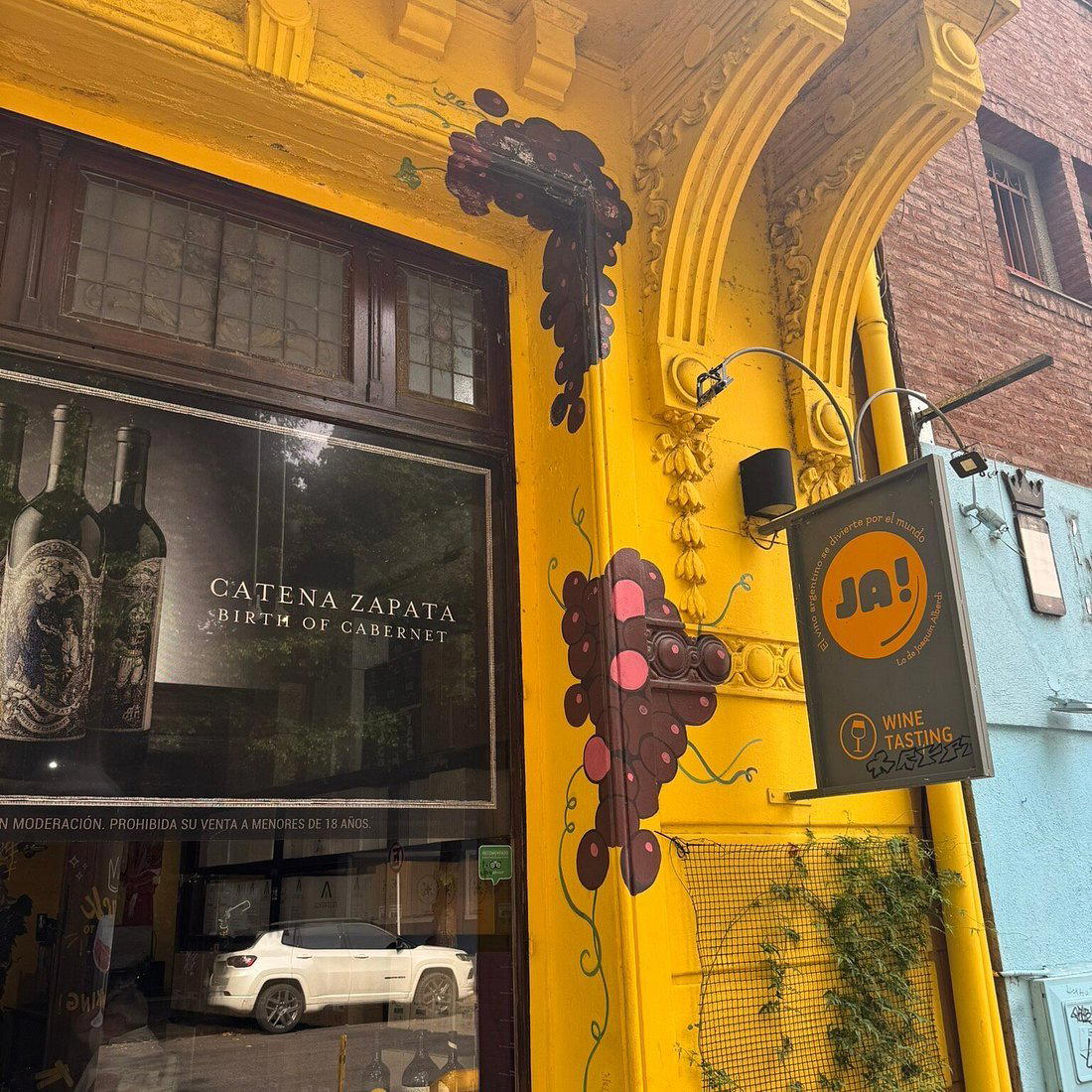
Palermo's Drinking Vernacular, Distilled
Lo de Joaquin Alberdi (JA!) is a casual bar in Buenos Aires, in Palermo at Jorge Luis Borges 1772. Jorge Luis Borges street in Palermo Soho concentrates several of these, and Lo de Joaquin Alberdi, known to regulars and on its own signage as JA!, sits among them. The address alone tells you something. Borges 1772 is deep enough into Palermo Soho that it sees foot traffic from residents rather than tourists moving between landmarks. The room you enter is a product of that geography.
Argentine bar culture did not arrive at its current form by accident. The country's deep Italian and Spanish immigrant roots seeded a drinking tradition built around aperitivo hours, standing at the counter, and the slow glass rather than the hurried round. Fernet con Coca became a national ritual well before it was fashionable elsewhere. Vermouth, drunk neat or with a splash of soda, has been a fixture of Sunday afternoons for generations. JA! operates within that tradition, a bar shaped by what the neighbourhood drinks rather than what international bar lists are rewarding at a given moment.
The Cultural Weight of the Buenos Aires Bar Format
To understand JA!, you need to understand what the neighbourhood bar means in Buenos Aires more broadly. Unlike the speakeasy format that colonised North American drinking culture across the 2010s, or the clinical cocktail-laboratory aesthetic that defined London's recognition-seeking bars, the Buenos Aires barrio bar is a civic institution. It is where the city thinks, argues, flirts, and recovers. The format is horizontal: you are not a guest being served an experience, you are a participant in something that was happening before you arrived and will continue after you leave.
Palermo Soho, the sub-neighbourhood where JA! operates, has absorbed considerable commercial pressure over the past two decades. International brands have arrived on Honduras and Thames. Rooftop bars and chef-driven concepts have multiplied along the main arteries. But the streets slightly off those axes, including Borges, have retained a more functional character. The bars here are used rather than visited, a distinction that matters for travellers deciding how to spend an evening in the city. For a mapped view of how JA! sits within the wider Buenos Aires drinking circuit, the full Buenos Aires restaurants guide places it in neighbourhood context alongside the city's other key drinking and dining clusters.
Where JA! Sits in the Palermo Bar Conversation
Buenos Aires' better-known bar names occupy distinct tiers and formats. Florería Atlantico operates as an internationally recognised cocktail destination, with World's 50 Best recognition and a program built around Argentine botanicals and spirits. 878 Bar occupies a speakeasy-adjacent format that helped define the city's early cocktail revival. CoChinChina leans into a more theatrical, aesthetically driven proposition. Four Seasons anchors the hotel-bar end of the spectrum, with the infrastructure and pricing of the international luxury tier.
JA! occupies different ground. The bar's draw is not a signature cocktail program, a celebrity winemaker, or a recognisable design identity. It is the quality of the room as a social space, a category that Buenos Aires produces with more consistency than most cities. That positioning puts it closer to the city's unspectacular-but-essential tier, bars that regulars would defend before the tourist-facing operations even register in the conversation. For travellers who have already worked through the recognised names, this is where the city's actual drinking habits become legible.
Argentine Wine and the Neighbourhood Bar
The broader Argentine wine moment has created an interesting pressure on the city's bar culture. Mendoza's Malbec dominance gave way, across the last decade, to a more complex national picture: high-altitude whites from Salta, orange wines from smaller producers, and Patagonian Pinot operations working at the opposite end of the country's vast viticultural range. Operations like Antares Mendoza, Colomé Winery in Molinos, and Chato's Wine Bar in Cafayate have been part of that national narrative from the production side. The translation of that narrative into Buenos Aires' bar rooms has been uneven: some bars built lists around it deliberately, others incorporated it organically as producers started appearing at neighbourhood level.
A bar on Borges in Palermo is well-positioned to reflect that shift. The neighbourhood's demographic skews young, educated, and locally oriented in a way that creates demand for Argentine wine served without ceremony, the kind of list where a Torrontés from Salta or a Bonarda from Mendoza sits alongside whatever is on tap without needing a separate section or a sommelier to explain the choice. It is the opposite of the curatorial wine-bar format that has spread across European and North American cities, and it fits the Argentine social drinking tradition more accurately.
Planning Your Visit
JA! is on Jorge Luis Borges 1772, walkable from the main commercial strips of Palermo Soho and accessible from the Scalabrini Ortiz or Plaza Italia Subte stations on Line D. Palermo's bar scene runs late by any standard: arriving before 10pm places you in the early-evening crowd, and the room tends to operate at full social pitch from 11pm onwards on weekends. The bar is walk-in friendly.
The low-intervention, socially functional bar format that JA! represents has more in common with the craft-driven but unpretentious programs at venues like Bar Leather Apron in Honolulu, Jewel of the South in New Orleans, Julep in Houston, or Kumiko in Chicago than with the trophy-bar operations that dominate global 50 Best lists. What connects them is a preference for the room as social infrastructure over the room as performance.
Cost and Credentials
Comparable venues nearby, for context on price, style, and recognition.
| Venue | Cuisine | Price | Notes |
|---|---|---|---|
| Lo de Joaquin Alberdi (JA!)This venue — the venue you are viewing | Not listed | $$ | Not listed |
| The Clubhouse | Palermo, lounge | $$ | Not listed |
| Rodney Bar | Chacarrita, pub | $$ | Not listed |
| Anchoita Cava | Not listed | $$ | Chacarrita, wine_bar |
| Verne Club | Not listed | $$ | Once, cocktail_bar |
| La mía vita restaurante | Palermo, Bar | $$$ | Not listed |
Continue exploring
More in Buenos Aires
Bars in Buenos Aires
Browse all →
Restaurants in Buenos Aires
Browse all →

Hotels in Buenos Aires
Browse all →
Wineries in Buenos Aires
Browse all →
At a Glance
- Cozy
- Classic
- Intimate
- Date Night
- Casual Hangout
- Standalone
- Seated Bar
- Conventional Wine
Current opening hours
- Monday
- 11 AM–9 PM
- Tuesday
- 11 AM–9 PM
- Wednesday
- 11 AM–9 PM
- Thursday
- 11 AM–9 PM
- Friday
- 11 AM–9 PM
- Saturday
- 11 AM–9 PM
- Sunday
- 12–8 PM
Hours can change for holidays and private events. Last verified .
Warm and welcoming with a cozy, intimate atmosphere ideal for wine education and enjoyment.