On Chapinero's Carrera 9, Llorente Restaurante Bar occupies a stretch of Bogotá that has become a reference point for the city's mid-tier dining and drinking scene. The venue sits at the intersection of restaurant and bar culture that defines this part of the capital, where the evening typically moves from table to glass without a hard boundary between the two. For visitors building an itinerary across Colombia's bar scene, it belongs on the same shortlist as the city's established Chapinero addresses.
- Address
- Cra. 9 # 69-07, Chapinero, Bogotá, Cundinamarca, Colombia
- Phone
- +57 350 7840444
- Directions
- Get directions
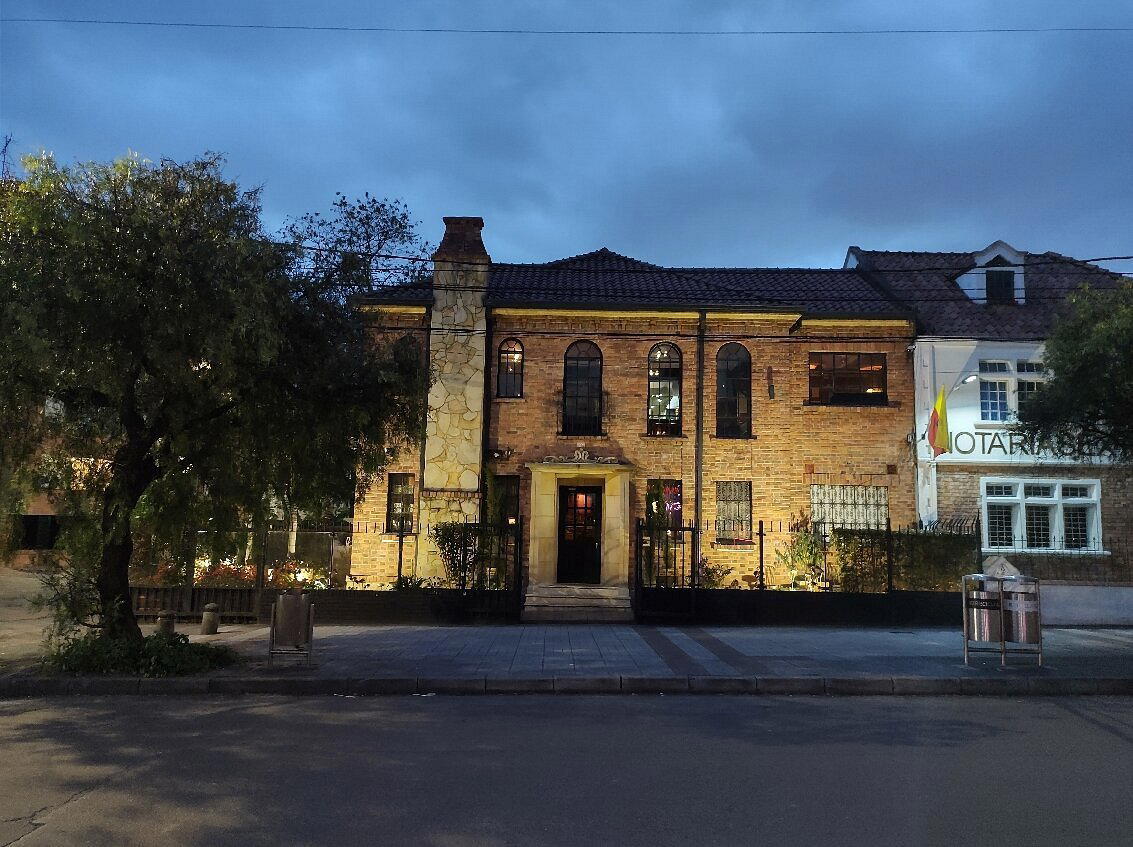
Chapinero's Dual Identity: Where the Neighborhood Shapes the Glass
Carrera 9 in Chapinero occupies a particular register in Bogota's social geography. The avenue runs through a district that has spent the last decade consolidating a reputation as the city's most culturally porous corridor: part residential, part creative, part nightlife, with none of those categories fully dominant at any given hour. A restaurante-bar format in this stretch is less a novelty than a logical response to how the neighborhood actually functions. People move between errands, work meetings, and evening plans without the sharp segmentation that defines more formal dining zones like Zona Rosa or Chicó. Llorente Restaurante Bar is a bar at Cra. 9 # 69-07, Chapinero, Bogotá, Cundinamarca, Colombia, and it is permanently closed.
This matters because Chapinero's bars and restaurant-bars are not operating in the same competitive frame as the polished hotel outlets clustered further north. The B.O.G. Hotel tier represents one version of Bogota drinking culture: international reference points, controlled environments, service calibrated to business travelers. Chapinero's better addresses answer a different question, one about how locals actually spend time when the occasion doesn't demand formality. That distinction is what makes the neighborhood worth understanding before you walk into any venue in it.
The Restaurante-Bar Format in a City That Does It Well
Colombia's major cities have developed a specific confidence with the combined restaurant-bar format that many other Latin American capitals have not. In Bogota, this has less to do with any single trend and more to do with the city's altitude, climate, and the way afternoon social time bleeds into evening without a hard reset. Bogota sits above 2,600 metres, which compresses alcohol's effects and shifts the rhythm of an evening out. Venues that work across multiple hours of the day, anchoring both a food moment and a drinks moment, tend to outperform single-purpose spots in terms of sustained neighborhood relevance.
The format has traceable precedents in Colombia's bar culture more broadly. Alquímico in Cartagena demonstrated that a multi-floor, multi-function venue could hold serious cocktail programming alongside food without either element suffering. Bar Carmen in Medellín showed how a well-located neighborhood bar could earn editorial recognition by maintaining program discipline. These aren't the only reference points, but they're useful ones for calibrating what the restaurante-bar concept looks like when it's executed with intention across Colombian cities.
Chapinero as Context: What the Address Signals
Understanding Chapinero requires separating it from the broader Bogota north-south axis that most visitors default to. The neighborhood has a distinct density of independent venues operating without the marketing infrastructure of larger hospitality groups. La Sala de Laura and Armando Records represent the kind of locally embedded, culturally specific programming that Chapinero has made its signature: venues that carry strong identity without needing to position themselves against international benchmarks.
This localism is not insularity. Bogota's bar scene has been paying close attention to international cocktail development for several years, and Chapinero addresses in particular tend to absorb those influences while retaining a distinctly local social function. The neighborhood draws a clientele that skews younger and more local than the hotel bar crowd, but the range of people who move through on any given evening is wide. Carrera 9 specifically acts as a connector between sub-zones within Chapinero, which gives addresses along it a different kind of foot traffic than side streets further into the barrio.
For reference, Atlas, restaurante-bar operates in a similar Bogota format and gives a useful comparison point for how the combined category tends to be structured: food programs that anchor the early evening, drinks that carry through later hours, and a physical space designed to accommodate both without feeling split between two purposes.
Planning a Visit: What the Neighborhood Requires
Chapinero rewards ground-level navigation more than advance planning. The density of options along and near Carrera 9 means that an evening in the neighborhood tends to move across two or three stops rather than anchoring to a single venue. Llorente's address at # 69-07 places it in a walkable section, but Bogota's traffic and altitude make it worth arriving without the assumption that you'll easily move across larger distances later. Ridesharing is available and widely used across the city; the neighborhood is not difficult to reach from Zona Rosa or the Parque 93 corridor.
Booking intelligence for Chapinero venues varies considerably. Independent restaurante-bar formats in this price tier often operate with flexible reservations or walk-in availability on weeknights, while weekends can require more forward planning depending on the specific program and season.
Globally, the restaurante-bar format that Chapinero exemplifies has parallels in cities where the distinction between eating and drinking spaces has softened over the past decade. Jewel of the South in New Orleans and Julep in Houston represent the American south's version of venues that hold serious food and drink programming under one roof without either becoming subordinate. Bar Leather Apron in Honolulu takes the format into Pacific territory. What connects these geographically scattered addresses is a shared logic: the neighborhood or city's social tempo shapes the format as much as any deliberate concept decision.
Colombia's coastal cities offer their own contrasts. La Troja in Barranquilla and BK Burukuka in Santa Marta show how the restaurante-bar category shifts when climate and coastal culture replace Bogota's altitude-driven indoor rhythm.
At a Glance
Comparable venues nearby, for context on price, style, and recognition.
| Venue | Cuisine | Price | Notes |
|---|---|---|---|
| Llorente Restaurante BarThis venue — the venue you are viewing | Not listed | $$$ | Not listed |
| Huerta Coctelería Artesanal | Not listed | $$$ | El Retiro, cocktail_bar |
| Bar Enano | El Nogal, speakeasy | $$$ | Not listed |
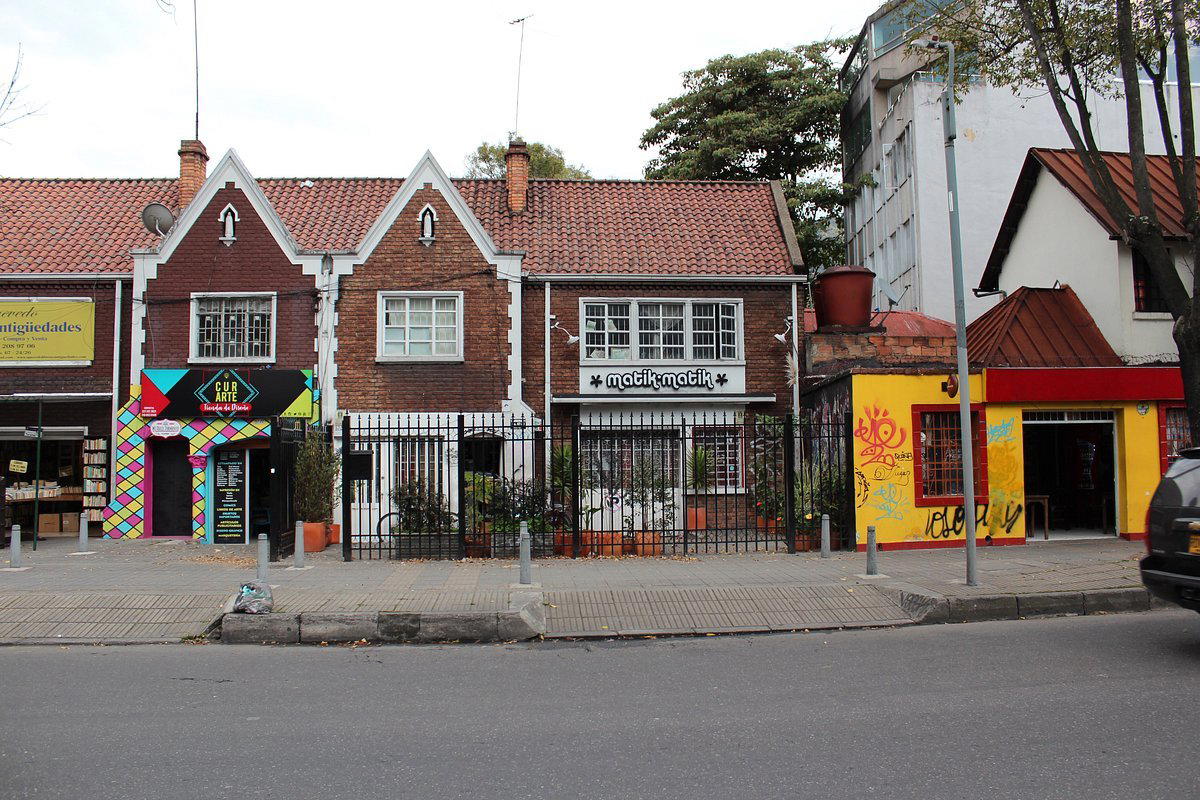
| Matik Matik | Quinta Camacho, lounge | $$ | Not listed |
| Oficial | La Cabrera, Bar | Not listed | Not listed |
| Teatro De Garaje | Chapinero Central, Bar | $$ | Not listed |
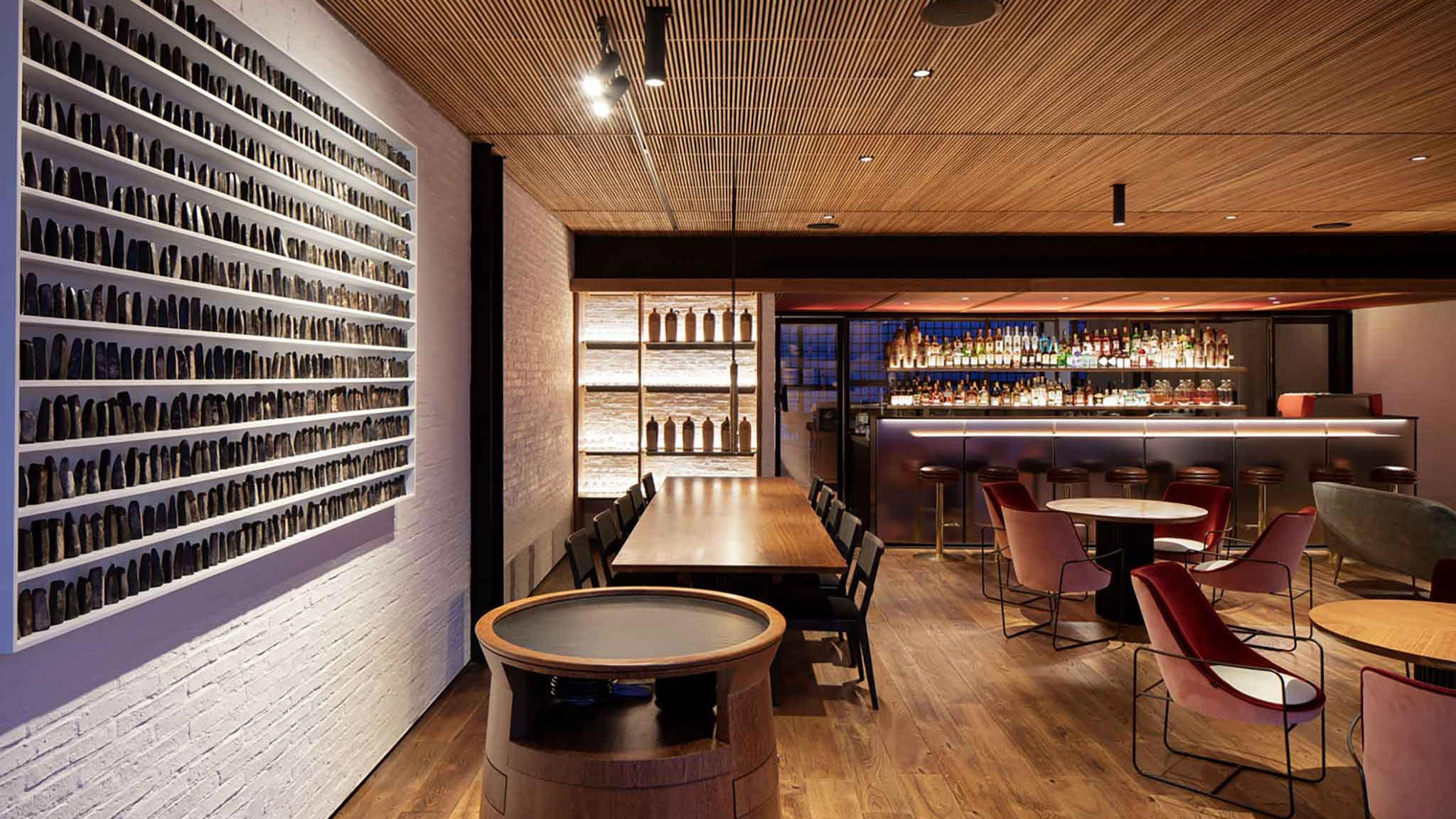
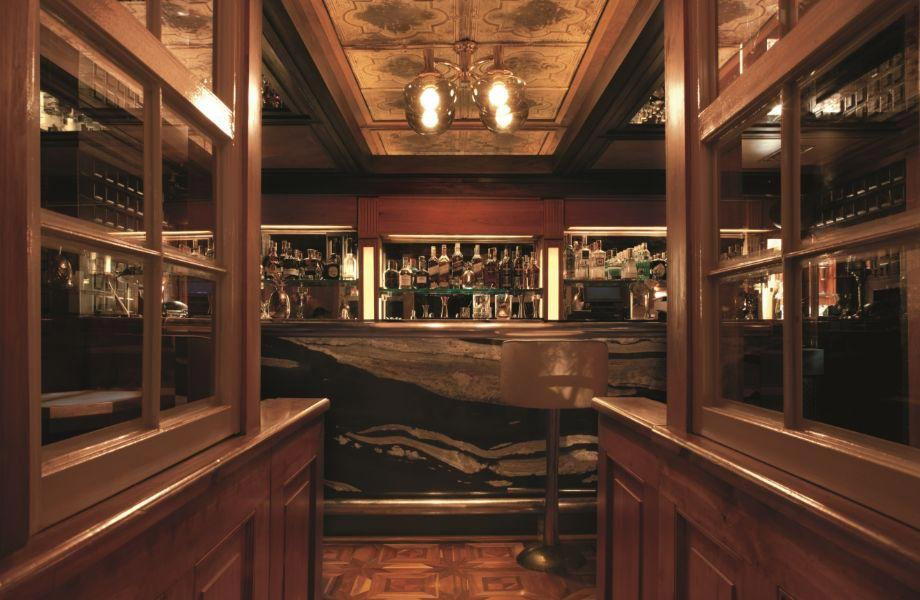
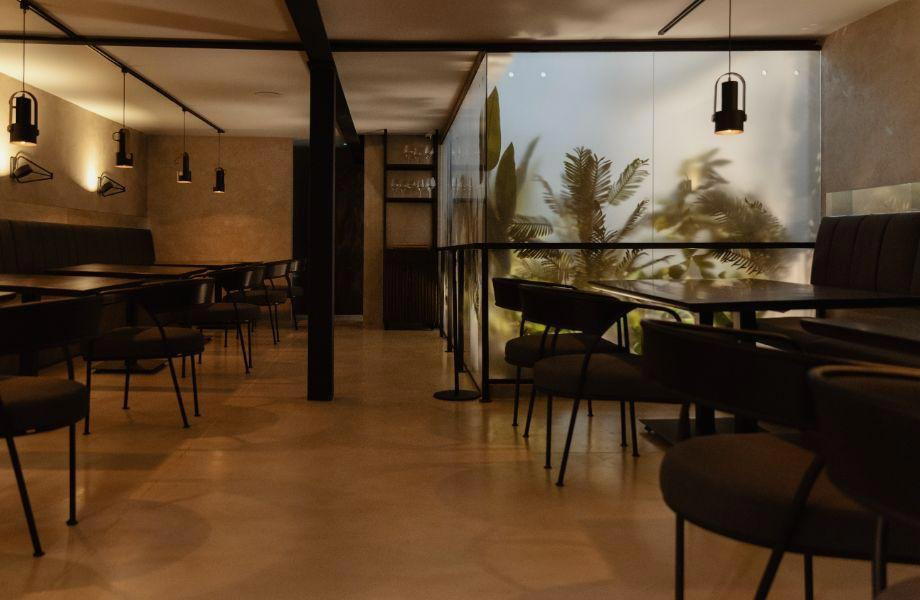
At a Glance
- Trendy
- Cozy
- Elegant
- Date Night
- Late Night
- Casual Hangout
- Live Music
- Lounge Seating
- Booth Seating
- Craft Cocktails
- Classic Cocktails
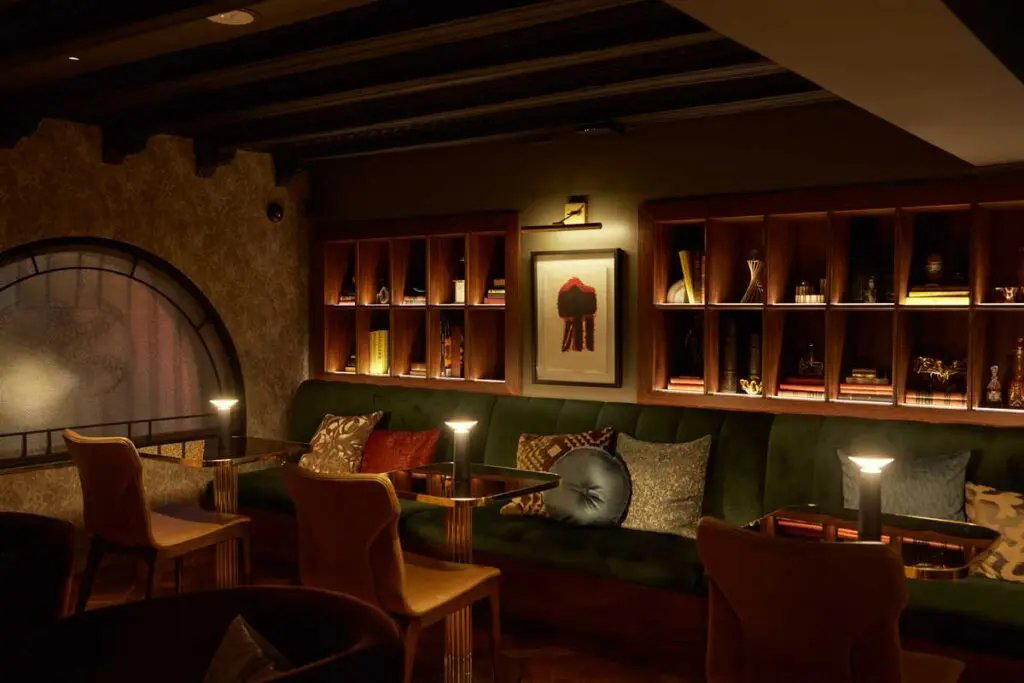
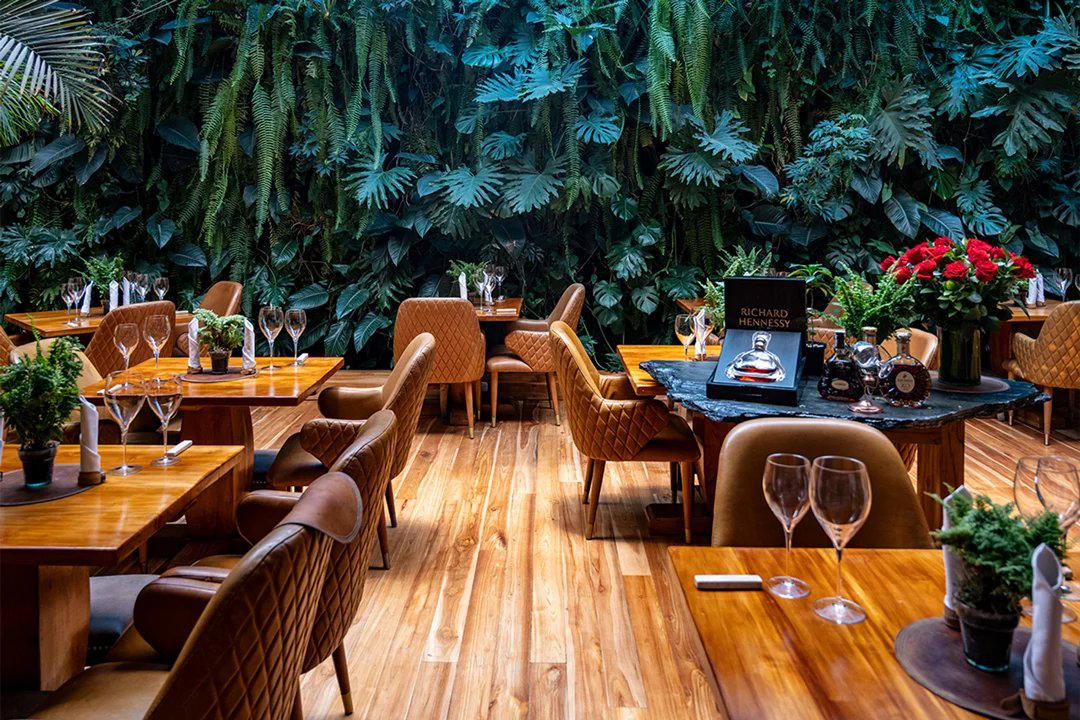
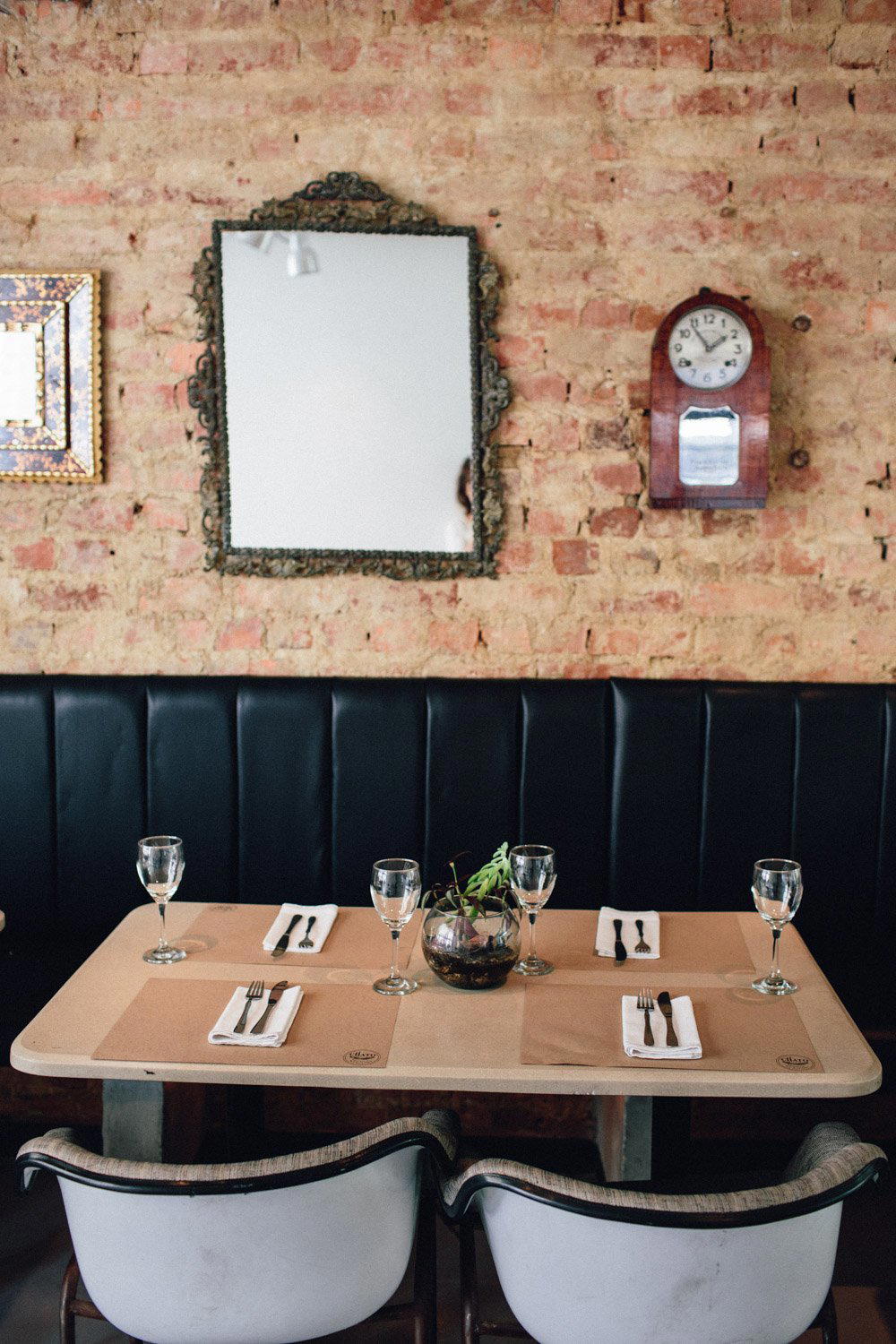
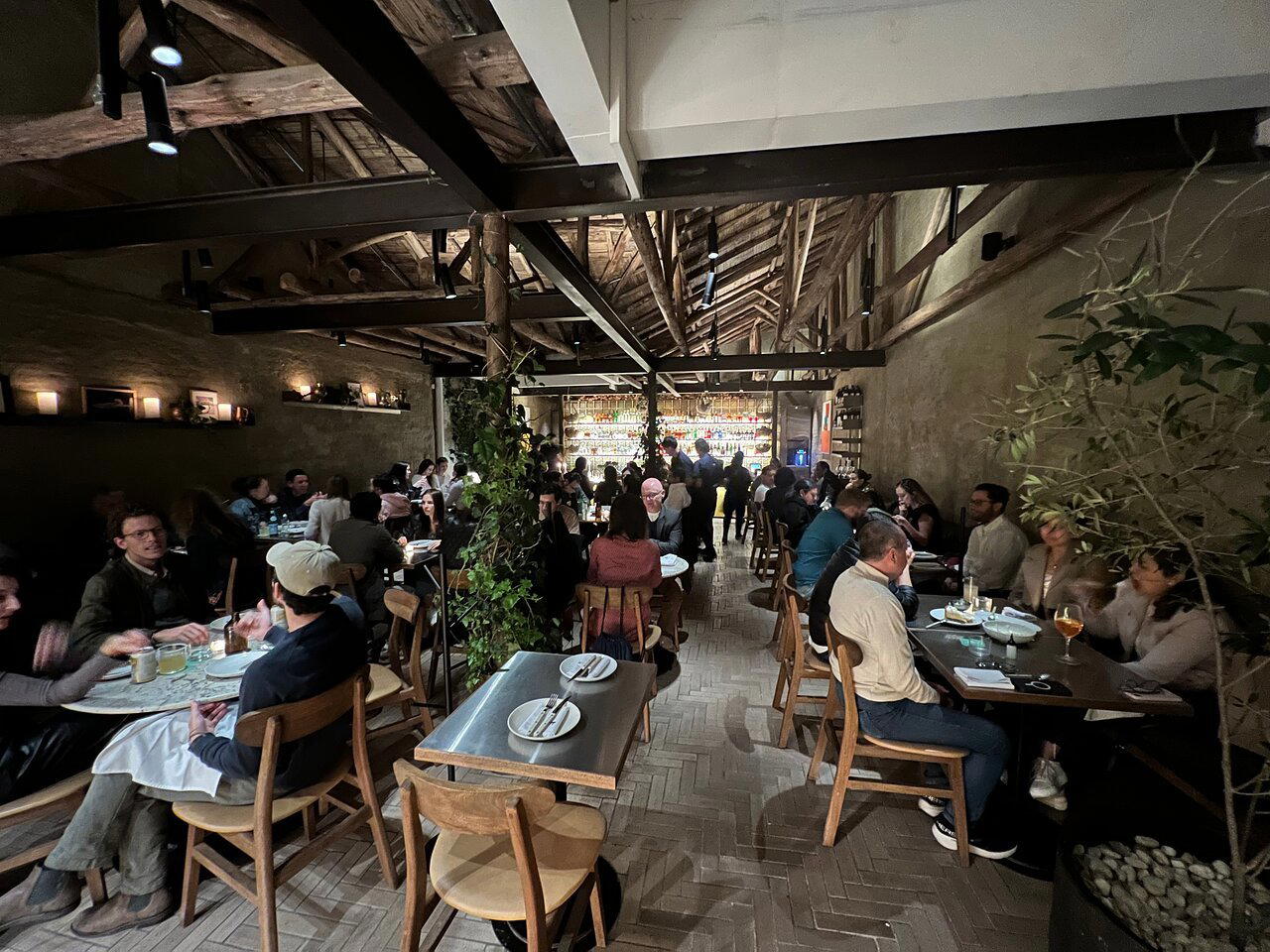
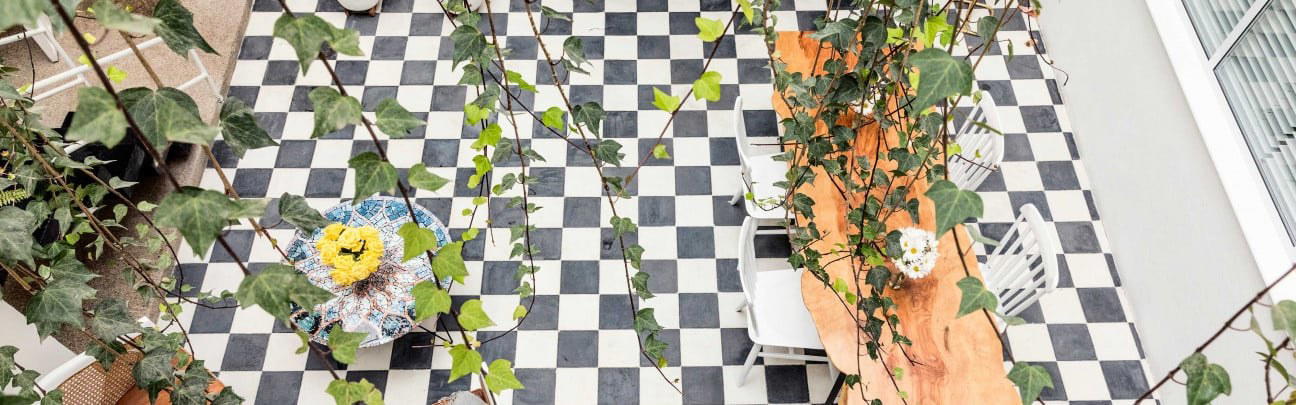
Cozy seating with warm ambiance, sleek and charming atmosphere.