Last Saint
Last Saint occupies a basement-level space on Meeting Street in Charleston's upper peninsula, where the city's cocktail culture has shifted toward atmosphere-led drinking rooms that prioritize mood over spectacle. The bar sits in a neighborhood corridor increasingly defined by deliberate, design-conscious venues. Visitors come for the environment as much as what's in the glass.
Pearl is the En Primeur Club membership app — saves, bookings, and concierge access live there. Same editors, same standards.
- Address
- 472 Meeting St B, Charleston, SC 29403
- Website
- lastsaintchs.com
- Directions
- Get directions
 Saves & bookings on Pearl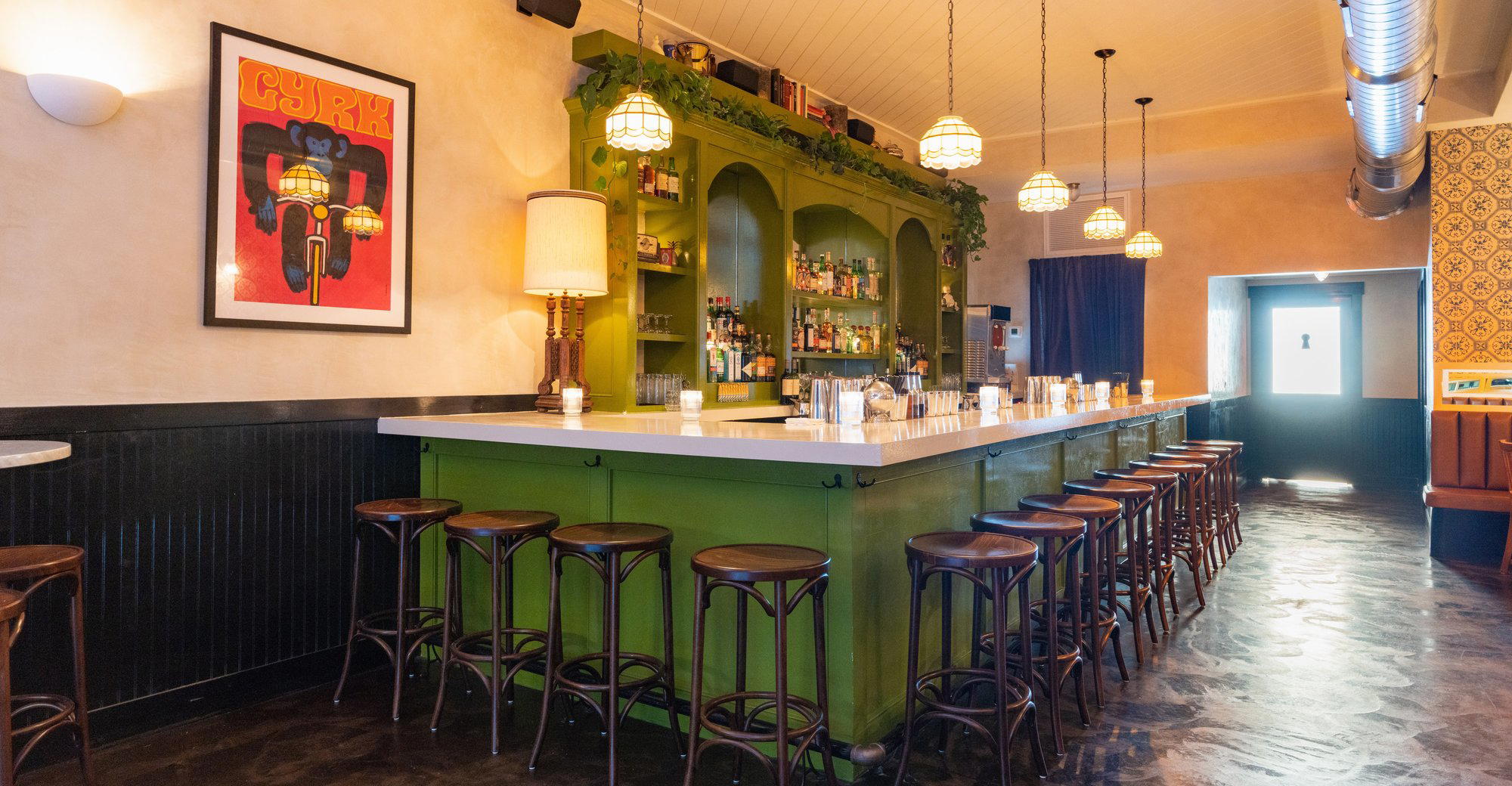
Meeting Street After Dark: How Charleston Built a Serious Drinking Room
Charleston's cocktail scene has spent the better part of a decade sorting itself into tiers. The tourist-facing bars of King Street operate one kind of logic: high volume, accessible formats, Southern hospitality performed at scale. A smaller tier has developed separately, in quieter corridors and below-street-level addresses, where the lighting is lower, the programming is more deliberate, and the room itself does as much work as the menu. Last Saint, at 472 Meeting Street, belongs to this second category. The address puts it on Meeting Street in Charleston.
The lower-ground positioning matters. Bars that occupy basement or semi-basement spaces in American cities tend to develop a particular interior logic: they can control light completely, they're insulated from street noise, and the act of descending creates a threshold effect that above-grade venues don't get for free. Charleston's humidity and heat make a cool, dim interior feel like a deliberate antidote to the city outside. Last Saint works within that framework. The approach to the space, below street level, set back from the sidewalk traffic of Meeting Street, signals the kind of bar it is before you've ordered anything.
The Room as the Argument
In cocktail culture broadly, the design-led drinking room has become its own genre. Cities like Chicago, New York, and Honolulu have each produced examples where the physical environment is the primary editorial statement and the drinks program follows from it rather than the other way around. Kumiko in Chicago is the clearest American model for this approach: a space where materiality, light, and spatial proportion carry as much meaning as what's on the menu. Bar Leather Apron in Honolulu operates similarly, with a compressed, considered room that makes the drinking feel ceremonial. Last Saint operates in this tradition, though it does so within a Southern city that has its own distinct relationship to hospitality, one that tends toward warmth and informality even when the surroundings are polished.
What defines this category of bar across geographies is that the atmosphere is not decorative. The lighting choices, the seating arrangement, the acoustics, the ratio of bar seating to table seating: these are functional decisions that determine what kind of conversation happens, how long people stay, and whether the drinks get the attention they're designed to receive. A bar that gets this right doesn't need theatrical programming or rotating installations. The room does the work continuously. The bar's positioning within Charleston's bar scene suggests it is operating in this mode, where the physical environment is the through-line and the drinks program finds its register from there.
Where Last Saint Sits in Charleston's Bar Tier
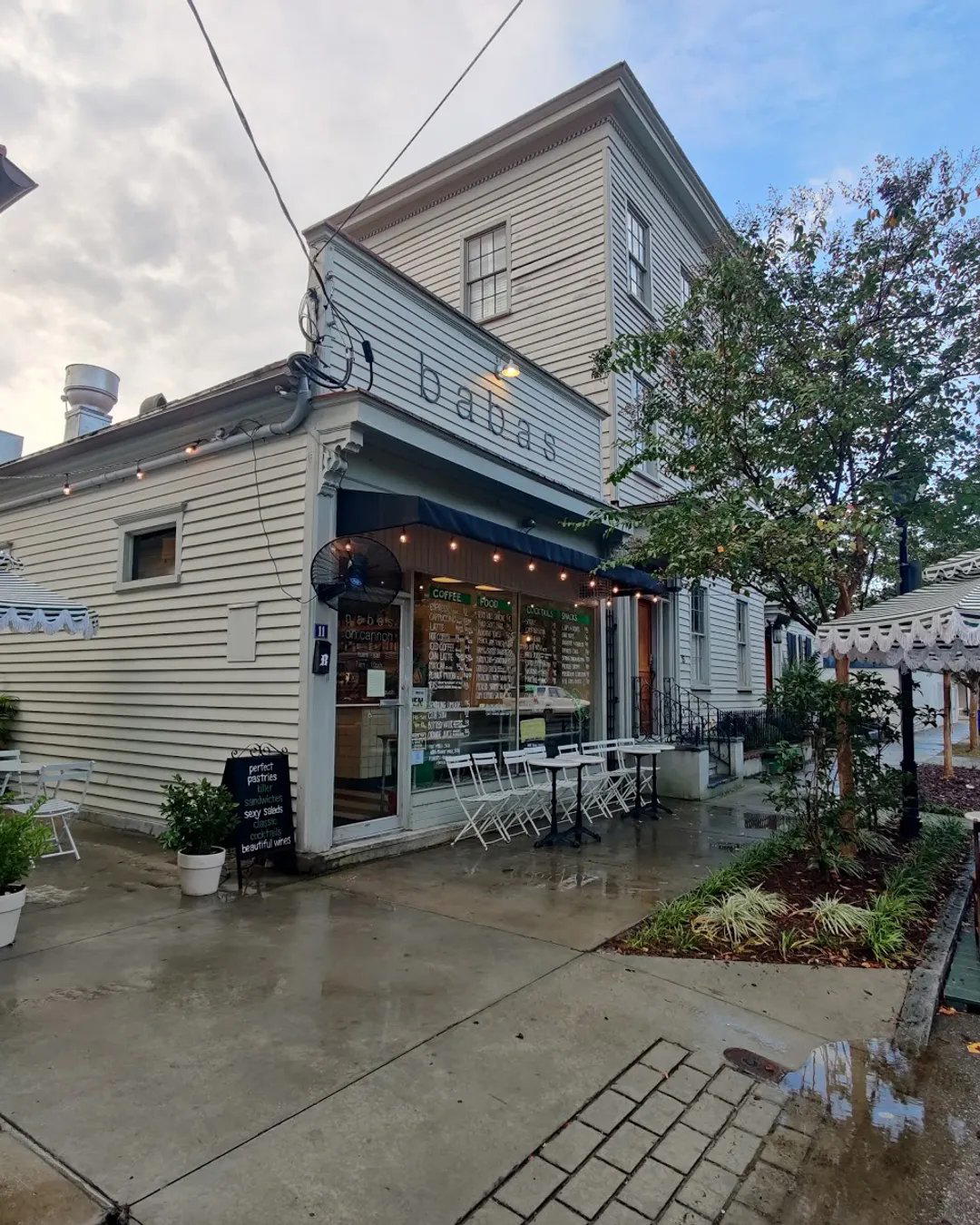
Charleston has a developed cocktail culture relative to its size. The city's most referenced bar addresses span formats: The Cocktail Club operates a high-volume, technically credentialed program in a multi-room space; 39 Rue de Jean anchors a French brasserie format where the bar is integrated into a full dining experience; 82 Queen draws heavily on the historic district's tourism pull; babas on cannon has built a reputation around a more neighborhood-facing, low-key format. The bar sits in a different position from all of them: atmosphere-primary, destination-oriented without being tourist-facing, and physically set apart from the highest-traffic zones.
That positioning puts it in a peer conversation with bars outside Charleston as much as within it. The design-led, mood-first drinking room is a format that has proliferated in mid-sized American cities over the past five years. Jewel of the South in New Orleans is a comparable reference point: a bar that takes the heritage of its city seriously while operating in a register that appeals to a drinking public interested in craft and atmosphere equally. Julep in Houston and ABV in San Francisco represent the same trend in different climates and neighborhoods. Even internationally, the format has consistent markers: The Parlour in Frankfurt on the Main demonstrates that the design-led bar translates across radically different hospitality cultures. Superbueno in New York City shows the format working inside a city where the bar market is far more saturated, which is its own form of validation.
Planning Your Visit to Last Saint
The bar is located at 472 Meeting Street, Suite B, the Suite B designation is the cue that the entrance is not at street level or the primary building face. First-time visitors should allow a moment to orient to the address rather than walking past it. The upper Meeting Street stretch is walkable from the Cannonborough-Elliotborough neighborhood and from the northern end of the King Street corridor, though it sits outside the densest concentration of the historic district's bar activity, which is part of what keeps the room's character intact. Booking is recommended, and the bar is open daily from 5 PM to 2 AM. For a broader orientation to drinking in the city, the full Charleston guide maps the bar scene by neighborhood and format.
Price and Positioning
Comparable venues nearby, for context on price, style, and recognition.
| Venue | Cuisine | Price | Notes |
|---|---|---|---|
| Last SaintThis venue — the venue you are viewing | Not listed | $$$ | Not listed |
| Leyla Fine Lebanese Cuisine | Harleston Village, Bar | $$$ | Not listed |
| Élevé Rooftop Restaurant & Lounge | Not listed | $$$$ | downtown, rooftop_bar |
| Bar Marti | Not listed | Not listed | :null, Bar |
| The Belmont | Not listed | $$$ | Upper King Street, cocktail_bar |
| Leon's | Not listed | $$ | Upper King Street, cocktail_bar |
Continue exploring
More in Charleston
Bars in Charleston
Browse all →
Restaurants in Charleston
Browse all →
At a Glance
- Trendy
- Modern
- Sophisticated
- Intimate
- Date Night
- Late Night
- Casual Hangout
- Speakeasy
- Seated Bar
- Lounge Seating
- Craft Cocktails
- Classic Cocktails
Current opening hours
- Monday
- 5 PM–2 AM
- Tuesday
- 5 PM–2 AM
- Wednesday
- 5 PM–2 AM
- Thursday
- 5 PM–2 AM
- Friday
- 5 PM–2 AM
- Saturday
- 5 PM–2 AM
- Sunday
- 5 PM–2 AM
Hours can change for holidays and private events. Last verified .
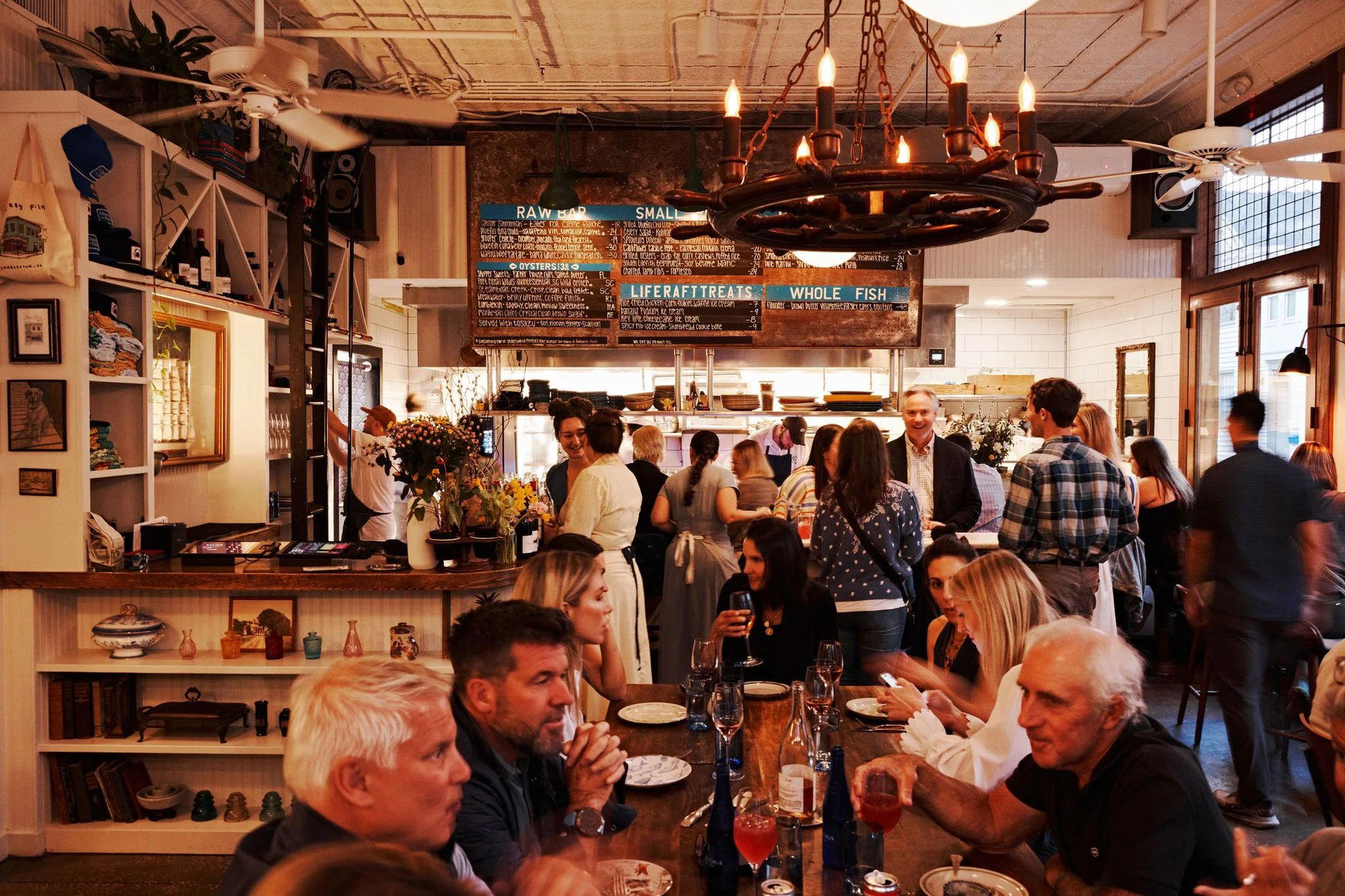
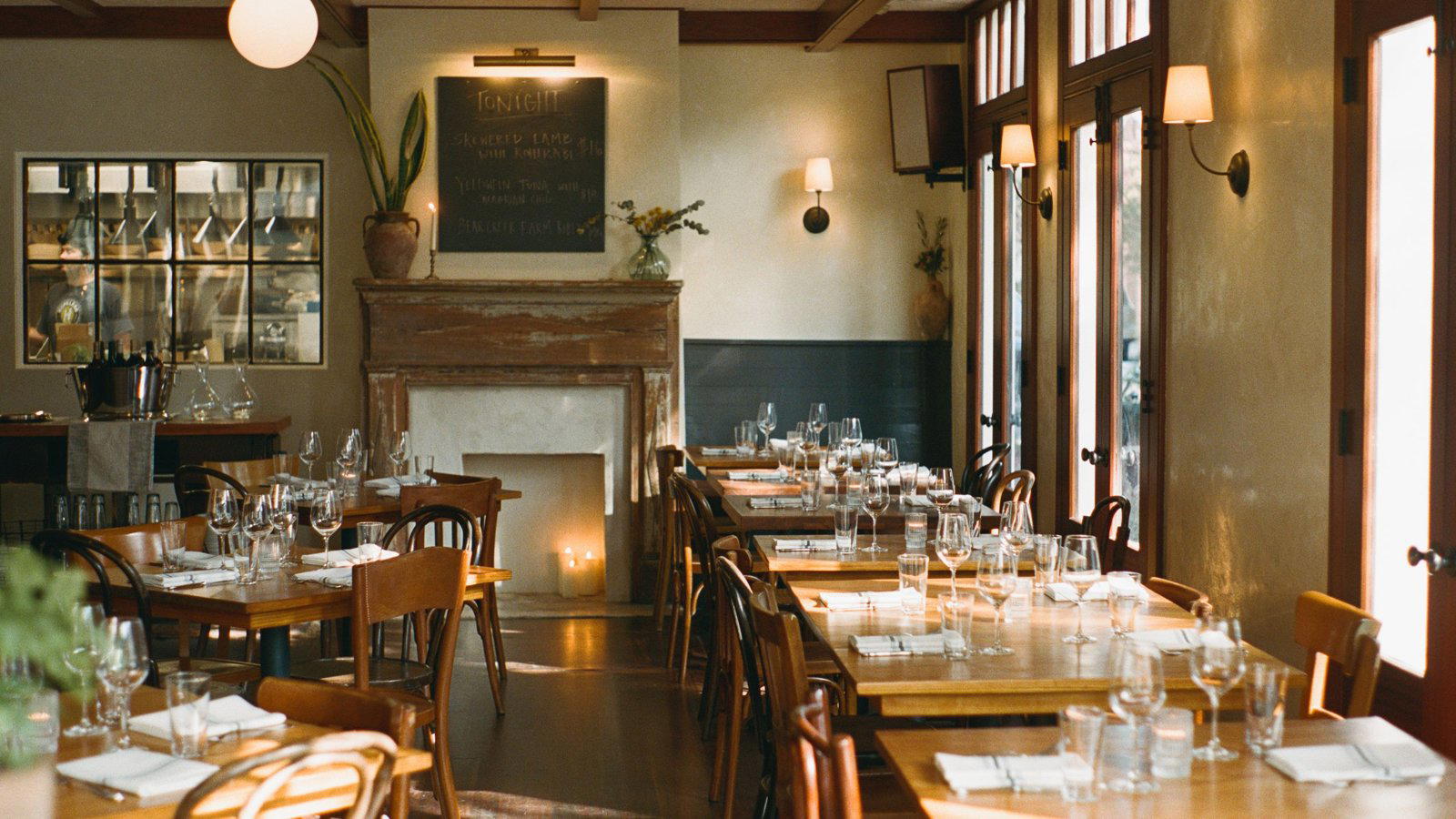
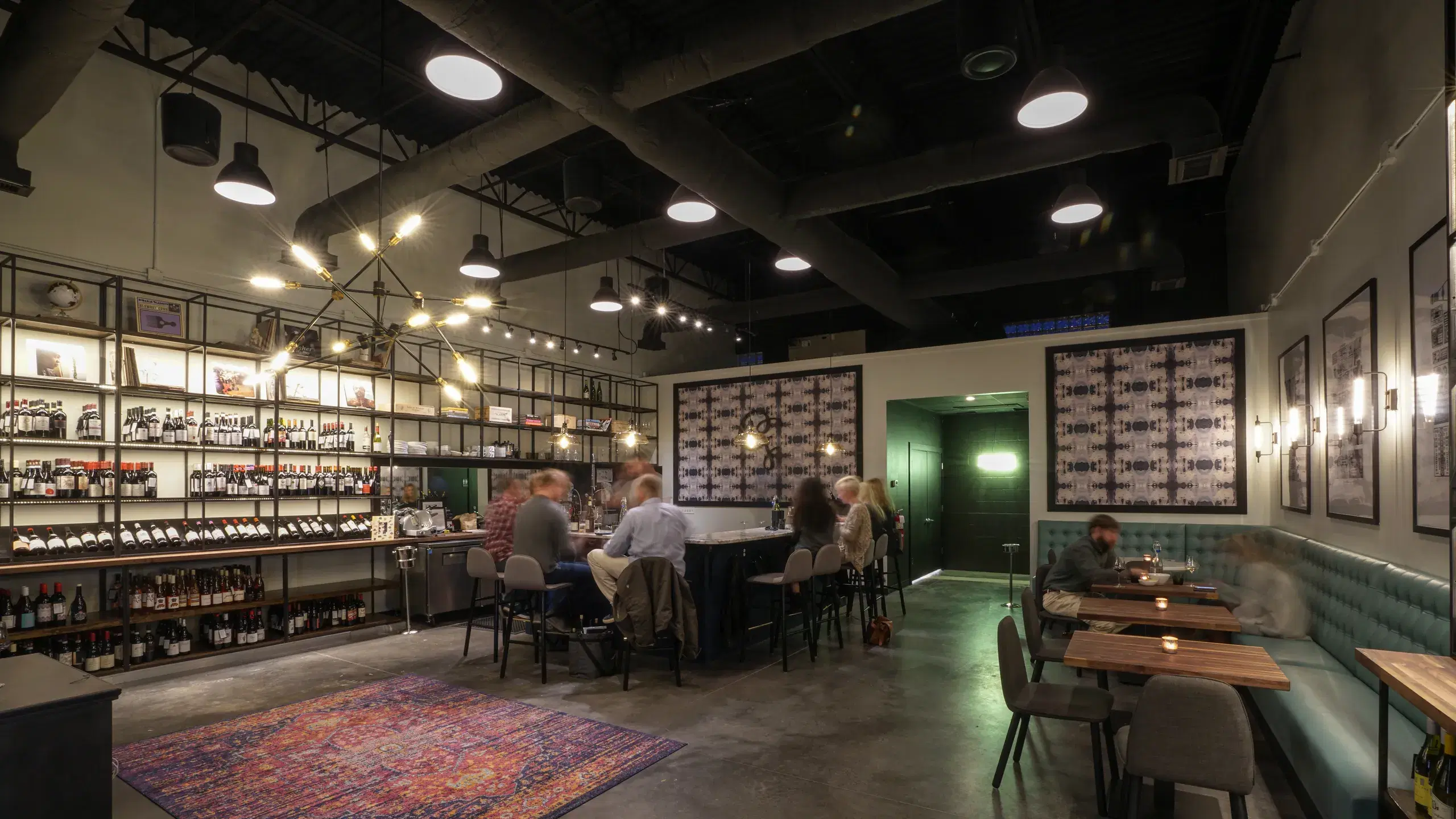
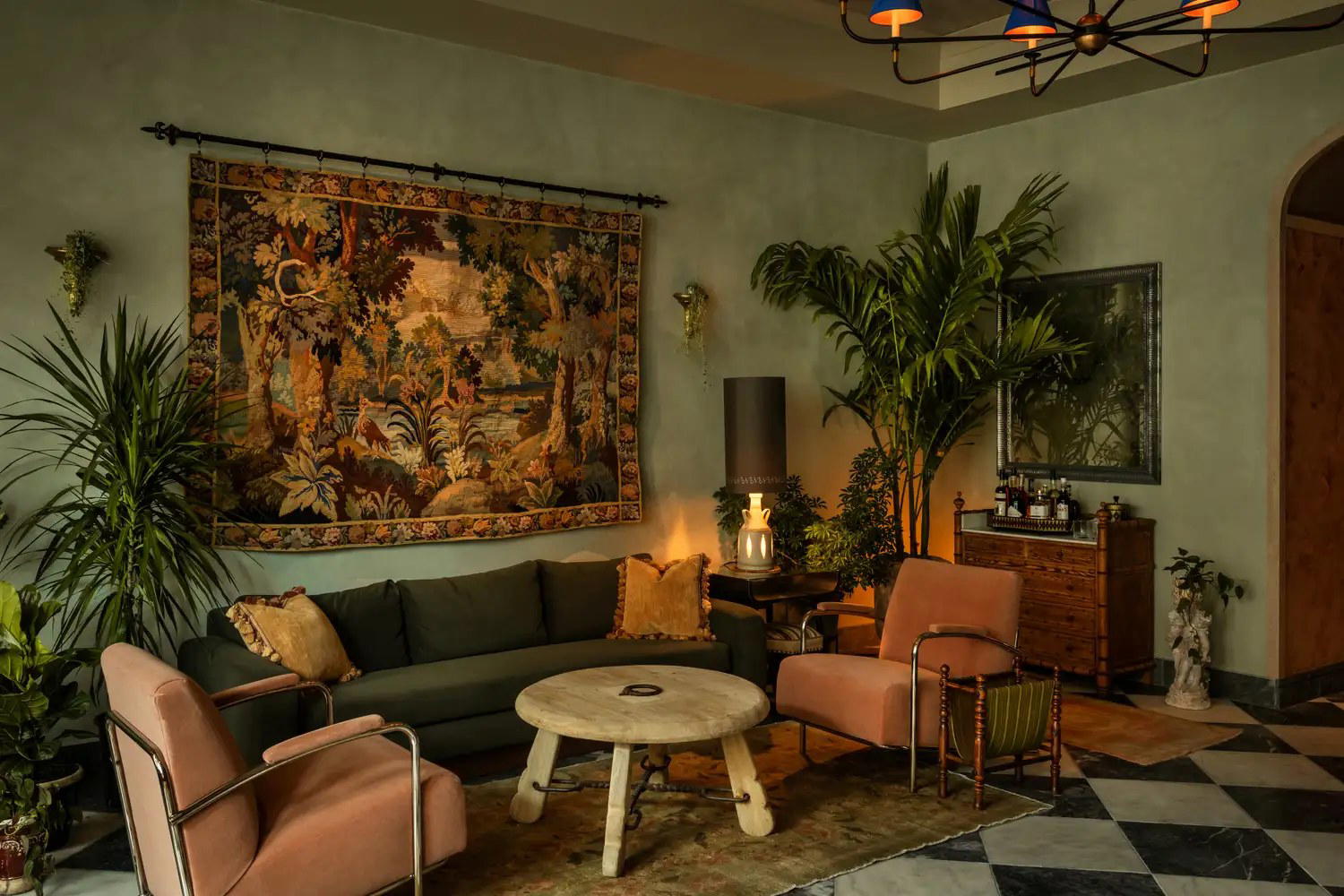
Low-lit, dark, chic decor blending sophistication and warmth with a lively, loud atmosphere.