Lamberts
Lamberts occupies a prominent corner on West 2nd Street in Austin's downtown core, positioning itself within the city's serious bar and dining conversation rather than its louder entertainment corridors. The room rewards attention: the collaboration between floor, bar, and kitchen programs is what holds the experience together, and the cocktail list draws consistent praise from regulars who treat the address as a reliable anchor in a shifting scene.
 Discover on Pearl
Pearl is the En Primeur Club membership app — saves, bookings, and concierge access live there. Same editors, same standards.
- Address
- 401 W 2nd St, Austin, TX 78701
- Phone
- +1 512 494 1500
- Website
- lambertsaustin.com
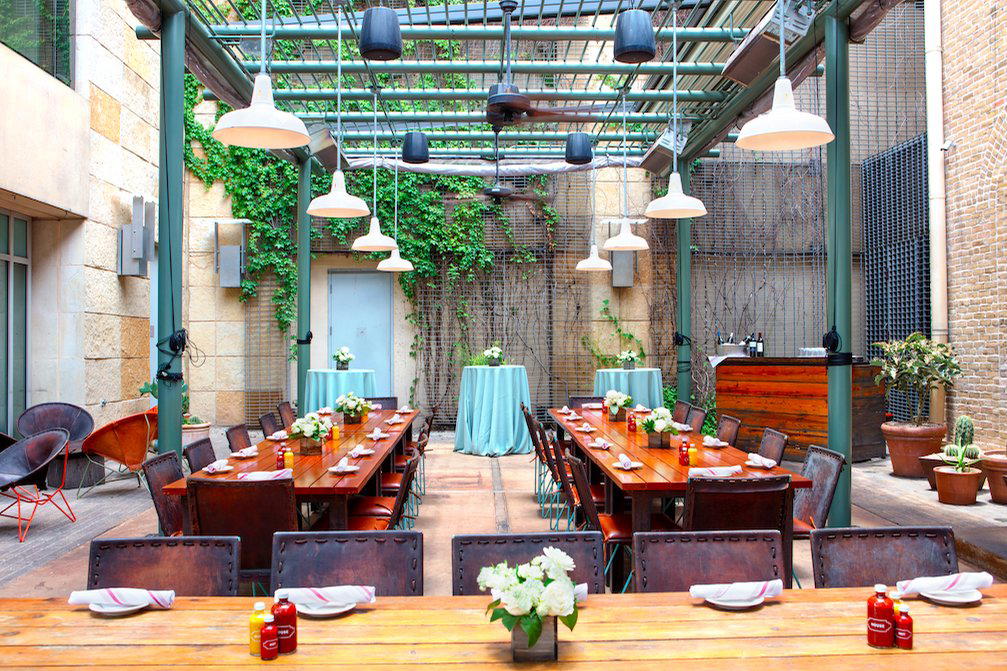
West 2nd Street and the Case for Downtown Anchors
Austin's downtown drinking and dining scene has reorganized itself several times over the past decade. The Rainey Street corridor pulled energy south and east, the East 6th cluster drew a younger crowd chasing natural wine and low-intervention spirits, and Red River's live-music axis kept its own logic entirely separate from the food conversation. Against that centrifugal pull, West 2nd Street has retained a different character: a stretch where the buildings are older, the square footage more generous, and the operators tend to think in years rather than seasons.
Lamberts, at 401 W 2nd St, sits in that longer-horizon category. The address places it within walking distance of the Texas State Capitol and the broader Government District, which shapes its crowd at lunch and early evening before a more mixed group takes over later in the night. That dual rhythm, common to serious downtown rooms in most American cities, tends to produce a particular kind of service culture: one that can move quickly for a power lunch and slow down deliberately for a late cocktail without losing its center of gravity.
How the Room Works
Downtown Austin's premium bar-and-dining spaces have split, broadly, into two formats over recent years. One is the high-concept single-focus room, built around a tasting menu or a specific spirit category, demanding a reservation weeks out and calibrated for a single type of occasion. The other is the full-service anchor, which sustains a bar program, a kitchen, and a front-of-house capable of handling several types of visit at once. Lamberts belongs to the second category, and within that category the execution of each individual component matters more than the concept on paper.
The front-of-house function in rooms like this carries more weight than it tends to receive in editorial coverage. When the bar program, the kitchen, and the floor operate as aligned units rather than parallel departments, the effect is a room where the experience holds together across different time slots and different levels of formality. The failure mode, common enough to be observable across Austin's downtown stock, is a beautiful bar attached to a kitchen that doesn't communicate with it, or a service team that defaults to scripted hospitality when the table calls for something more responsive. The better rooms avoid that fragmentation.
The Cocktail Program in Context
Austin's cocktail bars now span a wide range of technical ambition. At the higher end of the spectrum, venues like Nickel City have built sustained reputations around specific program philosophies, and the city's bar scene connects outward to comparable rooms in other American cities: Kumiko in Chicago, Jewel of the South in New Orleans, Julep in Houston, and ABV in San Francisco all operate within a recognizable register of serious American craft cocktail culture. Internationally, the same conversation includes rooms like Bar Leather Apron in Honolulu and The Parlour in Frankfurt on the Main.
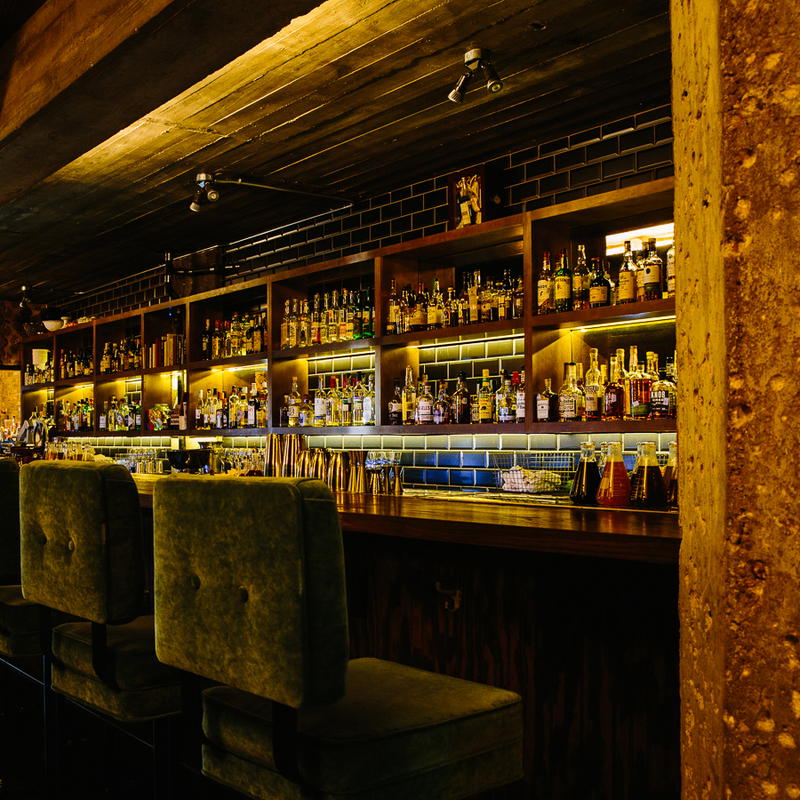
Within Austin specifically, the venues that accumulate strong cocktail reputations over time tend to share a few characteristics: a bar team that rotates seasonal ingredients without abandoning the core identity of the list, a willingness to maintain classic builds alongside more experimental offerings, and a physical bar that functions as a destination in itself rather than a service counter appended to a dining room. Lamberts draws consistent recommendation from regulars specifically on the cocktail side, which in a full-service downtown room is a meaningful signal. It suggests that the bar program operates with enough independence and discipline to earn trust from guests who could go to a cocktail-only venue instead and choose not to.
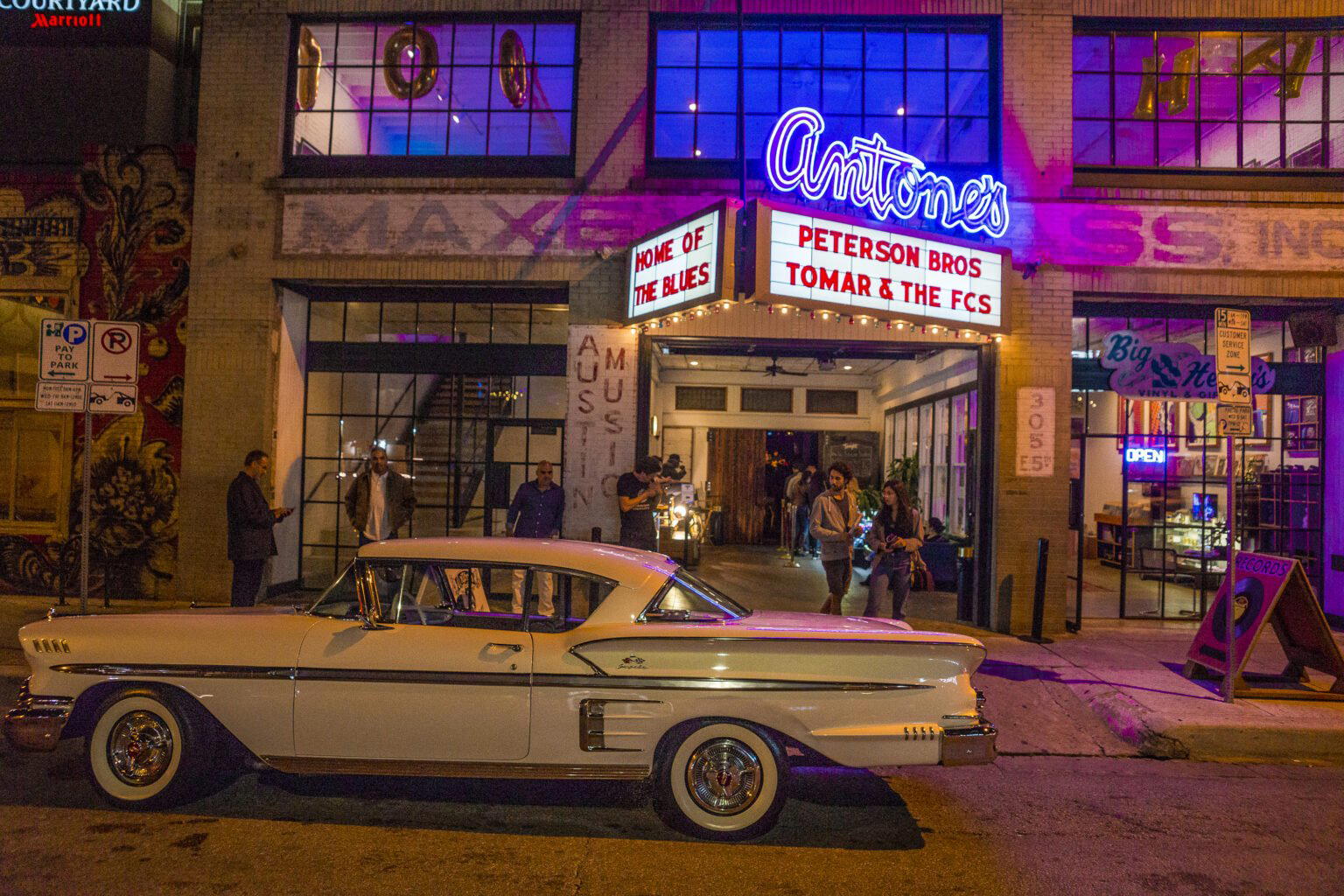
For comparison within Austin's bar scene, 2500 E 6th St, Aba Austin, and Antone's Nightclub each occupy distinct positions in the city's drinking culture, from the music-adjacent to the upscale Mediterranean. Lamberts operates in a different register from all of them, one where the bar and the kitchen are in conversation and the overall room is designed to sustain a full evening rather than a single act. Elsewhere in the country, Superbueno in New York City demonstrates what a tightly integrated bar-and-food program can look like at a smaller scale, while the Lamberts model reflects the larger-footprint Austin version of that same integration logic.
Team Dynamics and What They Produce
The distinction between a room that functions and a room that holds together under pressure often comes down to how the bar team, kitchen, and floor communicate during service. In full-service downtown venues, the failure point is usually at the handoff: the bar and kitchen operating on different cadences, or the floor team lacking sufficient knowledge of either program to translate between them. The rooms that avoid this tend to share staff development practices that treat the programs as interdependent rather than separate, and they invest in floor staff who understand both the drinks list and the food well enough to guide a guest from one to the other.
At Lamberts, the team dynamic is what regulars cite when explaining why they return. That kind of word-of-mouth, specific to the service experience rather than a single dish or drink, is a different trust signal than a menu-driven recommendation. It points to structural coherence in the operation rather than a single exceptional component.
Planning Your Visit
| Venue | Format | Bar Program | Booking |
|---|---|---|---|
| Lamberts (401 W 2nd St) | Full-service downtown room | Cocktails with food program | Check directly with venue |
| Nickel City | Cocktail bar, no kitchen | Focused craft program | Walk-in |
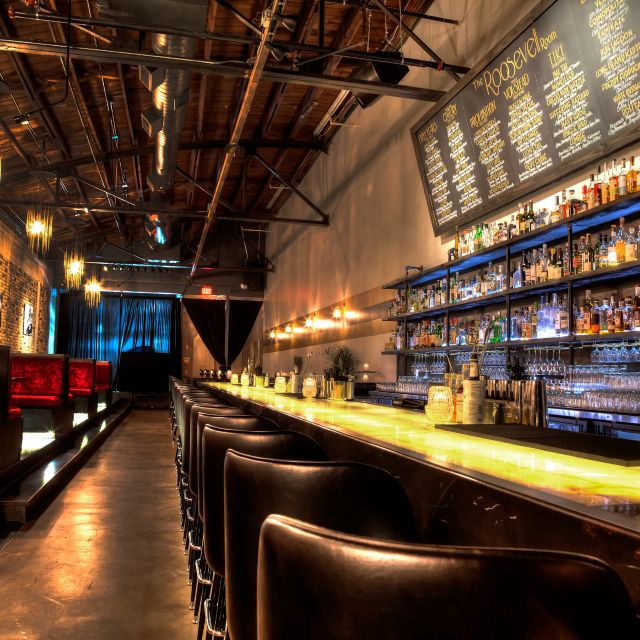
| The Roosevelt Room | Cocktail bar | Technically ambitious spirits list | Walk-in / reservations |
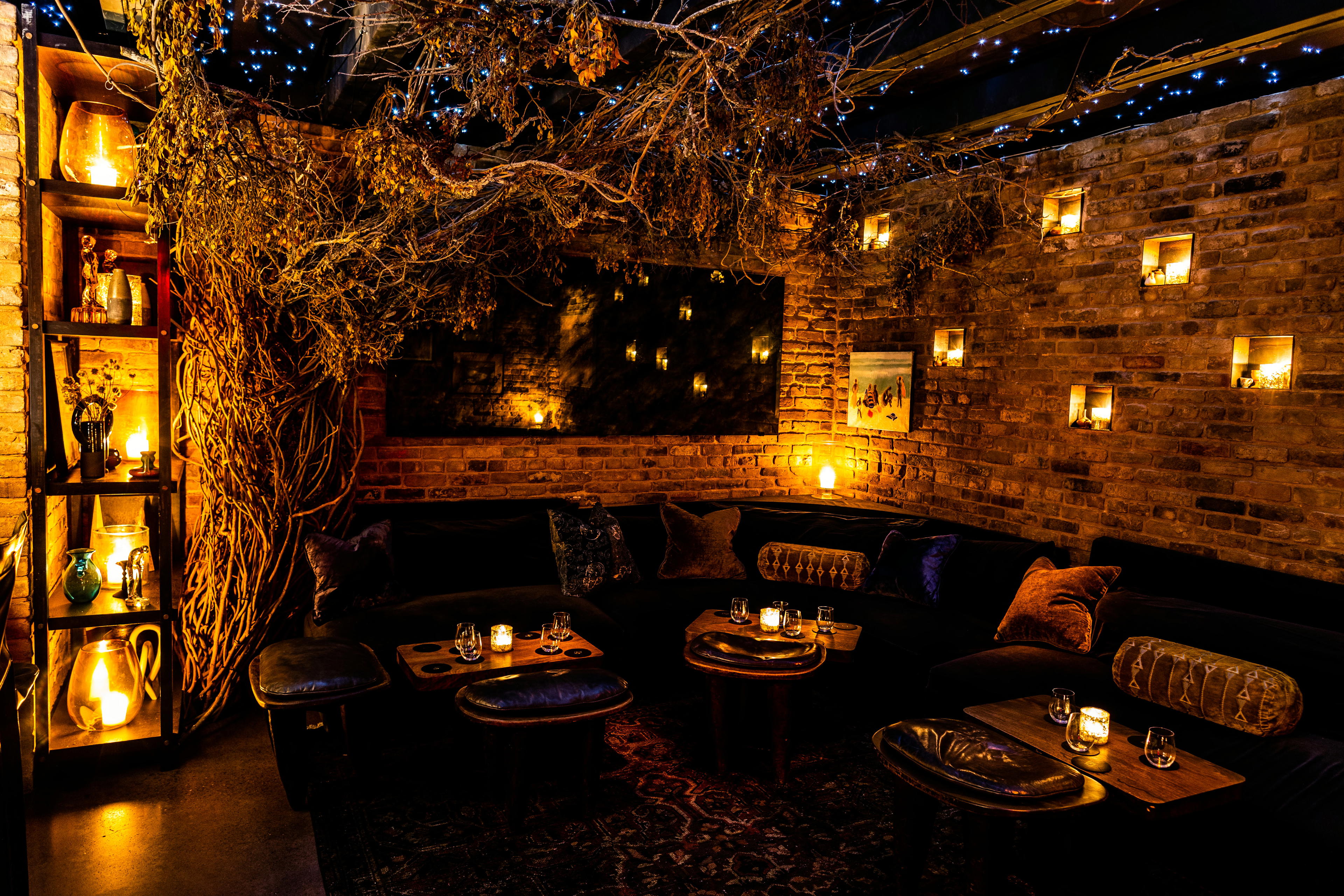
| Eden Cocktail Room | Cocktail lounge | refined format | Reservations recommended |
West 2nd is accessible from the Convention Center and Capitol areas on foot. Parking in the immediate block is limited during peak evening hours; the surrounding downtown grid has structured options within a short walk. For a broader orientation to Austin's restaurant and bar scene, see our full Austin restaurants guide.
Fast Comparison
A quick look at comparable venues, using the data we have on file.
| Venue | Cuisine | Awards |
|---|---|---|
| LambertsThis venue — the venue you are viewing | ||
| The Roosevelt Room | ||
| Nickel City | World's 50 Best | |
| DuMont's Down Low | ||
| Eden Cocktail Room | ||
| Flourish Plant Shop & Wine Bar | Wine bar/light bites |
Continue exploring
More in Austin
Bars in Austin
Browse all →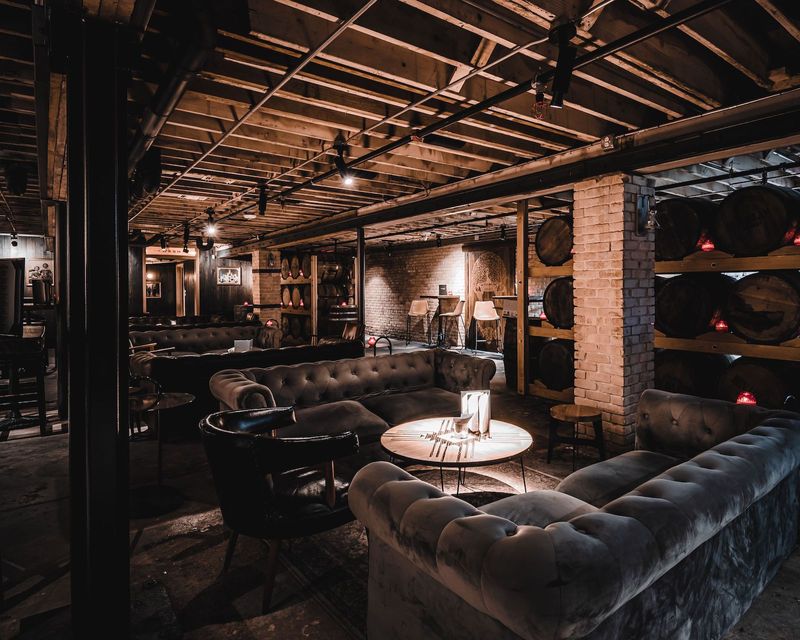
Restaurants in Austin
Browse all →
Hotels in Austin
Browse all →
At a Glance
- Lively
- Rustic
- Cozy
- Iconic
- Group Outing
- Celebration
- Casual Hangout
- Special Occasion
- Private Event
- After Work
- Live Music
- Historic Building
- Standalone
- Seated Bar
- Lounge Seating
- Outdoor Terrace
- Booth Seating
- Private Rooms
- Classic Cocktails
- Craft Cocktails
- Conventional Wine
- Craft Beer
- Whiskey
Rustic historic setting with lofty ceilings and century-old sinker pine woodwork; laid-back yet energetic atmosphere that gets rowdy during live music upstairs.