Aba Austin

OpenTable Top 100 Restaurants
Our verdict
Aba Austin brings a California-inflected Mediterranean format to South Congress, built around a sharing-plate tradition that draws from the broader CJ Jacobson culinary framework. The beverage program leans on spirits and rare wines from lesser-known Mediterranean regions.

Pearl is the En Primeur Club membership app, where members save venues, book tables and use the concierge.
The menu
What to order
- Whipped feta
- Smoky garlic hummus
- Lamb kebabs
- Yellowtail crudo
South Congress and the Sharing Table
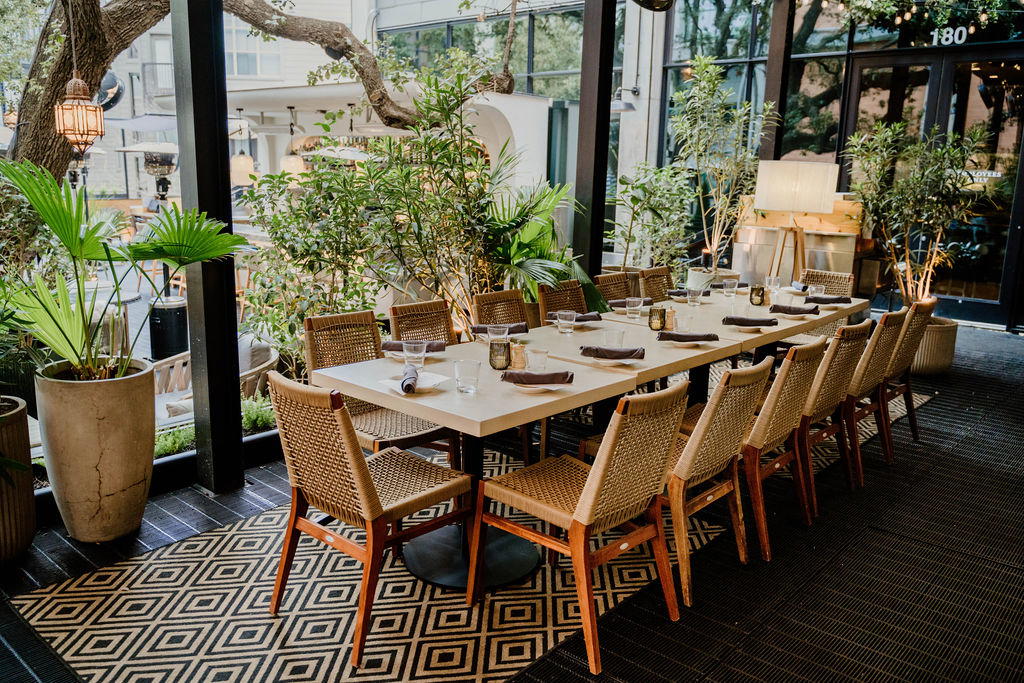
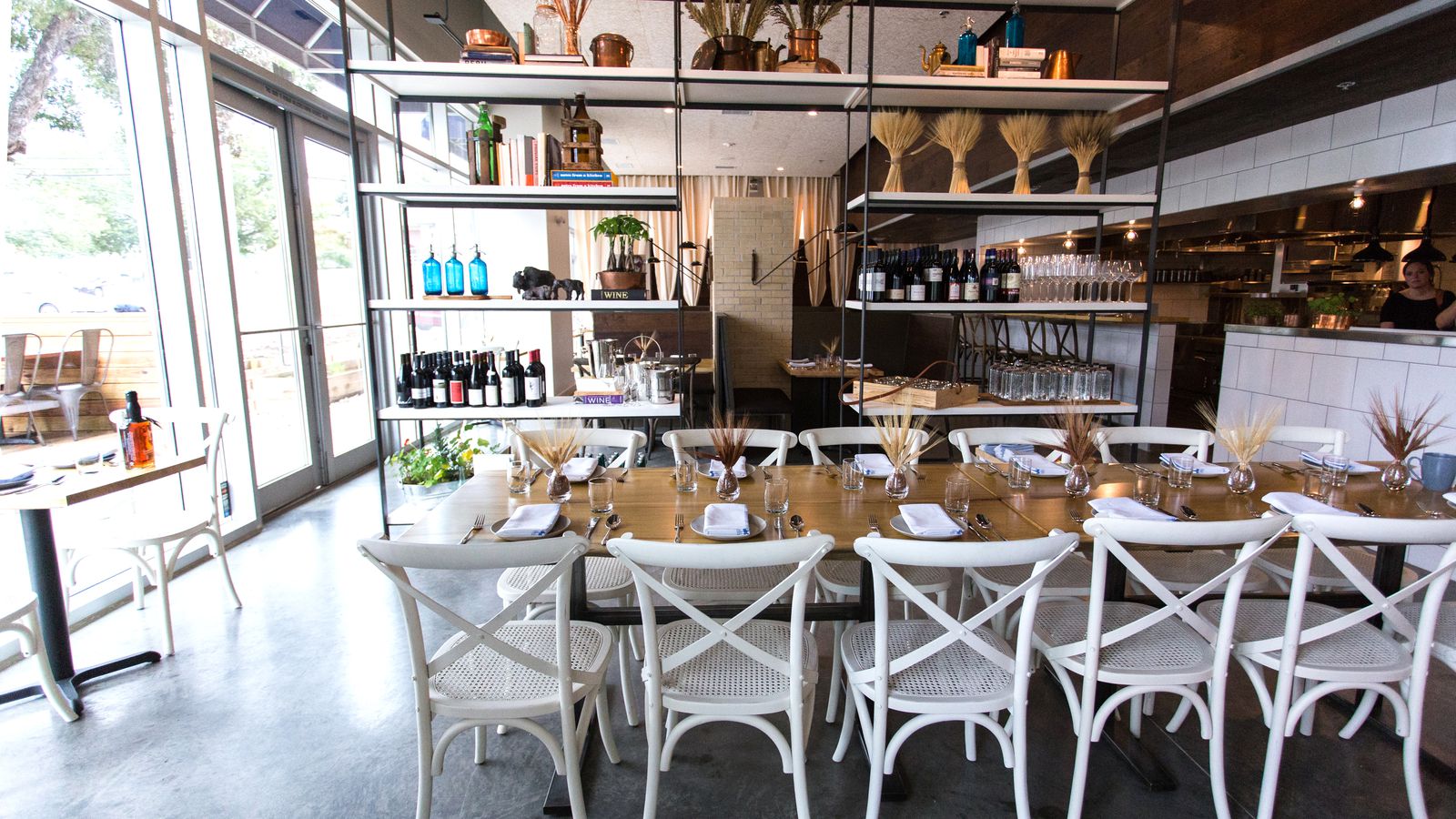
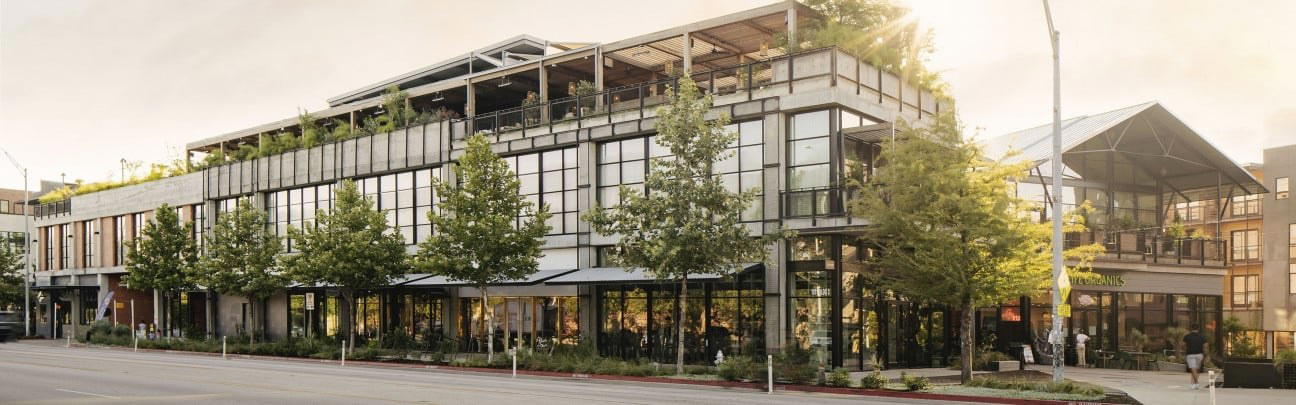
South Congress Avenue has matured into one of Austin's most reliable dining corridors, moving well past its boutique-retail identity into a strip where serious restaurant groups plant flags. The building at 1011 S Congress is that kind of destination: a multi-suite structure that draws visitors with intent rather than foot traffic. Aba Austin sits inside it, and its physical approach signals the Mediterranean register before you order anything. Open sightlines, warm materials, and a layout designed around communal eating rather than isolated two-tops place the room in a tradition that stretches from Beirut to Barcelona.
The small-plates format that defines this kind of Mediterranean-American cooking carries a specific logic. Dishes arrive in sequence or concurrently, portions calibrated for sharing rather than individual completion. The table becomes collaborative by design: the rhythm of ordering, passing, and returning for more mirrors how meze culture actually functions in the eastern Mediterranean, where the table fills incrementally and the meal extends. That structure suits Austin's social dining habits better than many formats, and Aba has clearly read the room.
The California-Mediterranean Framework
Mediterranean cooking in the United States has split into two legible camps. One is the Greek-American diner lineage, heavy on portion size and familiarity. The other is a California-inflected interpretation that draws on the same ingredient pool but filters it through West Coast sourcing sensibility and lighter technique. Aba belongs firmly in the second category. The menu operates within the CJ Jacobson framework, a chef whose approach emphasizes modern Mediterranean cooking with California influence, and the Austin outpost applies that framework to a Texas audience without softening the approach.
That distinction matters competitively. Austin's dining scene is dominated by live-fire American cooking (see Hestia), New American tasting formats (Barley Swine), and the city's celebrated barbecue tradition at places like la Barbecue and InterStellar BBQ. A restaurant operating in the Mediterranean small-plates register occupies genuinely different territory in that context. The proximity to precision-format restaurants like Craft Omakase underscores how wide Austin's current dining range has become, but Aba's communal format positions it for a different kind of evening than any of those.
Meze Culture as Organizing Principle
The meze tradition is one of the more durable dining formats in the world precisely because it distributes decision-making across the table. No single diner carries the weight of choosing correctly. Instead, the group builds a meal collectively, and the kitchen's job is to make each plate interesting enough to hold attention without anchoring the table to any single dish. That is a harder editorial task than it appears: a menu of forty small plates is only as good as the coherence of its range and the quality of its lowest-ranked item.
At Aba Austin, the menu operates within a Mediterranean-American vocabulary that gives Chef Johnny Curiel substantial range. The California influence opens doors to ingredient sourcing that a strictly regional Mediterranean format would close, while the Mediterranean structure gives the menu philosophical coherence. The result, at its finest, is a table that keeps building rather than peaking at a single course and declining.
The Beverage Dimension
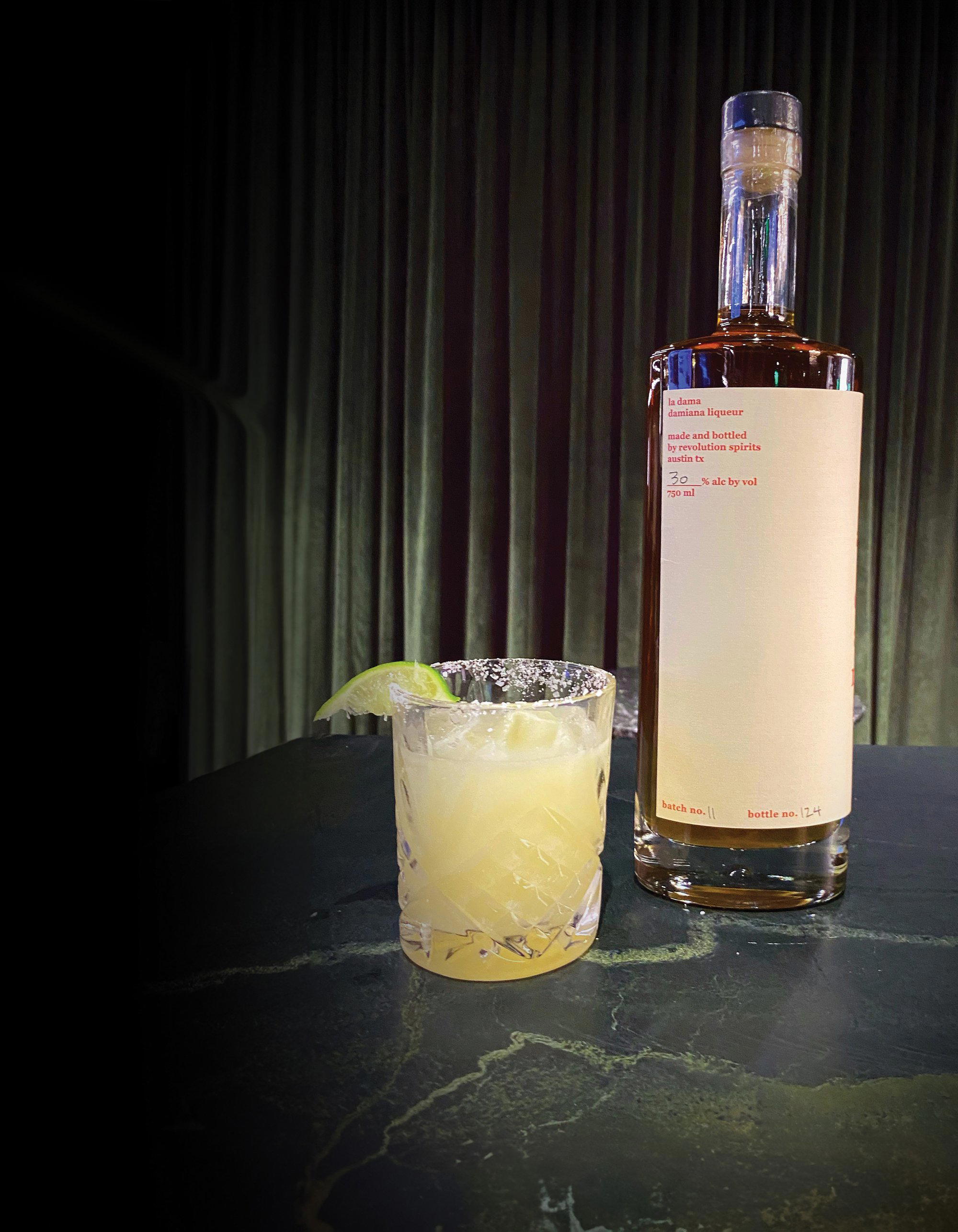
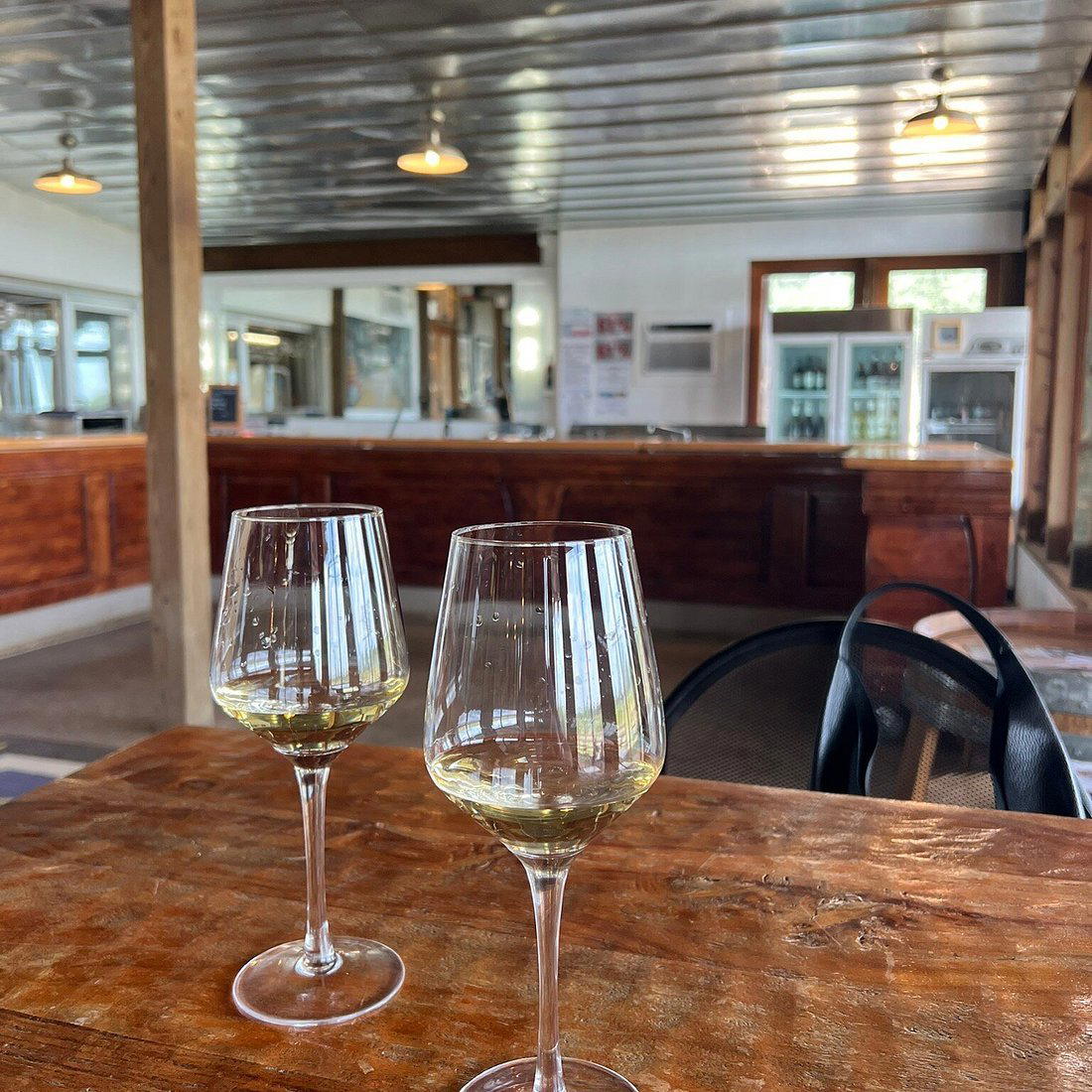
Mediterranean drinking culture is more varied than its restaurant representation in the United States typically suggests. The beverage program at Aba was built around spirits and rare wines from lesser-known Mediterranean regions, which positions it against the standard Italian-and-French wine list that most American Mediterranean restaurants default to. Greek assyrtiko, Lebanese arak, Sicilian nerello mascalese, Turkish raki: these are the kinds of references that a program built on regional specificity draws from, and they pair with meze in ways that familiar Napa or Burgundy selections simply do not replicate.
For a table eating communally, the drink list is as collaborative as the food. Spirits that work as aperitifs, wines that match saline vegetables and grilled proteins across multiple plates, cocktails that hold through a long meal rather than front-loading sweetness: these are the parameters the program appears designed around.
Where Aba Sits in Austin's Broader Picture
Austin's recognition-tier restaurants currently skew toward Michelin-starred American formats. Barley Swine holds a Michelin star in the contemporary New American space. La Barbecue holds a Michelin star at the $$ price point, demonstrating that Austin's recognition extends across formats.
For context on what a Mediterranean-American program of this ambition looks like at higher recognition tiers, the comparison set runs across regions: the kind of technical discipline and sourcing specificity that programs like Le Bernardin or Alinea apply to their respective traditions points toward what culinary ambition looks like when sustained over time. Aba is operating in a different register, but the structural question is the same: does the format deliver on its own terms consistently? The evidence suggests it does.
The Mediterranean-American format is not Austin's dominant mode, which is precisely why it occupies a distinct and useful position in the city's dining range.
Planning a Visit
Aba Austin is at 1011 S Congress Ave, Building 2, Suite 180, Austin, TX 78704, placing it in the South Congress corridor with the concentration of dining and retail that makes the area walkable for pre- or post-dinner exploration. The format rewards groups of three or more: the sharing-plate structure generates more range with more people ordering, and the beverage program benefits from the same logic. For a broader map of Austin dining covers the range. and, with additional coverage in our Austin experiences guide.
Frequently asked questions
Who is the chef at Aba Austin?
The chef associated with Aba Austin is Johnny Curiel.
Pricing, Compared
| Venue | Cuisine | Price | Awards | Notes |
|---|---|---|---|---|
| Aba AustinThis venue (the venue you are viewing) | Modern Mediterranean Small Plates | $50–100 | OpenTable Top 100 Restaurants | Not listed |
| Barley Swine | Modern American Fine Dining | $100–150 | 1 Michelin Star · James Beard Award Semi Finalist | New American, Contemporary |
| la Barbecue | Texas Barbecue | $50–100 | 1 Michelin Star · James Beard Award Semi Finalist | Barbecue |
| Olamaie | Modern Southern | $100–150 | 1 Michelin Star | Southern |
| Jeffrey's | Modern American Steakhouse | $150–200 | Michelin Plate · Wine Spectator Best of Award of Excellence | Not listed |
| Kemuri Tatsu-ya | Japanese-Texas BBQ Izakaya | $50–100 | Michelin Bib Gourmand | Not listed |
Recognition history
Dated appearances from independent guides and award organizations, with the underlying list record or original source where available.
OpenTable Top 100 Restaurants
OpenTable
Continue exploring
More in Austin
Restaurants in Austin
All restaurants in Austin →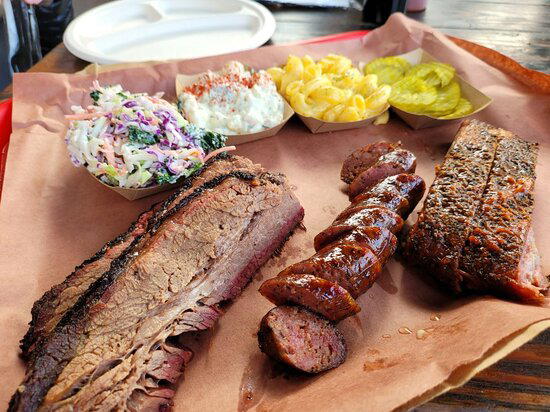
Bars in Austin
All bars in Austin →
Details
- Lively
- Trendy
- Elegant
- Modern
- Date Night
- Group Dining
- Special Occasion
- Brunch
- Terrace
- Open Kitchen
- Private Dining
- Craft Cocktails
- Garden
- Small Plates
- A La Carte
- Vegetarian Friendly
- Gluten Free Options
- Allergy Accommodating
Current opening hours
- Monday
- 11 AM–10 PM
- Tuesday
- 11 AM–10 PM
- Wednesday
- 11 AM–10 PM
- Thursday
- 11 AM–10 PM
- Friday
- 11 AM–11 PM
- Saturday
- 10 AM–11 PM
- Sunday
- 10 AM–9 PM
Hours can change for holidays and private events. Hours as of .
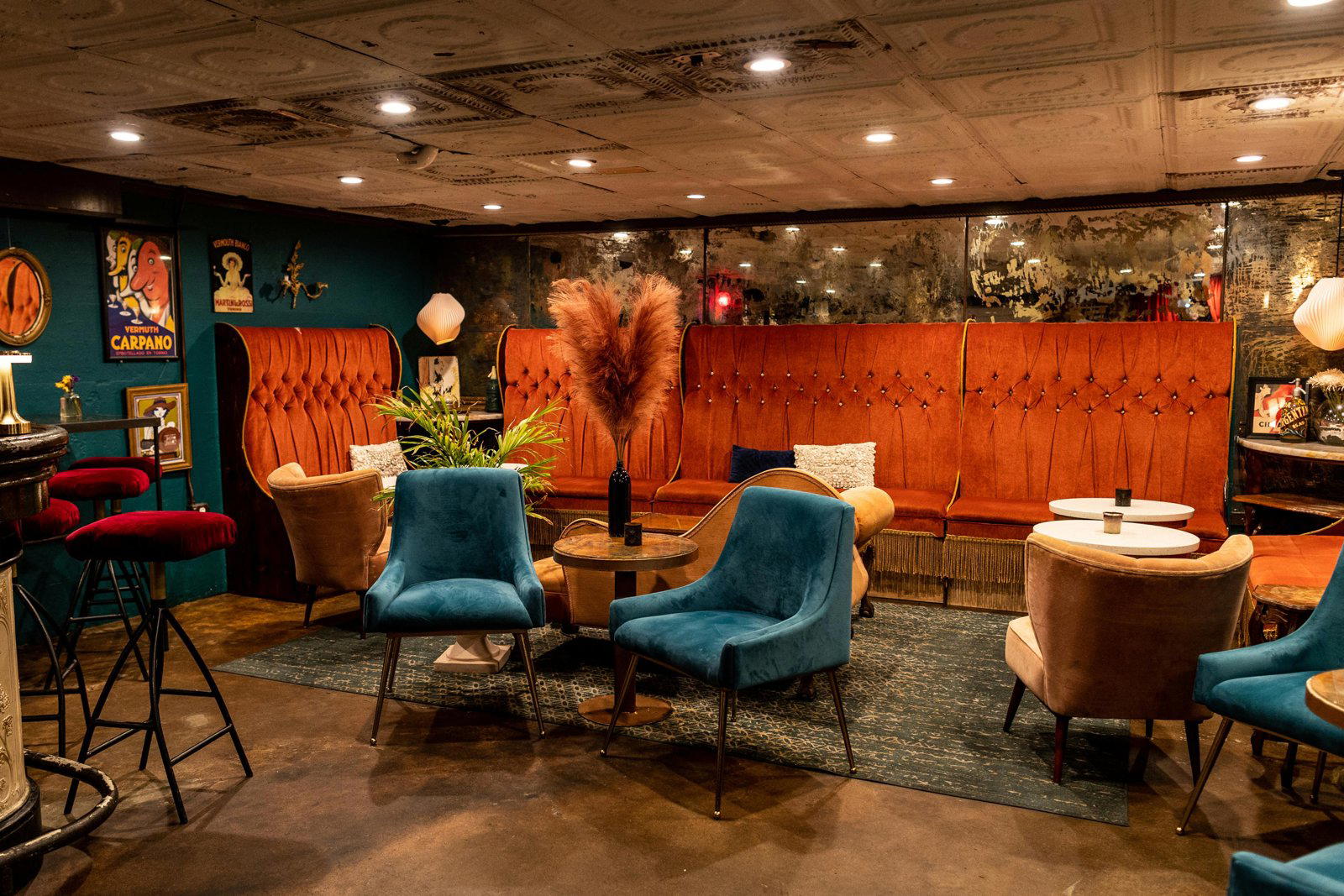
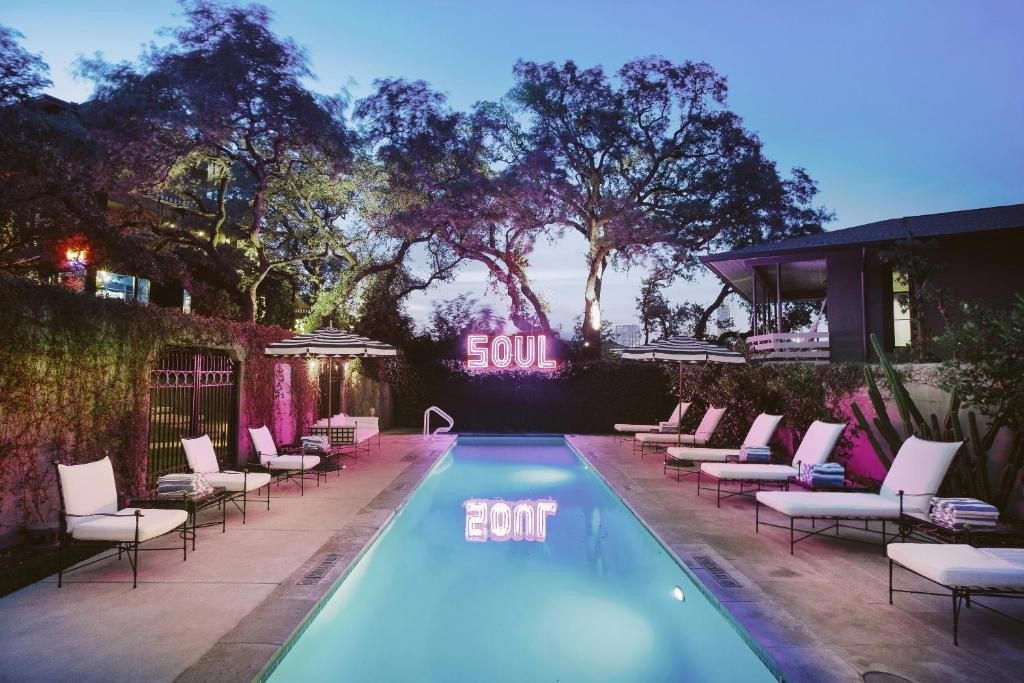
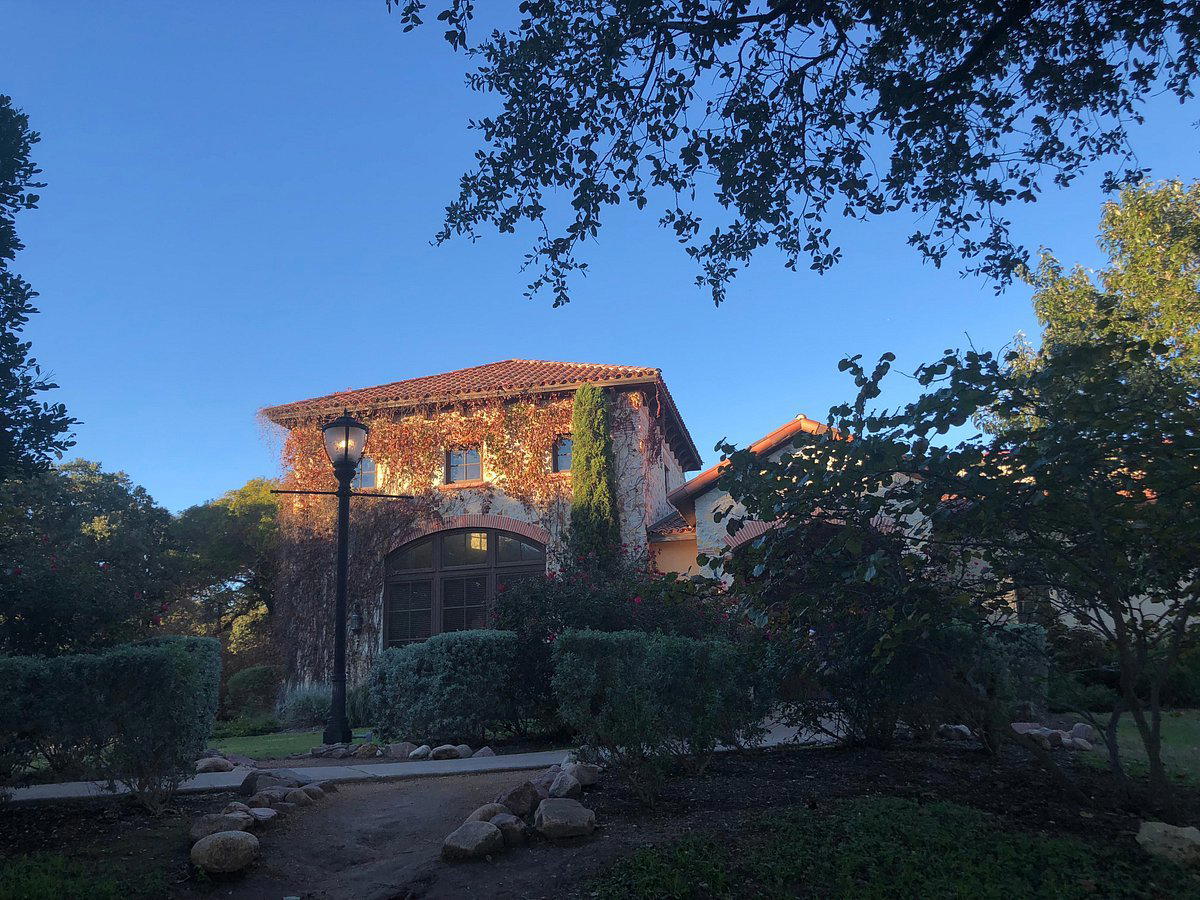
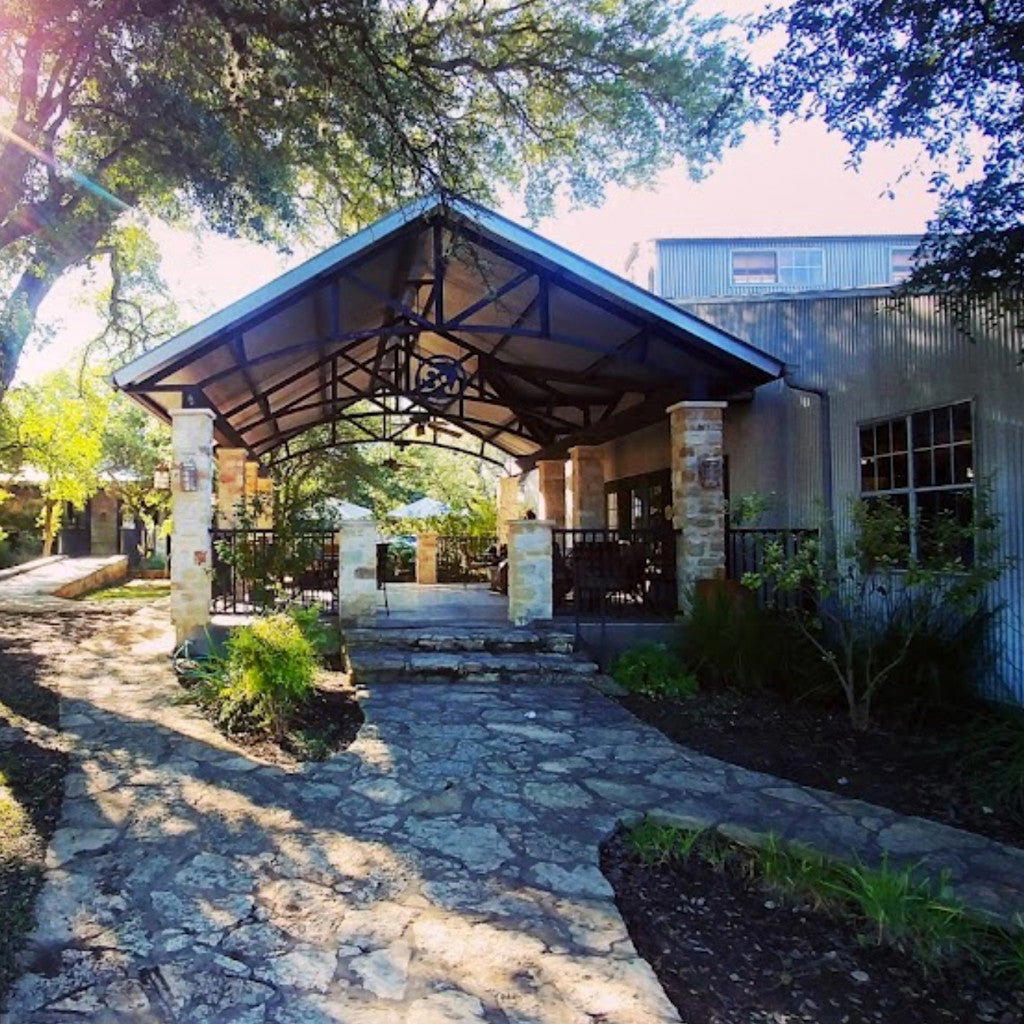
Warm, modern design with lively yet relaxed atmosphere, delightful inside and out, featuring outdoor terrace with heaters and blankets.