La Casa del Cine
La Casa del Cine occupies the second floor of a Centro Histórico building on República de Uruguay, placing it inside one of Mexico City's most architecturally layered neighbourhoods. Where many bars in the area trade on colonial atmosphere alone, this venue frames its program through a cinematic lens, drawing a crowd that arrives with a specific sense of place in mind. It sits in a different register from the technical cocktail programs at Baltra Bar or Hanky Panky, offering something closer to cultural immersion with a drink in hand.
Pearl is the En Primeur Club membership app — saves, bookings, and concierge access live there. Same editors, same standards.
- Address
- República de Uruguay 52-segundo piso, Centro Histórico de la Cdad. de México, Centro, Cuauhtémoc, 06000 Ciudad de México, CDMX, Mexico
- Phone
- +52 55 5512 4243
- Website
- lacasadelcine.mx
- Directions
- Get directions
 Saves & bookings on Pearl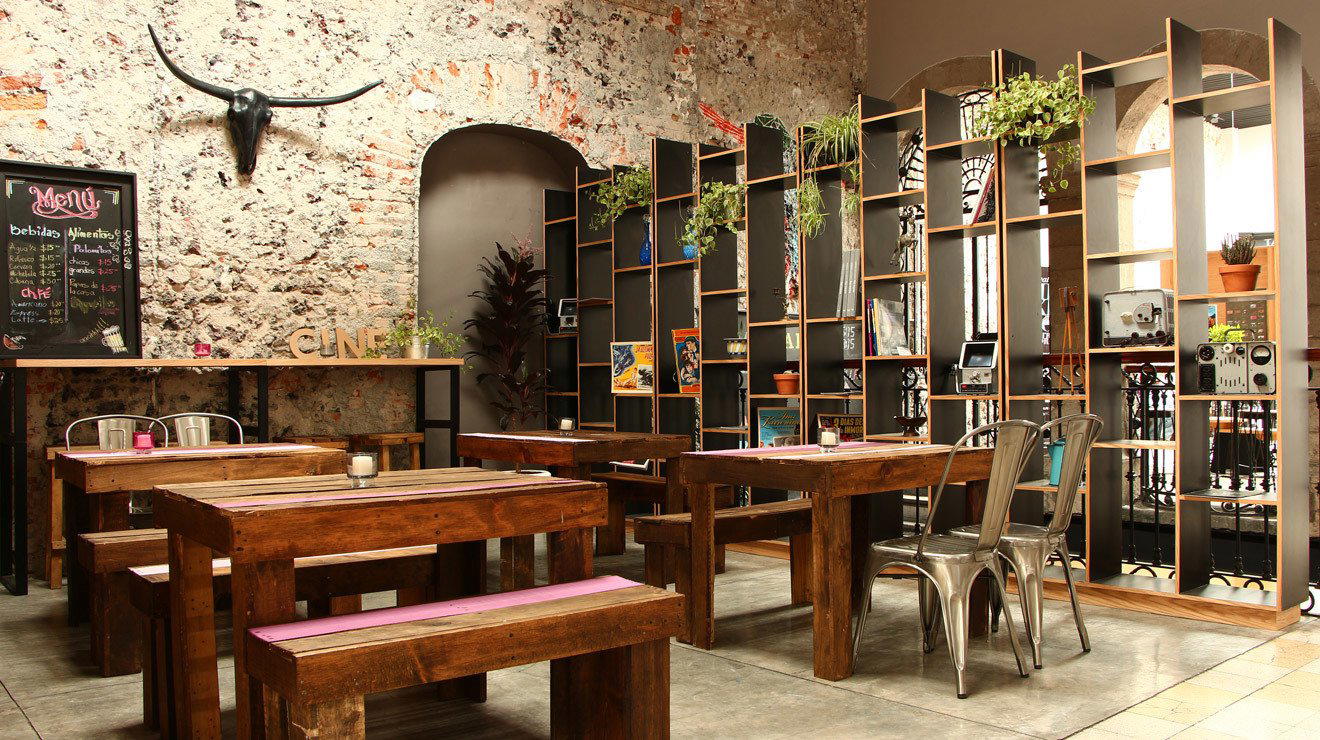
Second Floor, Centro Histórico: What the Address Tells You Before You Arrive
Mexico City's Centro Histórico is one of the densest concentrations of layered history in the Americas. República de Uruguay runs through a part of the centre where colonial-era buildings have been repurposed across centuries, housing printing presses, textile merchants, legal offices, and now, on the second floor of number 52, La Casa del Cine. The climb upstairs is itself part of the experience: street-level Centro can feel overwhelming, and the act of ascending to a dedicated space signals a shift in register. In cities where rooftop bars compete on view and ground-floor venues on foot traffic, the mid-floor position is a deliberate choice — it filters for a guest who is arriving with intention, not impulse.
That physical positioning maps onto a broader pattern across Mexico City's drinking culture. The bars generating the most sustained interest are not necessarily the ones with the most visible frontage. Baltra Bar in Colonia Narvarte built its reputation through consistency and a tight program rather than high-profile real estate. Bijou Drinkery Room operates with a similar logic of deliberate address. La Casa del Cine belongs to this category of venues where location is context, not advertisement.
The Cinematic Frame: How Concept Shapes a Drinking Room
The name declares the premise: this is a house of cinema. In Mexico City's bar scene, concept-driven venues tend to split between those that wear their theme heavily — decor-first, drinks secondary, and those that use a cultural reference point as an organizational principle for something more considered. La Casa del Cine positions itself as the latter. The cinematic identity is not incidental branding; it shapes how the space is experienced, from the visual language to the likely programming of screenings or film-adjacent events that define the venue's social calendar.
This approach has a precedent across Latin America. In cities where cultural institutions are embedded in nightlife rather than separated from it, bars that anchor to film, literature, or music traditions tend to develop a specific kind of regulars, guests who return not just for the drink but for the conversation and programming around it. Brujas operates in a comparable register of cultural-identity-meets-bar in Mexico City, drawing a crowd defined as much by shared reference points as by a preference for any particular spirit category. La Casa del Cine, occupying the film corner of that cultural map, attracts a similarly self-selecting audience.
The Person Behind the Bar: Craft in a Concept-Led Space
In Mexico City's more technically ambitious bars, the bartender's role is increasingly defined by formal training, competition credentials, and published menus that read like culinary documents. Bar Mauro and the programs at venues like Hanky Panky represent that tier, where the craft is the concept, and the bartender's biography is central to how the bar is understood. La Casa del Cine operates on a different axis. Here, the craft of hospitality is more likely expressed through curation and atmosphere than through molecular technique or rare-spirit sourcing.
That does not make the bar less considered. Across Mexico's broader drinking culture, mezcal and tequila literacy runs through the hospitality industry in a way that has no direct parallel in Europe or North America. A bartender working in Centro Histórico is operating within a city that has produced some of the most internationally recognized agave-focused programs in the world. Even in a venue whose identity is primarily cultural rather than technical, that context shapes what ends up in the glass. The agave category, its regional variations, production methods, and the distinction between certified denominations, is ambient knowledge in Mexico City's bar scene in a way it simply is not elsewhere.
For comparison across Mexico's drinking geography, La Capilla in Tequila represents the archetype of a bar where a single bartender's decades-long relationship with one spirit defined an entire institution. El Gallo Altanero in Guadalajara operates in a similarly rooted tradition. La Casa del Cine is a younger, more metropolitan expression of place-specific drinking, less about a singular bartender and more about what a particular neighbourhood and cultural frame can produce when translated into a social space.
Centro Histórico as Context: Where La Casa del Cine Sits in the City's Bar Map
Mexico City's cocktail culture has become internationally legible over the past decade. The city now appears regularly in lists alongside Buenos Aires, São Paulo, and Bogotá as a destination for serious drinking, and venues like Fifty Mils and Hanky Panky have placed it in direct conversation with the programs in New York, London, and Tokyo. But that international recognition is concentrated in specific neighbourhoods, Roma, Condesa, Polanco, that have the infrastructure of foreign-visitor hospitality built around them.
Centro Histórico is a different proposition. It has its own drinking culture, shaped by proximity to government buildings, universities, and a resident population that has been here far longer than the gentrification wave that remade Roma Norte. Bars in Centro tend to be less visible on international radar but are frequently the places that feel most embedded in the city's actual life. La Casa del Cine, on the second floor of a Uruguay Street address, fits that profile.
For context across Mexico's broader hospitality geography, Arca in Tulum, Bekeb in San Miguel de Allende, and Aruba Day Drink in Tijuana each illustrate how bar culture in Mexico varies sharply by city and neighbourhood character. La Casa del Cine's Centro address is not incidental, it is a statement about whose Mexico City the venue belongs to. For a full map of where this venue sits among the city's broader options, see our full Mexico City restaurants guide.
Planning a Visit: What to Know Before You Go
La Casa del Cine is located at República de Uruguay 52, second floor, in the Centro Histórico, a neighbourhood that rewards arriving on foot or by metro rather than by car. The Allende metro station places visitors within a short walk of the address. Centro Histórico venues of this type, culturally embedded, mid-floor, not oriented toward tourist foot traffic, tend to have hours and programming that shift with events, so checking current schedules through social media before arriving is more reliable than assuming fixed opening times. For comparison with other technically ambitious bars in the city, Bijou Drinkery Room and Baltra Bar both operate in neighbourhoods with denser nearby options if you are planning a multi-stop evening. For an international reference point on the kind of craft hospitality that rewards a dedicated visit, Bar Leather Apron in Honolulu represents the same principle of a bar that requires a deliberate trip but delivers on that commitment.
Continue exploring
More in Mexico City
Bars in Mexico City
Browse all →
Restaurants in Mexico City
Browse all →

At a Glance
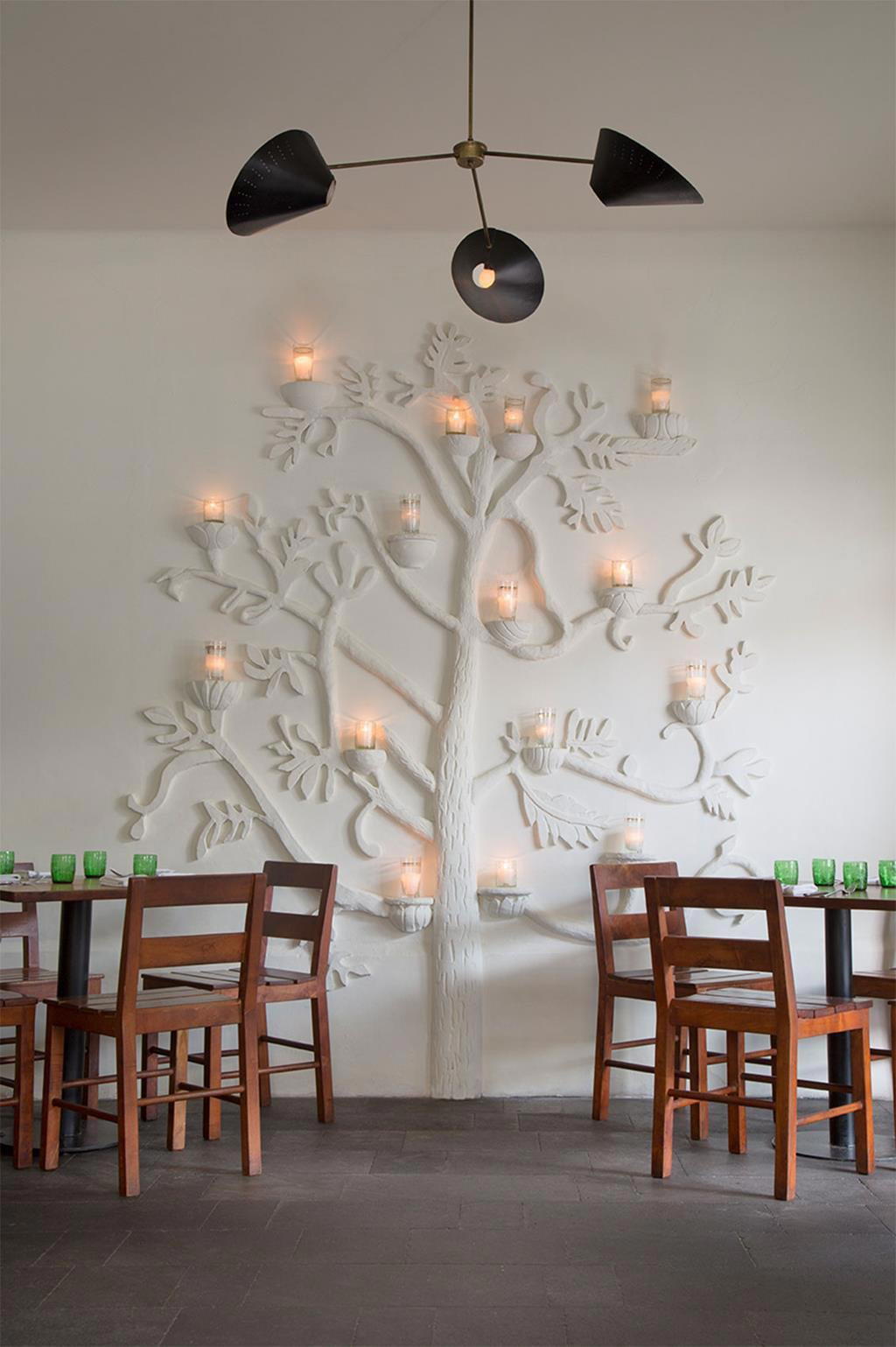
- Intimate
- Cozy
- Casual Hangout
- Historic Building
- Lounge Seating
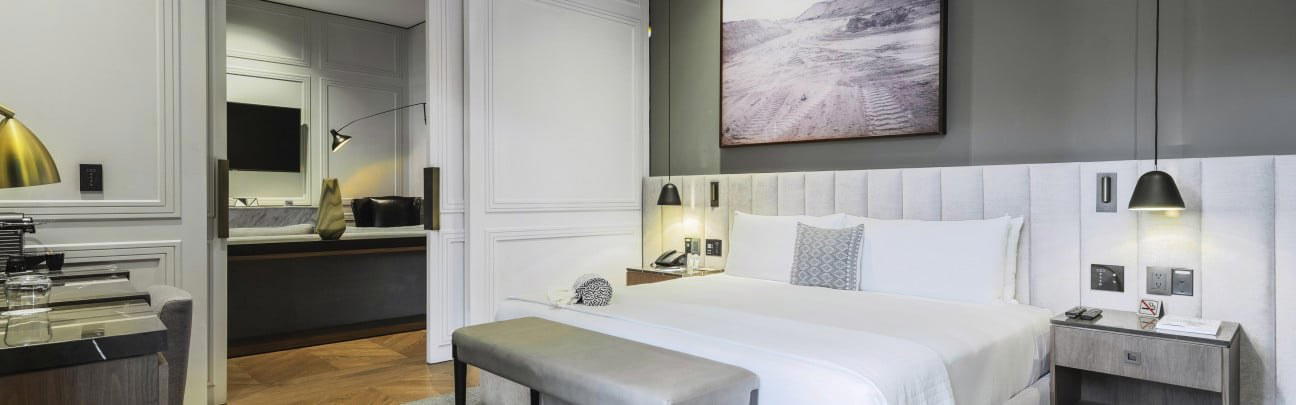
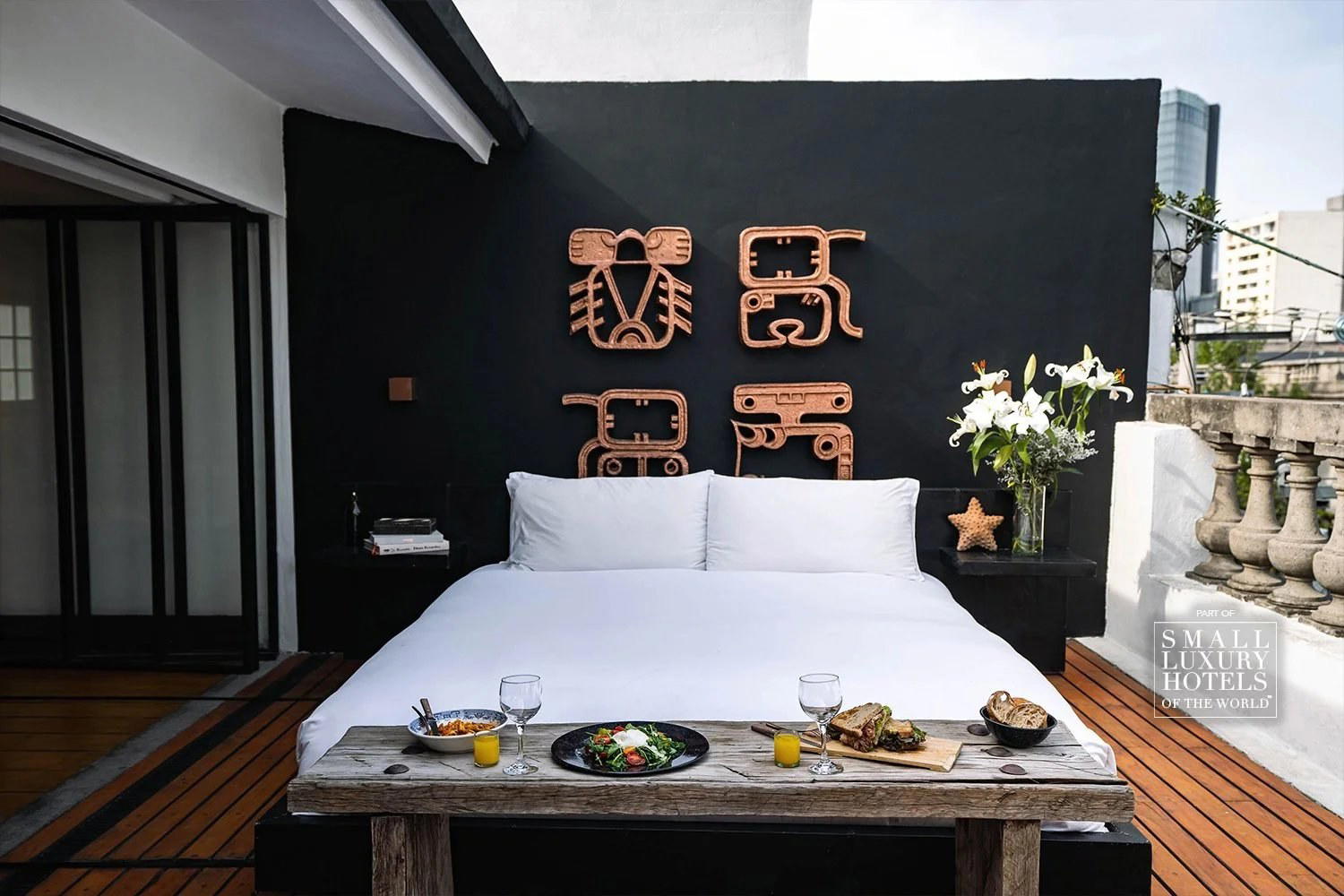
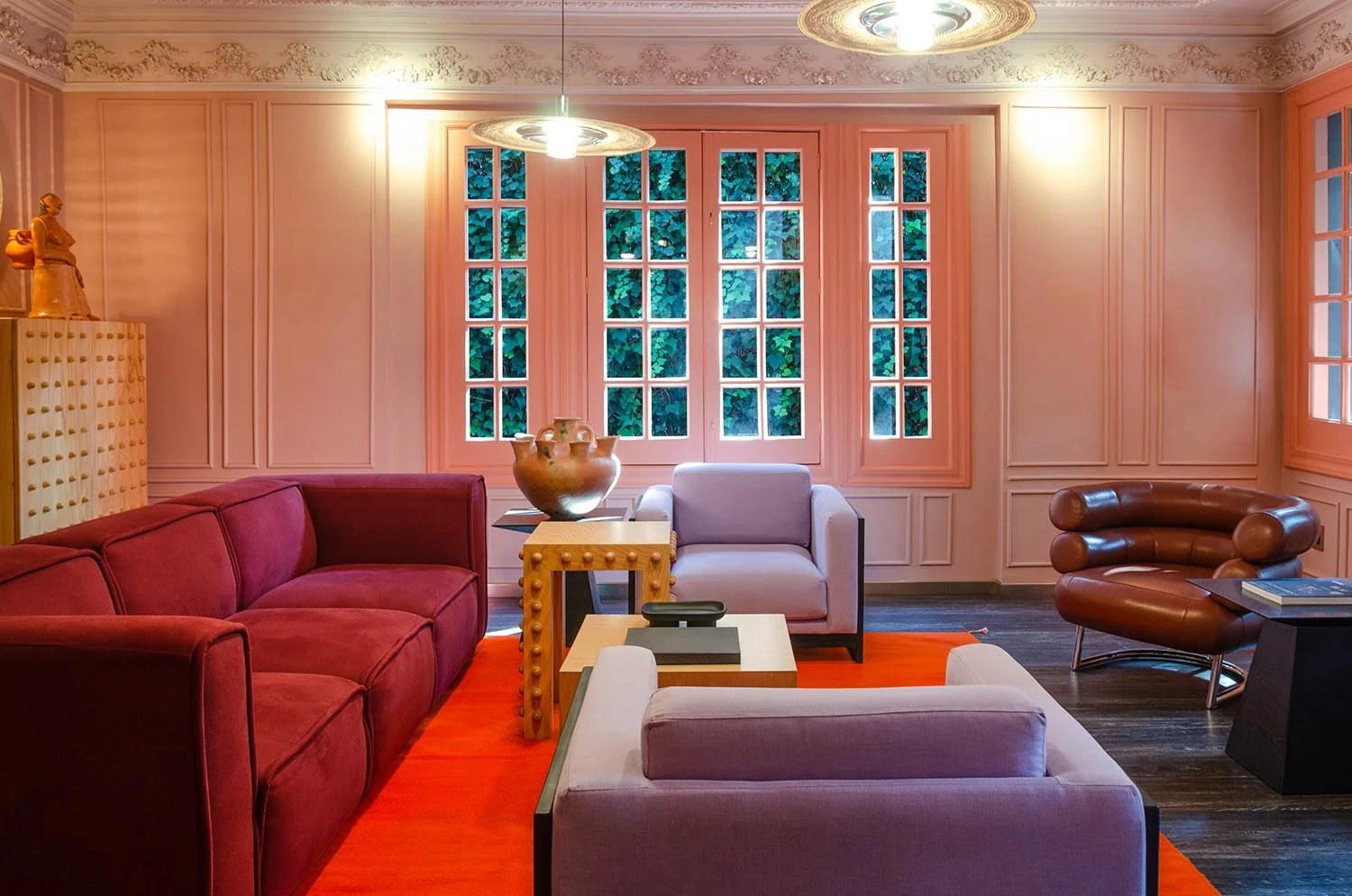
Small and comfy atmosphere with library and classroom spaces.
Know Before You Go
- Getting there
- República de Uruguay 52-segundo piso, Centro Histórico de la Cdad. de México, Centro, Cuauhtémoc, 06000 Ciudad de México, CDMX, Mexico