Google: 4.6 · 980 reviews
Kochi - Korean Fine Dining
Kochi brings Korean fine dining to Hell's Kitchen at 652 10th Ave, positioning itself within New York City's growing tier of ambitious Korean tasting-menu restaurants. The format signals a considered, course-driven approach to Korean cuisine at a moment when the city's appetite for it has shifted decisively upmarket. Check directly for current availability and pricing.
 Discover on Pearl
Pearl is the En Primeur Club membership app — saves, bookings, and concierge access live there. Same editors, same standards.
Hell's Kitchen and the Korean Fine Dining Shift
Tenth Avenue in the upper Forties and Fifties has spent the better part of a decade shedding its industrial edge. What replaced it is a corridor of mid-density dining that sits just far enough from the Theatre District crowds to attract a more deliberate guest, one who came specifically rather than stumbling in. That geography matters when reading Kochi. A Korean fine dining room at this address is not chasing foot traffic from Times Square. It is asking you to make a decision before you arrive.
That decision reflects something larger happening across New York's Korean dining tier. For most of the city's restaurant history, Korean cuisine occupied a clear band: strong, communal, centered on tabletop grills and shared banchan spreads in Koreatown. The shift toward tasting-menu formats and chef-driven plating began incrementally, accelerated by the broader prestige attached to omakase and prix-fixe structures across Japanese and French dining, and has now produced a small but distinct cohort of Korean fine dining addresses in Manhattan. Kochi at 652 10th Ave is part of that cohort, positioned in a neighborhood that gives it room to define its own register without competing directly against the Koreatown density further south on 32nd Street.
What the Format Signals
Korean fine dining in New York operates differently from its Japanese counterpart in one important respect: it does not yet have the institutional scaffolding of a defined tasting-menu tradition that diners arrive already knowing how to read. A sushi omakase counter carries decades of understood protocol. A Korean fine dining progression is still, in many rooms, an act of translation, explaining to a diner what the format will feel like before the first course arrives. The leading Korean fine dining rooms in the city have handled this by anchoring in technique rather than novelty, letting fermentation depth, banchan sequencing, and the interplay between gochujang-adjacent heat and acidic contrast do the work that familiarity does elsewhere.
Kochi's placement in Hell's Kitchen rather than in Midtown's more formal dining corridors or the Lower East Side's experiment-friendly blocks suggests a room that is threading between accessibility and ambition. The neighborhood draws professionals from the adjacent far west side development and theatre-adjacent visitors willing to dine earlier, which shapes the kind of pacing a kitchen can sustain across sittings.
The Evolution of Korean Fine Dining in New York
The trajectory of Korean cuisine's upmarket turn in New York City is worth placing in sequence. A decade ago, the category's prestige ceiling was defined largely by high-end Korean barbecue with premium wagyu programs, not by tasting-menu progression. The arrival of formats that treated Korean pantry ingredients, doenjang, ganjang, perilla, chrysanthemum, as the foundation for composed plates rather than shared condiments represented a genuine structural change in how the cuisine was being presented and priced in the city.
That evolution accelerated through the early 2020s, partly driven by a broader critical reassessment of what fine dining could look like outside European-derived frameworks. New York's food press, and eventually its awards infrastructure, became more receptive to Korean tasting menus on their own terms. The result is a tier of restaurants that now price and book against peer counters in Japanese and contemporary American fine dining, not against the value-density logic of 32nd Street. Kochi occupies a position within that evolved tier, at a moment when the format is established enough to be recognized but not yet so crowded that differentiation is automatic.
Drinking Alongside the Menu
A Korean fine dining progression raises specific questions about what to drink. Soju-based pairings, makgeolli, and Korean natural wines have entered the conversation at ambitious Korean rooms, but most still lean on sommelier-driven French and Italian wine lists as their primary pairing vehicle. The resolution varies by room: some lean into the contrast between European wine structure and Korean fermentation depth; others build the pairing program around the cuisine's internal logic. For guests who want to extend the evening into a considered cocktail, Hell's Kitchen's bar options include venues in the EP Club network worth noting. Superbueno and Attaboy NYC represent two distinct registers of the city's cocktail program, the former rooted in Latin-influenced spirit work, the latter in the improvised, guest-led format that defined a generation of Manhattan bartending. Further afield but worth the orientation: Angel's Share in the East Village and Amor y Amargo on East 6th each offer a focused, deliberate program that pairs well with an appetite already tuned by a tasting menu.
For travelers building a wider itinerary, the EP Club network extends to bars with similarly considered programs in other cities: Kumiko in Chicago, Bar Leather Apron in Honolulu, Jewel of the South in New Orleans, Julep in Houston, ABV in San Francisco, Allegory in Washington, D.C., and The Parlour in Frankfurt on the Main.
Planning Your Visit
Kochi is located at 652 10th Ave, New York, NY 10036, in Hell's Kitchen. For current hours, pricing, and reservation availability, contact the restaurant directly or check third-party booking platforms. Because fine dining tasting menus in this tier typically operate on fixed sittings with limited covers, booking ahead rather than walking in is the standard approach across comparable rooms.
| Venue | Format | Neighborhood | Booking Approach |
|---|---|---|---|
| Kochi | Korean fine dining | Hell's Kitchen | Check directly |
| Dirty French | French brasserie | Lower East Side | OpenTable / direct |
| The Long Island Bar | American bar and grill | Cobble Hill, Brooklyn | Walk-in and reservation |
For a broader survey of where Korean fine dining sits within New York's full dining picture, see our full New York City restaurants guide.
A Credentials Check
These are the closest comparables we have in our database for quick context.
| Venue | Awards |
|---|---|
| Kochi - Korean Fine DiningThis venue — the venue you are viewing | |
| The Long Island Bar | World's 50 Best |
| Dirty French | |
| Superbueno | World's 50 Best |
| Amor y Amargo | World's 50 Best |
| Angel's Share | World's 50 Best |
Continue exploring
More in New York City
Bars in New York City
Browse all →
Restaurants in New York City
Browse all →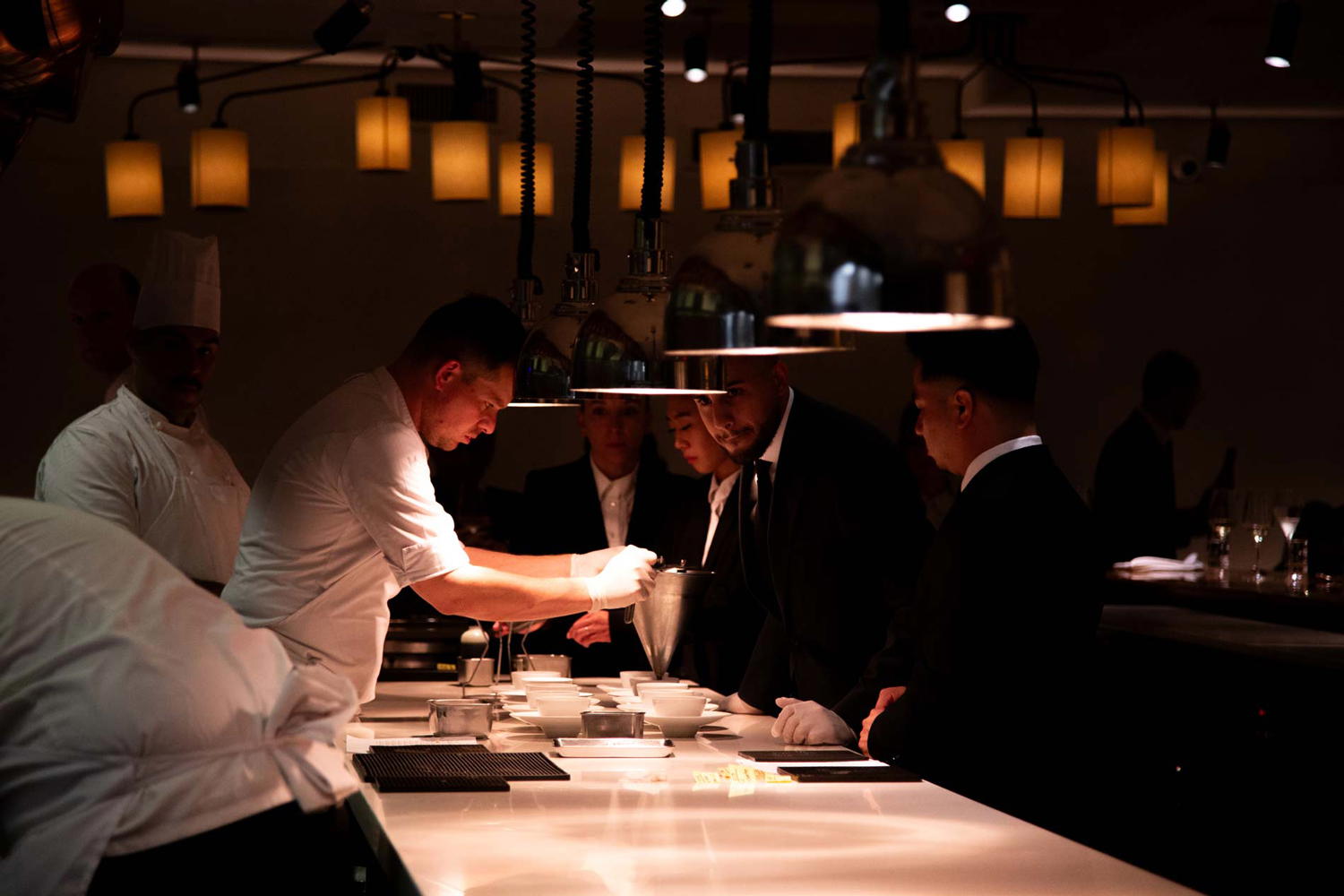
Hotels in New York City
Browse all →


At a Glance
- Elegant
- Intimate
- Sophisticated
- Modern
- Date Night
- Special Occasion
- Celebration
- Design Destination
- Standalone
- Seated Bar
- Counter Only
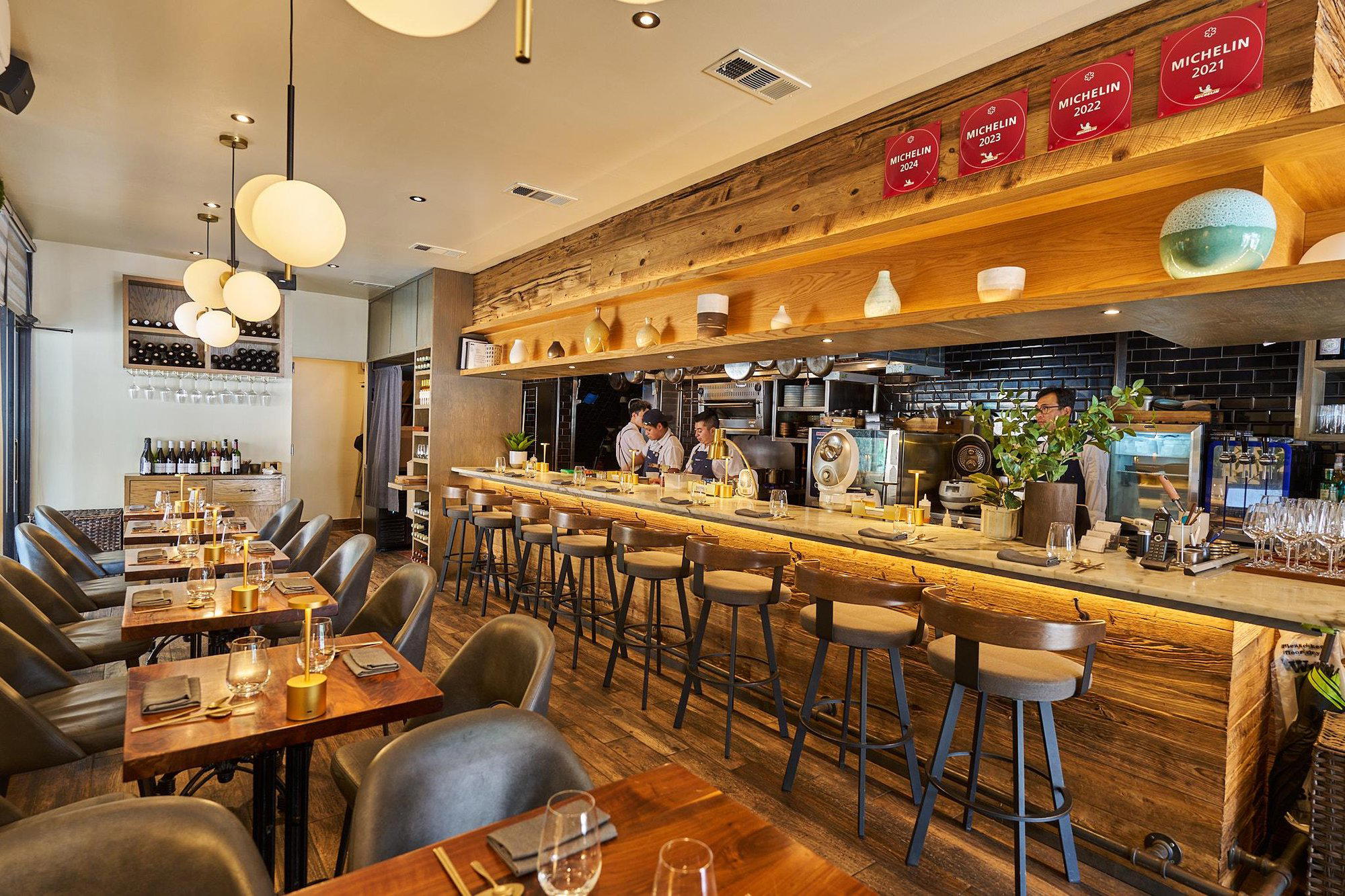
Small, elegant dining room with an open kitchen as the centerpiece, creating an intimate and interactive atmosphere with a relaxed yet sophisticated setting.