Knotty Deck & Bar
Knotty Deck & Bar sits along the Arboretum corridor in northwest Austin, occupying a part of the city where the bar scene runs quieter and more neighbourhood-oriented than the dense cocktail blocks of East Sixth. The outdoor deck format positions it within Austin's broader culture of open-air drinking, where covered terraces and screened patios have become as defining as the drinks themselves.
Pearl is the En Primeur Club membership app — saves, bookings, and concierge access live there. Same editors, same standards.
- Address
- 9721 Arboretum Blvd, Austin, TX 78759
- Phone
- +1 512 343 2626
- Website
- marriott.com
- Directions
- Get directions
 Saves & bookings on Pearl
Northwest Austin's Outdoor Drinking Culture, and Where Knotty Deck Fits In
Austin's bar geography does not resolve into a single district. The East Sixth corridor gets the most editorial attention, with venues like Nickel City and 2500 E 6th St anchoring a dense stretch of serious cocktail programming. But northwest Austin, centred on the Arboretum area near the 360 corridor, operates on a different logic: lower foot-traffic density, a more residential patron base, and venues that reward knowing where to go rather than stumbling across them. Knotty Deck & Bar, at 9721 Arboretum Blvd, belongs to this quieter tier of the city's drinking culture.
The name signals the format before you arrive. A deck-focused bar in Austin is a specific proposition. The city's climate — long warm seasons bracketed by brief, mild winters — has made outdoor drinking infrastructure a genuine differentiator among bars. The quality of a covered deck, the positioning relative to prevailing breezes, the balance between shade and ambient light in the afternoon: these are the details that separate a well-considered outdoor bar from one that simply moved its furniture outside. Knotty Deck's address in a low-rise commercial pocket of northwest Austin suggests a neighbourhood anchor rather than a destination venue competing for citywide traffic.
How Austin Bars Approach the Drink List in 2025
Across Austin, bar programming has moved through several phases in the past decade. The craft cocktail wave that reshaped East Sixth and South Congress brought with it rigorous spirits education, house-made syrups, and sourcing-conscious menus. More recently, wine bars have proliferated: places like Flourish Plant Shop & Wine Bar on the east side have demonstrated that a carefully chosen by-the-glass list can anchor a neighbourhood bar as effectively as an ambitious cocktail menu. The city now supports both formats, and the more considered bars have learned to run hybrid programs, a short cocktail list alongside a wine selection that has genuine curatorial intent rather than generic house pours.
The editorial angle on any Austin bar in 2025 is as much about the drink list's depth and coherence as it is about any single standout serve. A bar that commits to a point of view on its wine and spirits program, whether that means a focus on Texas producers, a tight natural wine list, or a spirits selection built around a particular regional tradition, tends to hold its audience more reliably than one relying on atmosphere alone. For a deck bar in the Arboretum, where the setting itself does considerable work, the question of what the drink program adds becomes the sharper editorial test.
Comparable outdoor and neighbourhood-anchored bars across the country illustrate the range. Bar Leather Apron in Honolulu built its reputation on a technically disciplined cocktail menu that ran counter to the tropical-casual expectations of its market. Jewel of the South in New Orleans anchors its program in historical American cocktail research. Julep in Houston takes Southern spirits traditions as its organising principle. Kumiko in Chicago built one of the more discussed wine and spirits integration programs in the country. What these venues share is a program with a legible editorial identity, a reason beyond location for a patron to choose them deliberately.
The Arboretum Corridor: What the Neighbourhood Context Means for the Bar
The Arboretum area in northwest Austin is primarily commercial and mixed-use, anchored by retail and office development along Loop 360 and the MoPac corridor. It draws a working-professional crowd during the week and a neighbourhood residential audience on weekends. Bars in this part of the city operate differently from those on East Sixth or South Congress: the pace is slower, the expectation of wait times is lower, and the relationship between the bar and its immediate community matters more than any transient visitor economy.
This context shapes what a deck bar can be. Without the foot-traffic pressure of a high-density nightlife corridor, a venue in the Arboretum has the room to build a loyal repeat clientele rather than optimising for first-time visitors. The trade-off is that the same geography makes it harder to build the kind of citywide reputation that generates editorial coverage and award consideration. Austin's most-discussed bars, venues that appear in the Aba Austin conversation or earn comparison to nationally recognised programs, tend to cluster in the denser, more walkable corridors. Northwest Austin venues often trade visibility for stability.
For comparison across the national craft bar scene, ABV in San Francisco and Superbueno in New York City both built strong followings through neighbourhood anchoring before achieving broader recognition. The Parlour in Frankfurt shows how a thoughtful drink program in an off-pitch location can outperform higher-profile competition through consistency and curation. The pattern is consistent: location-independent credibility requires a drink list that does the heavy lifting when the neighbourhood alone cannot.
Austin's Live Music Scene and the Bar That Preceded the Cocktail Wave
Understanding any Austin bar requires at least a passing acknowledgment of what preceded the current cocktail era. Venues like Antone's Nightclub represent the city's earlier bar identity, one built around live music performance and volume-driven service rather than ingredient-led drink programs. The city's current cocktail culture exists partly in dialogue with that legacy and partly in deliberate contrast to it. A deck bar in northwest Austin, operating outside the live music zone, sits in a different part of that history, closer to the neighbourhood tavern tradition than to the stage-adjacent bars that defined Austin's earlier reputation.
What to Know Before You Go
Know Before You Go
- Address: 9721 Arboretum Blvd, Austin, TX 78759
- Area: Northwest Austin, Arboretum corridor
- Format: Deck bar; outdoor-oriented environment
- Phone: Not publicly listed, check current hours directly before visiting
- Booking: No advance reservation information available; walk-in format likely
- Getting there: Located along the 360/MoPac commercial strip; car or rideshare is the practical option from central Austin
- When to go: Austin's deck bars peak in spring and autumn when temperatures sit between 65°F and 85°F; summer evenings after 7pm work once the direct heat drops
For a broader orientation to Austin's bar and restaurant scene across all neighbourhoods, see our full Austin restaurants guide.
Cuisine-First Comparison
A quick peer reference to anchor this venue in its category.
| Venue | Cuisine | Awards |
|---|---|---|
| Knotty Deck & BarThis venue — the venue you are viewing | Not listed | Not listed |
| Nickel City | Not listed | World's 50 Best |
| Flourish Plant Shop & Wine Bar | Wine bar/light bites | Not listed |
Continue exploring
More in Austin
Bars in Austin
Browse all →
Restaurants in Austin
Browse all →

Hotels in Austin
Browse all →
At a Glance
- Lively
- Rustic
- Trendy
- Casual Hangout
- Group Outing
- Terrace
- Outdoor Terrace
- Lounge Seating
- Craft Cocktails
Current opening hours
- Monday
- 6:30 AM–11 PM
- Tuesday
- 6:30 AM–11 PM
- Wednesday
- 6:30 AM–11 PM
- Thursday
- 6:30 AM–11 PM
- Friday
- 6:30 AM–11 PM
- Saturday
- 6:30 AM–11 PM
- Sunday
- 6:30 AM–11 PM
Hours can change for holidays and private events. Last verified .
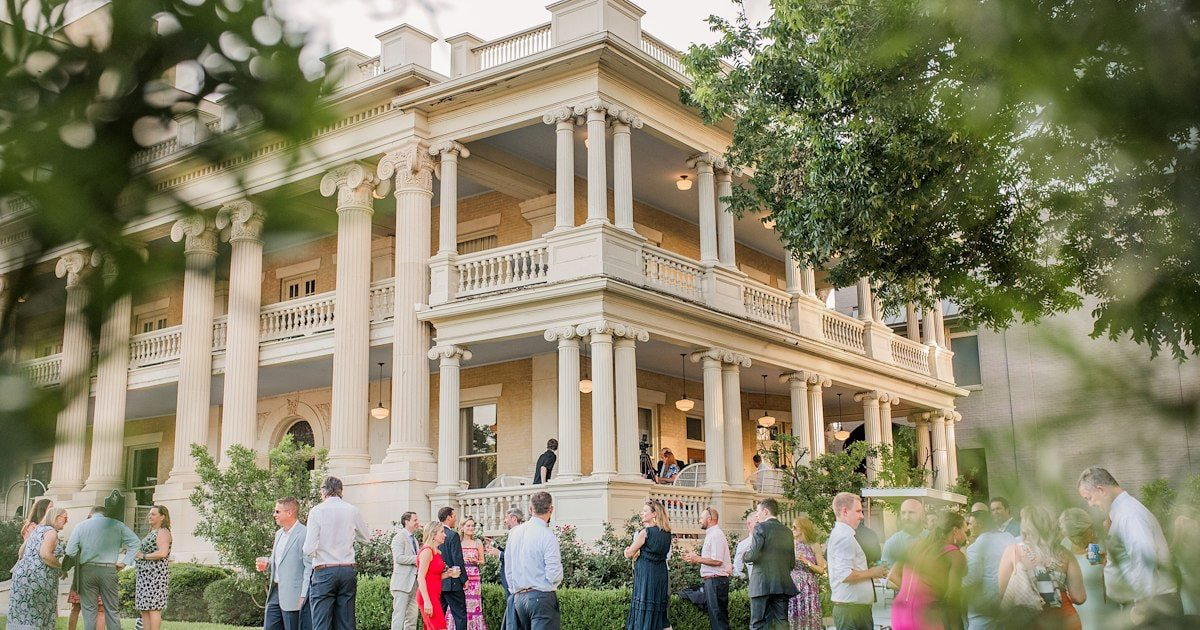
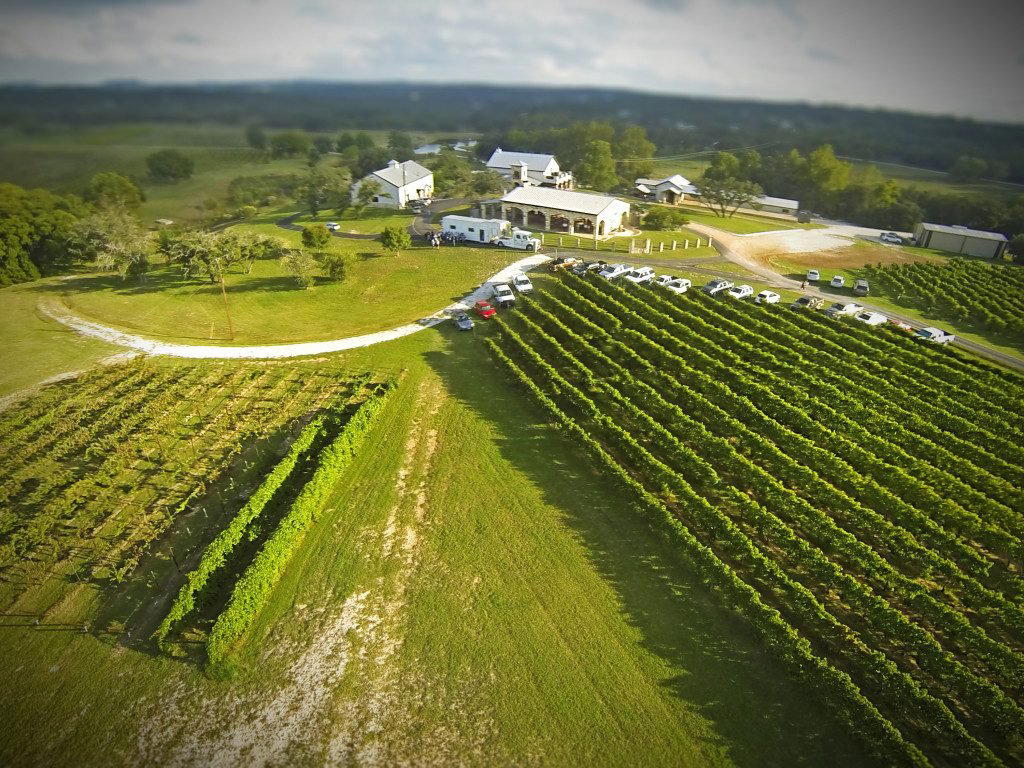
Warm, relaxed atmosphere with cozy indoor dining and a laid-back leafy patio vibe surrounded by scenic Hill Country views.
Know Before You Go
- Getting there
- 9721 Arboretum Blvd, Austin, TX 78759