Kai Sushi Fusion Roll &Sake
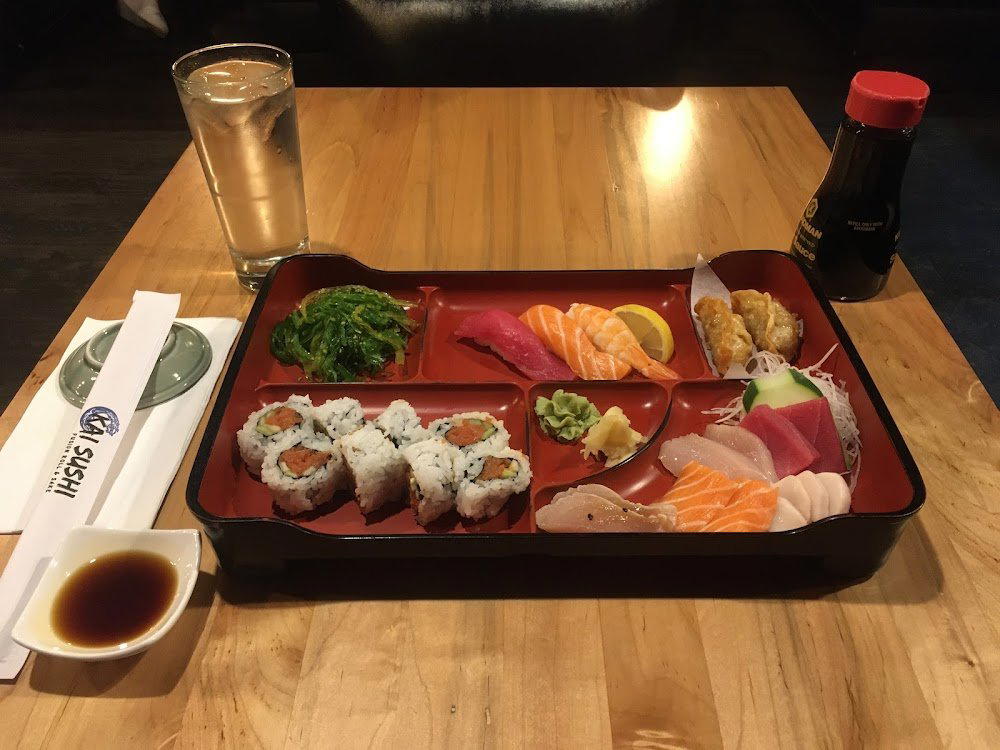
Kai Sushi Fusion Roll & Sake sits on Colby Avenue in downtown Everett, Washington, placing fusion-style sushi and a sake program within the city's developing dining corridor. The format positions it between casual roll-focused spots and more deliberate Japanese drinking traditions, with sake as a genuine programming element rather than an afterthought.

Pearl is the En Primeur Club membership app — saves, bookings, and concierge access live there. Same editors, same standards.
- Address
- 2811 Colby Ave # A, Everett, WA 98201
- Phone
- (425) 374-7949
- Hours
- Mon ClosedTue–Fri 11 AM–9 PMSat 12–9 PMSun 12–8 PM
- Website
- kai-sushi.com
- Directions
- Get directions
Sake in Everett: The Case for Taking the Pour Seriously
Everett's dining scene has spent the better part of a decade consolidating around a narrow band of familiar formats: craft breweries, wine-forward bistros, and casual Pacific Northwest fare. Japanese drinking culture, specifically the sake tradition, has been largely absent from that conversation. Kai Sushi Fusion Roll & Sake, located at 2811 Colby Ave in Everett's central corridor, represents a format that takes sake seriously enough to put it in the name — a distinction that places it in a different conversation than the typical sushi roll operation.
That framing matters more than it might first appear. Across American cities, sake programs at sushi restaurants have historically functioned as afterthoughts: a short list of warm carafe options, perhaps a cold junmai or two, and not much beyond that. The bars that have genuinely moved the needle on Japanese spirits culture in the United States — Kumiko in Chicago, for instance, or Bar Leather Apron in Honolulu, do so by treating the selection as a curated program with internal logic: regions, rice varietals, polishing ratios, and producer provenance.
The Colby Avenue Setting
Colby Avenue functions as Everett's primary commercial spine, running through a district that mixes long-standing local businesses with newer food and drink arrivals. The address places Kai within walking distance of several of Everett's more developed drinking destinations, including capers + olives and Lucky Dime, which together give the corridor a degree of bar-hopping utility it lacked a few years ago. Bluewater Organic Distilling and Scuttlebutt Brewing anchor the craft production side of Everett's drinks identity, making Kai's sake emphasis a genuine counterpoint within the local ecosystem rather than a redundant one.
The suite A designation suggests a smaller footprint within a shared building, a format that, in the context of Japanese dining, often correlates with a tighter menu and more focused kitchen output. Smaller operations of this type tend to run with fewer covers and less margin for waste, which typically means the menu is edited by necessity as much as by intention.
Reading the Back Bar: What a Sake Program Signals
The depth of a sake selection at a fusion sushi restaurant communicates something specific about the operator's intentions. A cursory list stops at nigori and one or two junmai ginjo options. A considered program begins to distinguish between junmai daiginjo expressions (where rice is polished to at least 50 percent), nama (unpasteurized) releases with their narrower temperature requirements and shorter shelf life, and aged koshu sakes that occupy a different flavor register entirely. The spectrum from dry, mineral-forward styles to the sweeter, more aromatic ginjo categories rewards a host who can actually explain the difference.
Venues that have developed genuine credibility around Japanese spirits programming in the United States have tended to do so by pairing selection depth with staff knowledge, the same combination that defines the leading bar programs at places like Jewel of the South in New Orleans or ABV in San Francisco, where the bottle list only functions properly when the team behind the bar can narrate it. At a neighborhood-scale operation like Kai, that knowledge transfer is either present or it isn't, and the sake-in-the-name branding is either earned or aspirational.
Fusion Rolls as Format: What the Category Demands
The fusion roll format occupies a specific position in American Japanese dining, distinct from omakase tradition, distinct from izakaya drinking culture, and distinct from the hyperlocal kaiseki approach. It is, by design, a more accessible entry point: rolls built around contrasting textures and flavors, often incorporating non-traditional ingredients, and priced to allow a table to order broadly rather than selectively. The format rewards kitchens that can execute multiple preparations simultaneously without the roll quality degrading.
In the Pacific Northwest, the fusion roll category has a long history. Seattle's Japanese restaurant corridor developed some of the earliest fusion interpretations on the West Coast outside California, and Everett, as a satellite city 25 miles north, has inherited some of that influence. The category is not niche, it is well-established and competitive, which means differentiation comes from execution consistency and, in Kai's case, from the sake programming that the name promises.
For readers comparing options in Everett's dining scene, our full Everett restaurants guide maps the broader field across price points and formats, including the craft drinking venues that give the city's food and beverage scene its current shape.
Planning Your Visit
Kai Sushi Fusion Roll & Sake operates from its Colby Avenue address in central Everett, accessible by both car and public transit given the avenue's position along major bus routes. Current hours, booking availability, and phone contact are best confirmed directly through the venue or a current listing search, as operational details at neighborhood restaurants of this scale can shift seasonally. The format, based on the fusion roll and sake positioning, is suited to both table dining and counter seating scenarios, arriving early in the evening tends to give more flexibility at smaller operations of this type, particularly on weekends when Colby Avenue's foot traffic increases. For travelers building a broader Everett drinks itinerary, pairing a visit here with stops at capers + olives or Lucky Dime makes geographic sense given the shared corridor.
Readers with an interest in sake-forward programming at a higher scale of operation may find useful reference points in Kumiko in Chicago or in the spirits-depth model practiced at The Parlour in Frankfurt and Superbueno in New York City, venues that have built their identity around back-bar depth rather than food volume. Julep in Houston offers a comparable lesson from the American whiskey side: that naming a drink category in your identity is a commitment that the program has to fulfill.
Cost and Credentials
Comparable venues nearby, for context on price, style, and recognition.
| Venue | Cuisine | Price | Notes |
|---|---|---|---|
| Kai Sushi Fusion Roll &SakeThis venue — the venue you are viewing | Not listed | Not listed | Not listed |
| Terracotta Red | Not listed | Not listed | Riverside, cocktail_bar |
| Lucky Dime | Not listed | Not listed | downtown, beer_bar |
| The Independent Beer Bar | Not listed | $10–20 | Downtown Everett, beer_bar |
| Scuttlebutt Brewing | Not listed | $20–30 | Port of Everett, beer_bar |
| Vintage Cafe | Downtown Everett, pub | $20–30 | Not listed |
Continue exploring
More in Everett
Bars in Everett
Browse all →
Restaurants in Everett
Browse all →
Hotels in Everett
Browse all →
Details
- Cozy
- Modern
- Date Night
- Casual Hangout
- Standalone
- Sake
Current opening hours
- Monday
- Closed
- Tuesday
- 11 AM–9 PM
- Wednesday
- 11 AM–9 PM
- Thursday
- 11 AM–9 PM
- Friday
- 11 AM–9 PM
- Saturday
- 12–9 PM
- Sunday
- 12–8 PM
Hours can change for holidays and private events. Last verified .
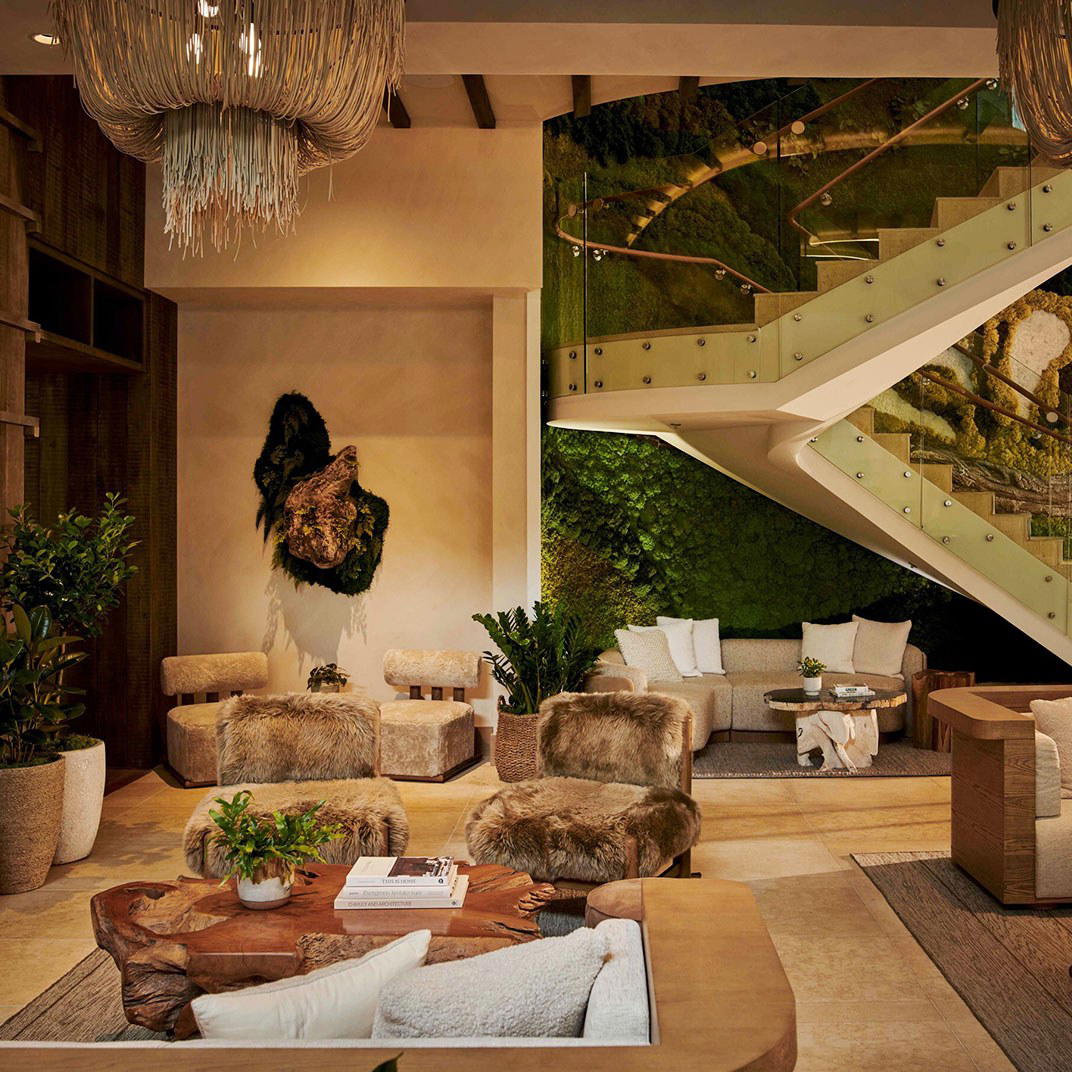
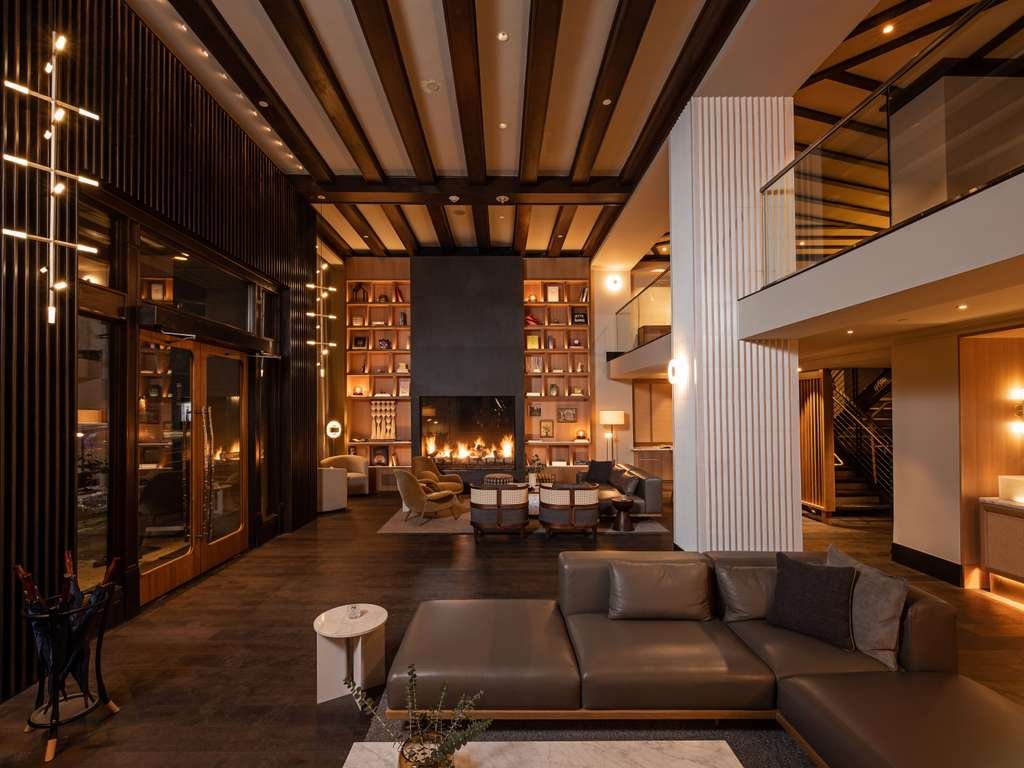
Cozy and welcoming atmosphere ideal for romantic dinners or casual nights out.